INTRO
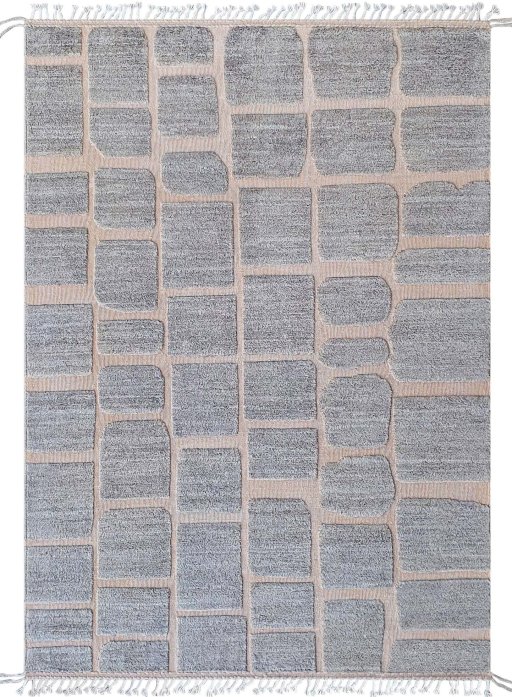
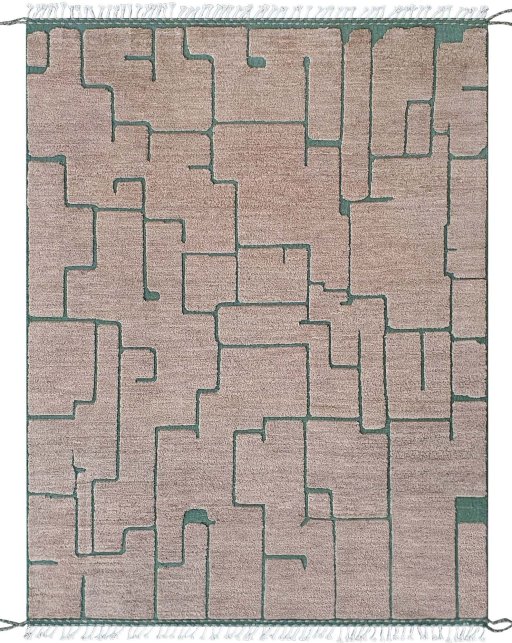
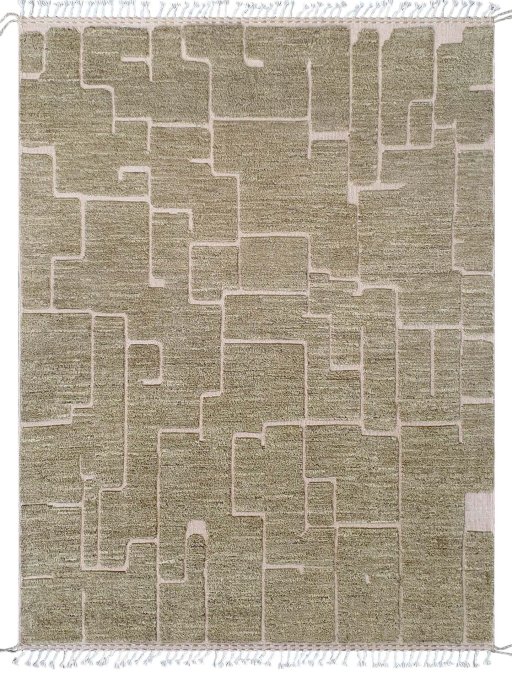
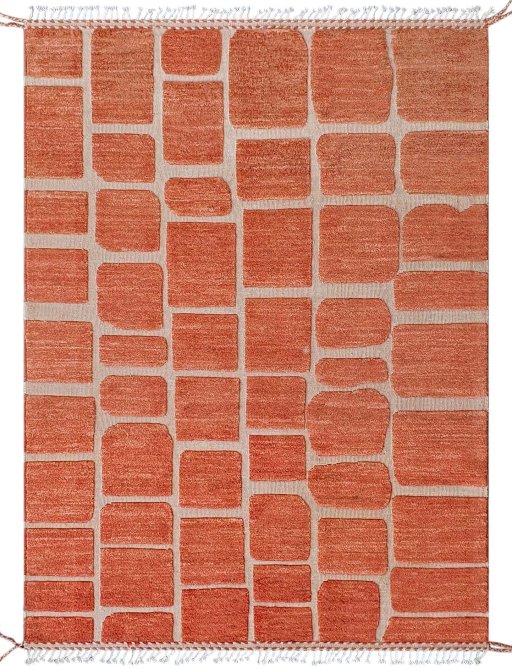
Handwoven Carpets with Timeless Berber Design
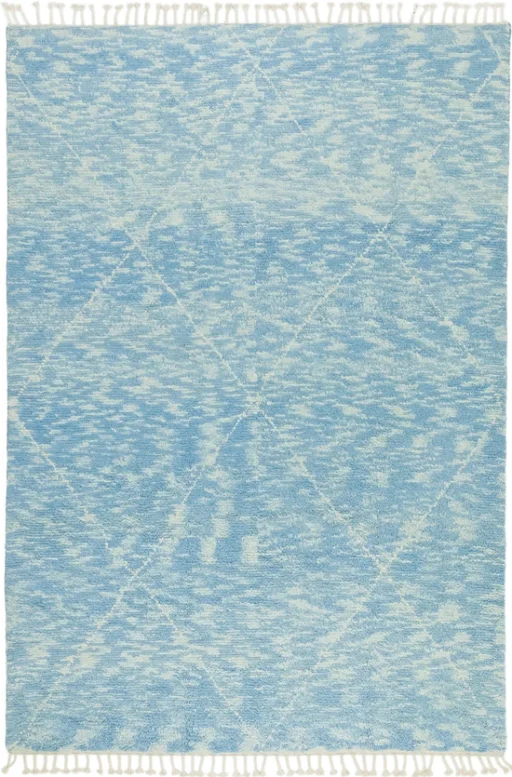
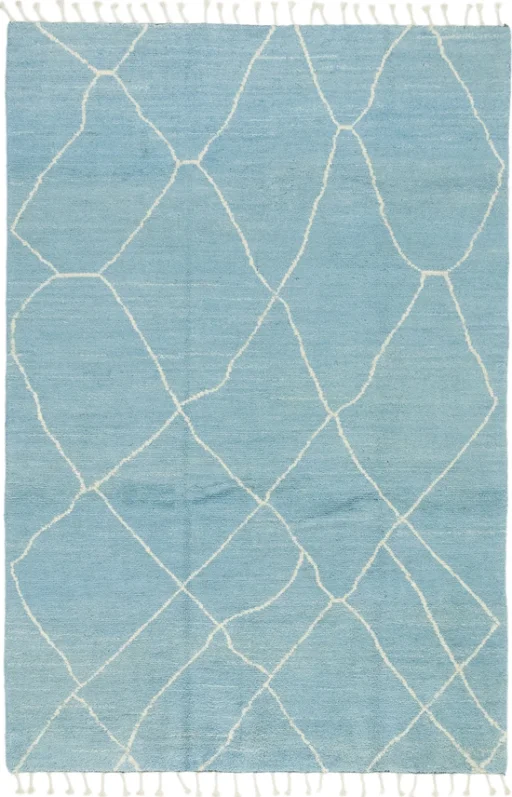
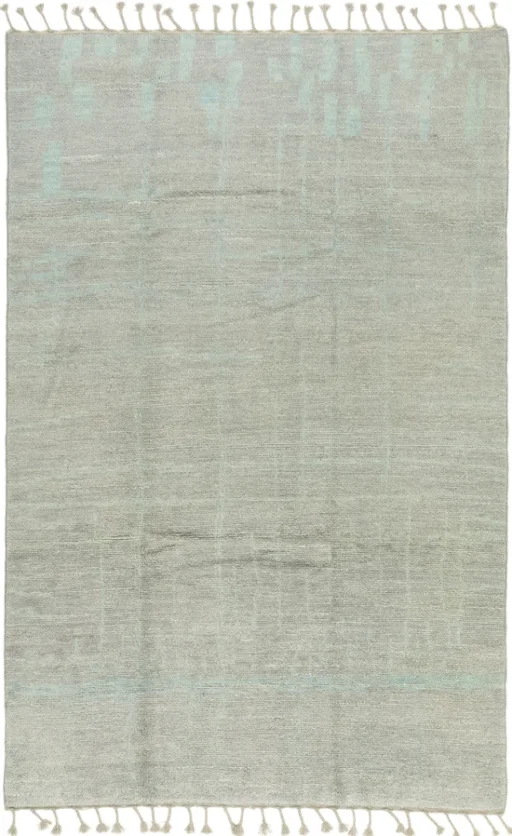
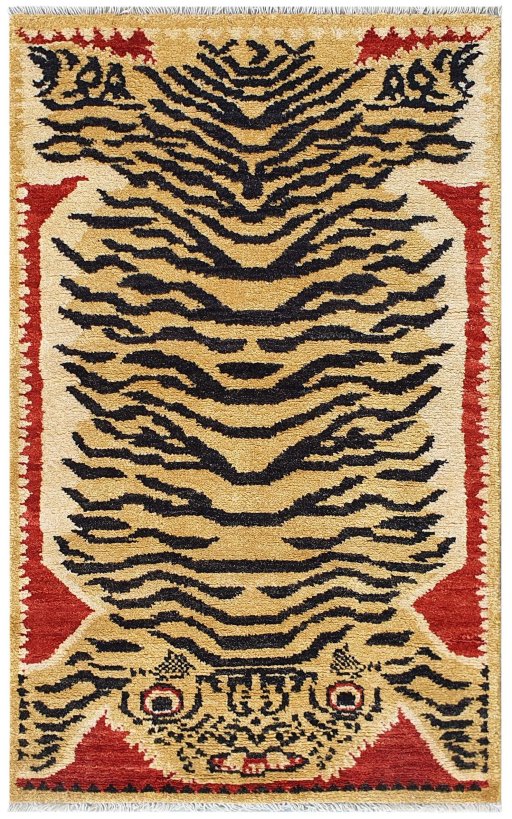
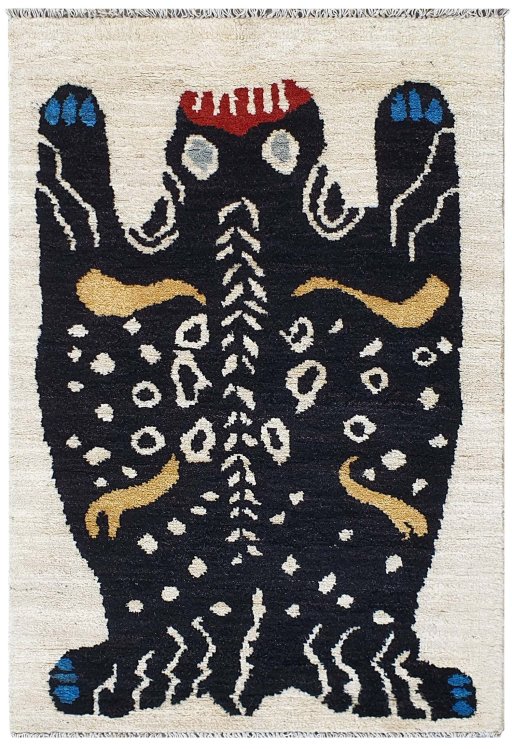
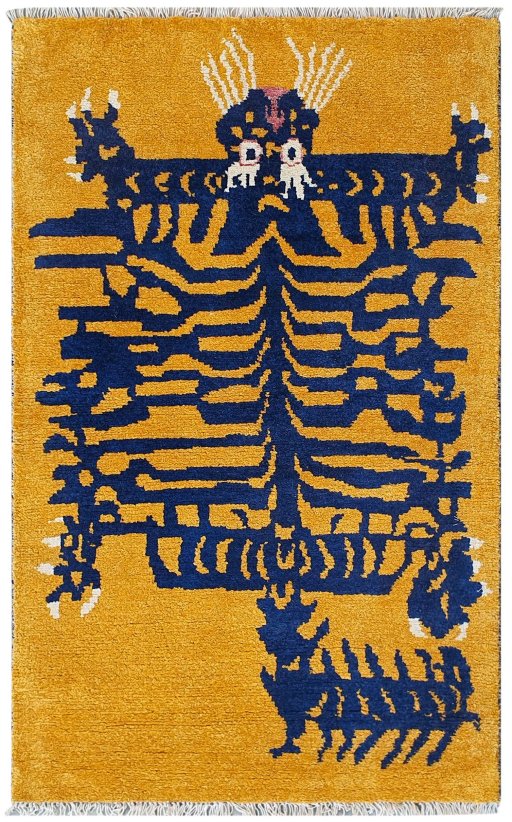
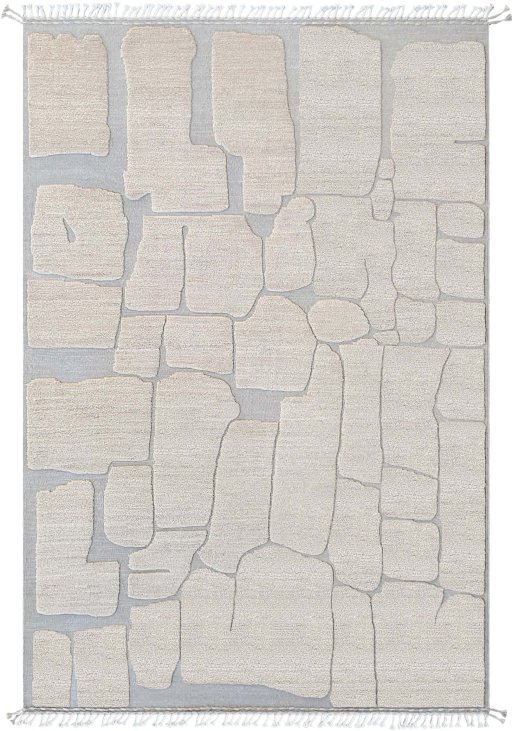
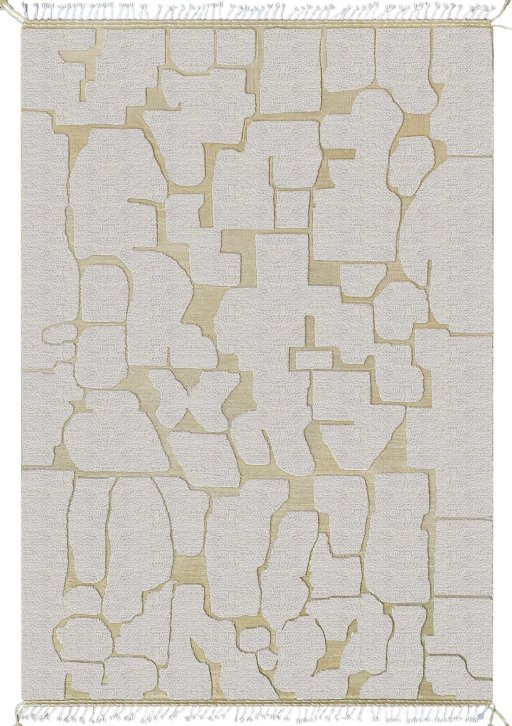
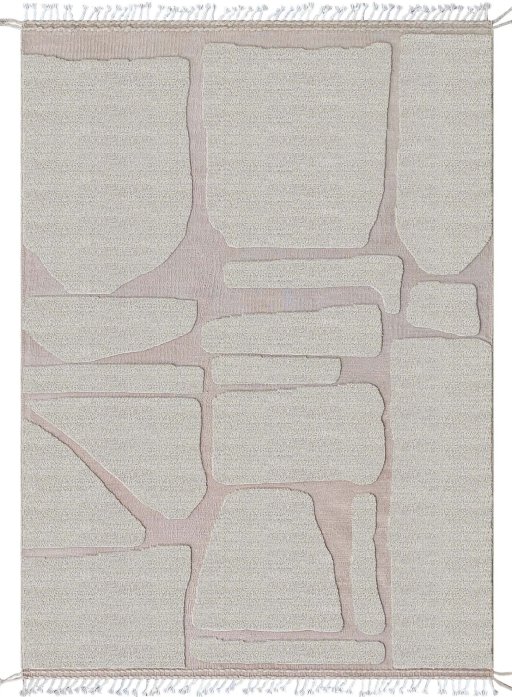
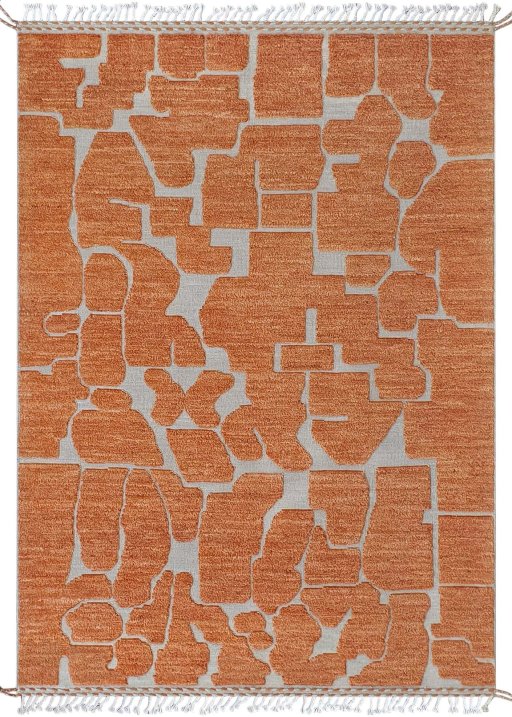
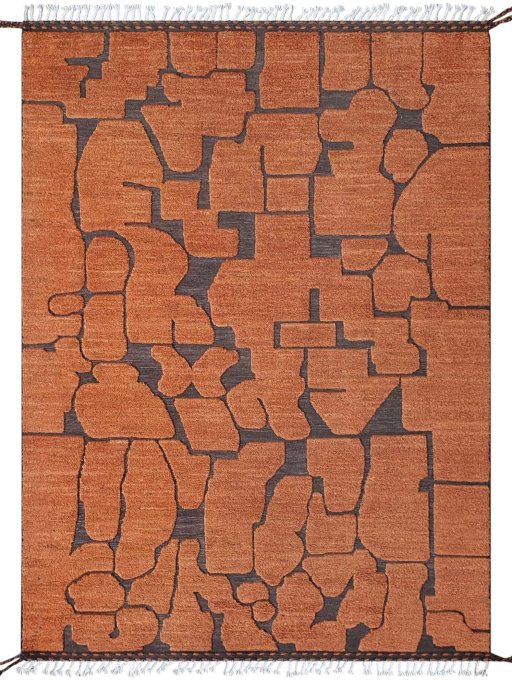
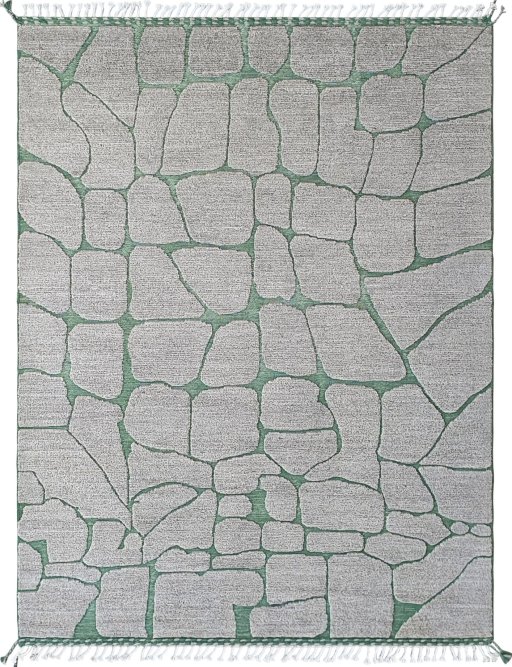
Today, Moroccan rugs represent a unique balance between traditional craftsmanship and contemporary design. Their organic patterns and authentic materials create a warm and relaxed atmosphere that integrates easily into many living spaces.
01
Origin and Cultural Heritage
Moroccan rugs originate from various Berber tribes across the Atlas Mountains and surrounding regions of Morocco. For centuries, these carpets were woven primarily for personal use in homes and tents, serving as bedding, floor coverings, or insulation during cold mountain winters.
Because they were created within tribal communities rather than large workshops, Moroccan rugs often reflect the personal expression and cultural symbolism of the weavers. Each rug can contain subtle variations in pattern, color, and structure, making every piece unique.
02
Characteristic Patterns and Design
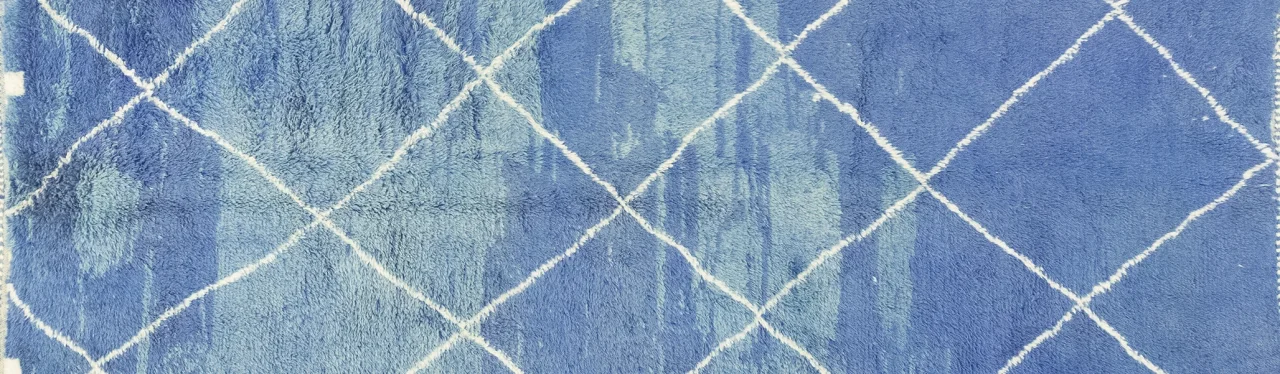
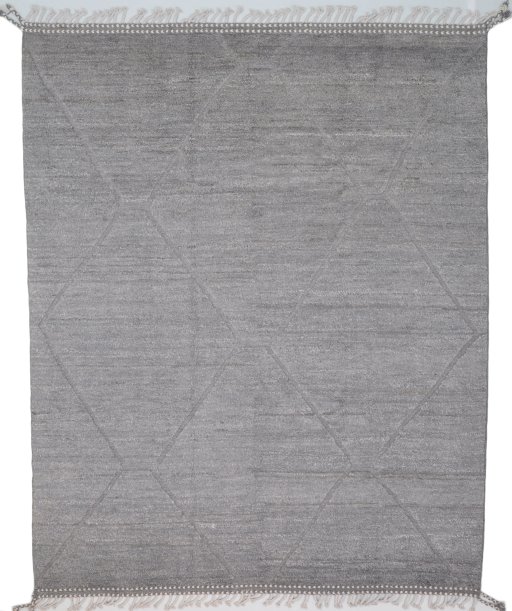
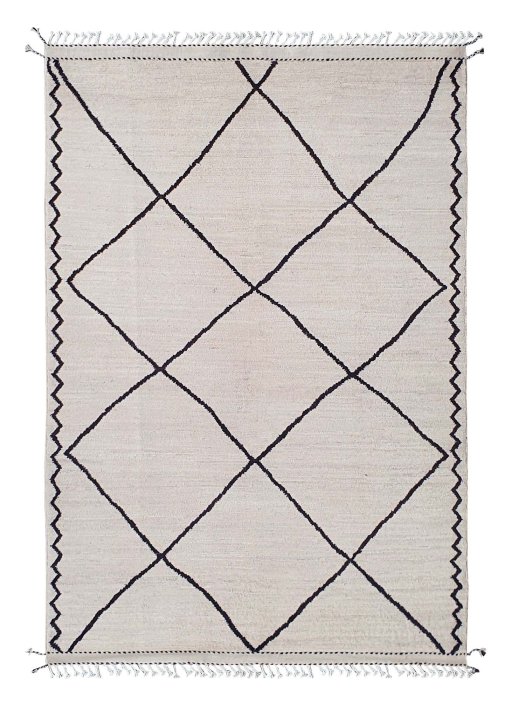
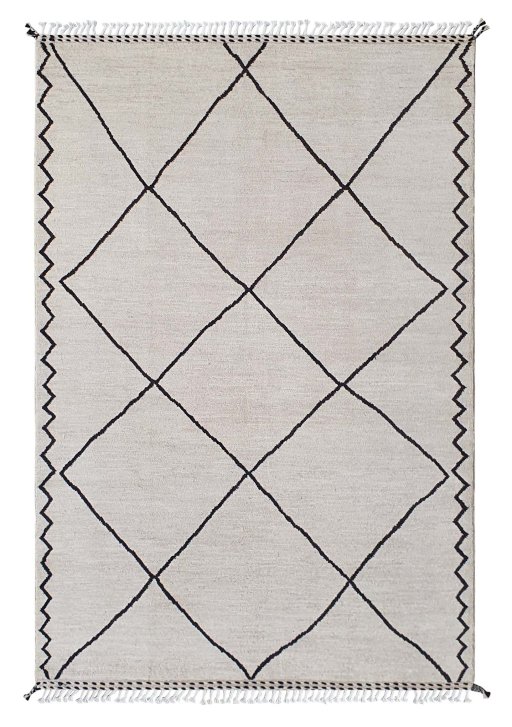
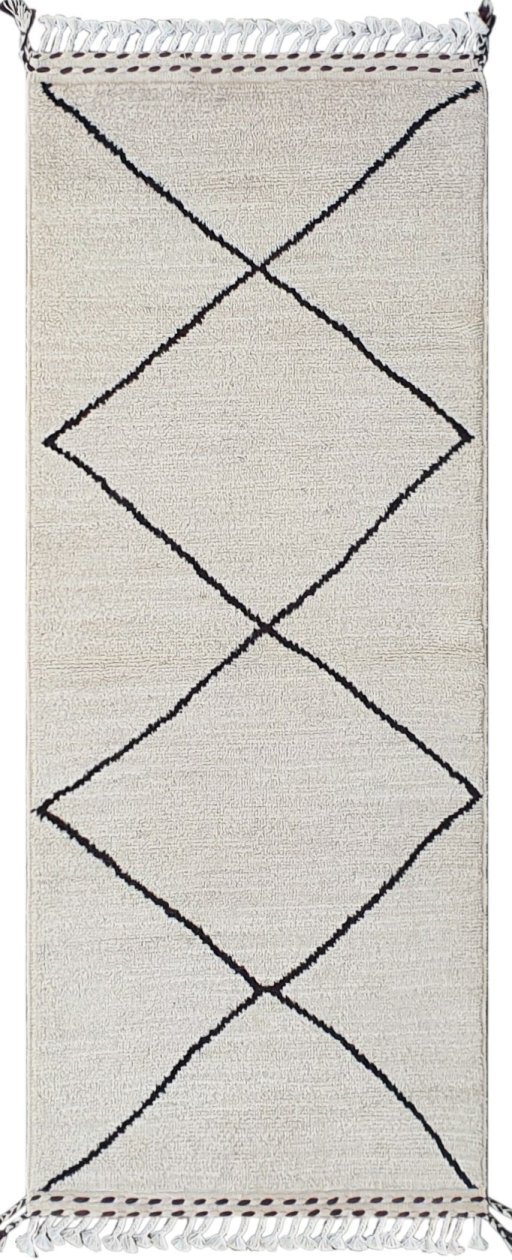
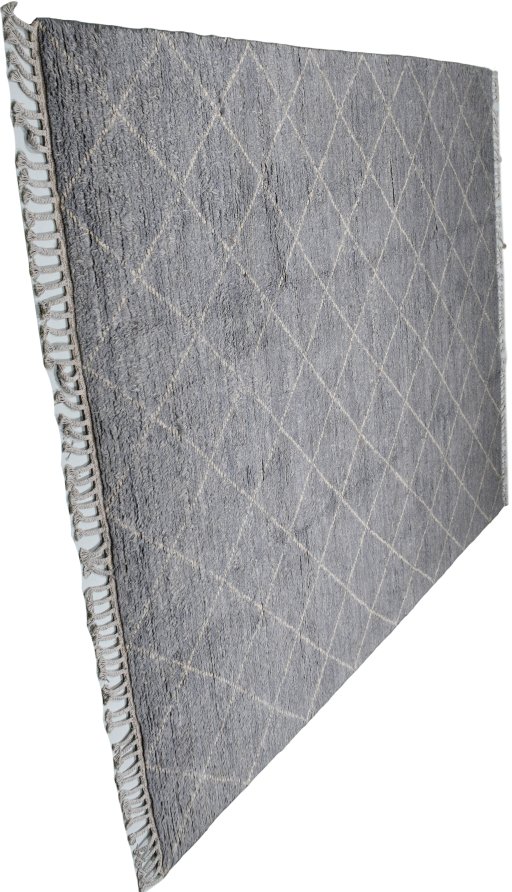
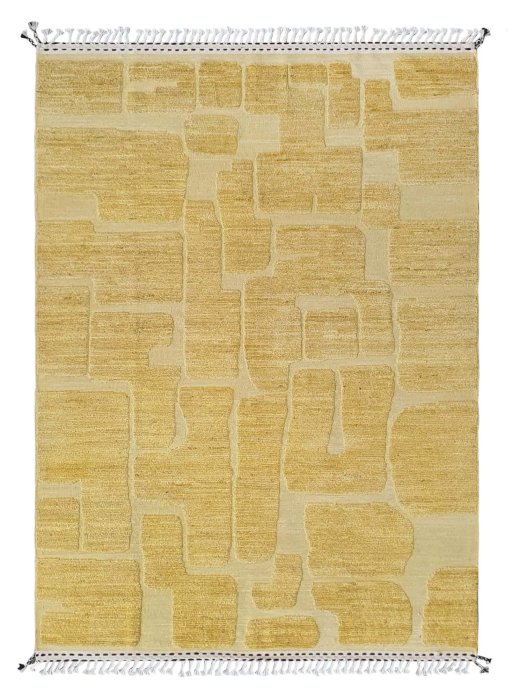
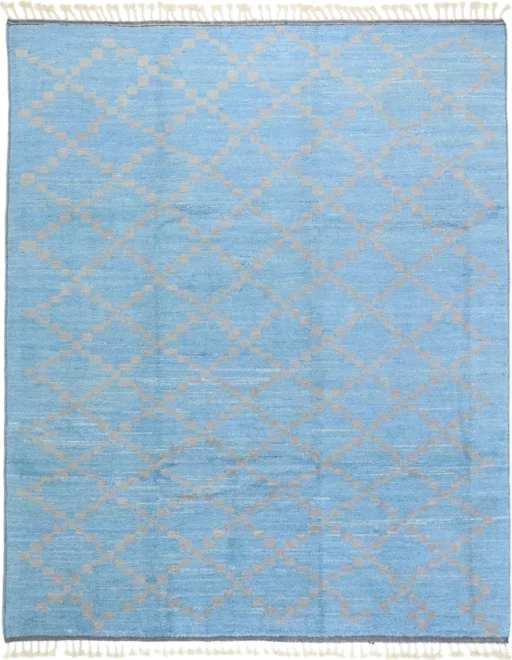
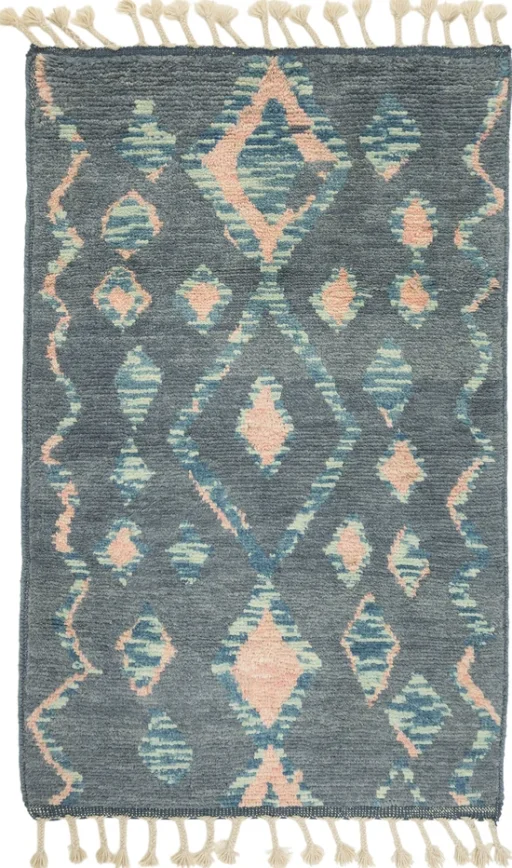
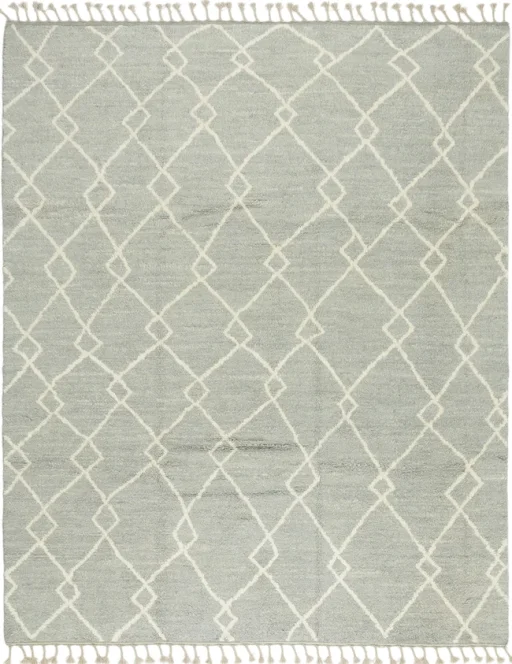
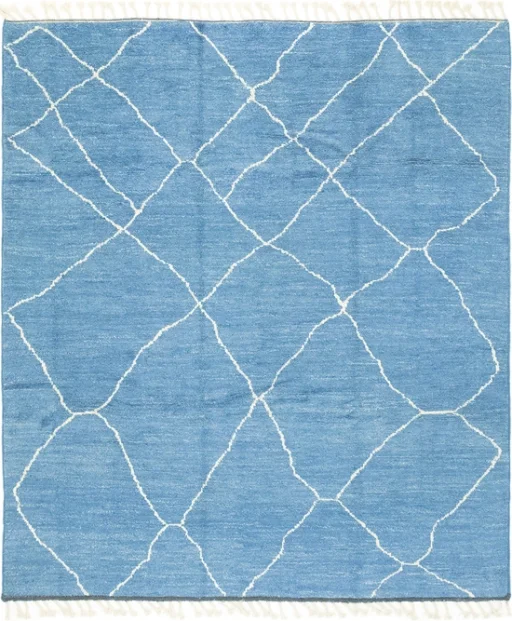
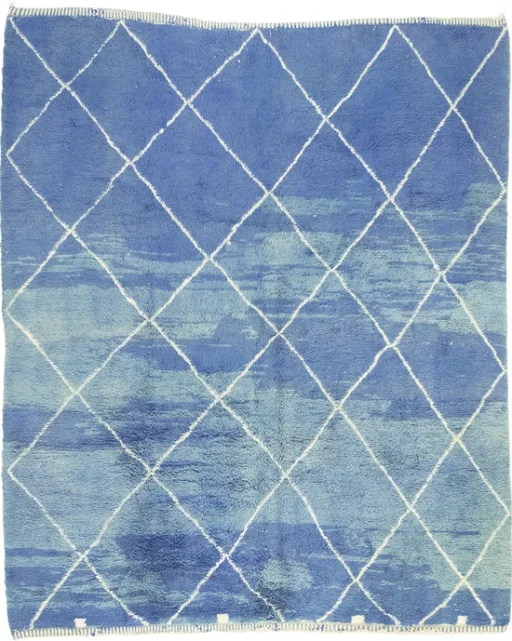
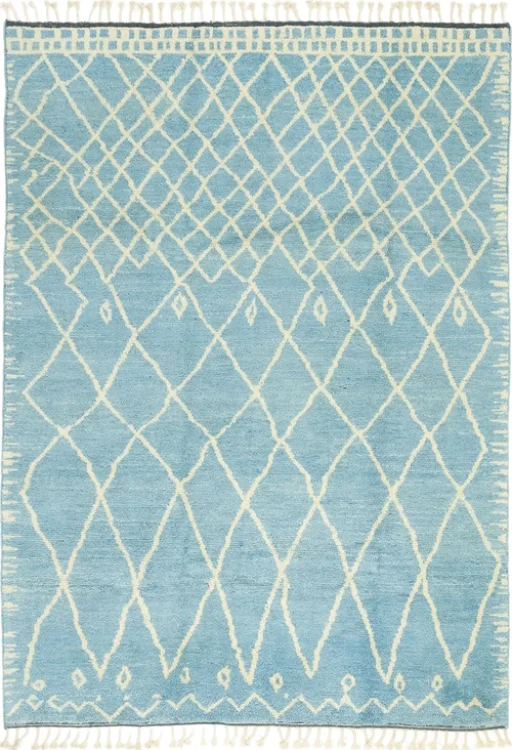
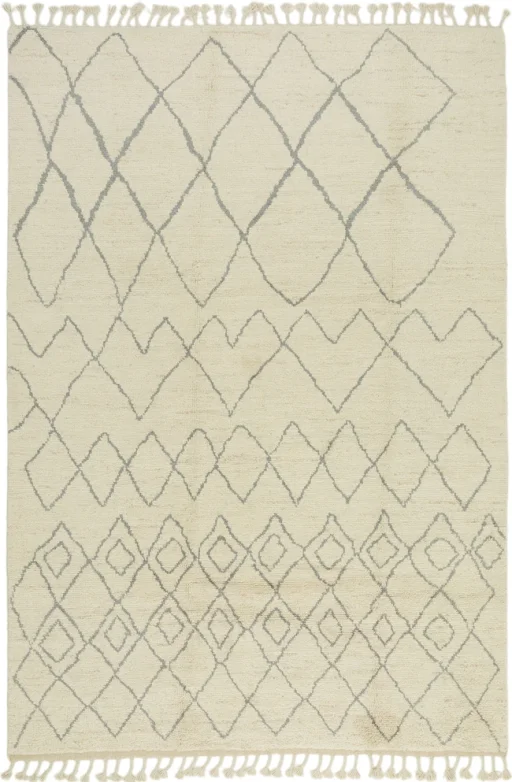
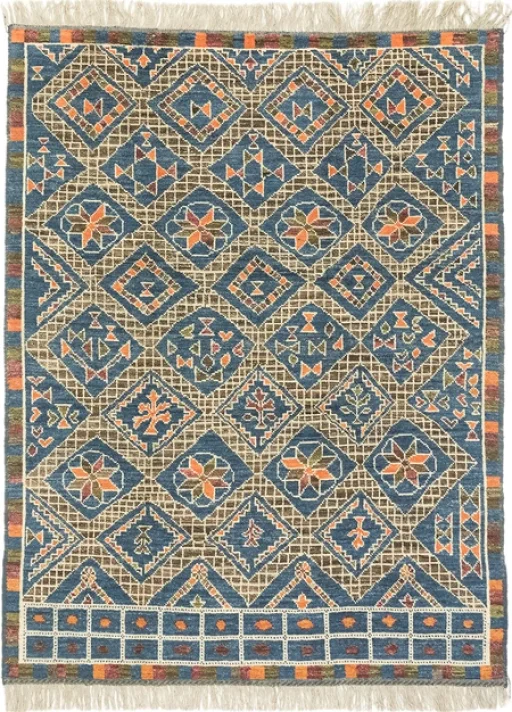
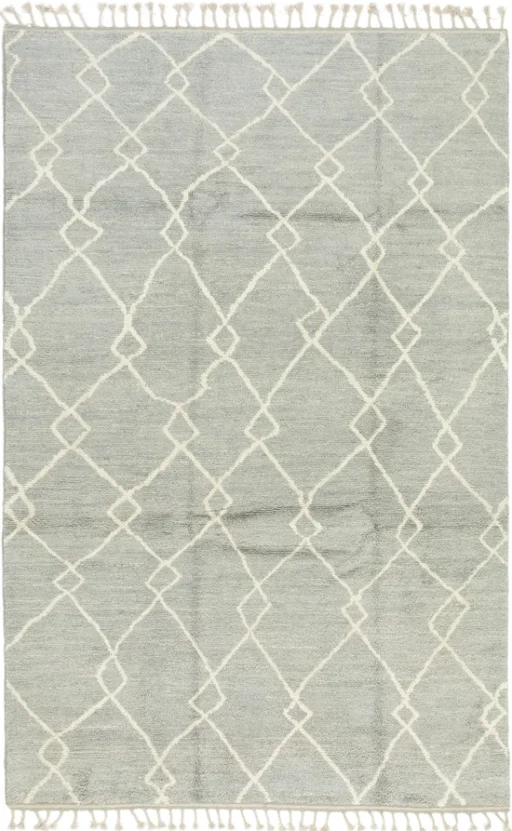
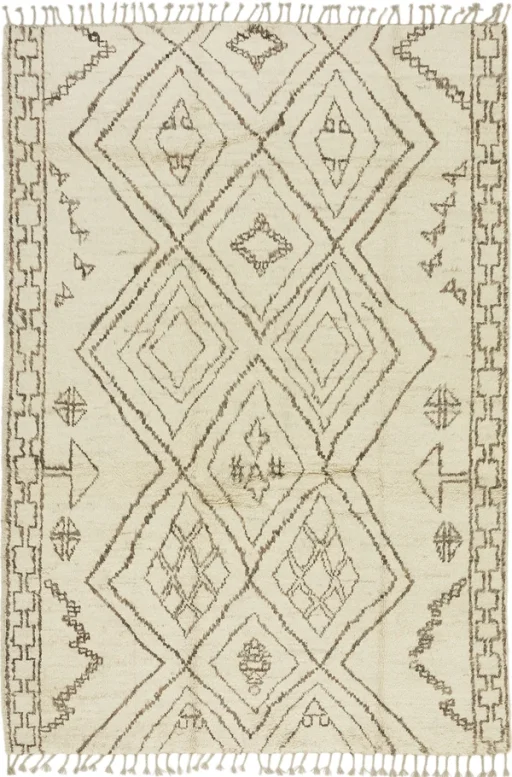
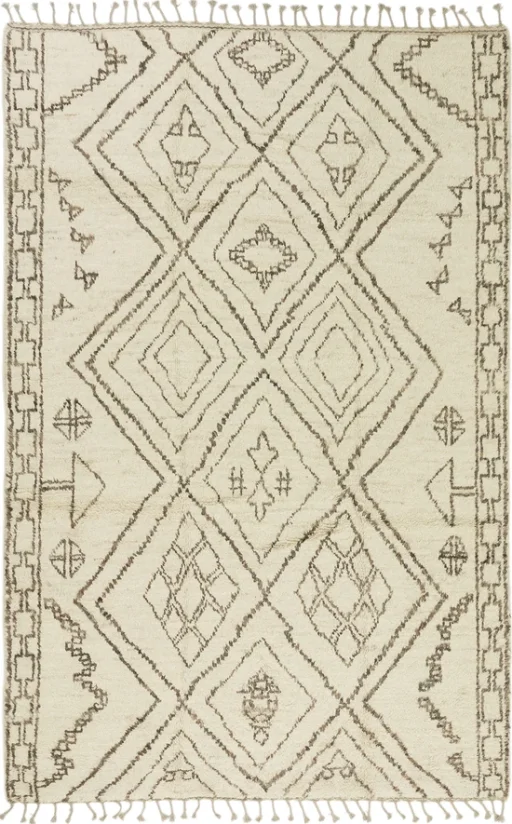
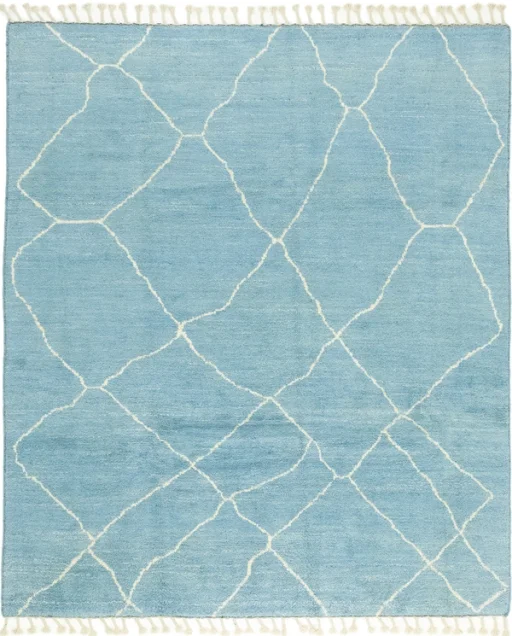
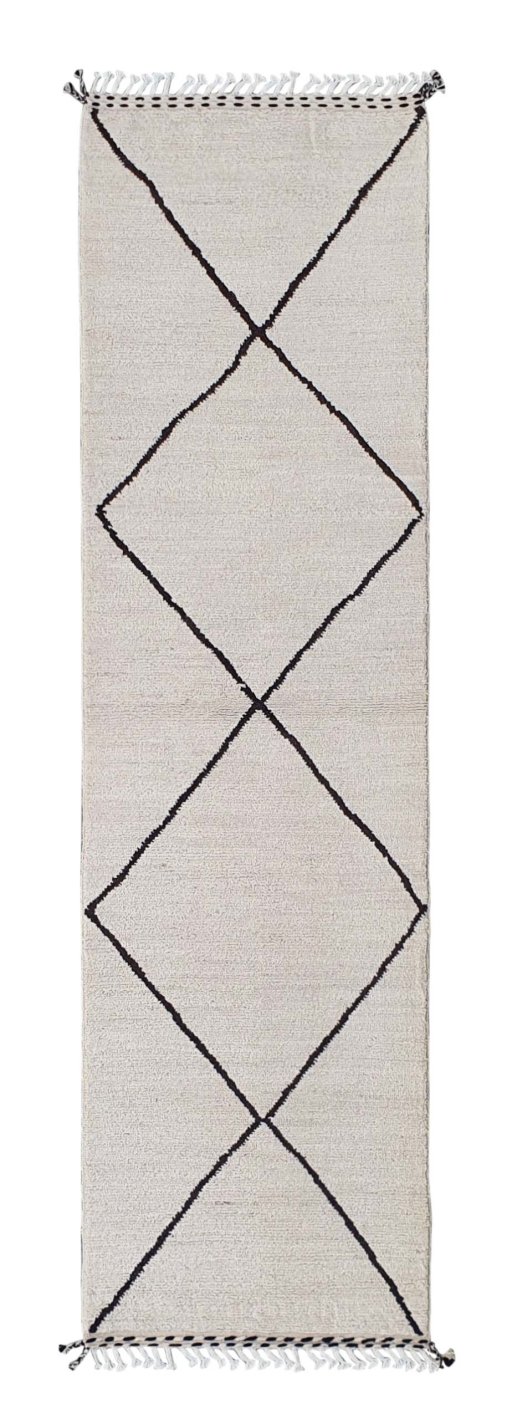
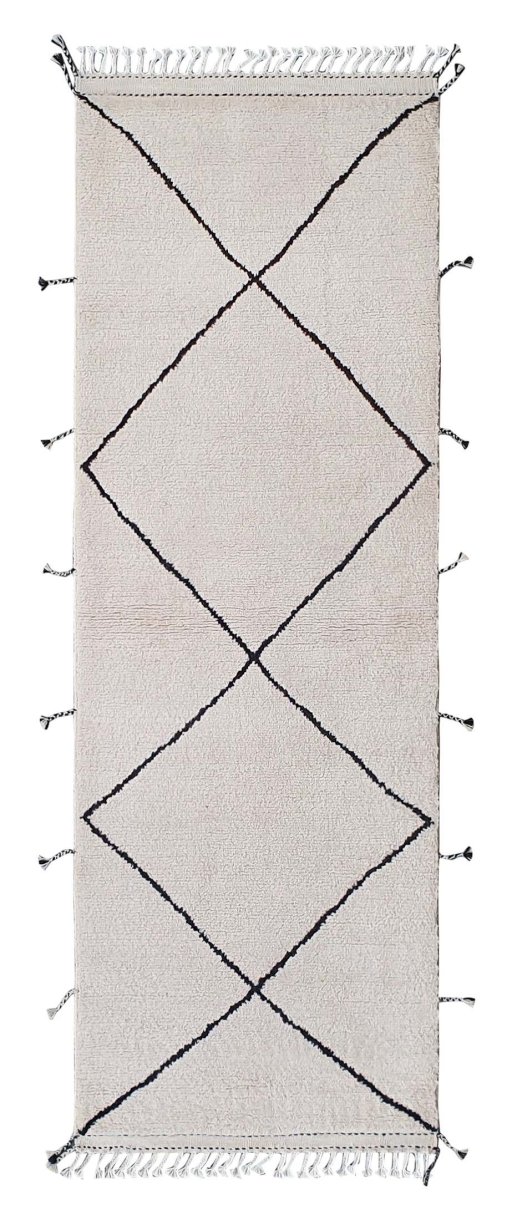
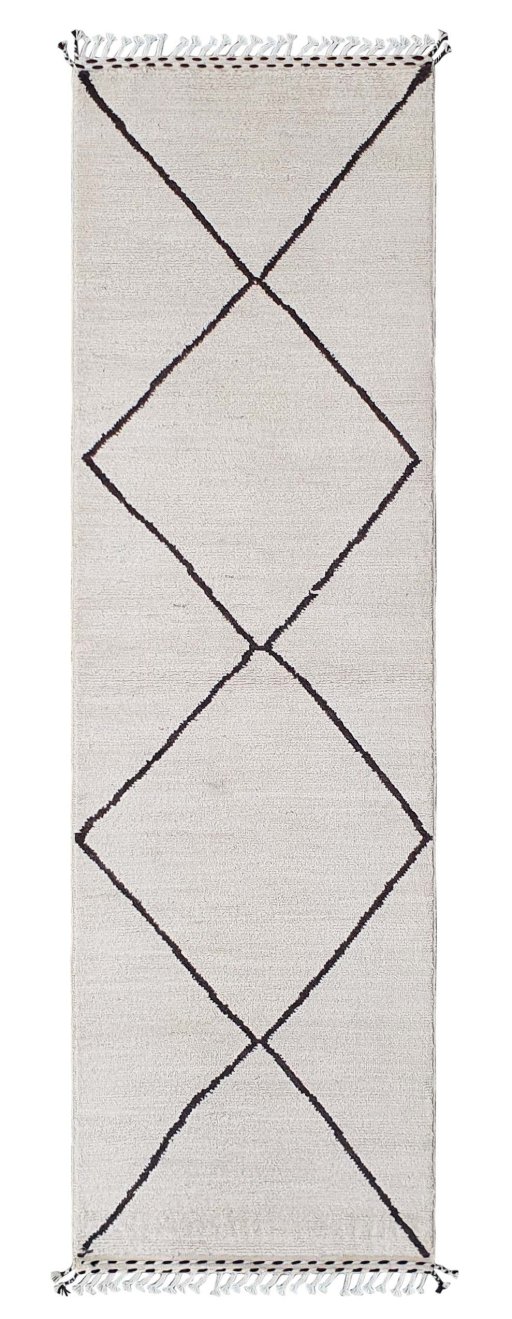
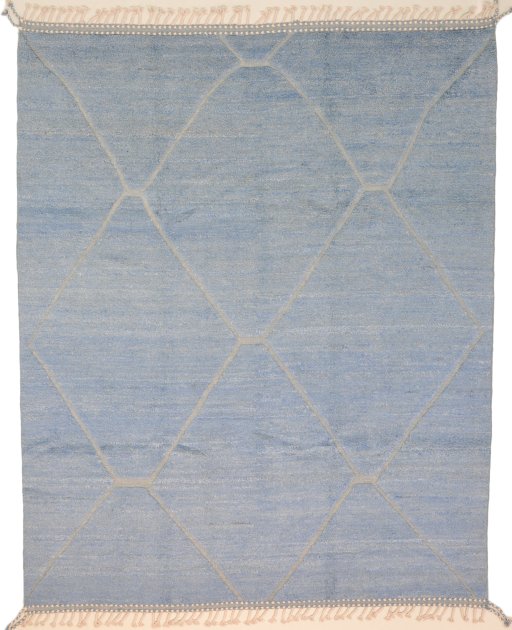
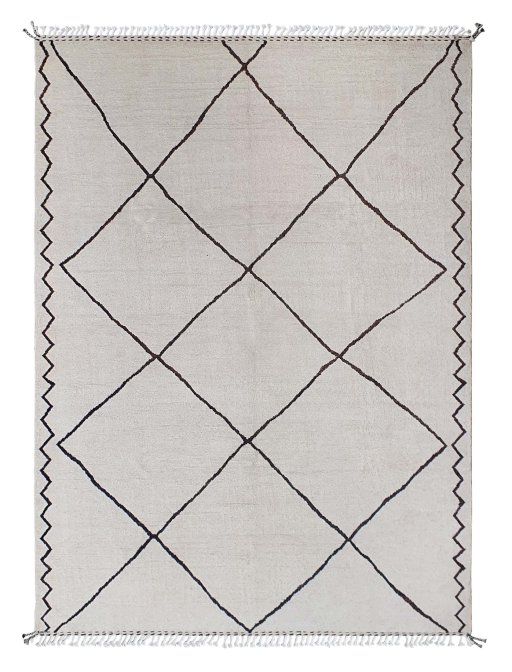
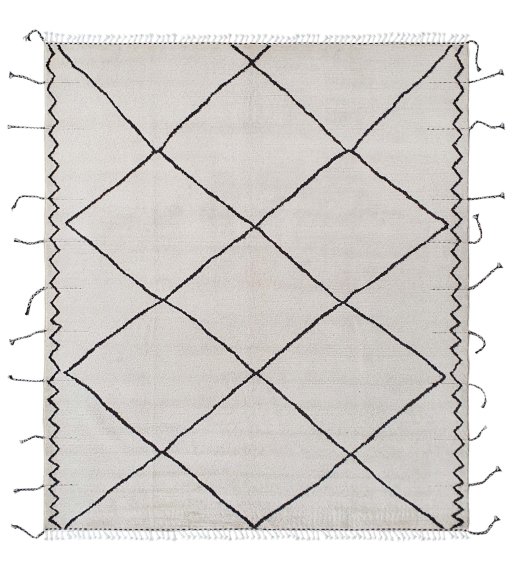
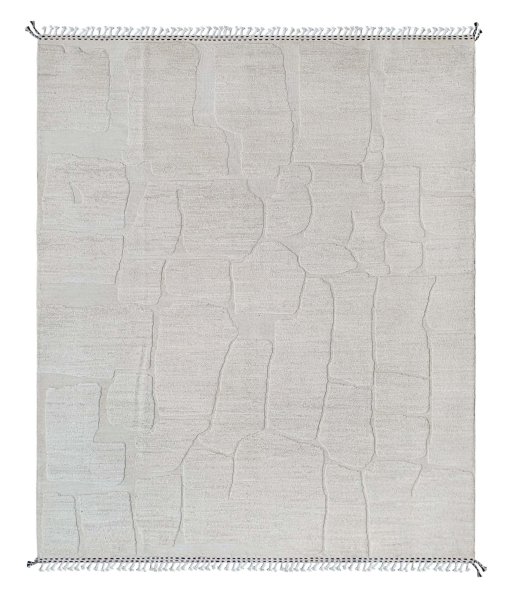
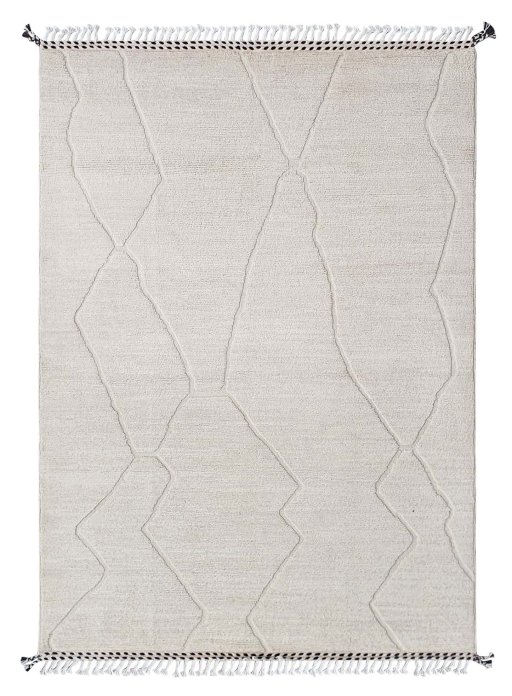
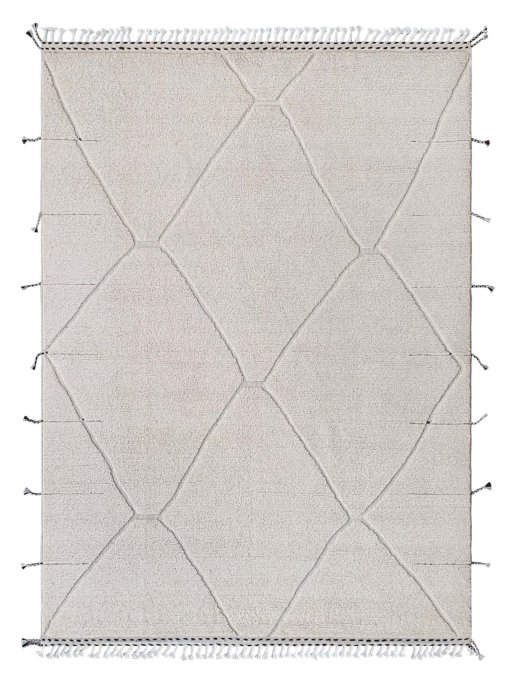
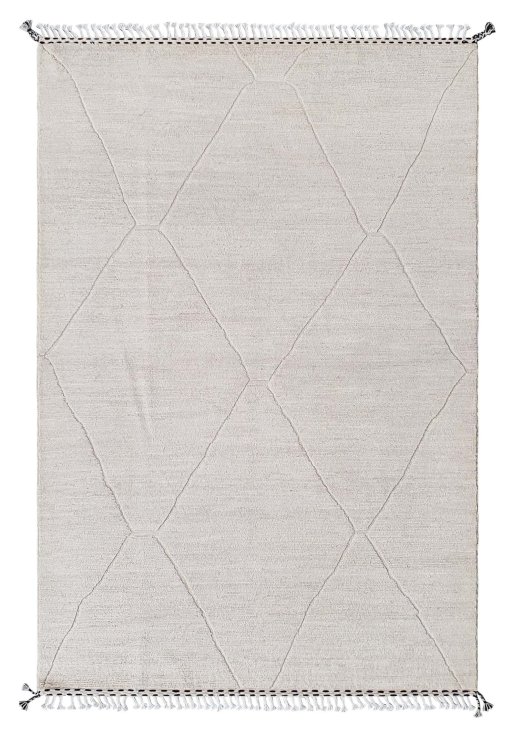
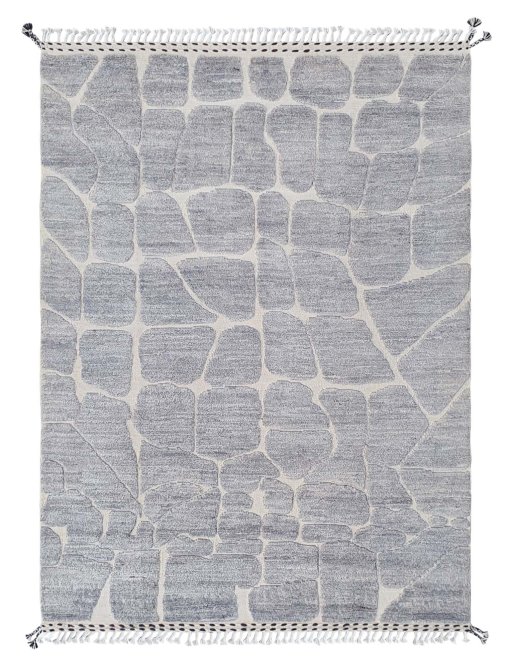
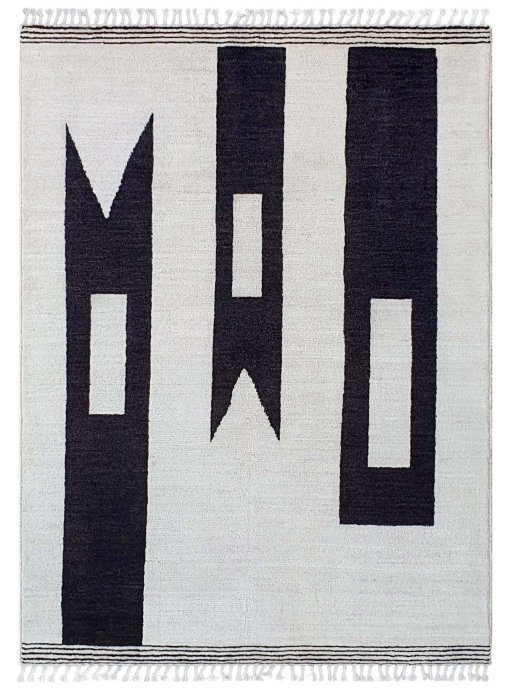
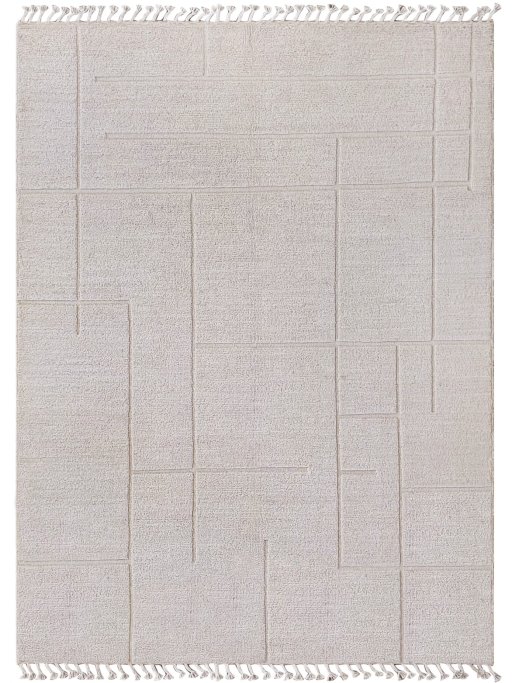
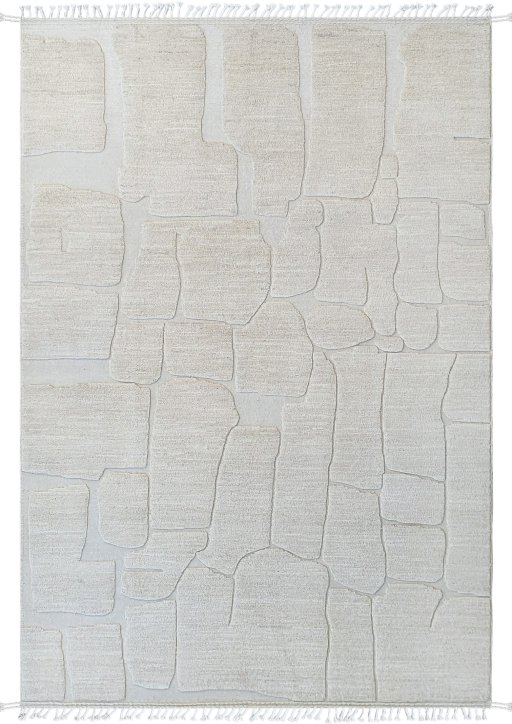
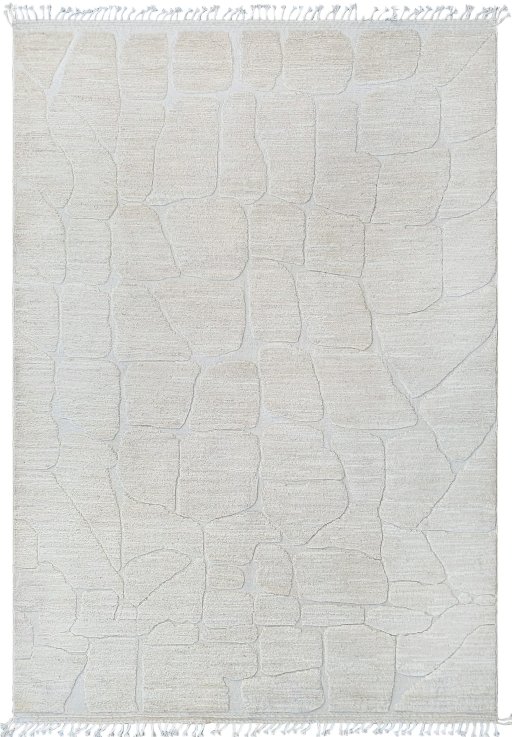
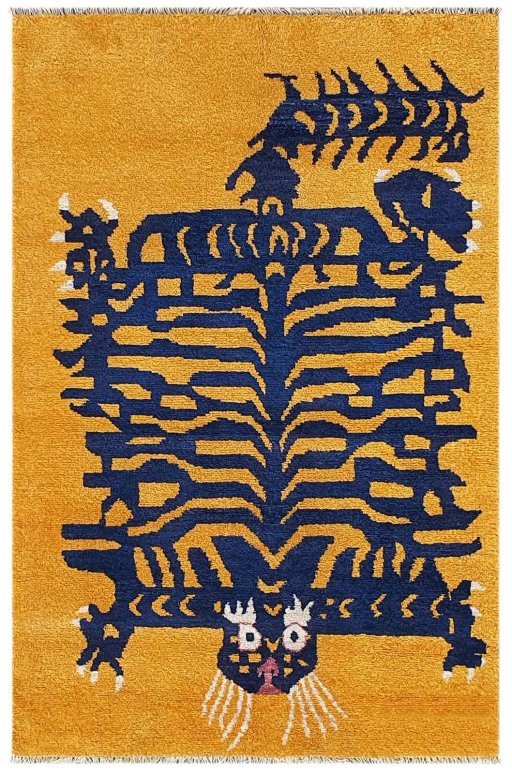
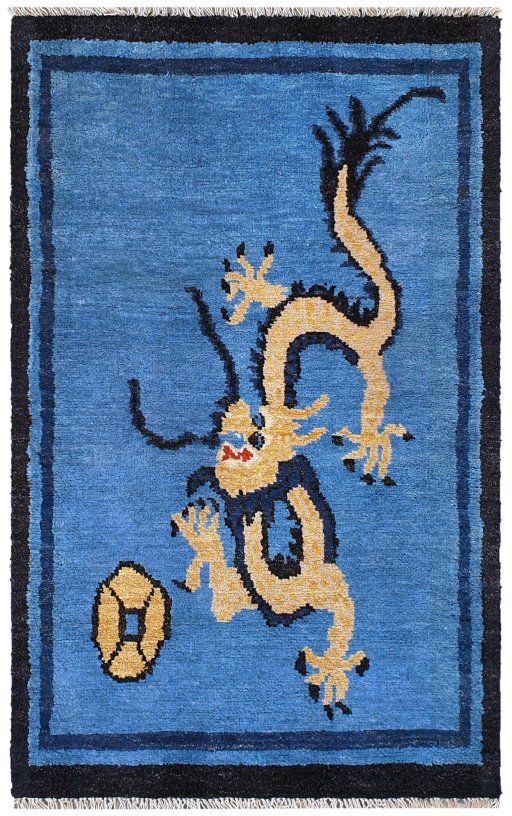
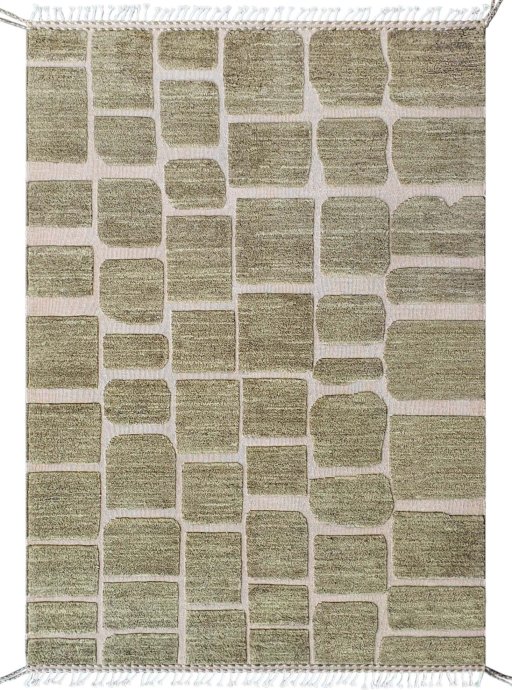
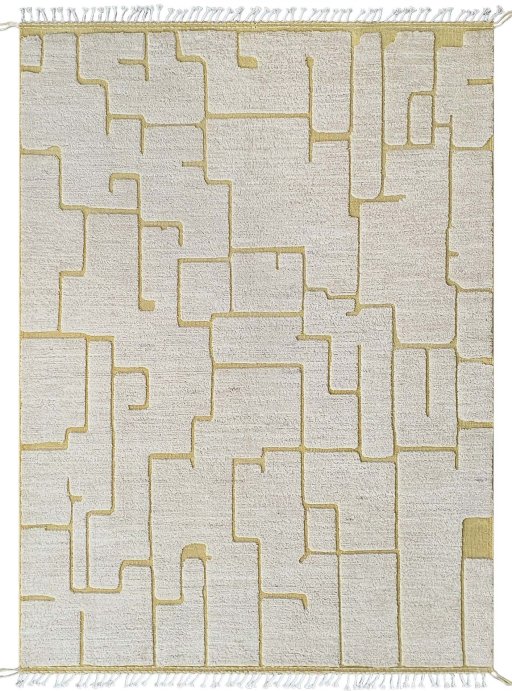
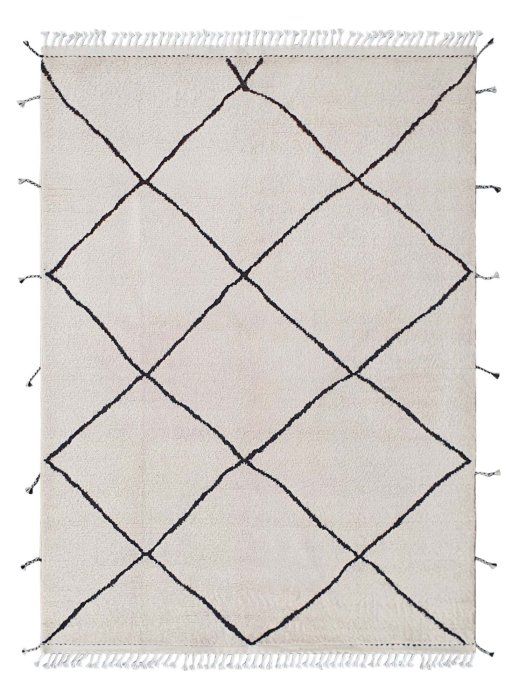
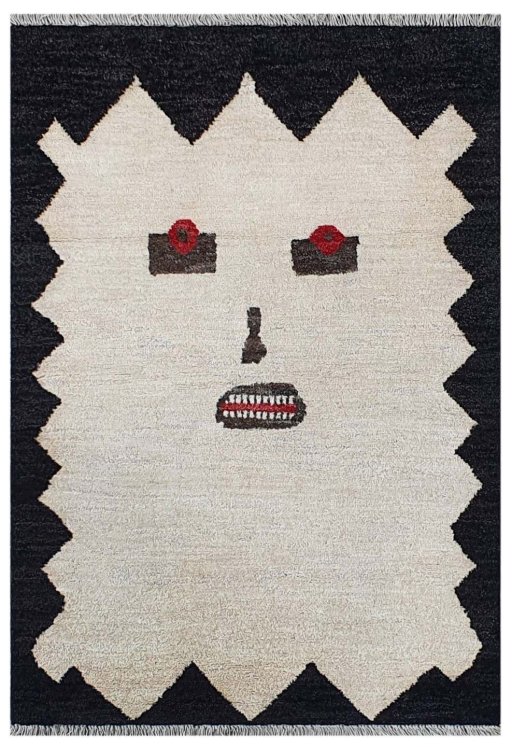
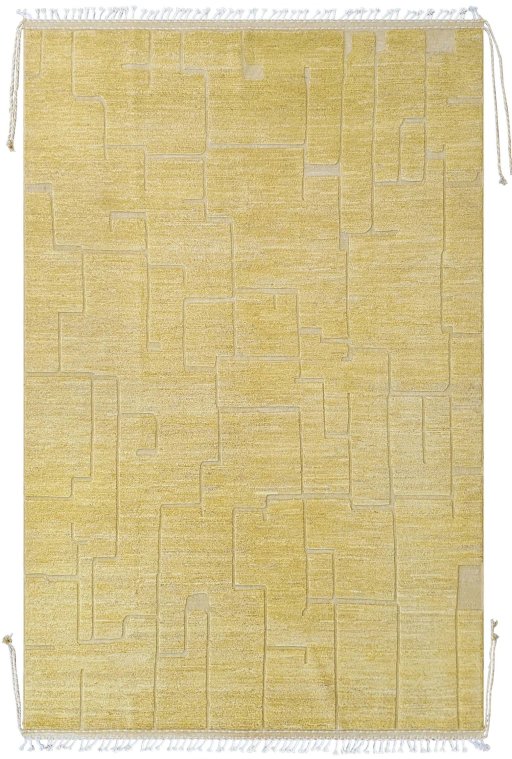
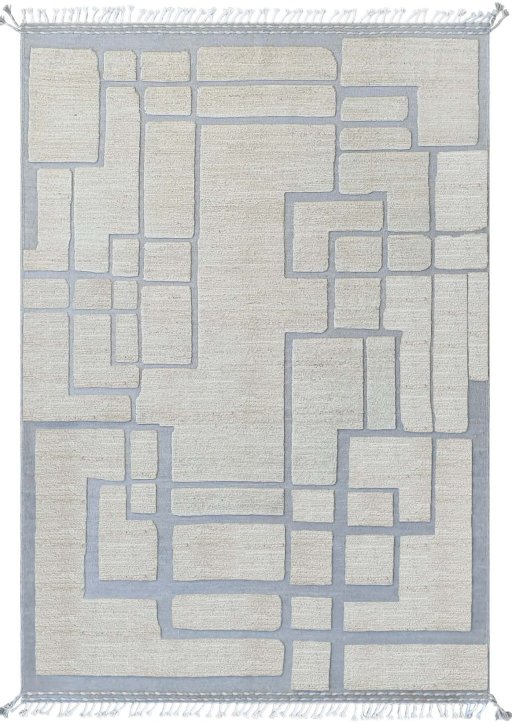
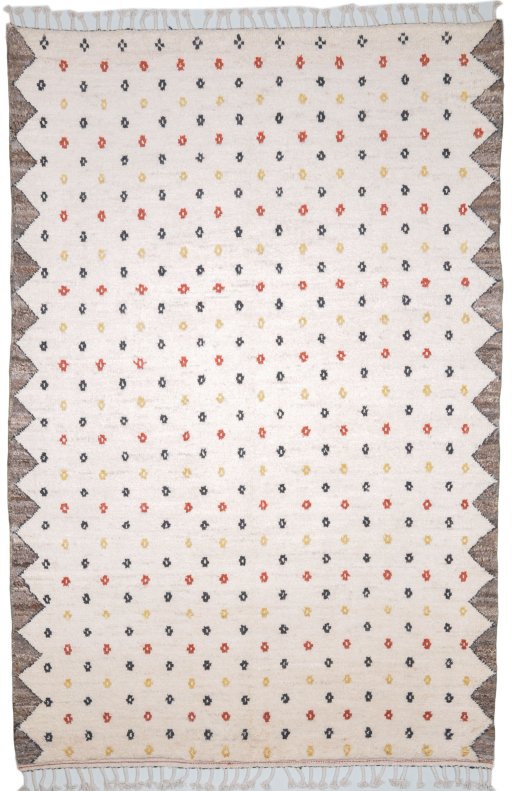
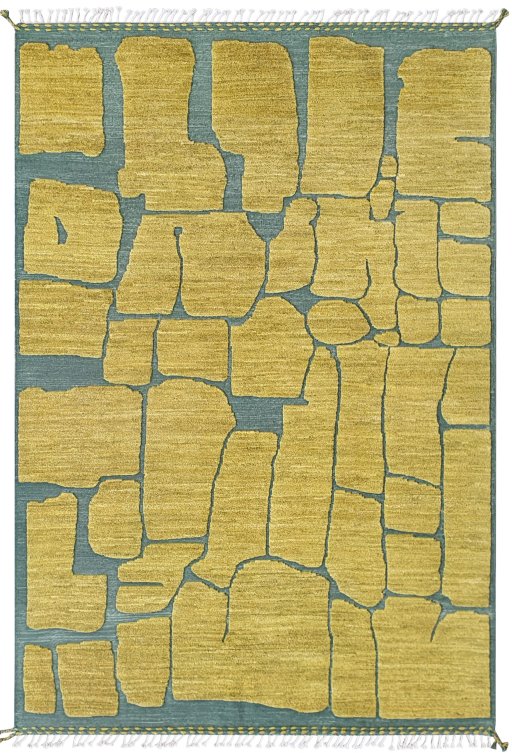
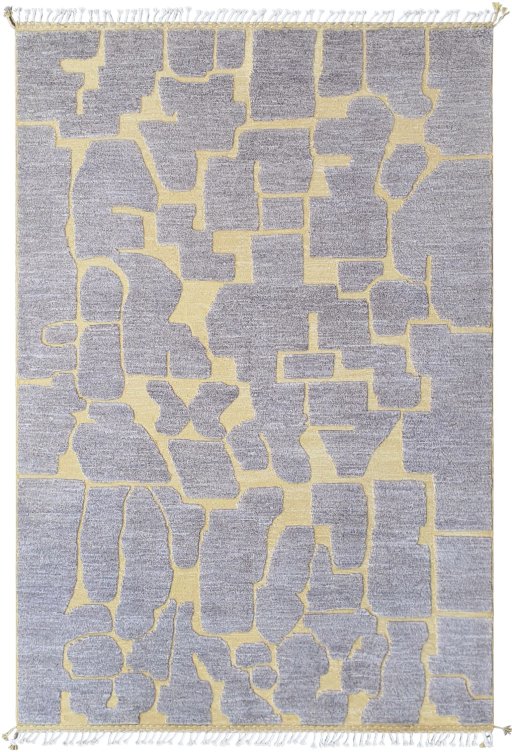
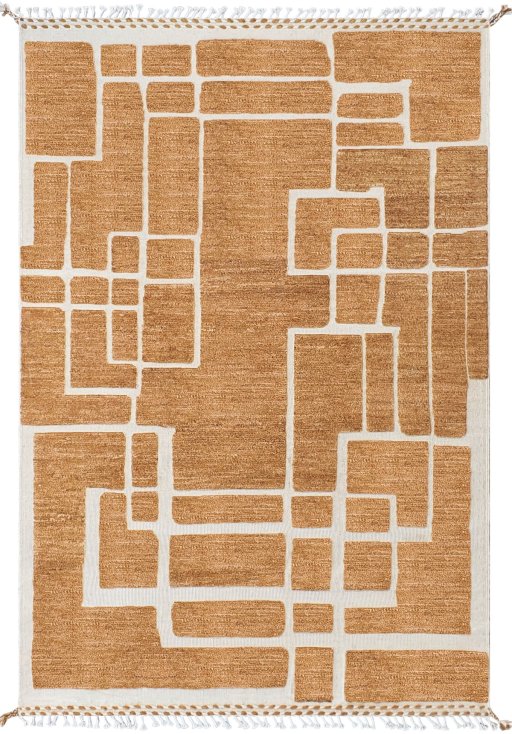
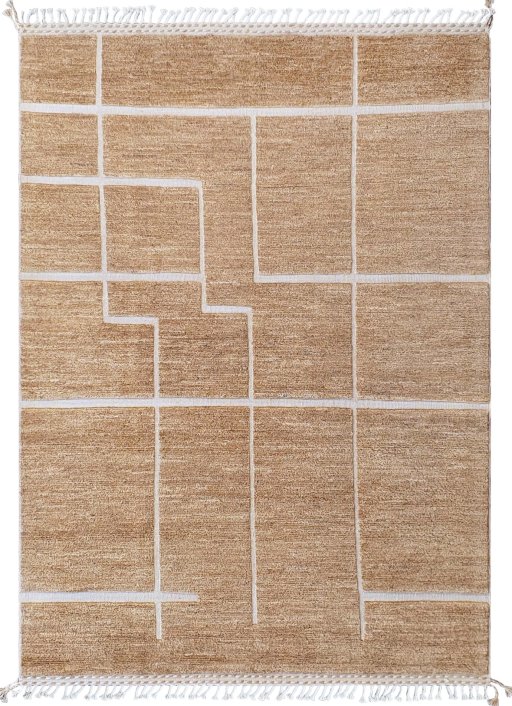
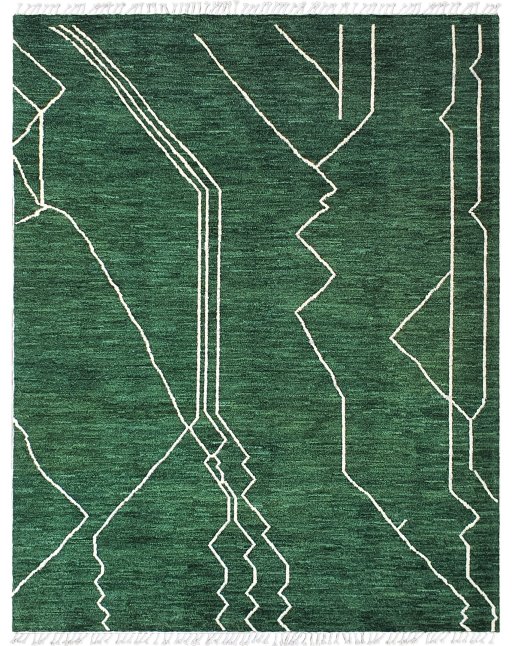
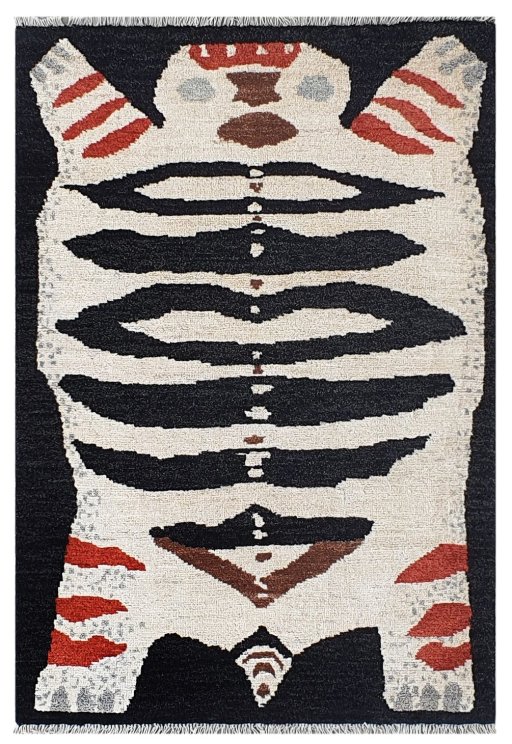
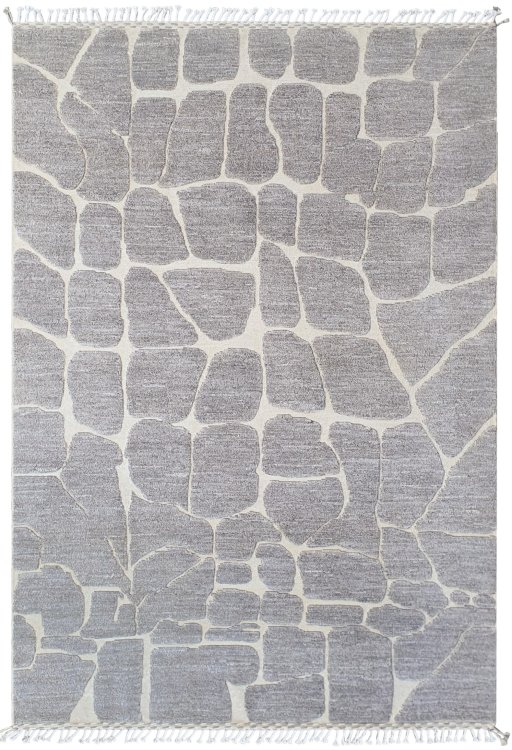
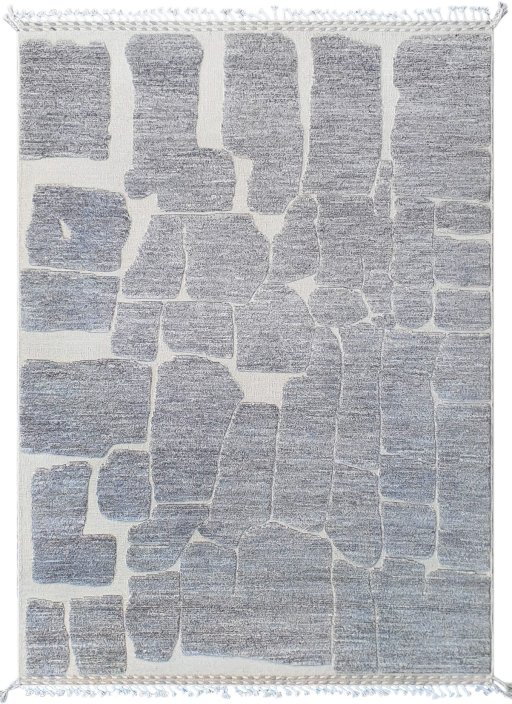
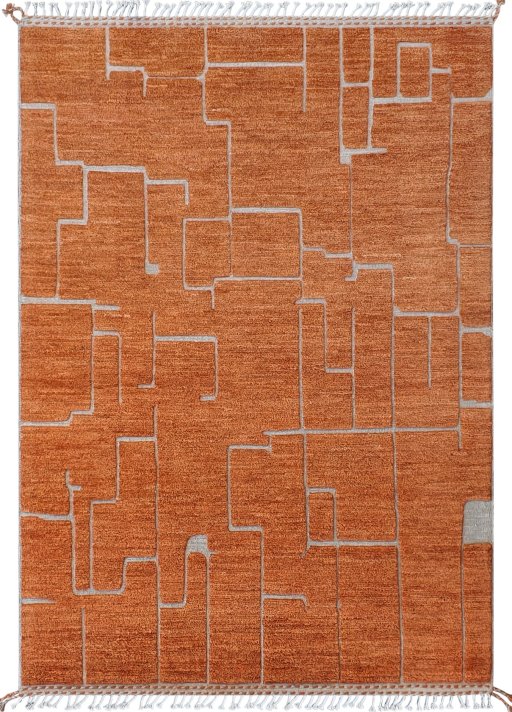
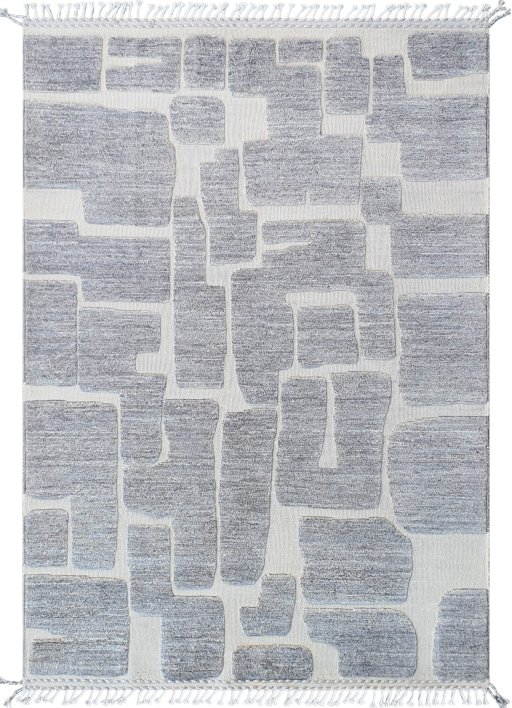
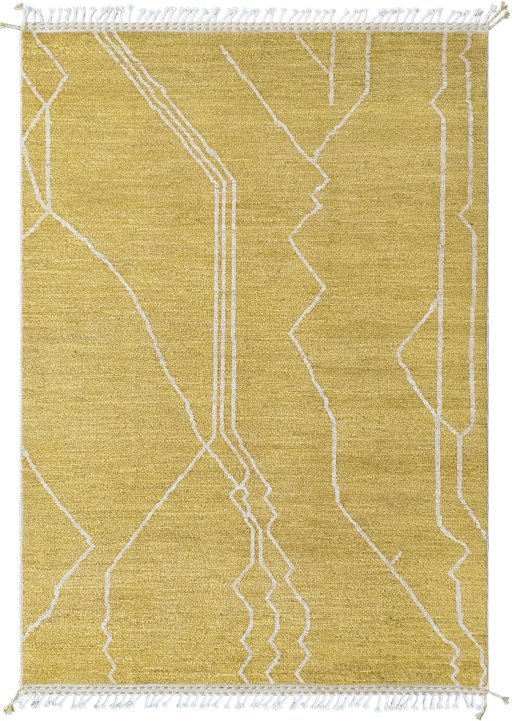
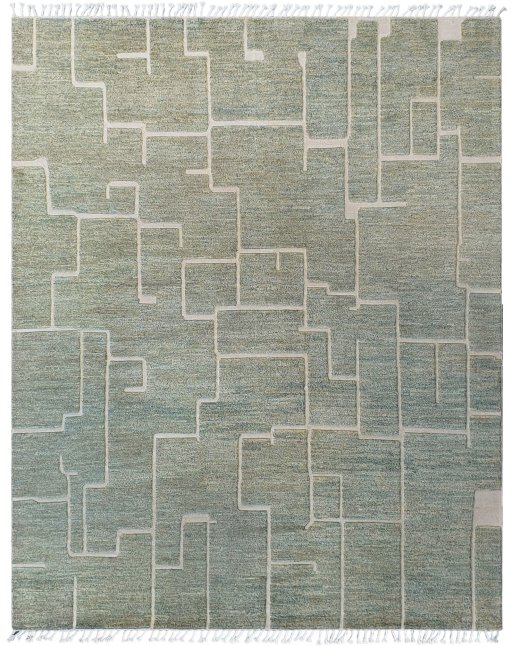
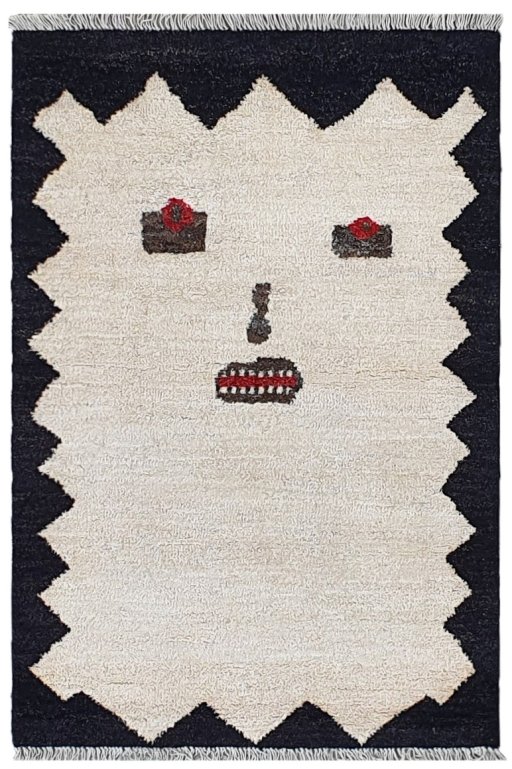
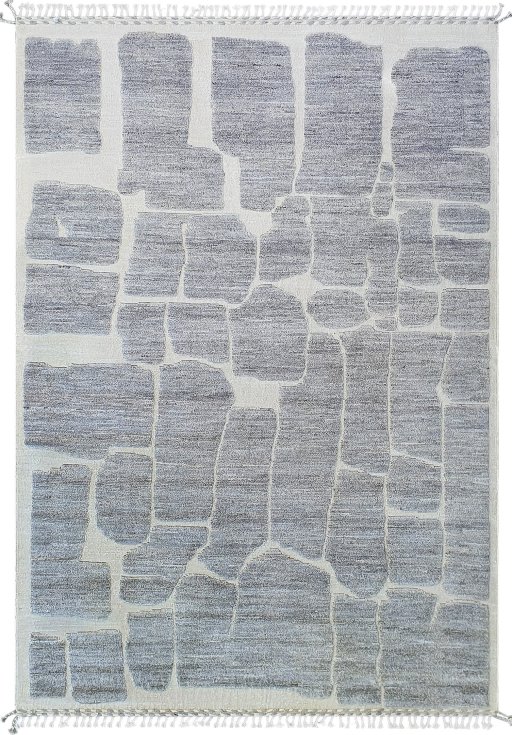
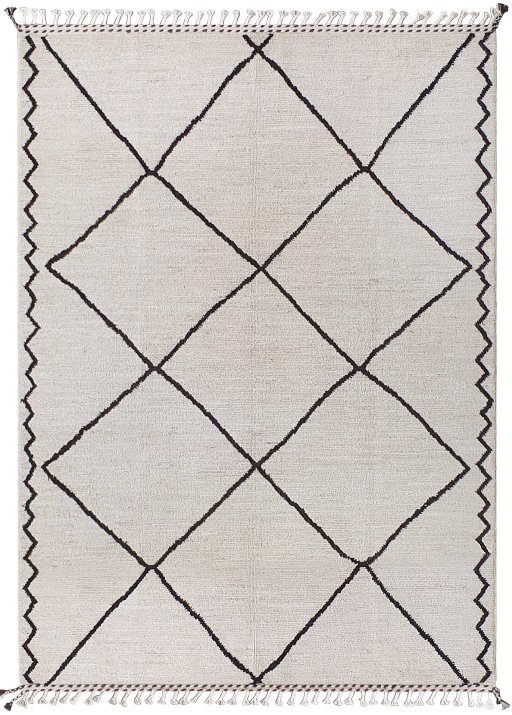
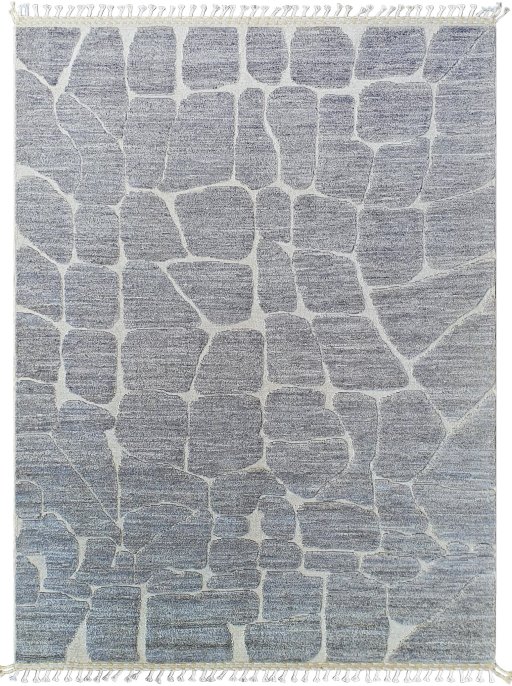
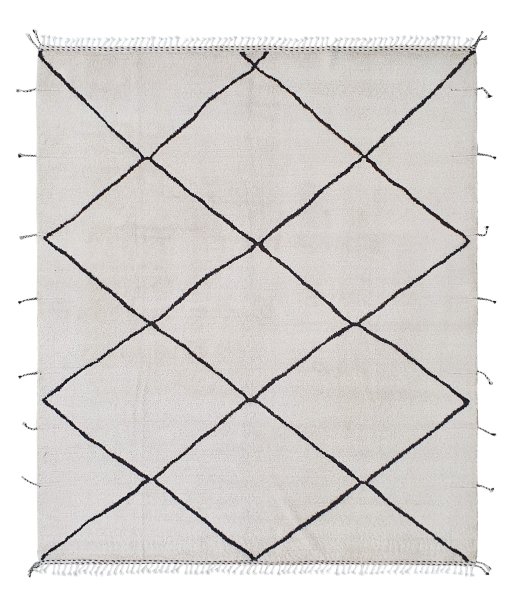
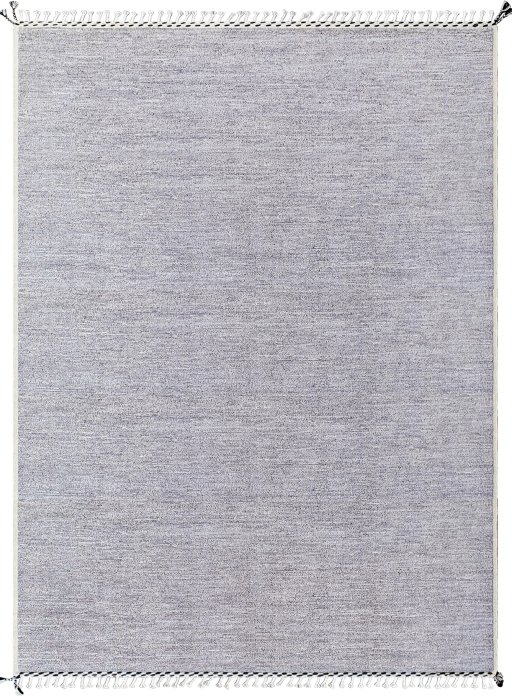
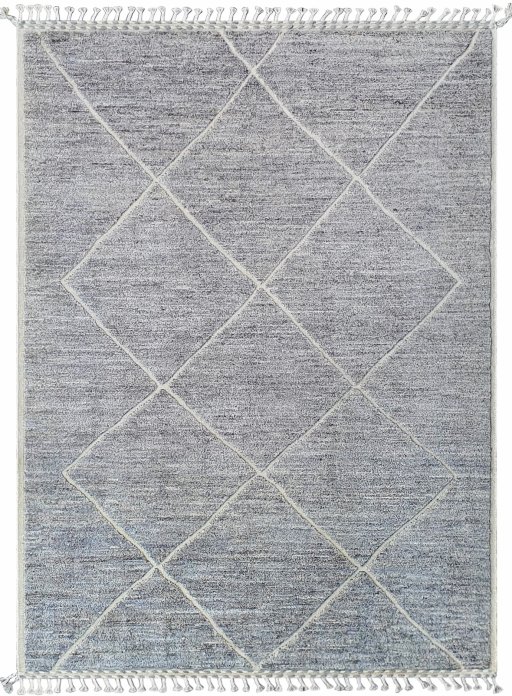
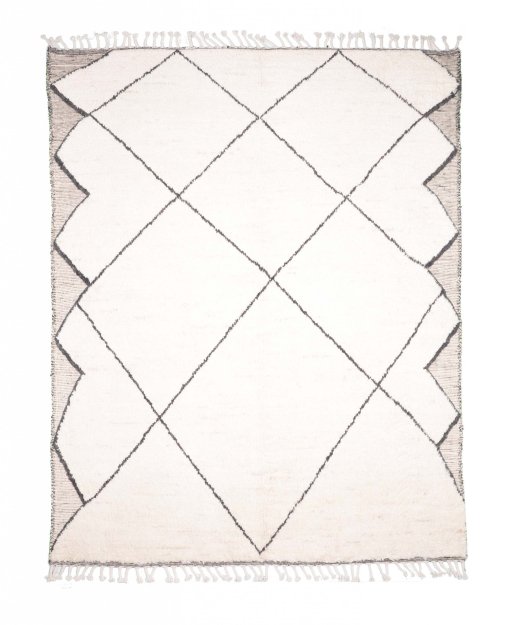
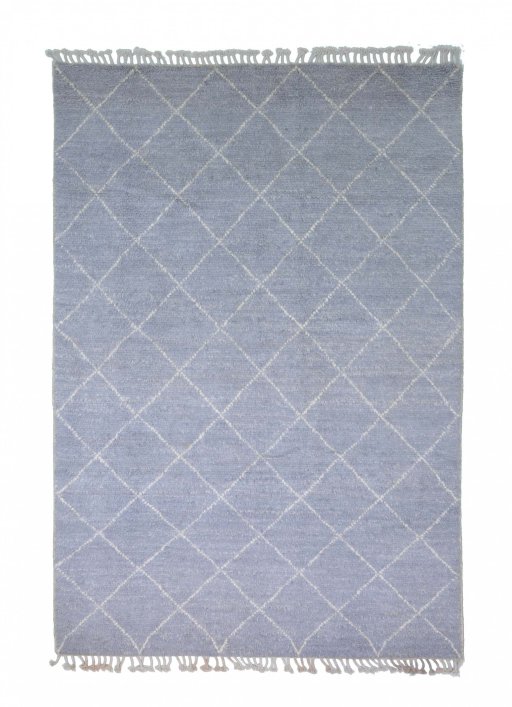
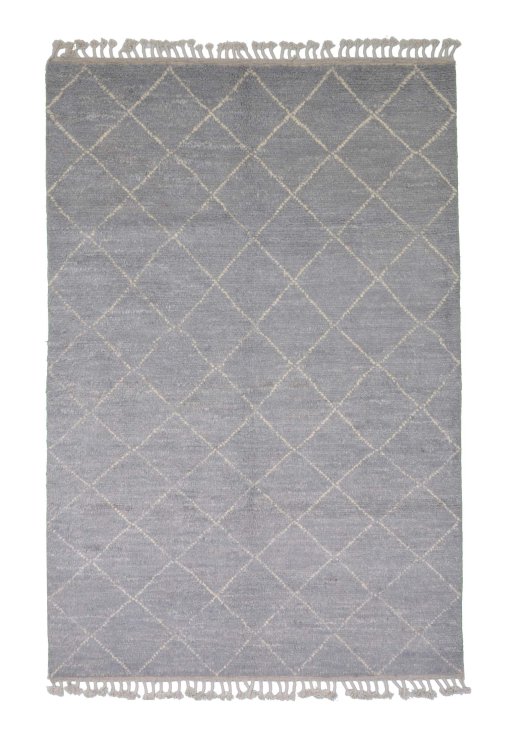
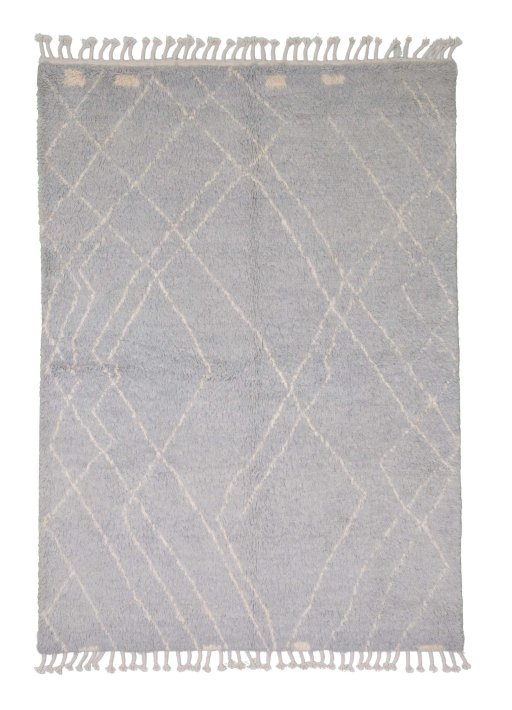
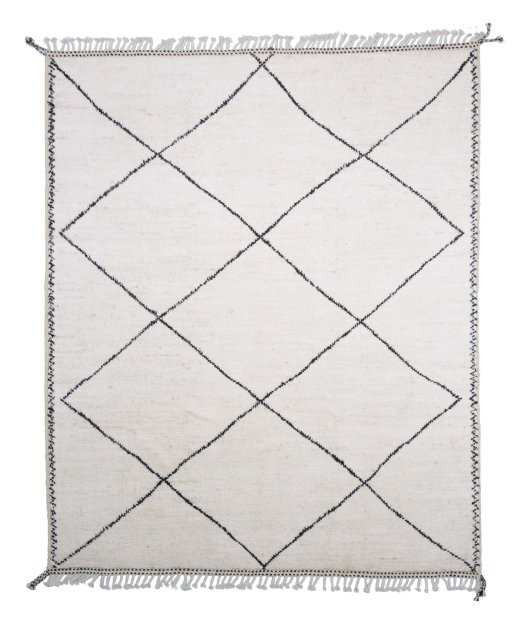
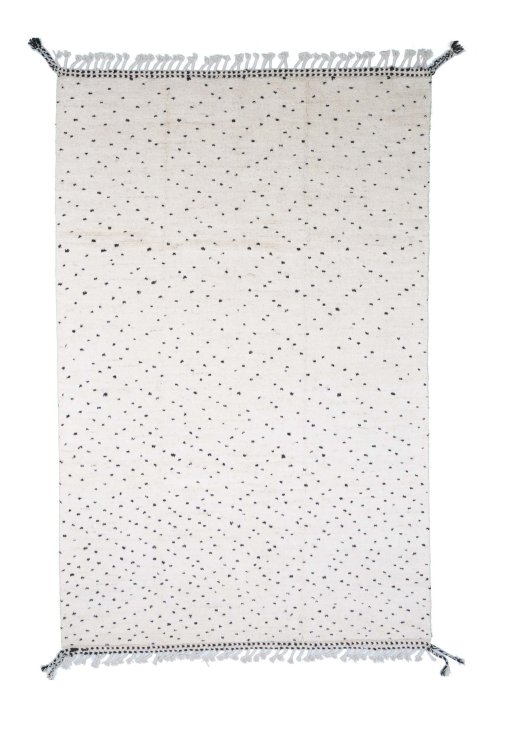
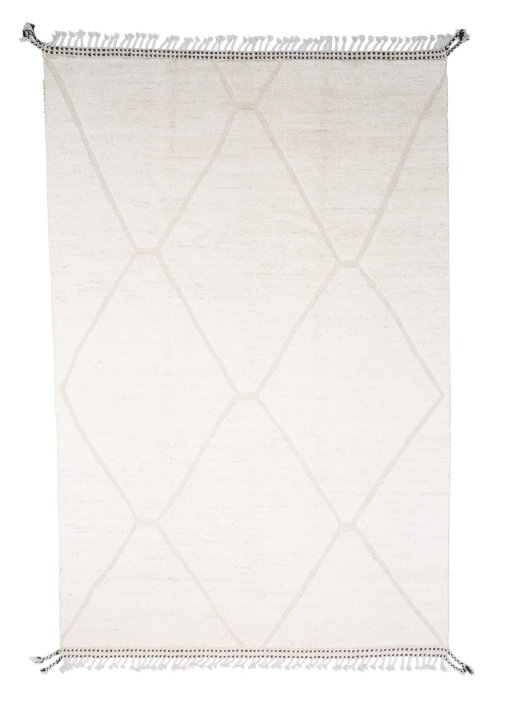
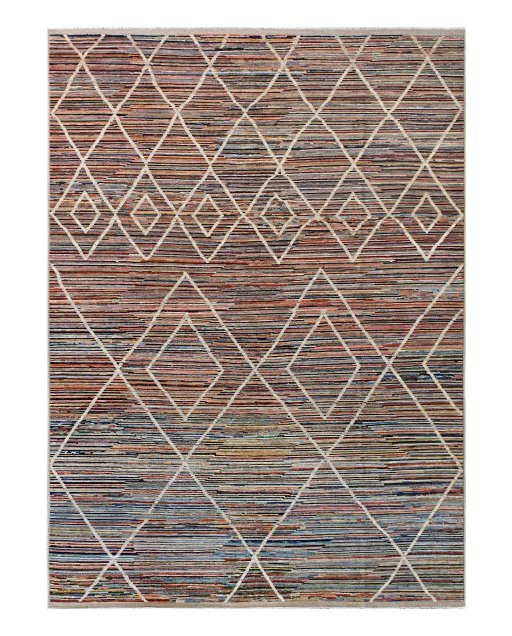
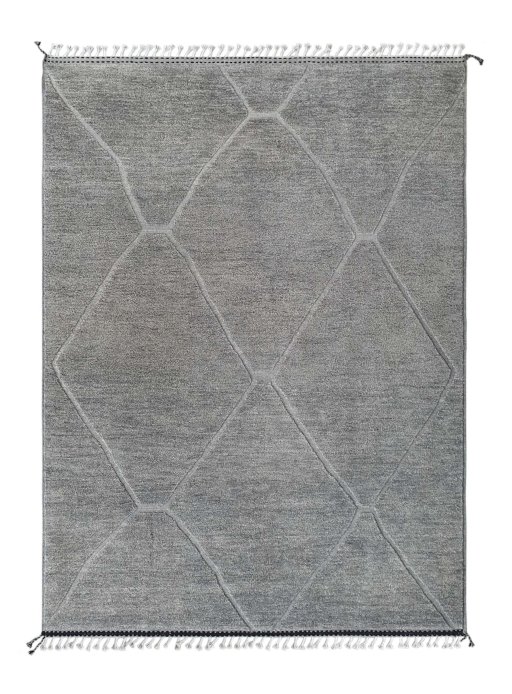
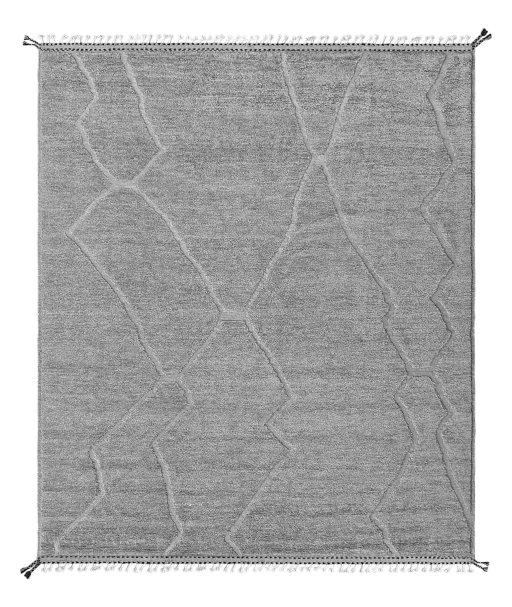
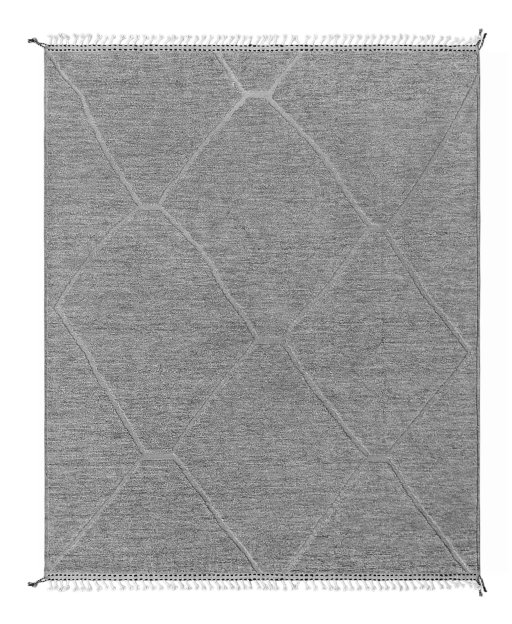
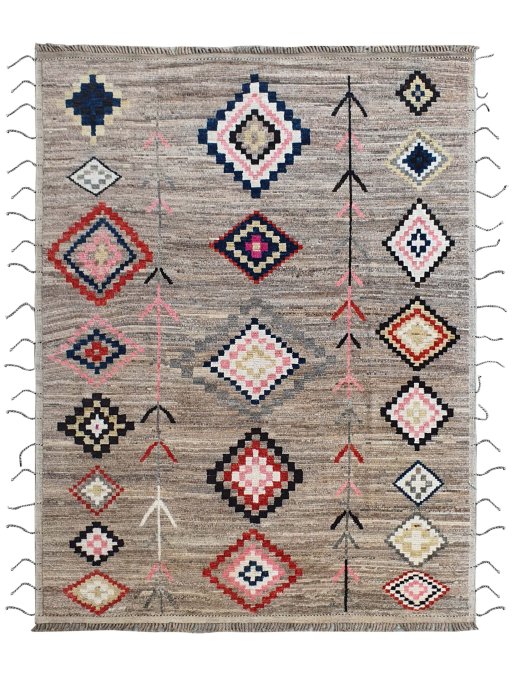
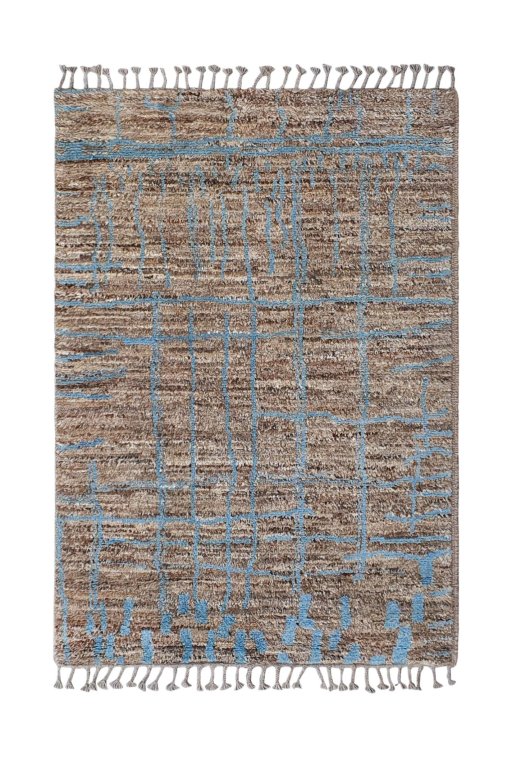
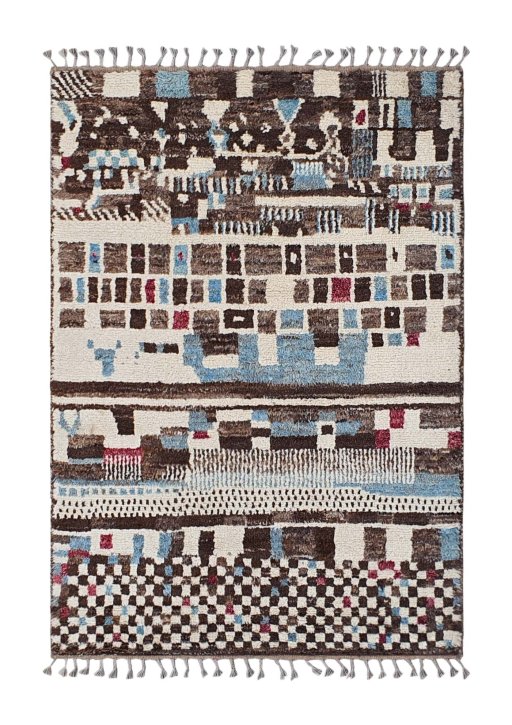
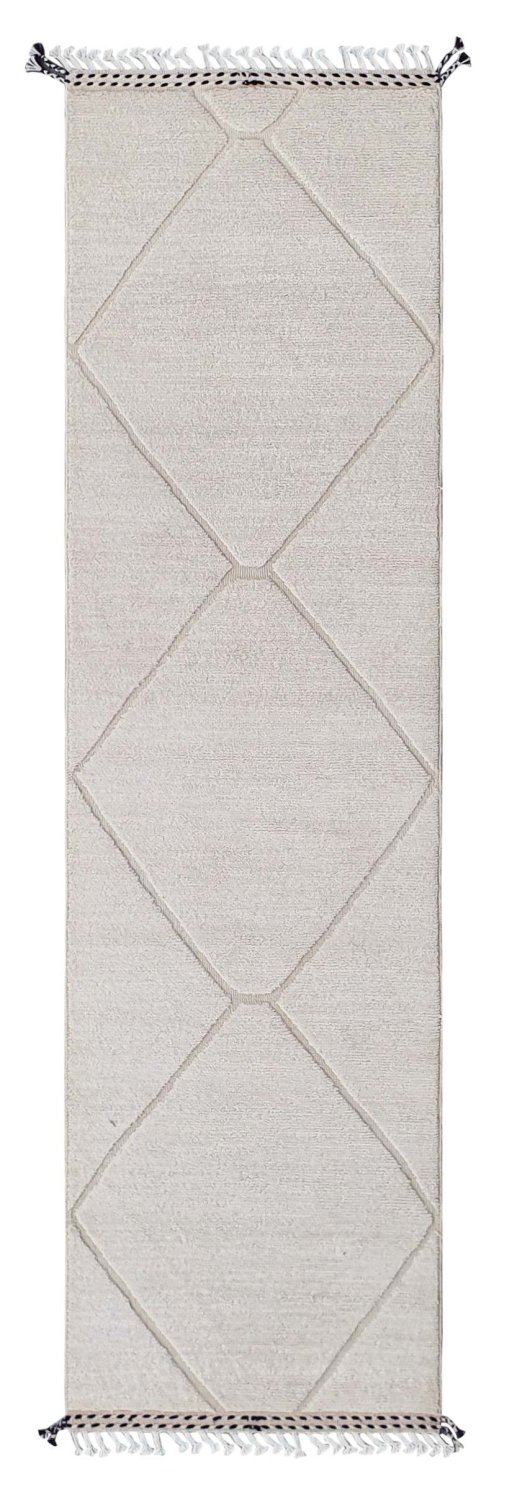
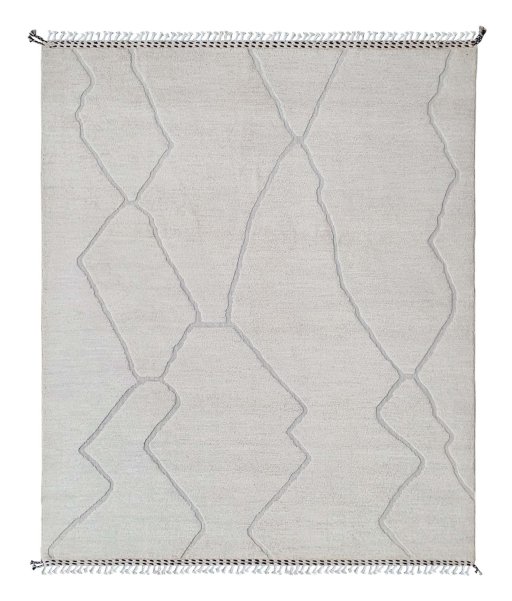
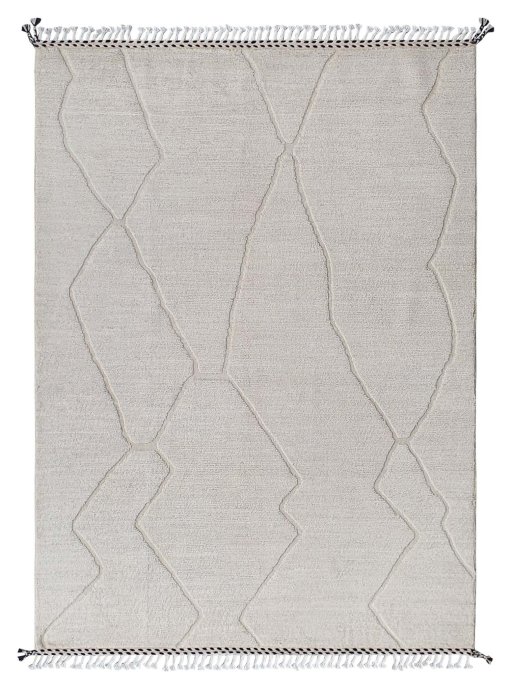
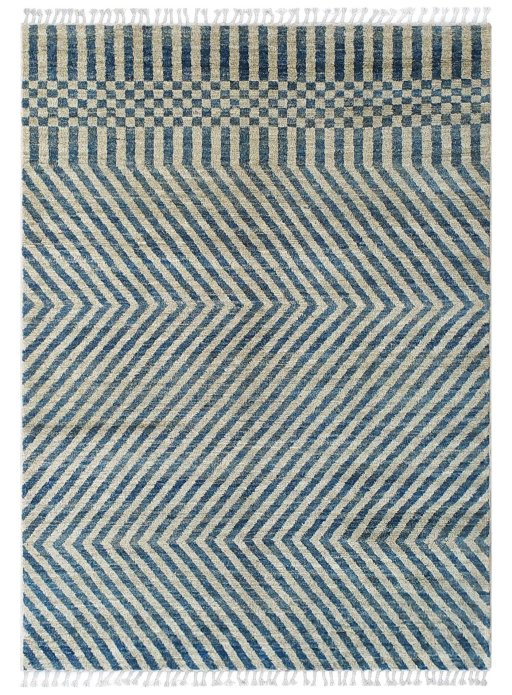
Morocco rugs are known for their simple yet striking design language. Instead of highly detailed floral ornamentation, they typically feature geometric motifs such as diamonds, lines, and abstract symbols. These elements often represent aspects of tribal identity, protection, or natural surroundings.
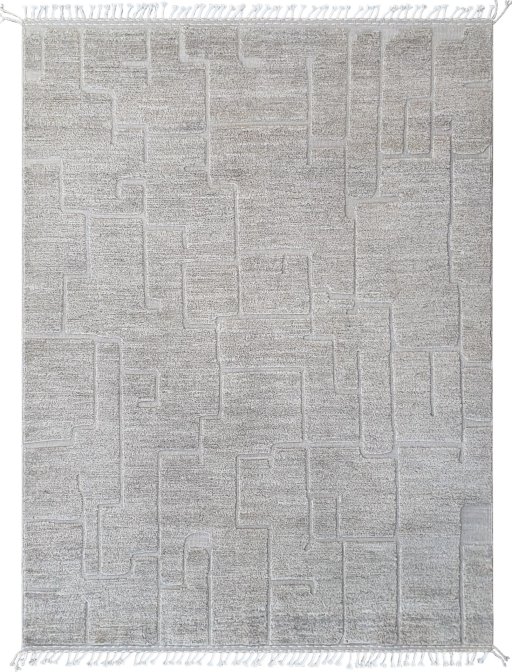
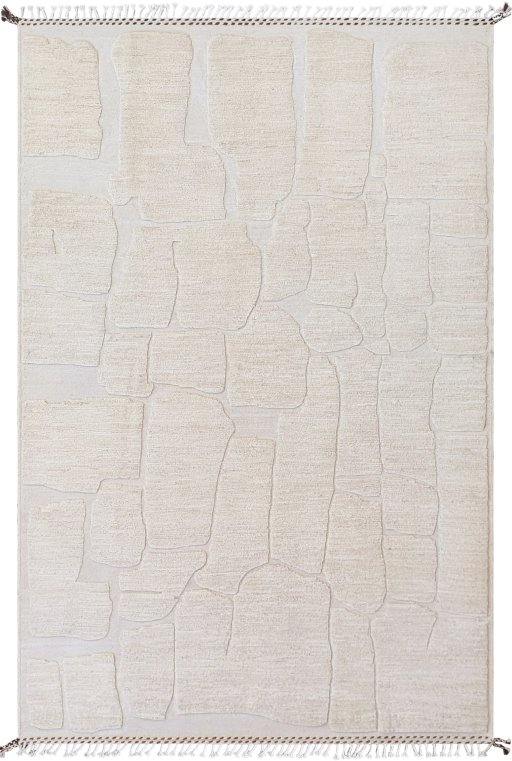
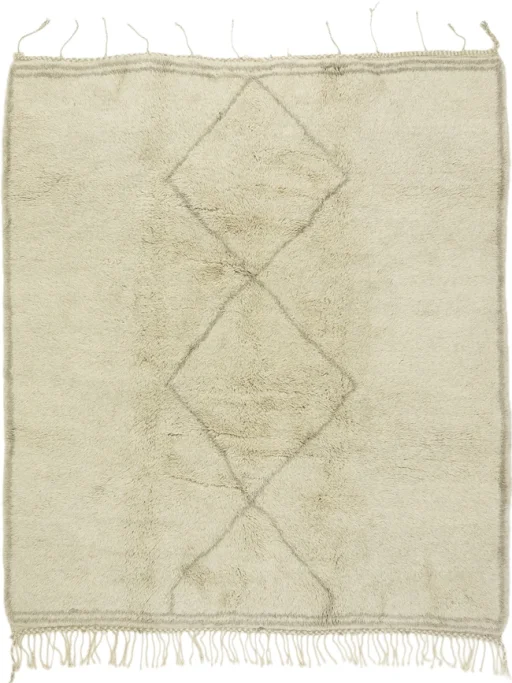
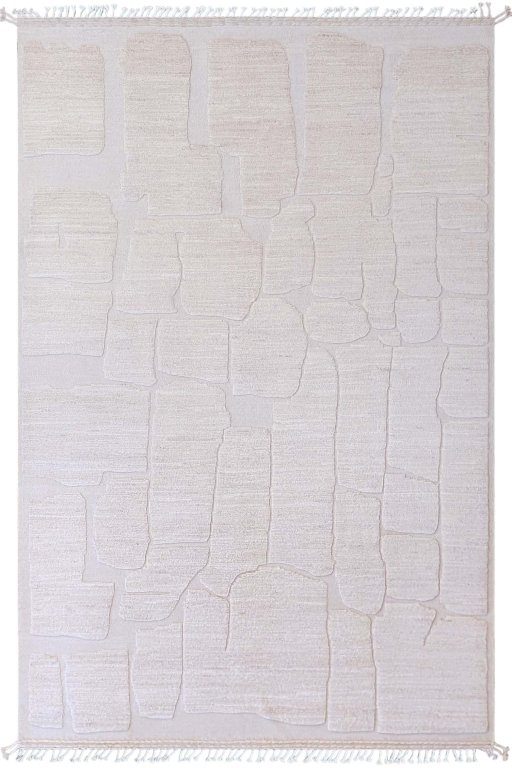
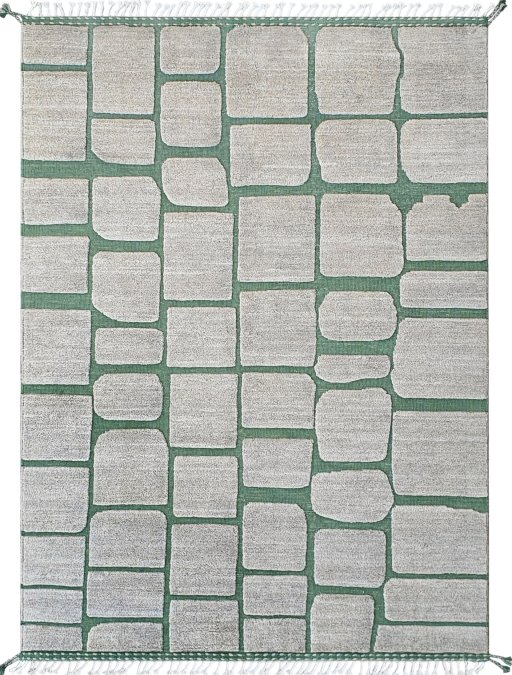
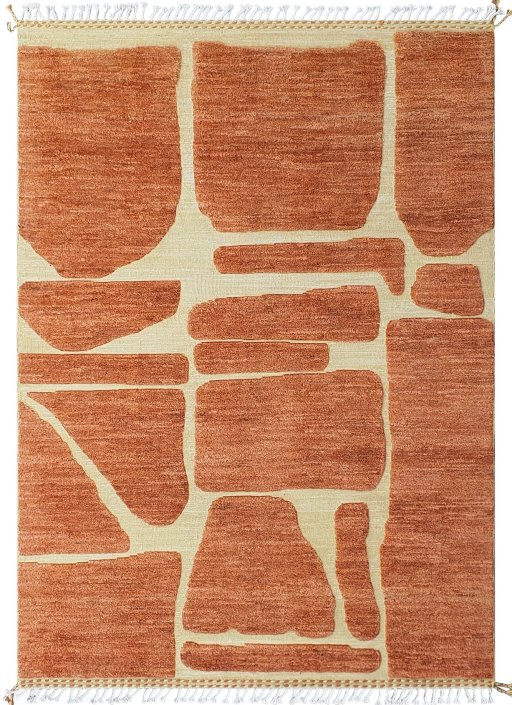
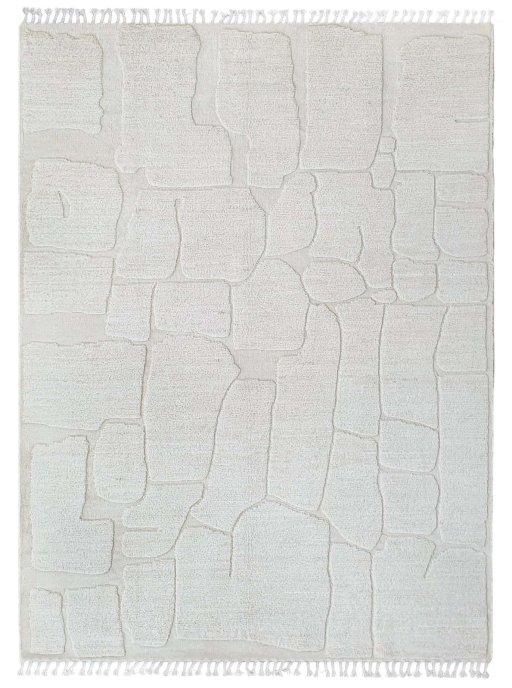
The patterns are usually arranged across an open field, creating a calm and balanced appearance. This minimalist composition allows Moroccan rugs to function both as decorative accents and as subtle design elements within a room.
03
Natural Wool and Materials
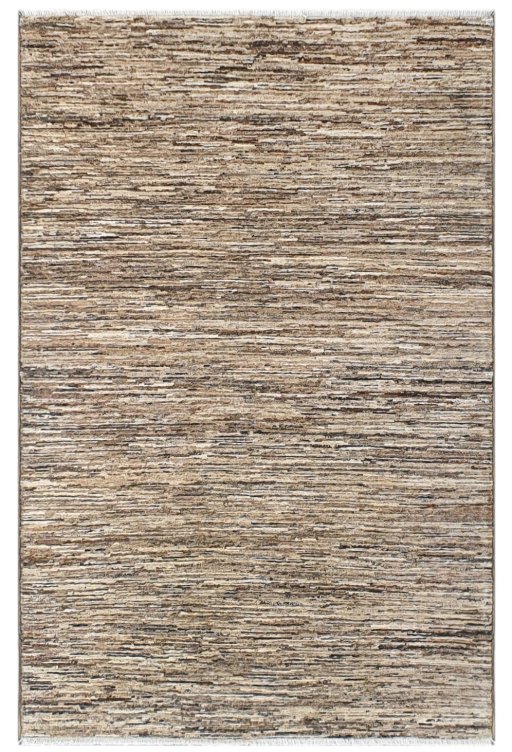
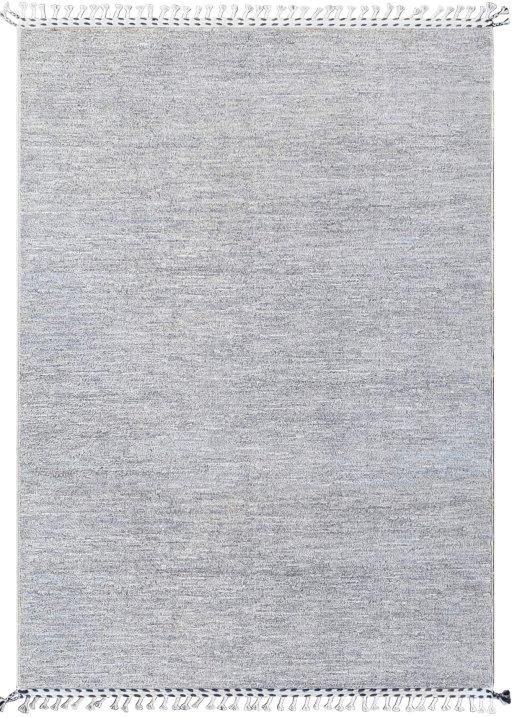
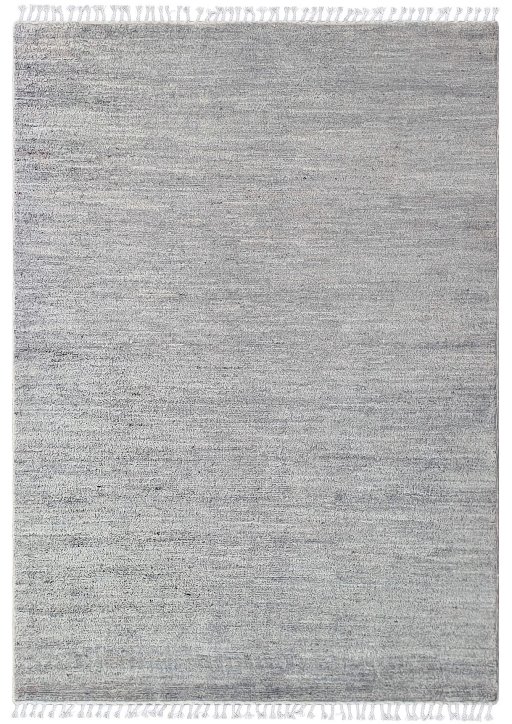
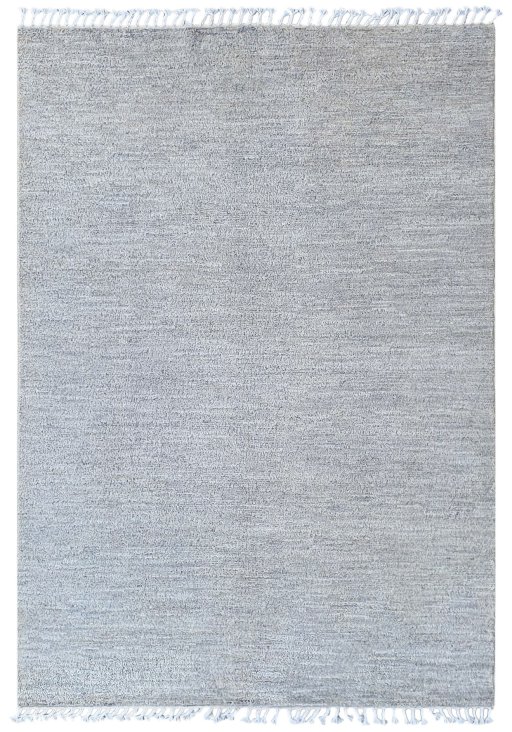
Traditional Moroccan rugs are made from high-quality sheep wool that is hand-spun and naturally durable. The wool often contains natural lanolin, giving the rugs a soft feel while also making them resistant to wear and dirt.
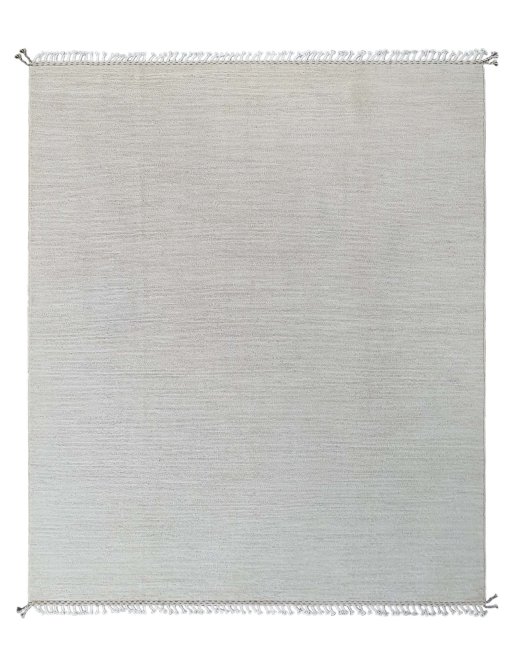
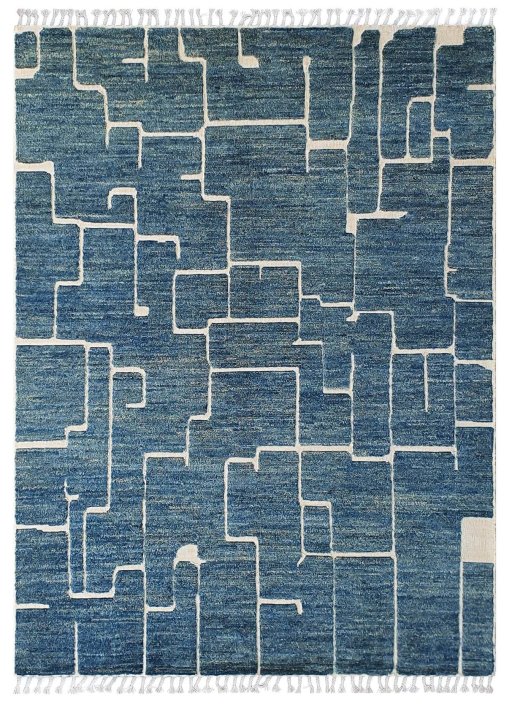
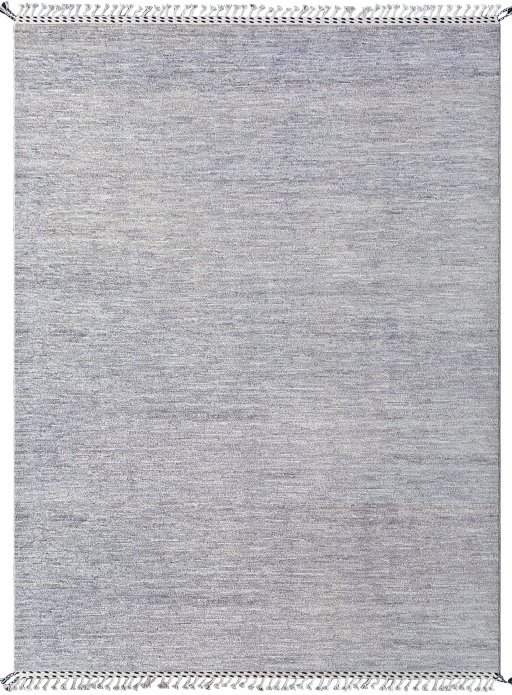
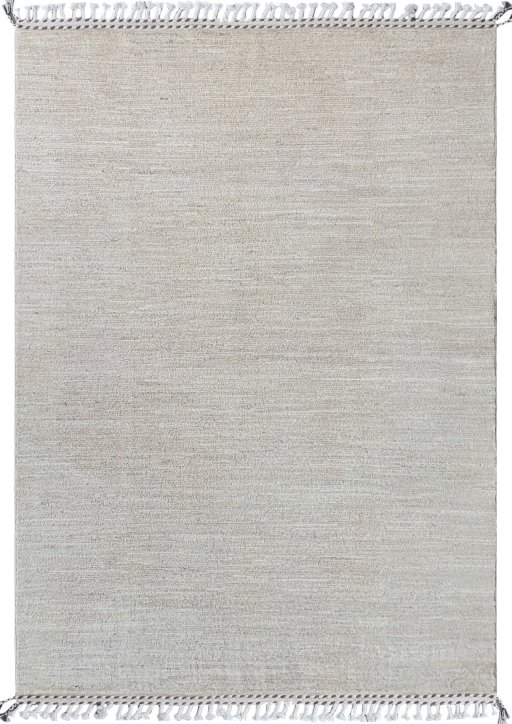
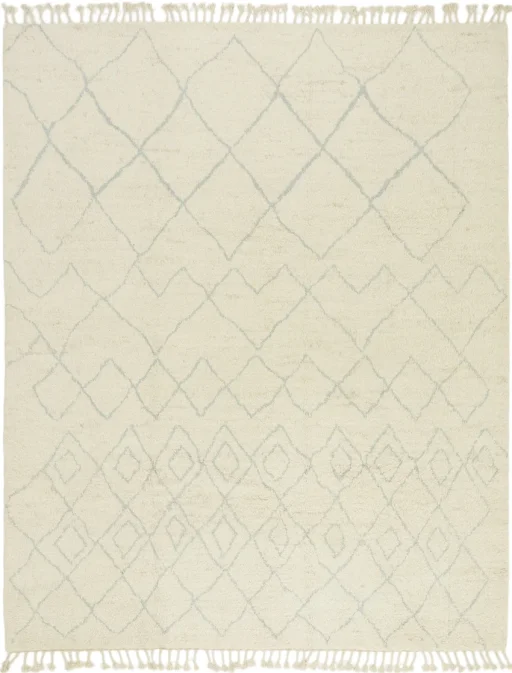
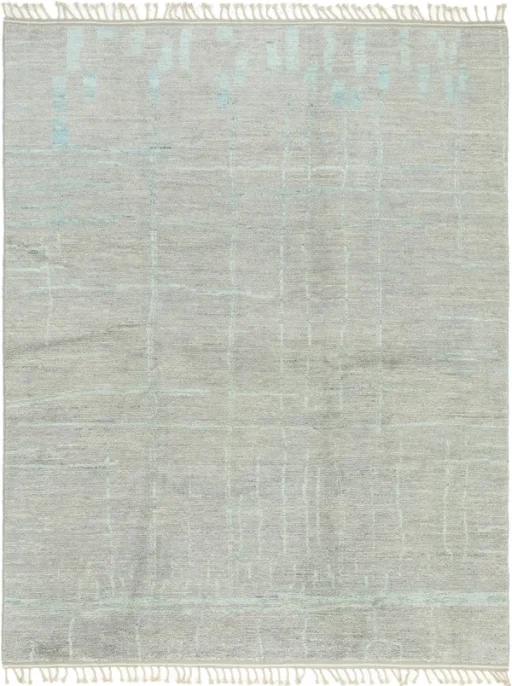
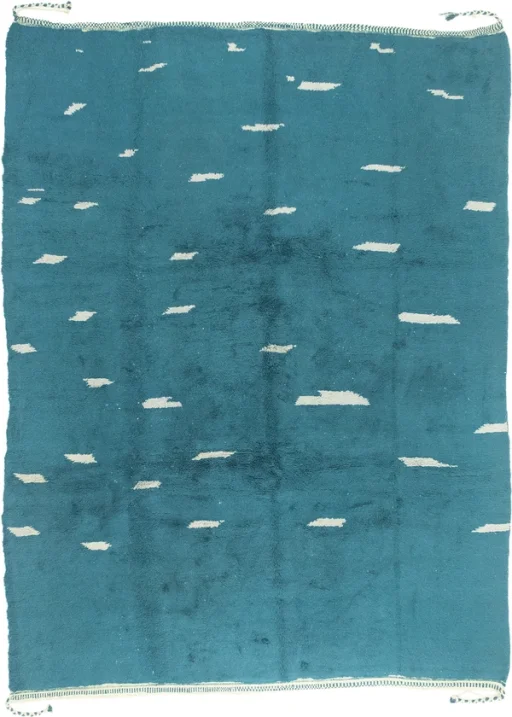
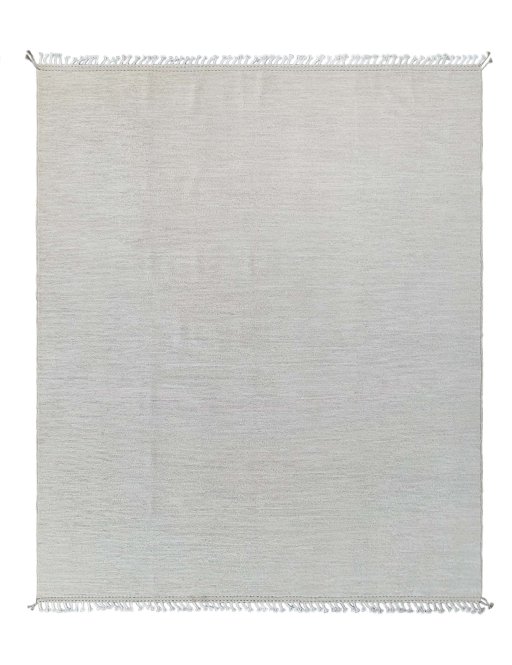
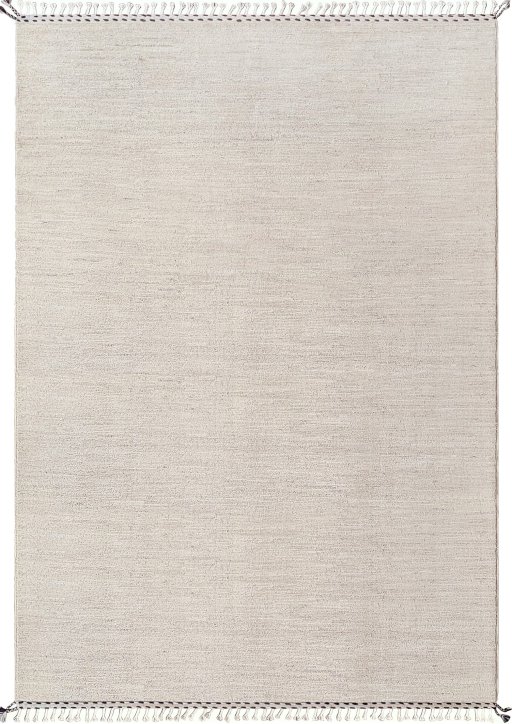
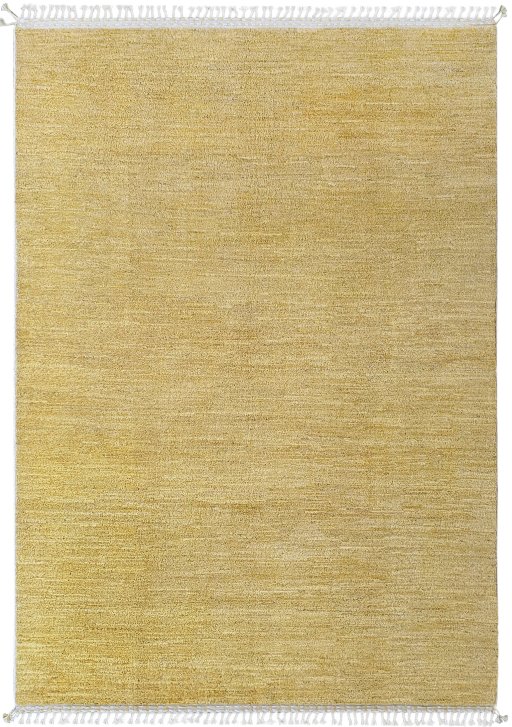
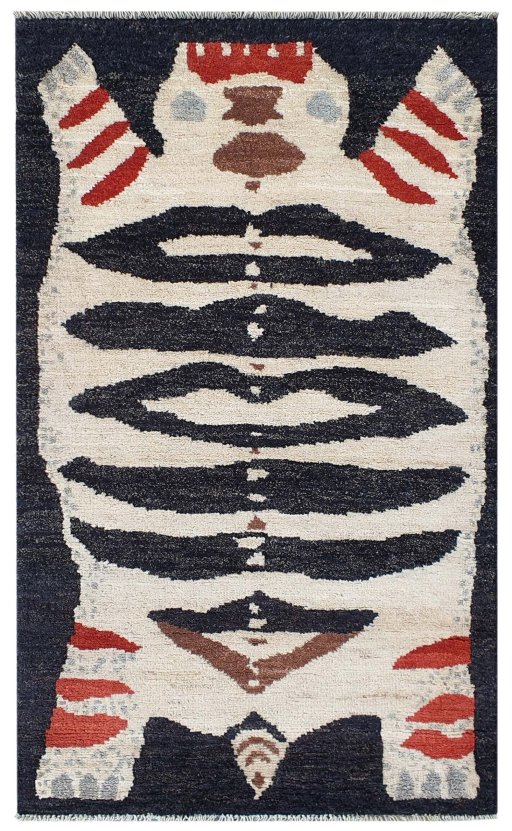
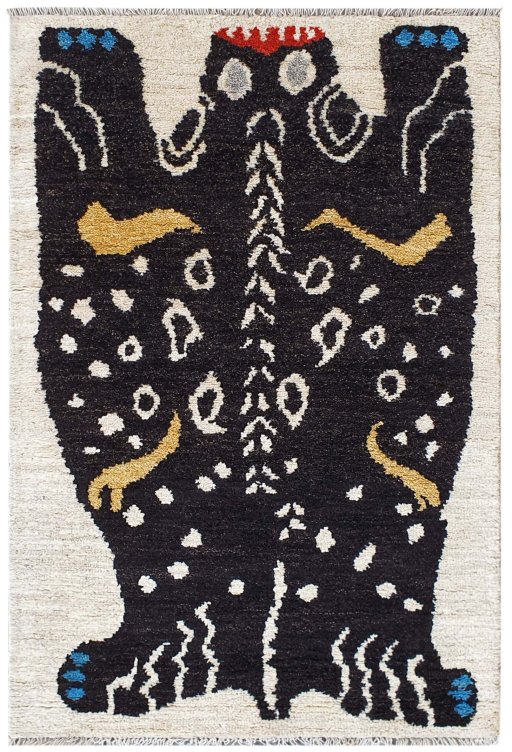
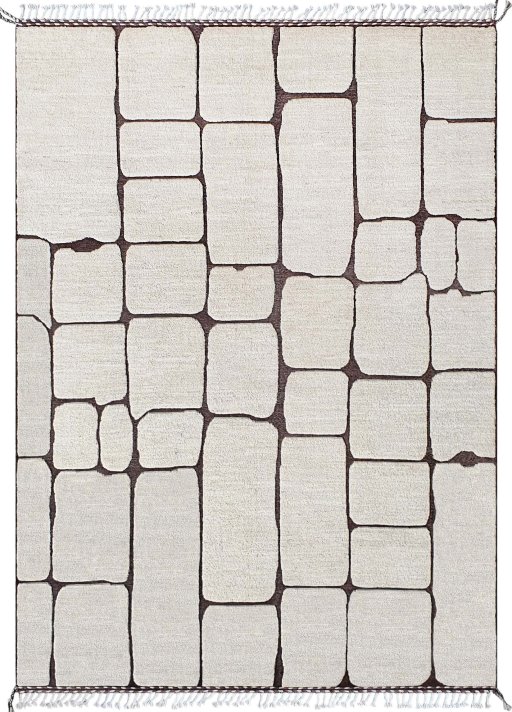
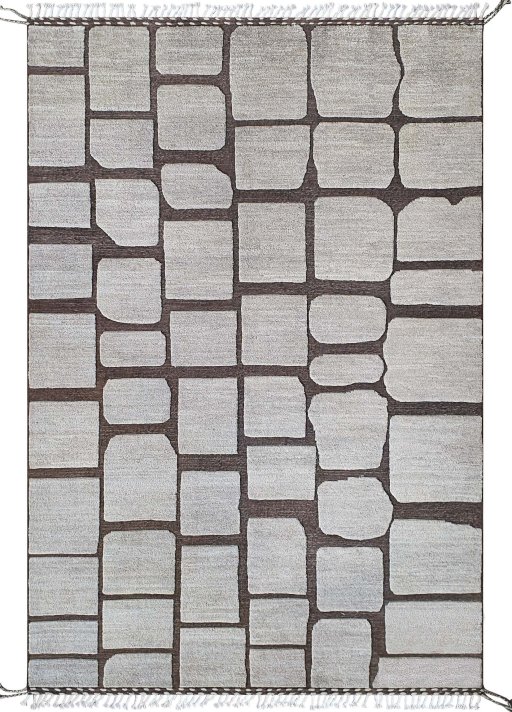
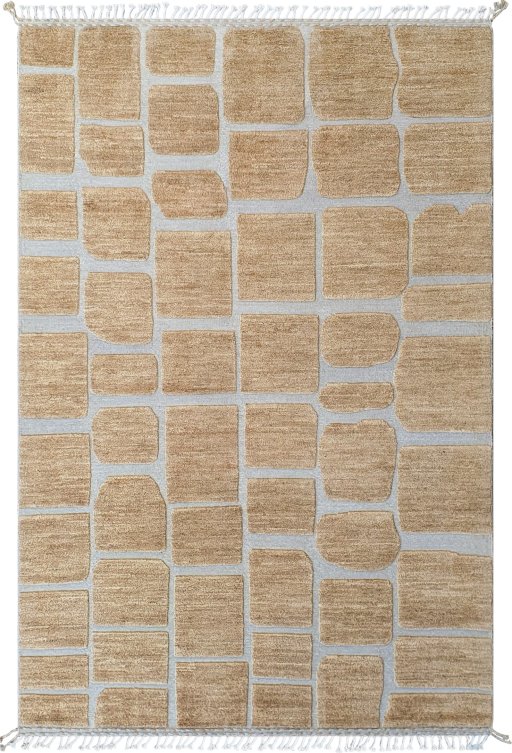
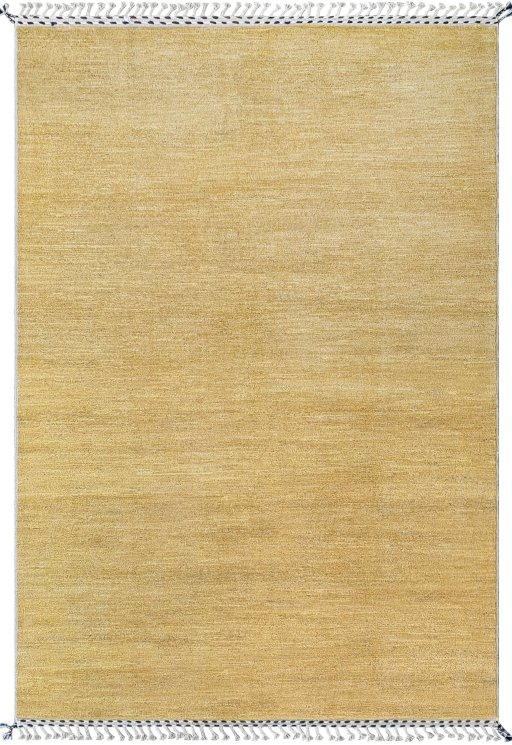
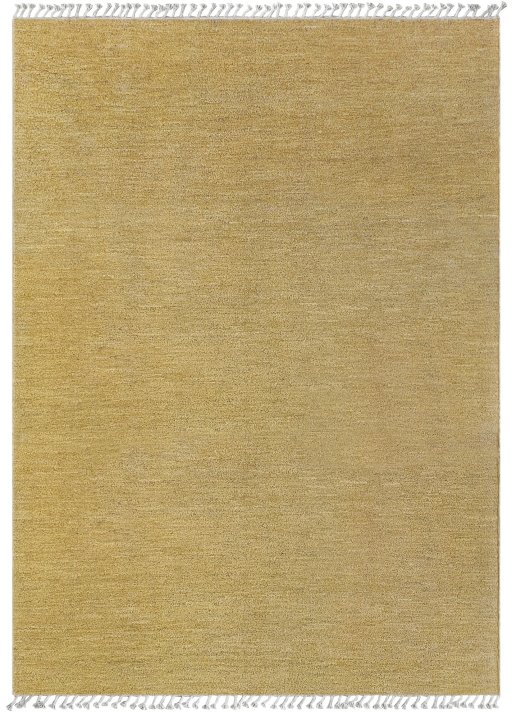
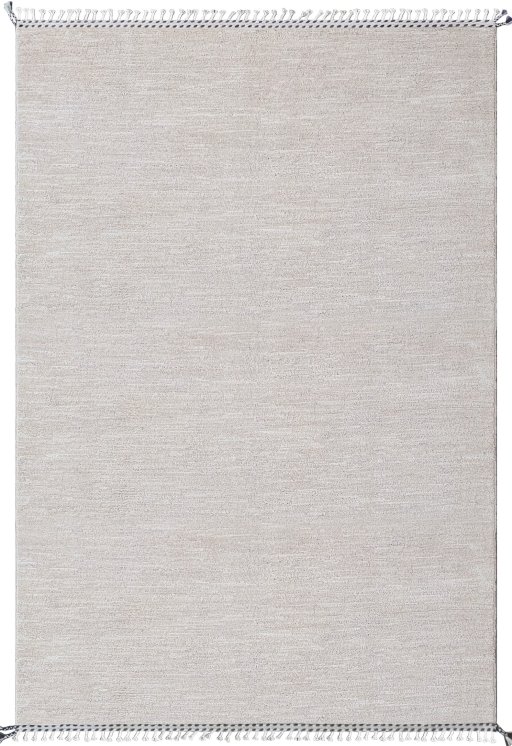
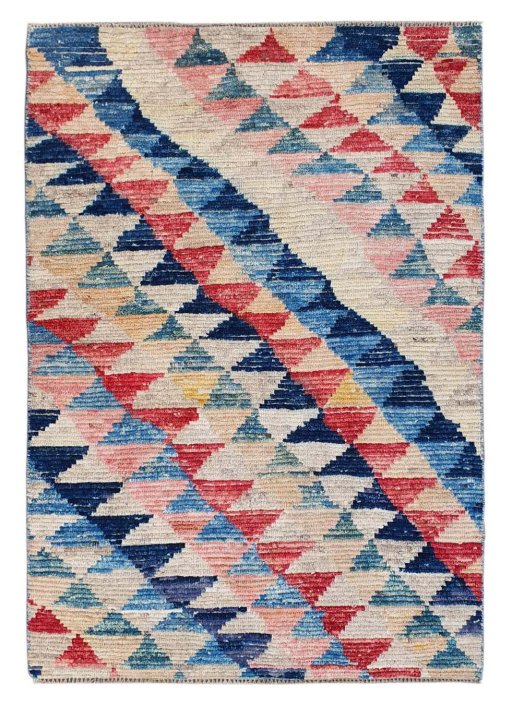
Many Moroccan rugs are woven using natural or undyed wool tones such as ivory, beige, and cream, sometimes combined with darker geometric accents. In some variations, subtle color highlights created with natural dyes add additional depth to the design.
04
Structure and Craftsmanship
Morocco rugs are typically handwoven rather than finely knotted, which gives them a thicker pile and a soft, comfortable texture. The weaving process emphasizes durability and warmth rather than extremely detailed ornamentation.
This structure results in carpets that feel plush underfoot while remaining robust enough for everyday living spaces. Their relaxed surface texture contributes to the distinctive character that Moroccan rugs are known for.
05
Morocco Rugs in Interior Design
Because of their minimalist patterns and natural materials, Morocco rugs work exceptionally well in contemporary interiors. In modern spaces they add warmth and texture, balancing minimalist architecture and neutral color schemes.
They also complement Scandinavian, bohemian, and natural interior styles, where organic materials and soft textures play an important role. Even in more traditional settings, Moroccan rugs can introduce a relaxed and authentic design element.
06
Morocco Rugs at Rugbloom
Rugbloom carefully selects Morocco rugs according to clear quality standards. Authentic craftsmanship, high-quality wool, balanced color tones, and durable weaving techniques are essential criteria.
A Morocco rug from Rugbloom combines traditional Berber weaving heritage with modern interior aesthetics. Customers also benefit from free shipping and returns as well as a 30-day return policy.
Discover Morocco rugs that unite authentic craftsmanship, natural materials, and timeless design.