INTRO
Geometric Nomadic Art from Northeastern Iran
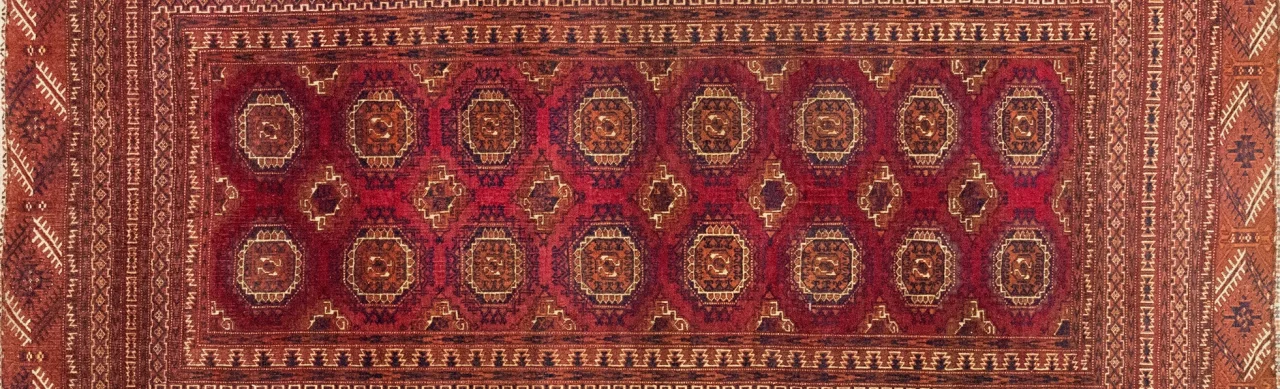
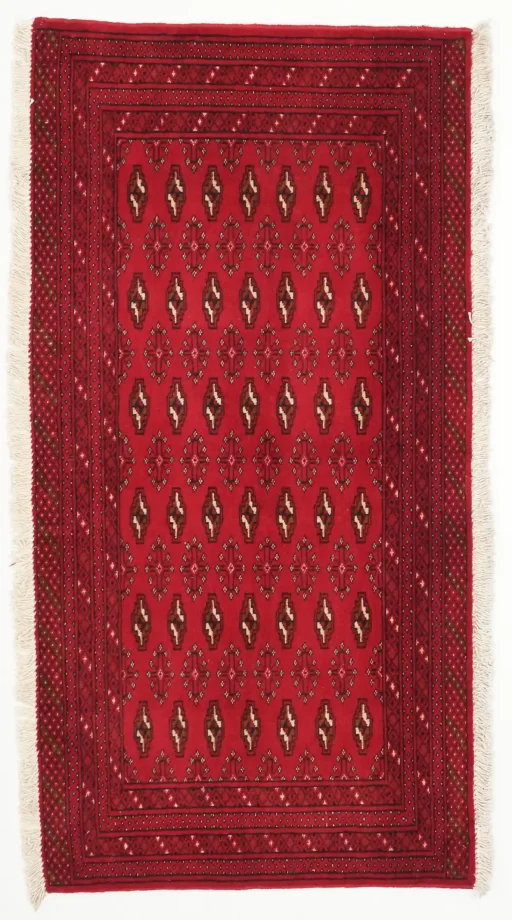
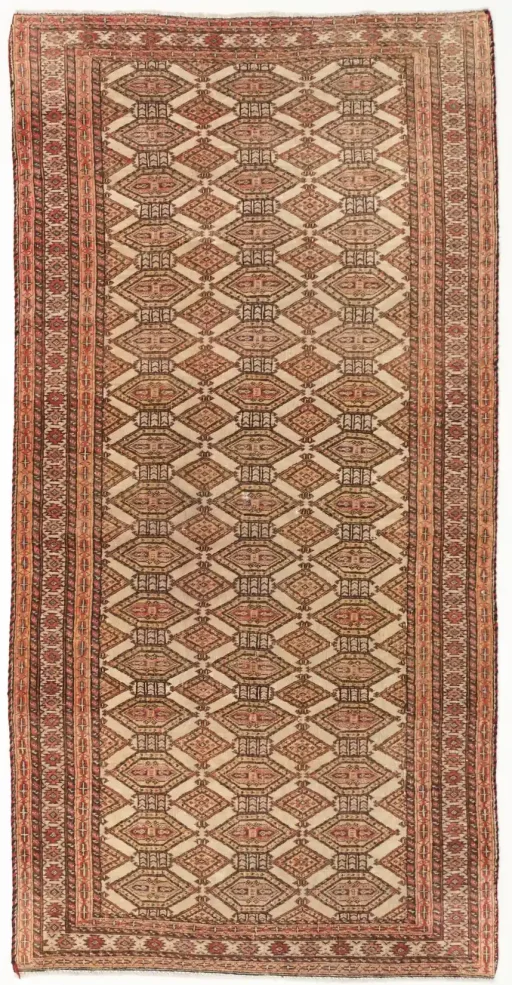
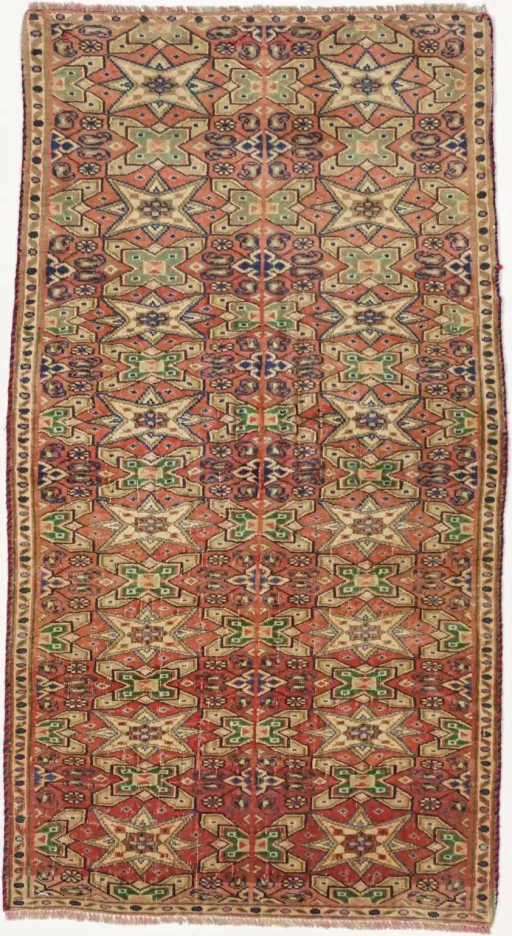
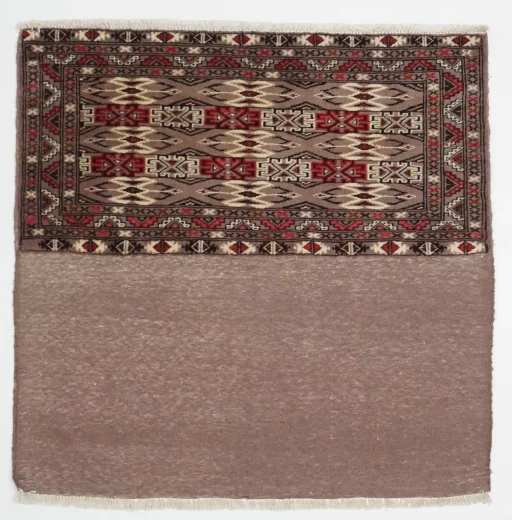
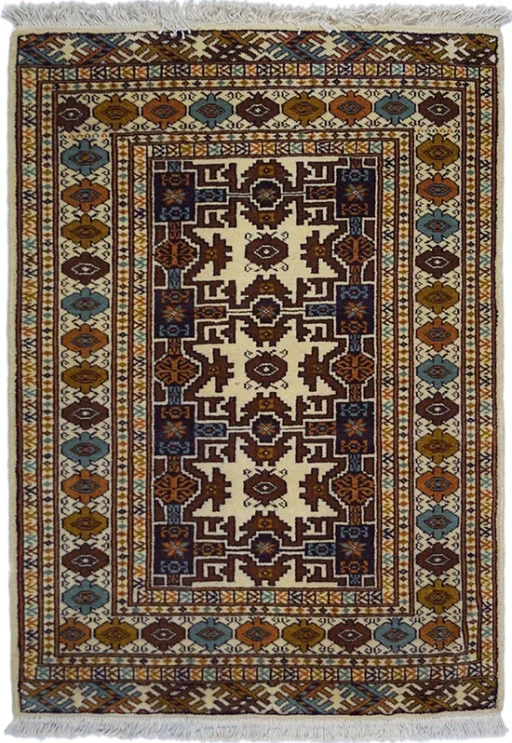
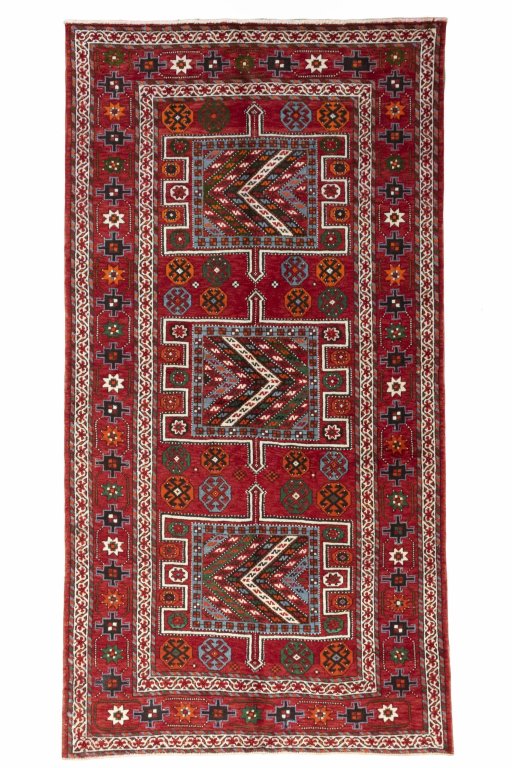
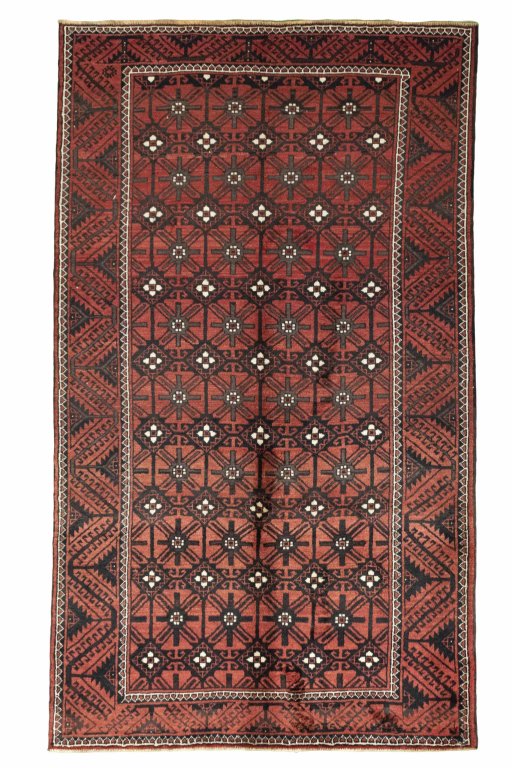
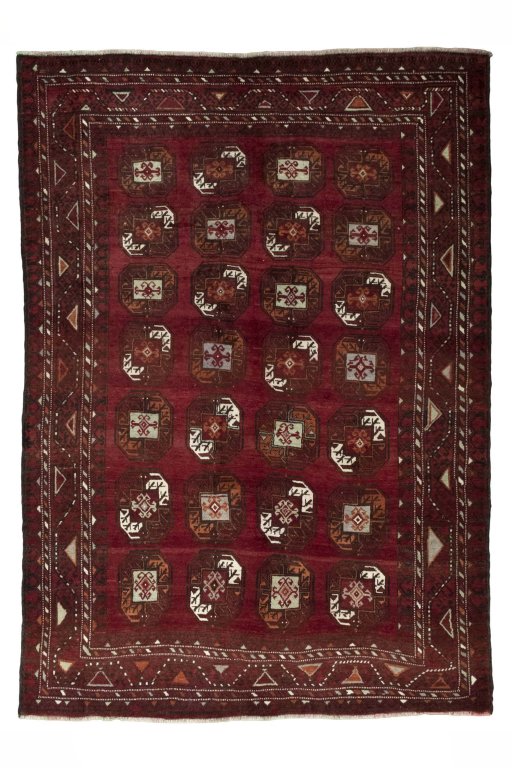
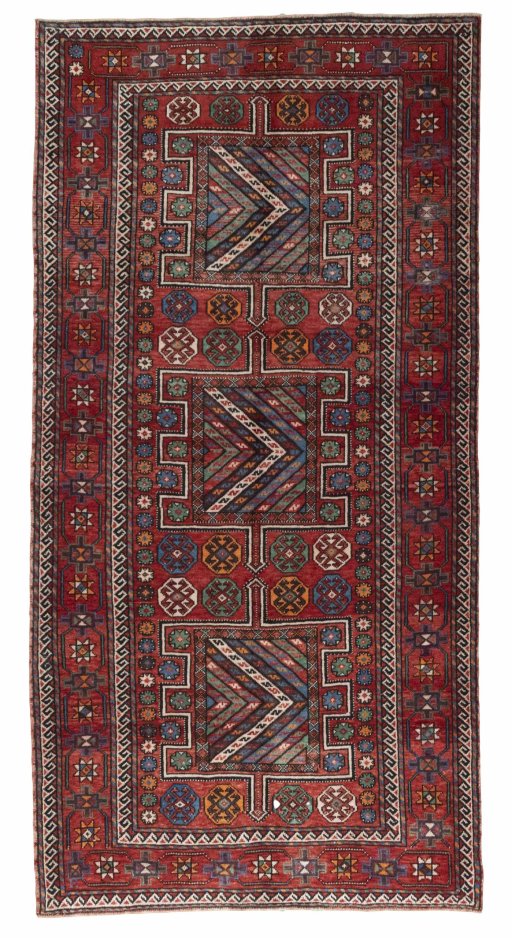
Recognized for their deep red fields, repeating Gul motifs, and strong geometric structure, Torkaman rugs represent authentic Persian nomadic craftsmanship. Their compact weave, high-quality wool, and symbolic ornamentation create rugs that are both culturally significant and visually powerful.
01
Origin and Tribal Identity
The term “Torkaman” refers to the Turkmen communities living in Iran. Unlike urban Persian rugs known for intricate floral patterns, Torkaman rugs follow a strictly geometric and symbolic design language.
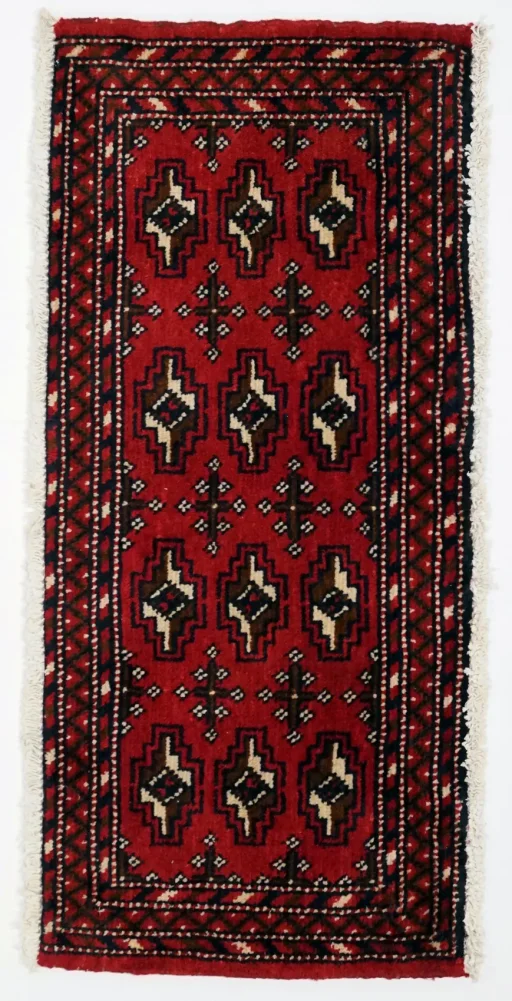
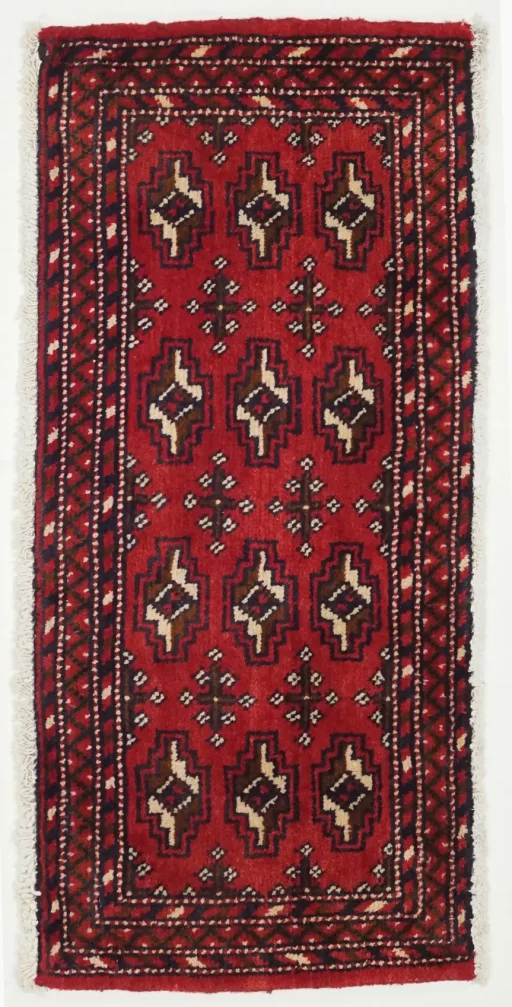
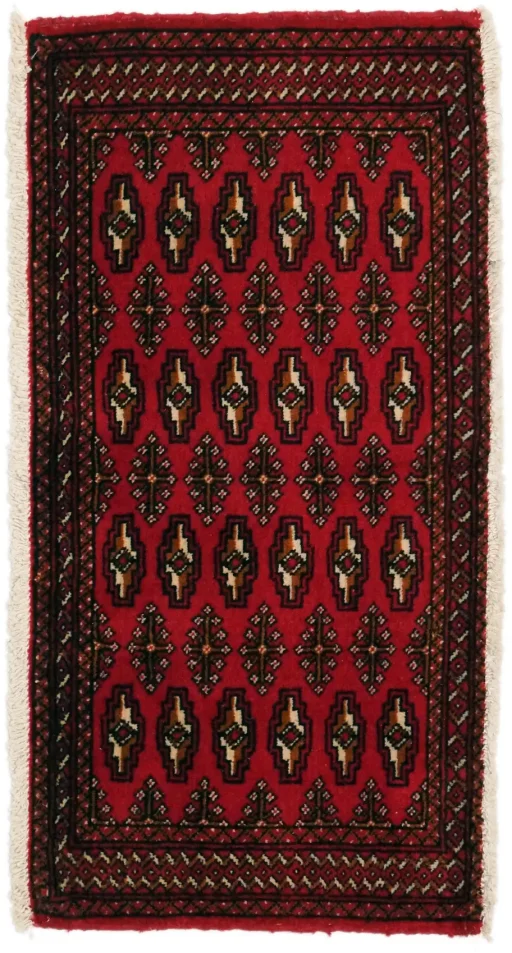
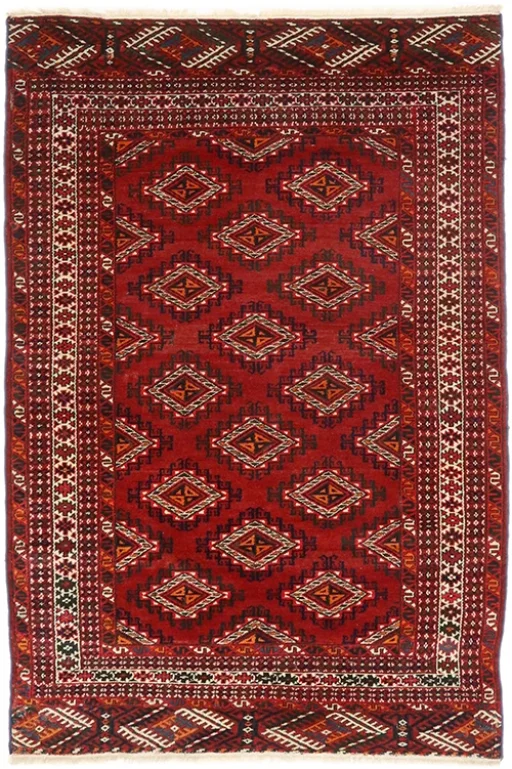
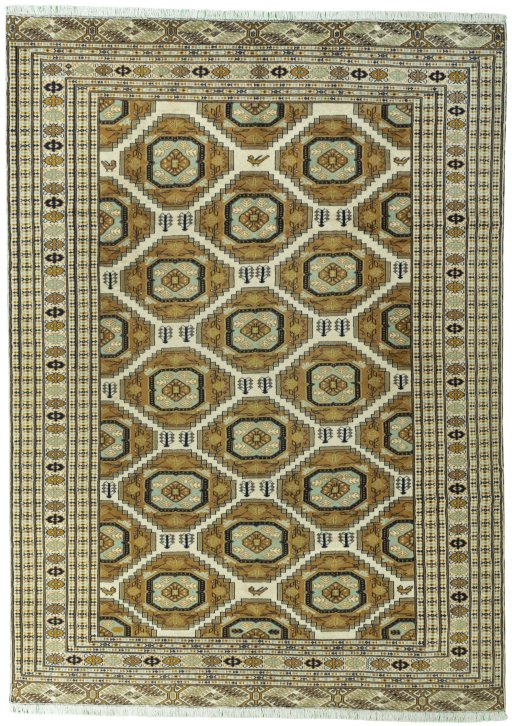
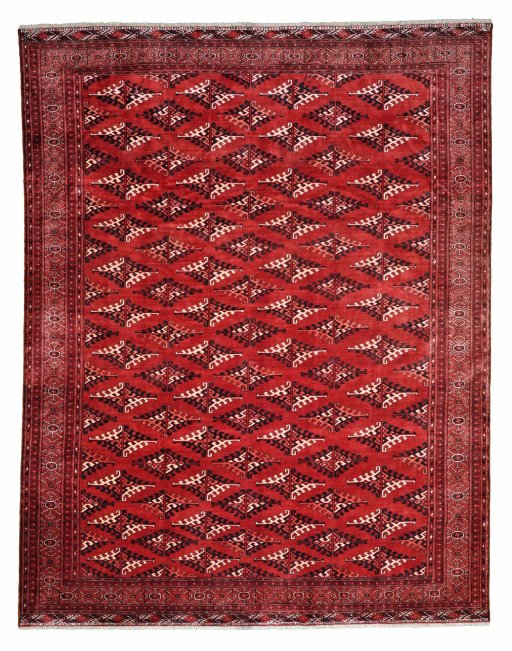
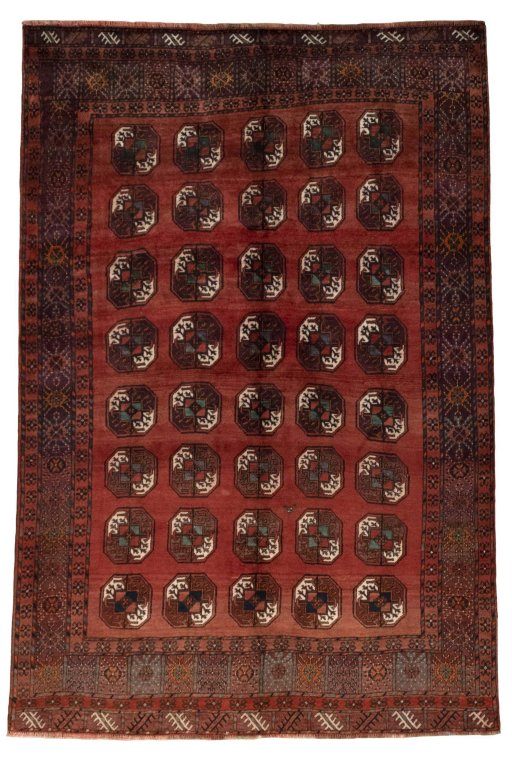
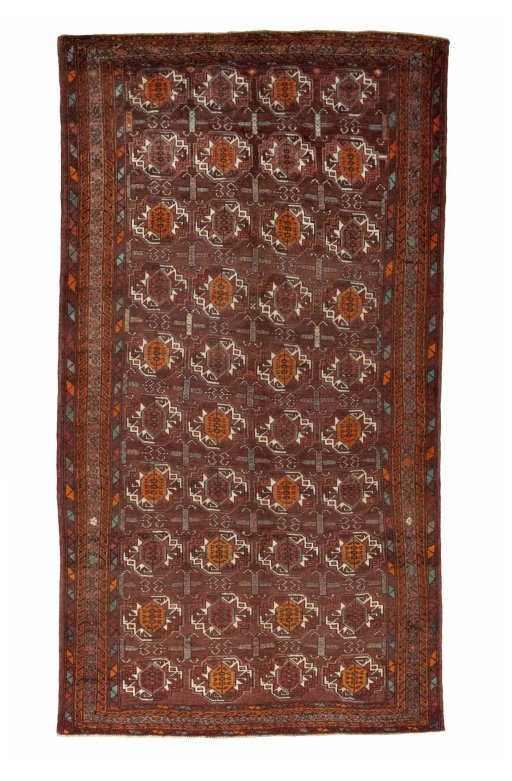
The repeating Gul motif serves as a tribal emblem, representing identity, lineage, and protection. Different Turkmen groups such as Tekke or Yomud developed their own distinctive variations of these motifs. This tribal symbolism gives each Torkaman rug a strong cultural presence and unmistakable visual identity.
02
Design Characteristics and Gul Motifs
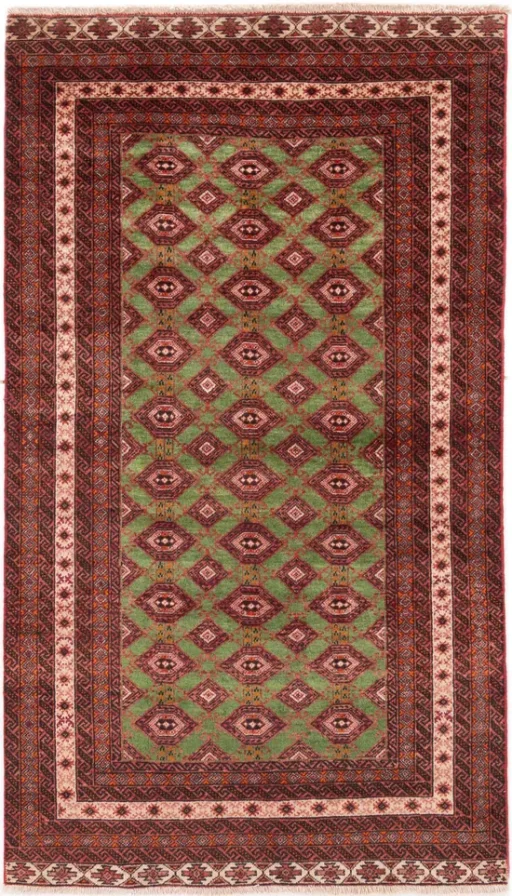
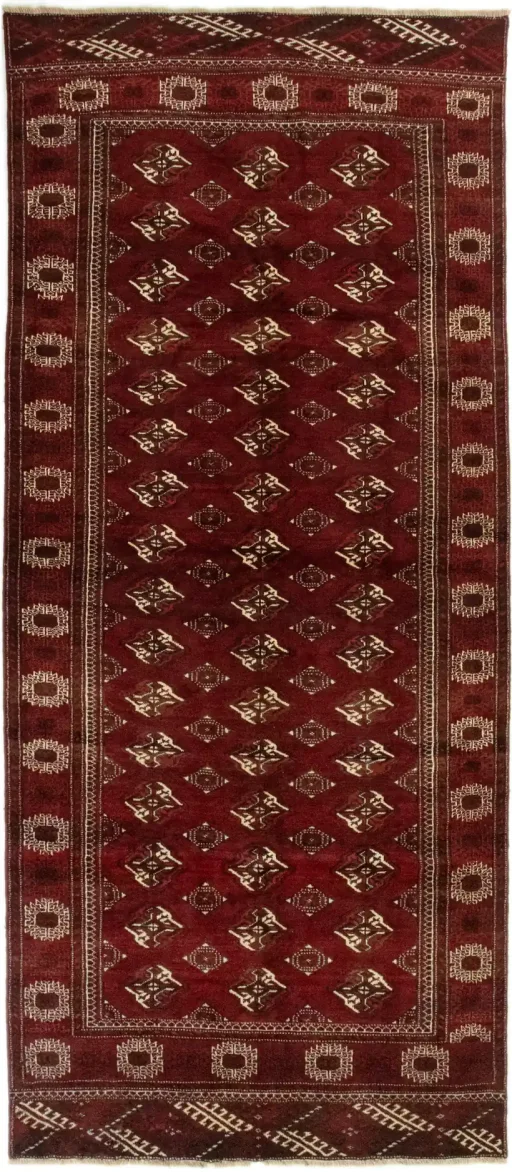
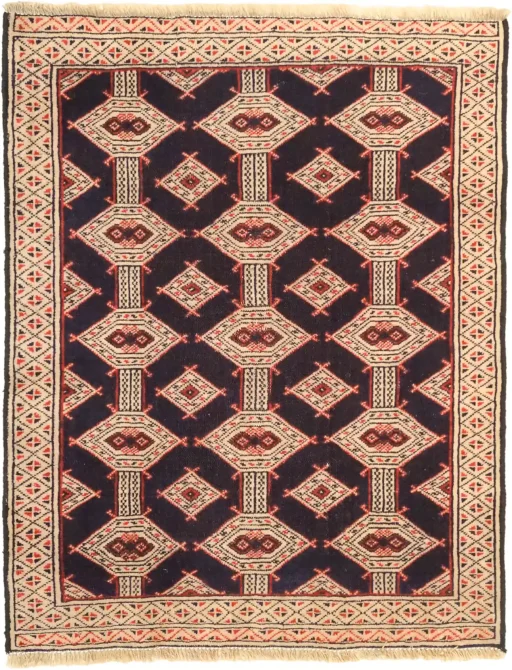
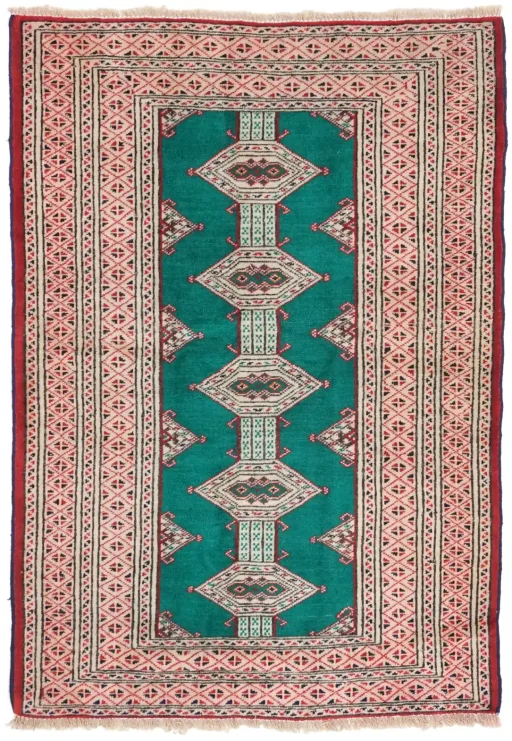
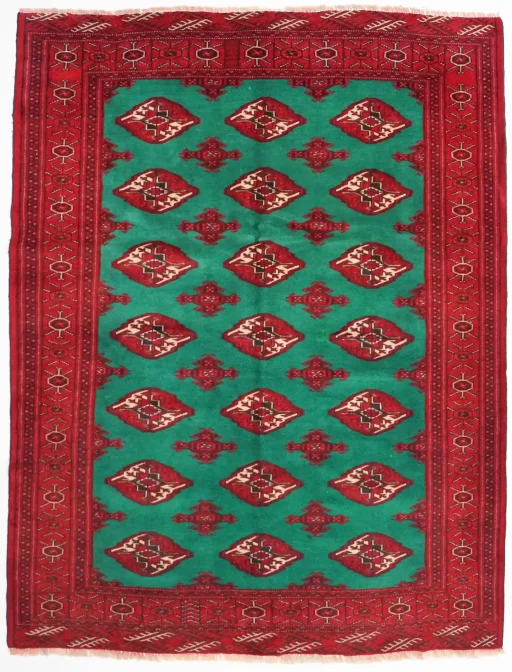
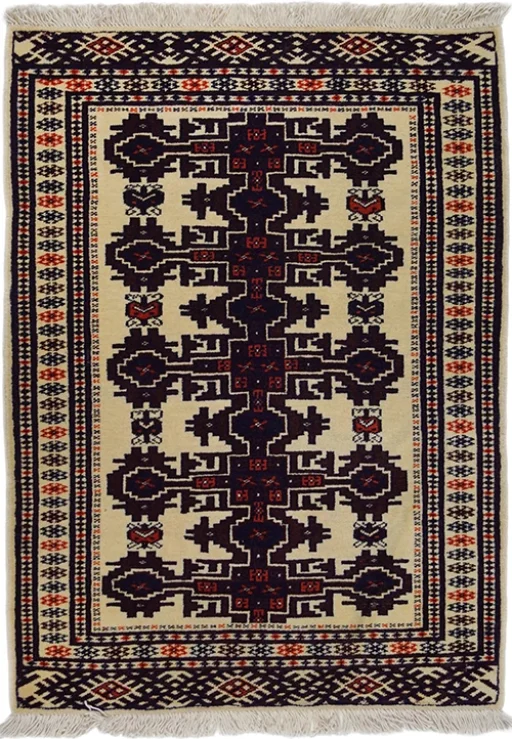
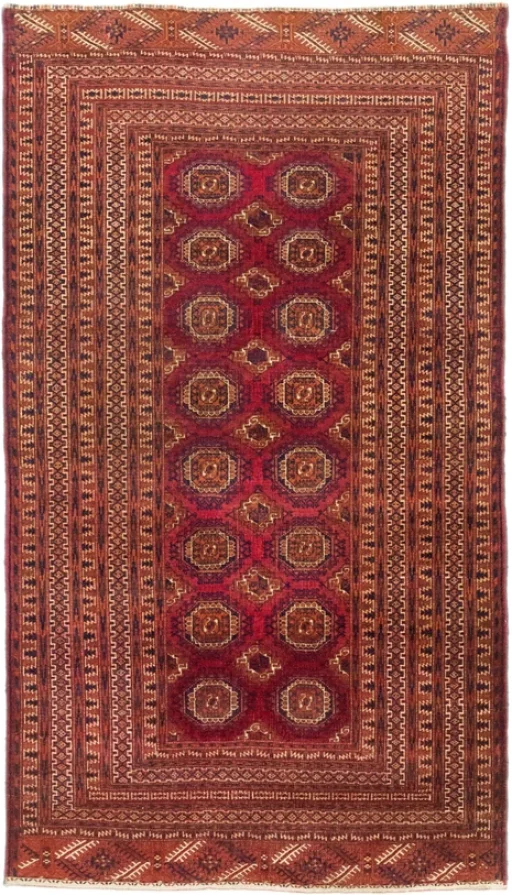
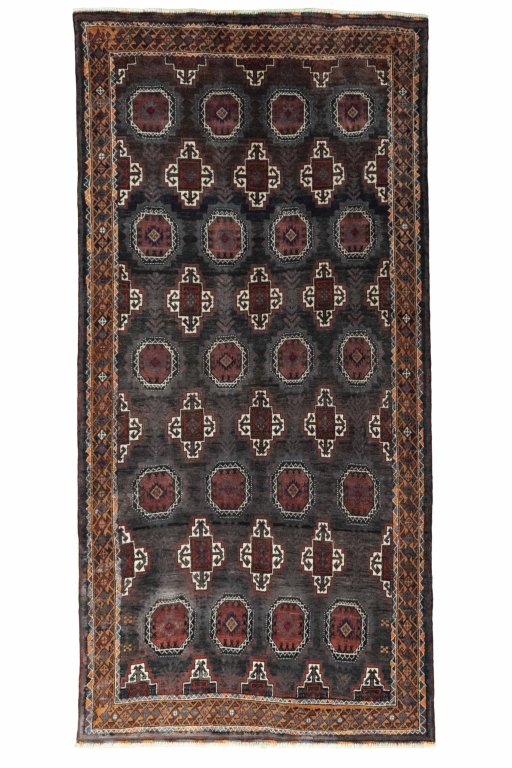
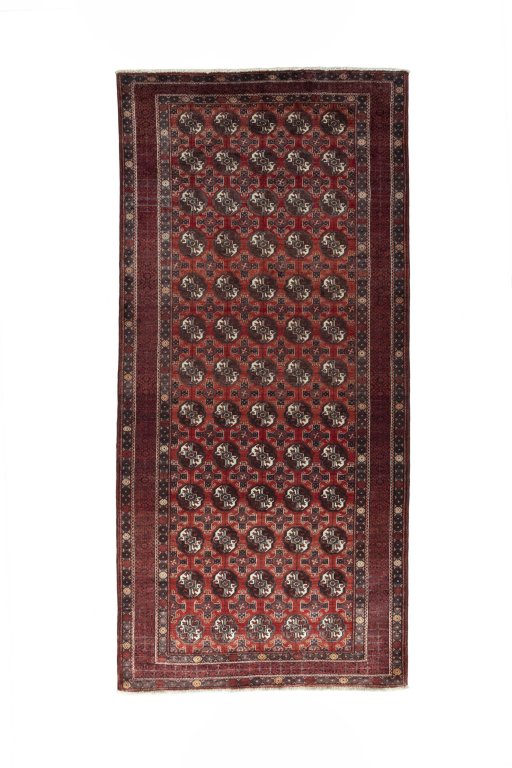
A defining feature of Torkaman rugs is the rhythmic repetition of Gul motifs across the field. These motifs are typically octagonal or diamond-shaped and arranged in symmetrical alignment.
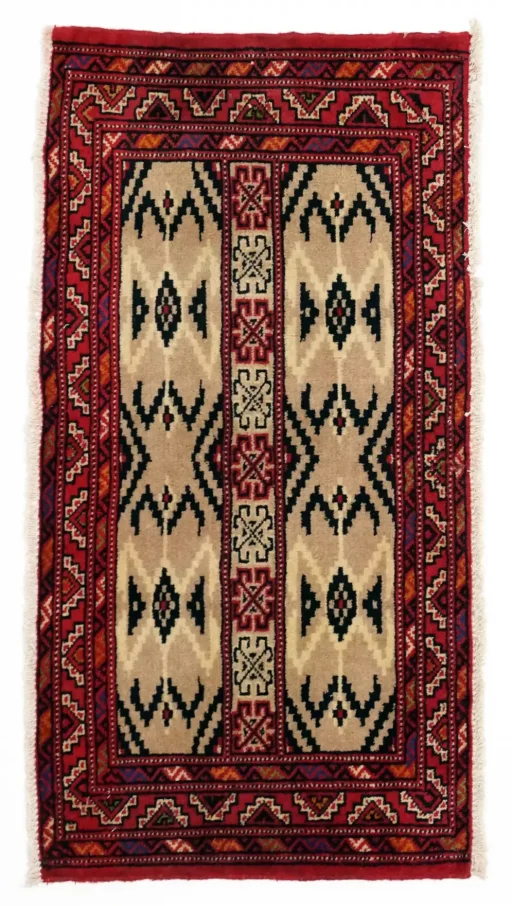
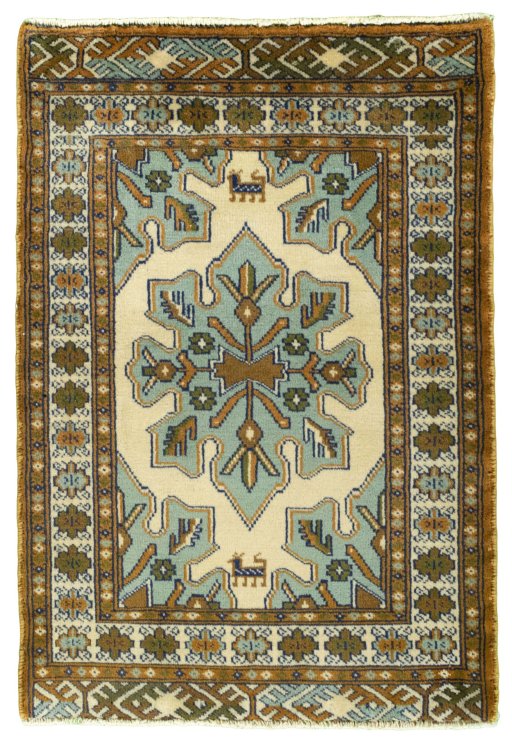
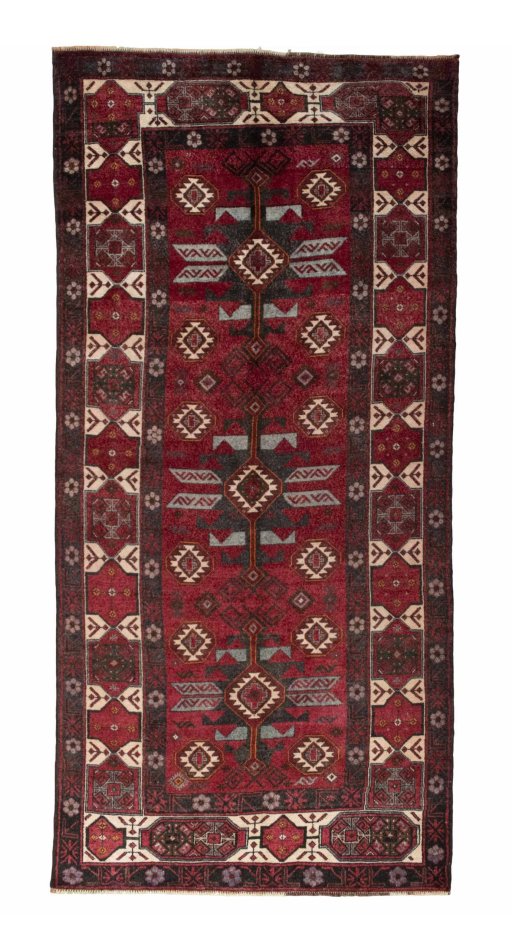
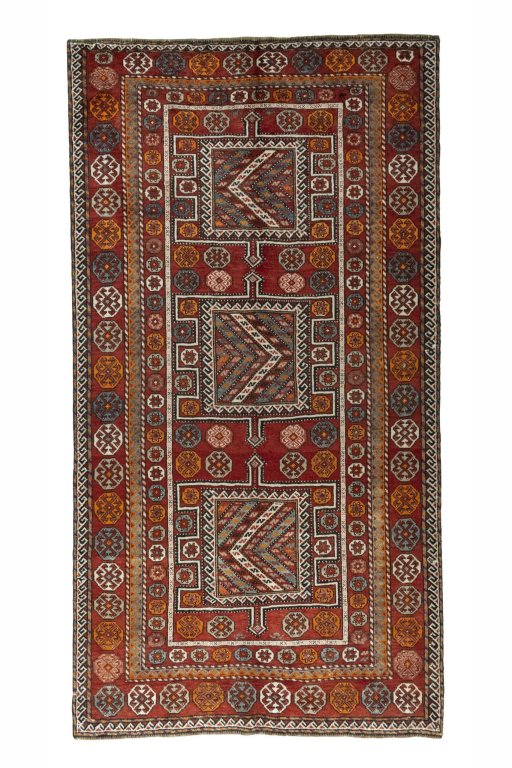
Borders are clearly structured and frame the interior field with precision. In contrast to heavily ornamented city carpets, Torkaman rugs appear bold, direct, and architecturally clear.
This graphic clarity makes them especially appealing in modern interiors where clean lines and structured design are appreciated.
03
Colors and Natural Materials
Deep, saturated red tones dominate the traditional color palette of Torkaman rugs. These are complemented by dark blue, black, ivory, or brown accents. The restrained yet intense color scheme creates warmth and depth within a room.
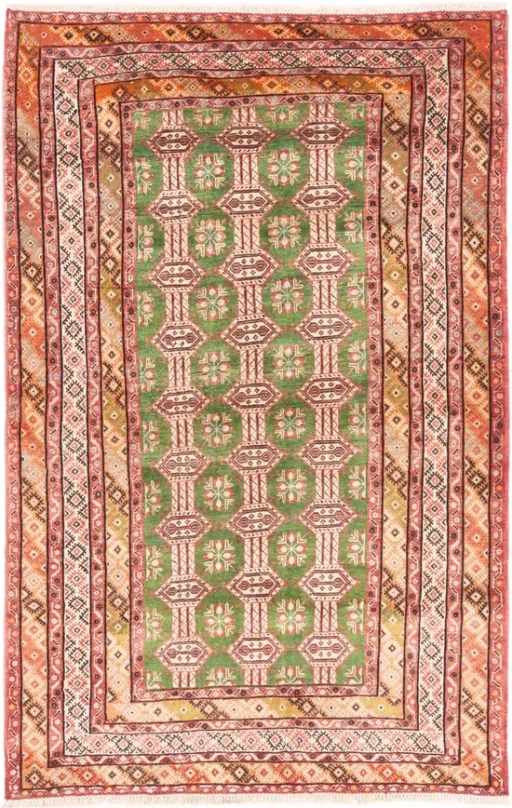
Torkaman rugs are crafted from hand-spun wool rich in natural lanolin, which enhances durability and resilience. Many examples are dyed using traditional natural pigments, resulting in subtle tonal variations known as abrash. These natural shifts in color emphasize the authenticity and handmade character of each piece.
04
Knot Density and Durability
Torkaman rugs typically feature a medium to relatively high knot density. Their compact weave provides structural stability and long-term durability while maintaining flexibility.
Rather than focusing on extreme fineness, these rugs are valued for their strength and robust construction. This makes them particularly suitable for living rooms, dining areas, and other frequently used spaces.
05
Torkaman Rugs in Contemporary Interiors
With their strong geometric presence and deep color tones, Torkaman rugs function almost like graphic artworks on the floor. In minimalist spaces, they introduce warmth and cultural depth. In classic interiors, they enhance structure and historical richness.
They also complement industrial settings with concrete, metal, or leather, adding a tactile contrast through natural wool textures. In bohemian-inspired interiors, they reinforce authenticity without overwhelming the space.
A Torkaman rug adds character, structure, and heritage to any room.
06
Why Torkaman Rugs at Rugbloom
At Rugbloom, Torkaman rugs are curated according to strict quality standards. We prioritize authentic design structure, high-quality wool, balanced coloration, and precise craftsmanship.
A Torkaman rug from Rugbloom represents traditional nomadic artistry, durable materials, and timeless geometric elegance.
Discover hand-knotted Torkaman rugs that combine cultural heritage with modern interior aesthetics.