
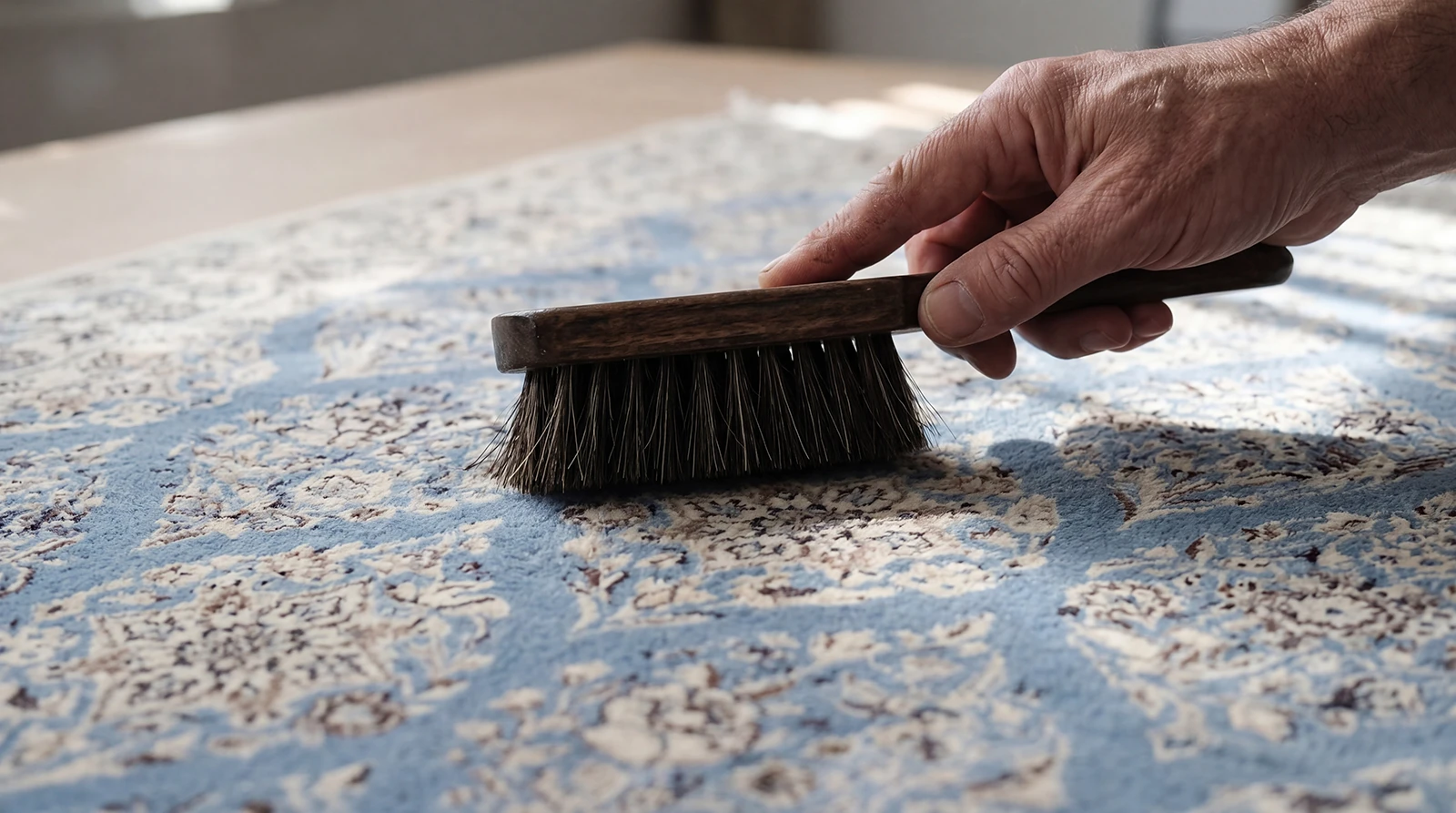
Regions, Patterns, and Symbolism of Oriental Rugs
Explore the regions, patterns, and symbolism behind hand-knotted Oriental rugs. Discover how floral designs, geometric motifs, and central medallions reflect centuries of craftsmanship and cultural tradition. Learn how different regions such as Isfahan, Heriz, and Kashan shaped distinctive rug styles that continue to influence Persian rug design today.

Hand-knotted Oriental rugs fascinate not only because of their exceptional craftsmanship but also because of their unique patterns and ornaments. Each rug has its own visual language that is deeply rooted in the culture and history of its region of origin. Colors, shapes, and motifs are not created by chance, they reflect traditions, beliefs, and the everyday life of the people who have crafted these rugs over many generations.
When exploring Oriental rugs more closely, it quickly becomes clear that patterns are far more than decorative elements. They tell stories about landscapes, nomadic tribes, and the artistic development of entire regions. Experienced rug experts can often determine where a rug originates simply by analyzing its colors, patterns, and ornaments.
Building on this, specific regions have developed distinctive design languages that make Oriental rugs instantly recognizable. For example, Persian rugs from cities like Tabriz, Isfahan, and Kashan often feature intricate floral patterns and central medallions symbolizing harmony and order, while tribal and village rugs such as Kazak rugs or Heriz carpets are known for their bold geometric motifs representing protection, strength, and identity. These regional differences highlight how patterns and symbolism in Oriental rugs are closely tied to local traditions, materials, and weaving techniques. As a result, every hand-knotted rug becomes not only a decorative piece but also a cultural document that reflects the heritage, environment, and artistic expression of its place of origin.
"Regional Rug Traditions and Their Characteristics "
The great diversity of hand-knotted Oriental rugs mainly results from the different regions where they are produced. Over centuries, distinct rug-making traditions developed across the Orient, each with characteristic design styles, color palettes, and ornamental elements.
Persian rugs from modern-day Iran are among the most famous examples. They are often recognized by their elegant floral patterns, intricate medallions, and harmonious color combinations. Cities such as Isfahan, Tabriz, and Kashan are internationally known for their exceptionally fine rugs. Because of their high knot density, very detailed patterns can be created, turning Persian rugs into true masterpieces of textile art.
Anatolian rugs from Turkey also have a long tradition. Unlike many Persian rugs, they are often defined by bold geometric shapes and strong color contrasts. These rugs were frequently produced in village communities or nomadic cultures, which gives them a particularly authentic and powerful aesthetic.
In the Caucasus region, rug designs developed with striking geometric ornaments, vibrant colors, and clear line structures. Many of these rugs feature star-shaped or diamond patterns, which remain typical characteristics of Caucasian rugs today.
Central Asia also developed important weaving traditions. Turkmen rugs, for example, are famous for their repeating tribal motifs known as “güls.” These motifs served not only as decorative elements but also as symbols of tribal identity and cultural belonging.

The patterns found in hand-knotted Oriental rugs are the result of centuries of cultural development. Many motifs have been passed down through generations, often slightly adapted over time, while still preserving a connection to their historical origins.
Floral patterns are among the most recognizable elements in many Oriental rugs. They often resemble flowers, vines, or stylized garden designs. In Persian culture, these motifs frequently symbolize the beauty of nature or the idea of paradise.
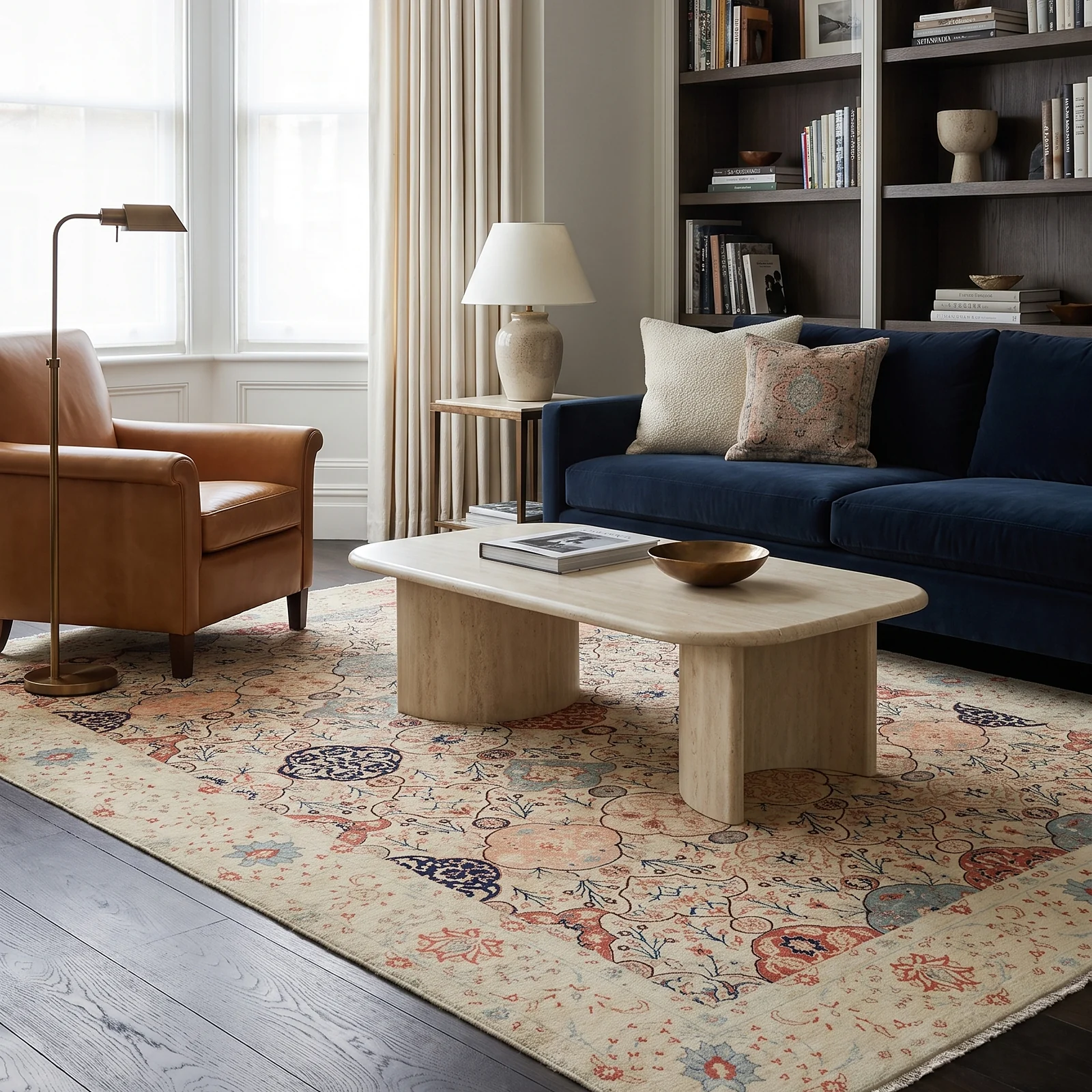
A well-known example of floral design can be found in Persian rugs from Isfahan, located in the Isfahan Province of Iran. These rugs often feature delicate floral motifs, flowing vines, and elegant arabesque ornaments. Thanks to their extremely high knot density, Isfahan rugs allow for highly detailed floral compositions and are considered among the most refined examples of Persian rug craftsmanship.


Geometric patterns are a defining characteristic of many hand-knotted Oriental rugs, especially those produced in village and tribal regions. Motifs such as diamonds, stars, and angular forms are easy to memorize and weave, making them ideal for traditional techniques passed down through generations. These geometric rug patterns reflect cultural identity, regional heritage, and practical craftsmanship. Their bold, structured appearance gives these rugs a timeless and authentic character that remains highly valued today.
A classic example can be found in Heriz rugs from the East Azerbaijan Province of Iran. These Persian carpets are known for their strong geometric compositions, angular medallions, and vivid color contrasts. Similarly, Kazak rugs from the Caucasus region feature large-scale geometric motifs and rich tones such as deep red, ivory, and navy blue, creating a powerful visual impact. These tribal Oriental rugs are especially appreciated for their durability, expressive design, and versatility in both modern and traditional interiors.
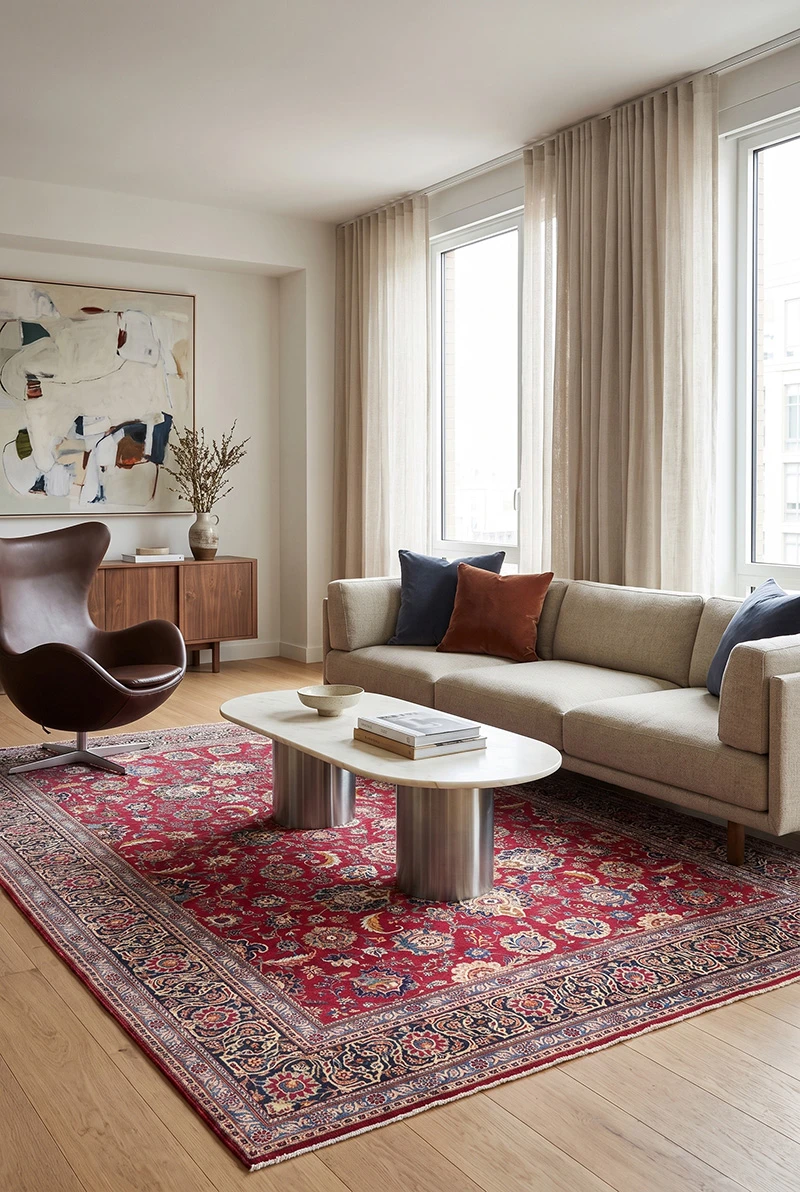
In contrast, many Oriental rugs follow the classic central medallion layout, where a prominent motif is placed at the center and framed by intricate borders. This design is particularly characteristic of Kashan rugs from the Isfahan Province of Iran, combining floral elegance with a harmonious structure. As one of the most iconic styles in Persian rug design, this composition represents balance, refinement, and the artistic sophistication of traditional carpet weaving.
"Symbolism in Oriental Rugs "
Beyond their visual beauty, many motifs in Oriental rugs also carry deeper symbolic meanings. Traditionally, rugs were not only decorative objects but also expressions of cultural values, spiritual beliefs, and personal stories.
Some patterns symbolize protection or good fortune, while others represent fertility, growth, or prosperity. In certain regions, specific motifs were intentionally woven into rugs to protect the home or family.
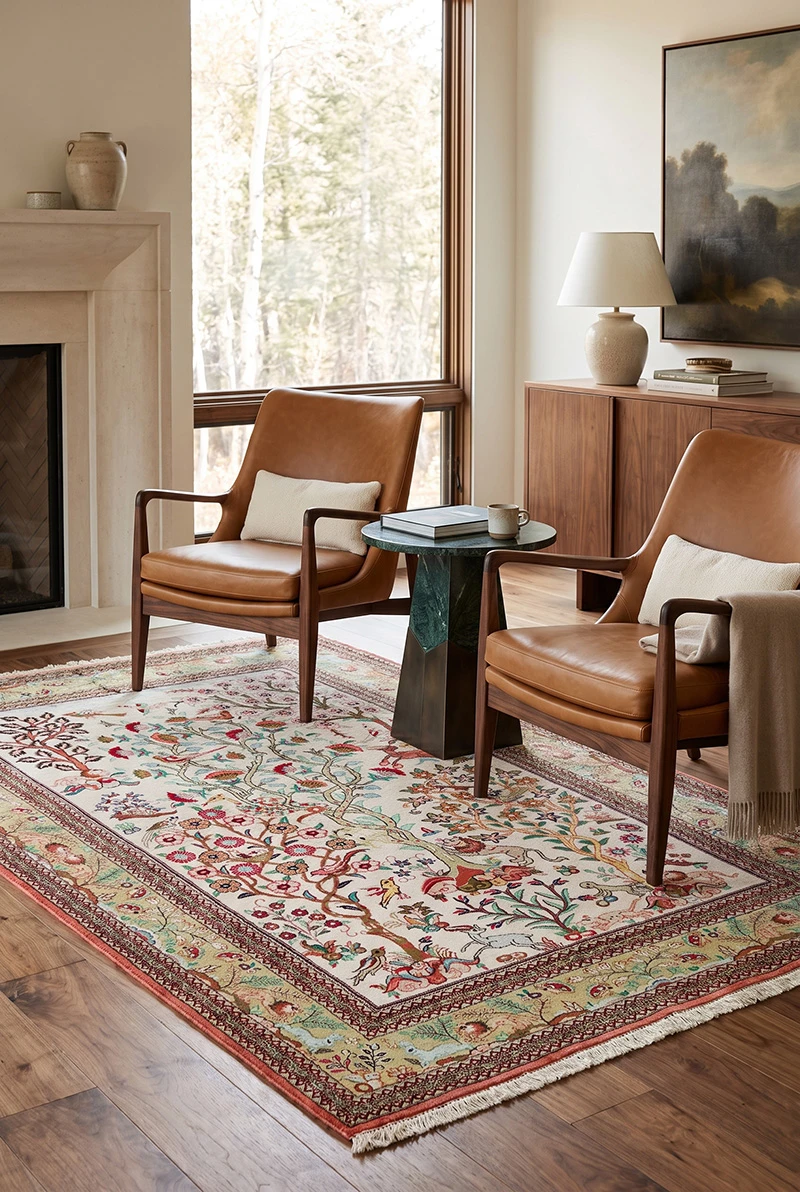
One of the most well-known symbols is the Tree of Life, representing growth, the connection between heaven and earth, and the continuity of life. Animal motifs can also appear and often symbolize strength, courage, or spiritual power.
Nomadic and Urban Rug Patterns
An important distinction in the world of Oriental rugs exists between nomadic and urban weaving traditions.
Nomadic rugs are usually created without fixed design templates. The patterns are woven from memory and reflect the personal creativity of the weavers. As a result, these rugs often appear lively, expressive, and unique.
Urban rugs, by contrast, are typically produced in specialized workshops based on detailed design drawings. This allows for extremely complex patterns and very fine ornamental structures. Rugs from cities such as Isfahan or Tabriz are especially known for their precision and high knot density.
While nomadic rugs often convey a raw and powerful character, urban rugs represent refined ornamentation and the highest level of craftsmanship.


How Patterns Reveal a Rug’s Origin:
For rug experts, patterns provide important clues about the origin of a rug. Specific color combinations, ornament shapes, or border designs can indicate a particular region.
Persian rugs are often recognized by their elegant floral designs and central medallions, while Caucasian rugs are typically distinguished by geometric compositions. Anatolian rugs, on the other hand, frequently feature strong colors and clearly structured patterns.
Analyzing patterns is therefore one of the most important ways to classify an Oriental rug and better understand its cultural background.
Regions, patterns, and symbolism are central elements of the world of Oriental rugs. Every ornament, color, and motif tells a story about the culture and traditions of the region from which a rug originates.
This unique combination of craftsmanship, cultural heritage, and timeless aesthetics is what continues to make hand-knotted Oriental rugs exceptional works of art that enrich living spaces around the world.
Patterns are key indicators of a rug’s origin and help identify hand-knotted Oriental rugs. Experts analyze colors, motifs, and borders to distinguish regional styles Persian rugs feature floral designs and medallions, while Caucasian rugs show bold geometric patterns, and Anatolian rugs are known for strong colors and clear structures. These elements reveal the cultural background and craftsmanship behind each rug, making patterns essential for understanding their origin and timeless value.
"Discover the Most Popular Styles at Rugbloom "
Isfahan
Kashan
Ghom
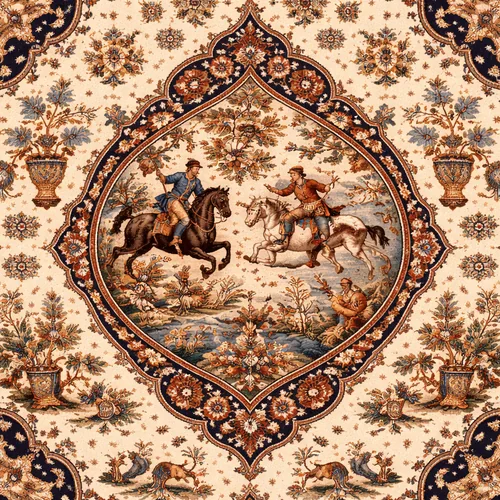
Kashmar
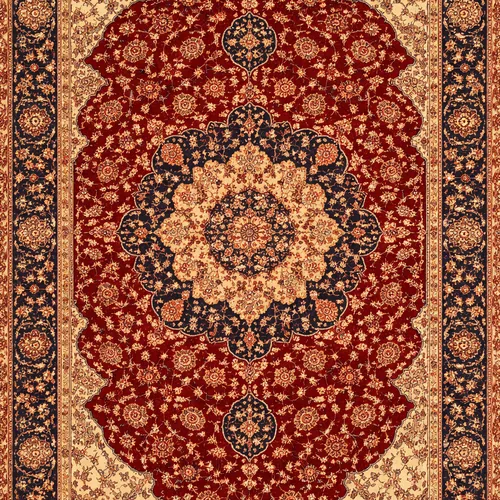
Mashad
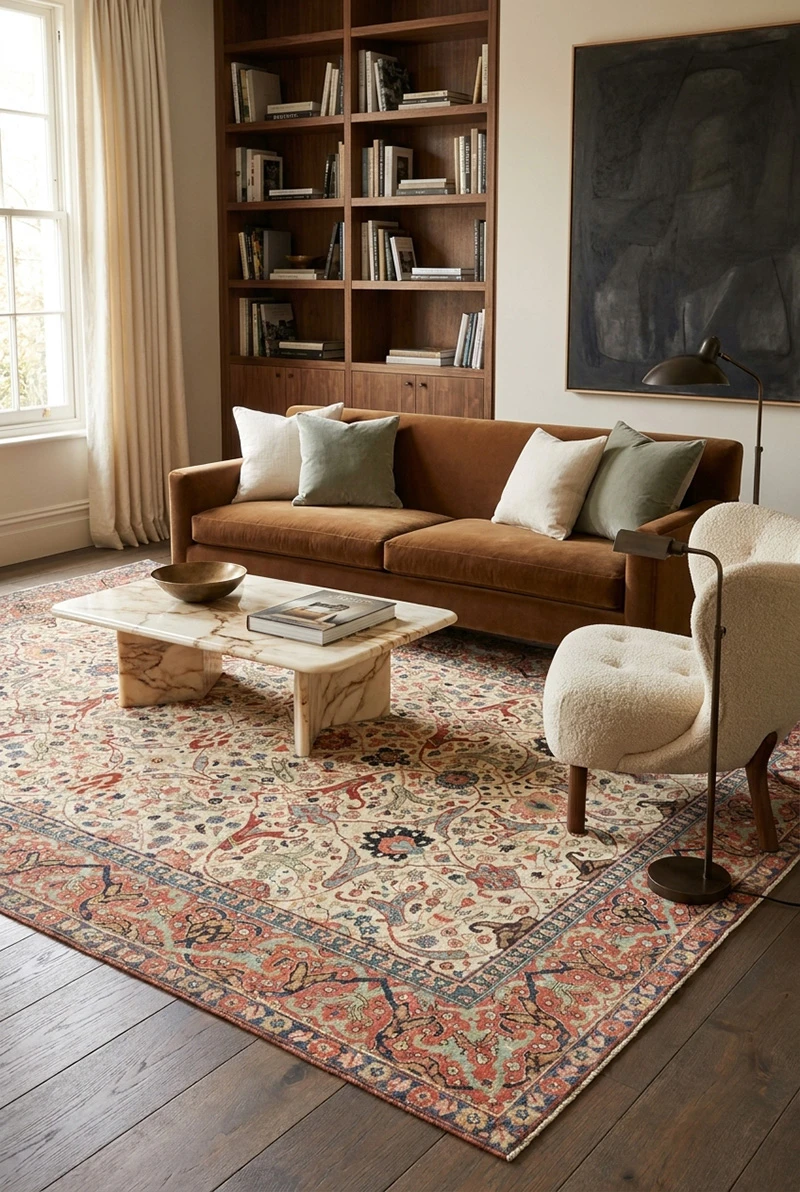
Sarough
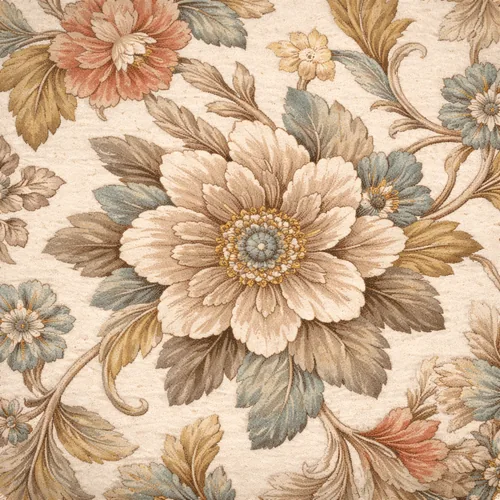
Nepal Carpets
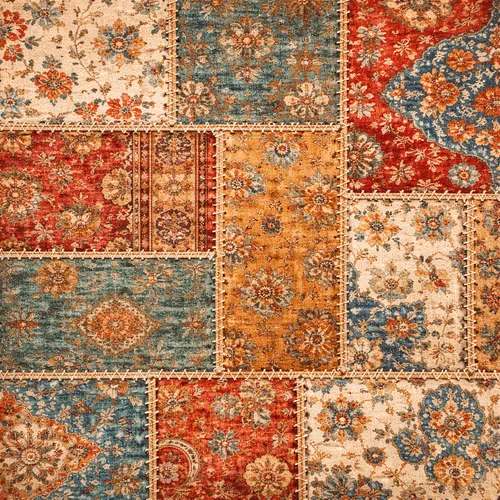
Patchwork
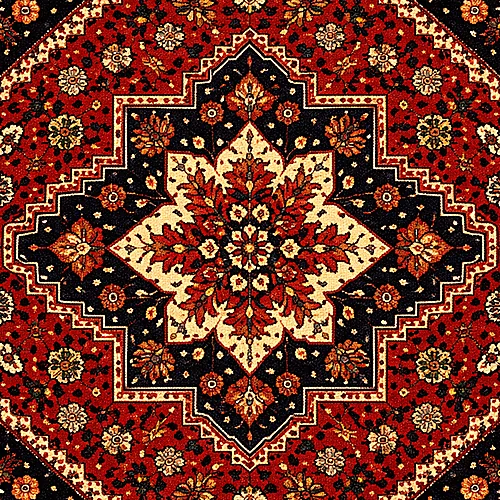
Shiraz
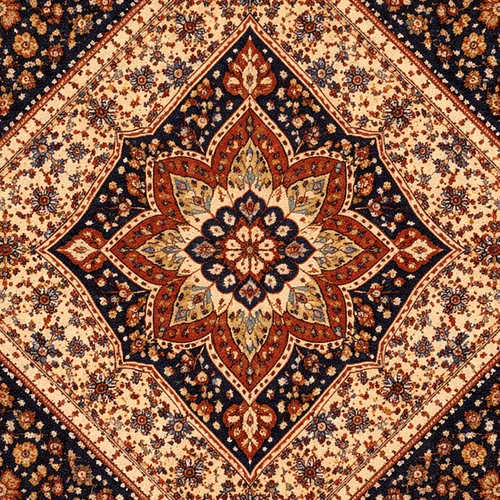
Senneh
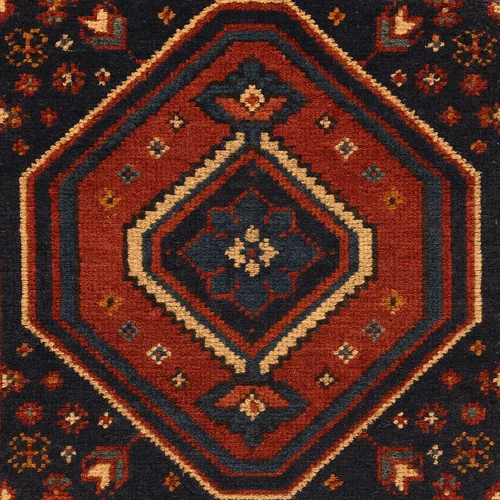
Ghashghai
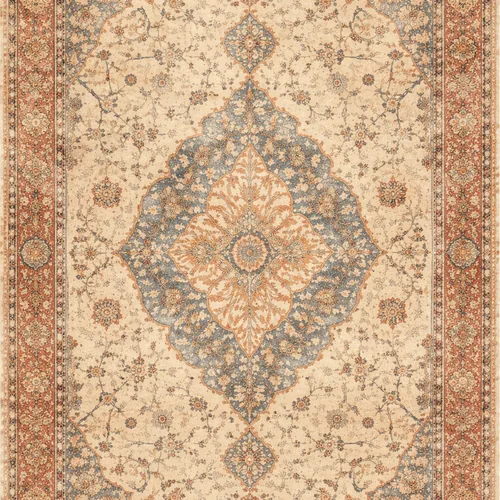
Vintage
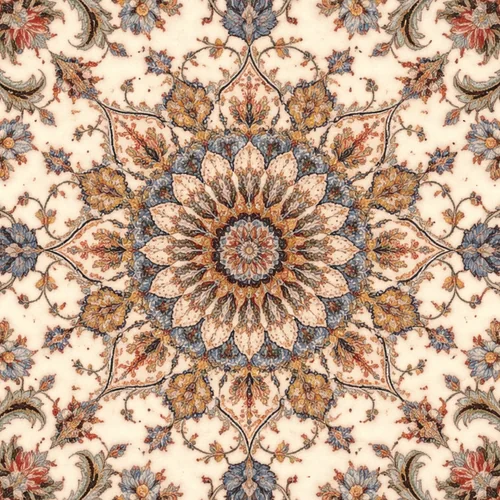
China Silk
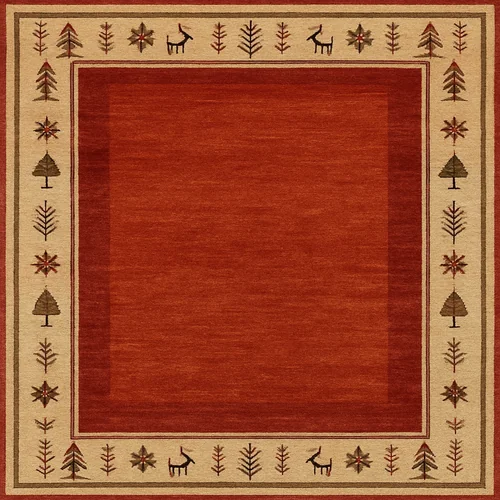
Gabbeh Loribaft
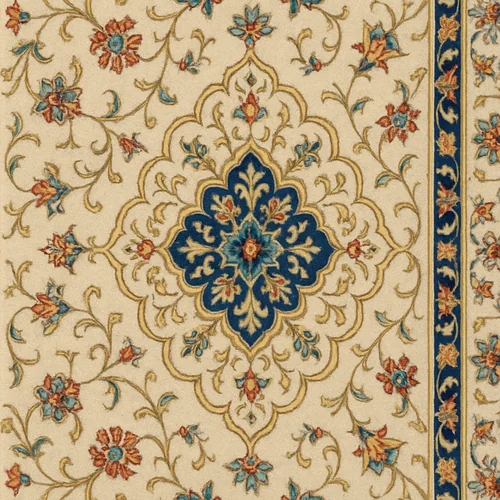
Cashmere Silk
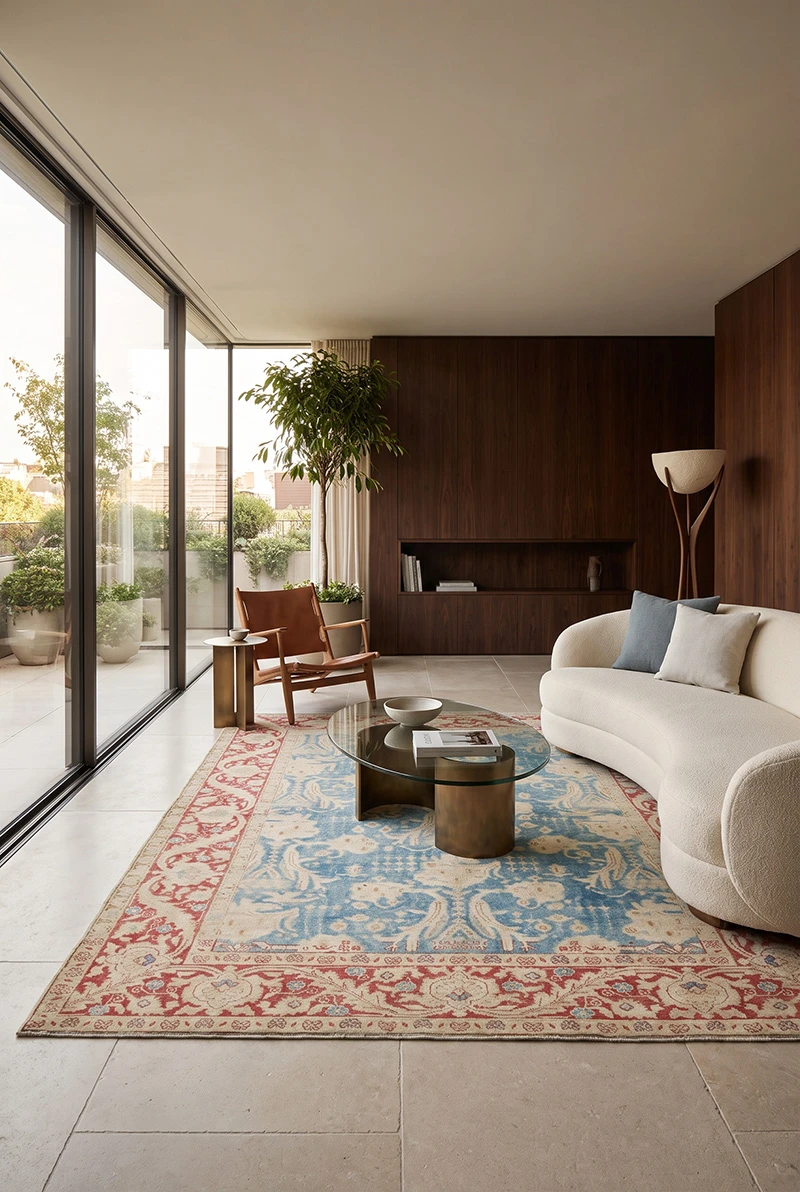
Tabriz
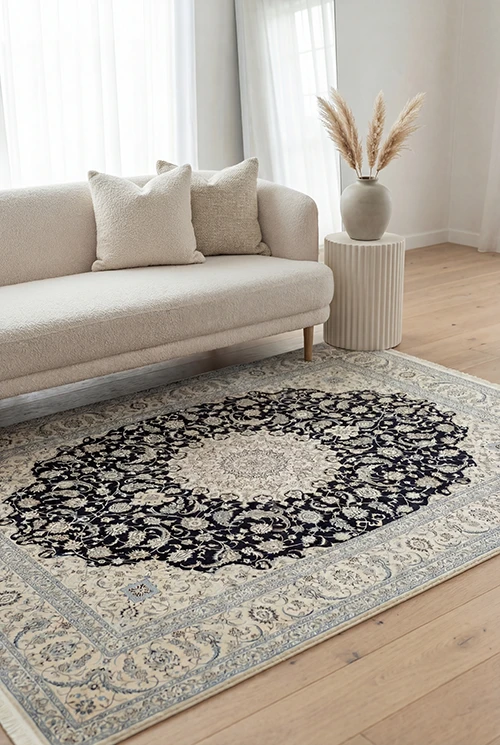
Nain
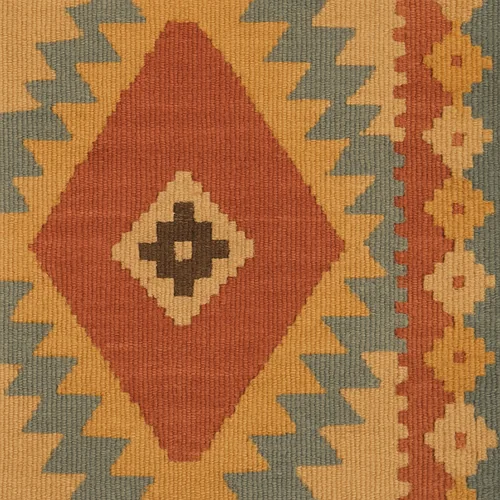
Kilim Traditional
Related Posts
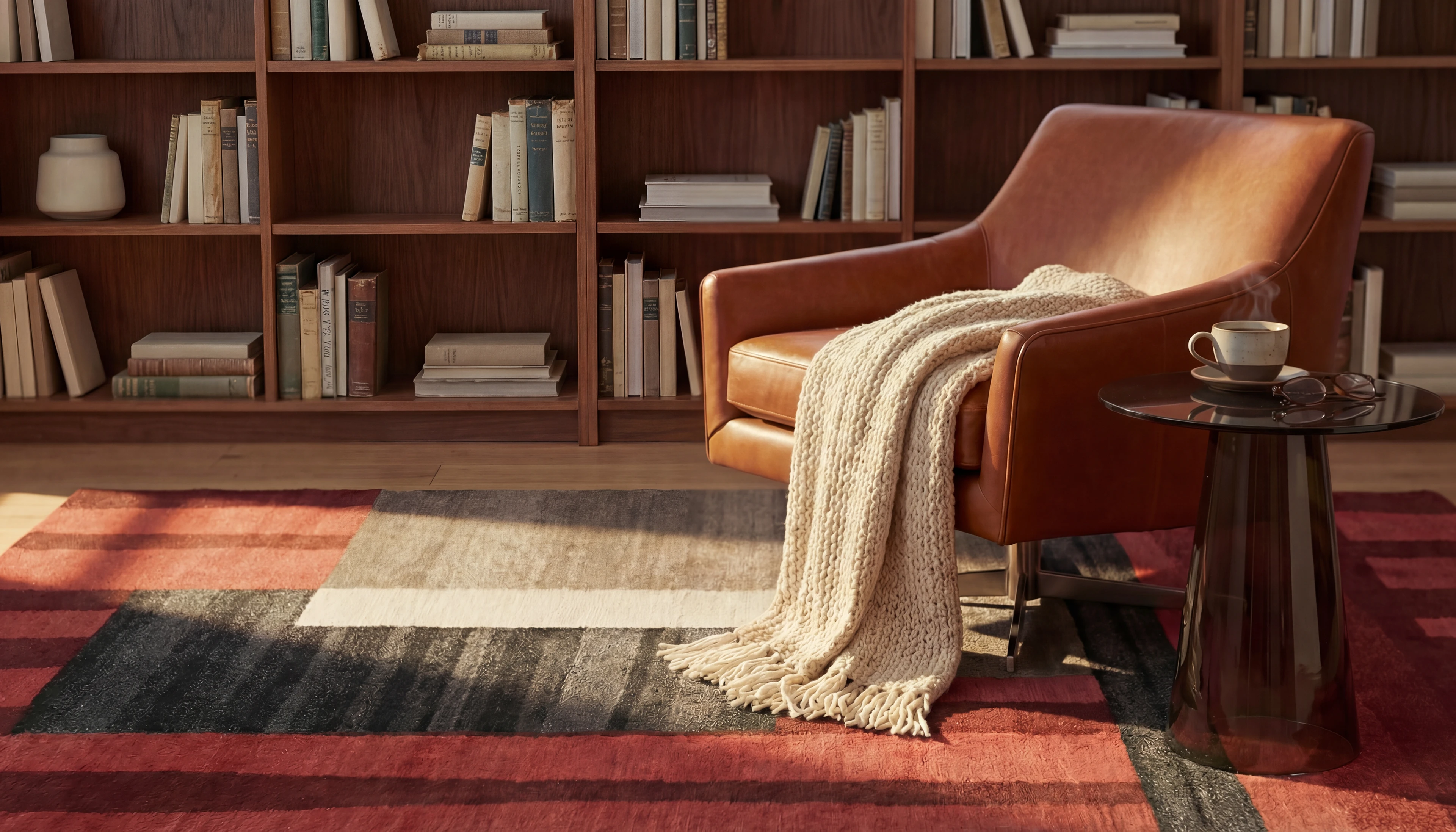
Rugbloom Journal: Knowledge & Inspiration About Hand-Knotted Oriental Rugs
The Rugbloom Journal is a curated knowledge platform dedicated to hand-knotted Oriental rugs. Discover articles about their history, origins, materials, knotting techniques, care, and their role in contemporary living.
The History and Origins of Hand-Knotted Oriental Rugs
How Are Authentic Oriental Rugs Made?
Materials and Knotting Techniques of Hand-Knotted Oriental Rugs
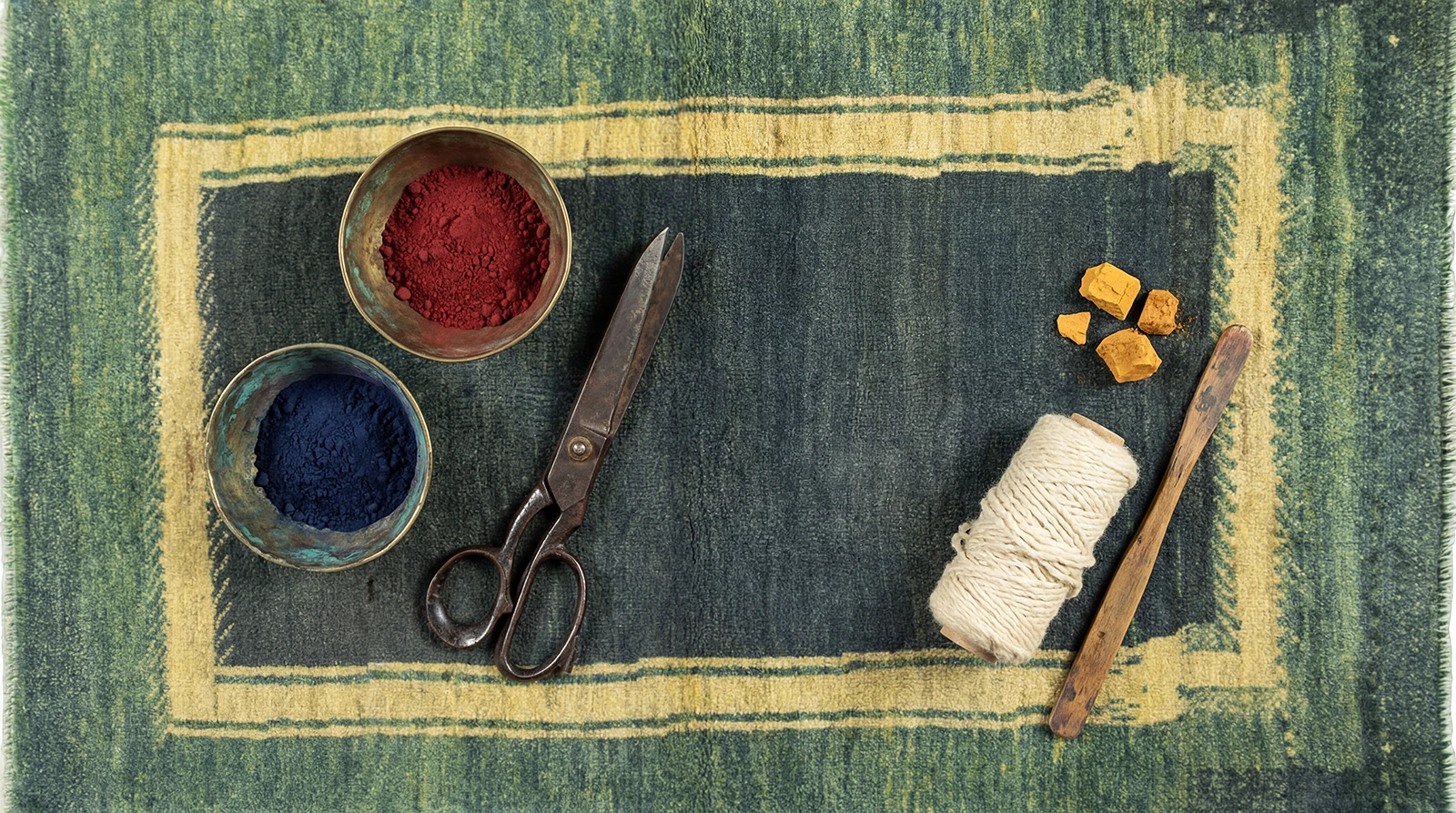
Discover the materials and knotting techniques behind hand-knotted Oriental rugs. Learn how wool, silk, and cotton influence durability and texture, and how Persian and Turkish knotting techniques define quality and design. Explore why knot density matters and what makes Persian rugs from Isfahan, Tabriz, and Kashan true masterpieces of craftsmanship.