01
What Is a Gabbeh?
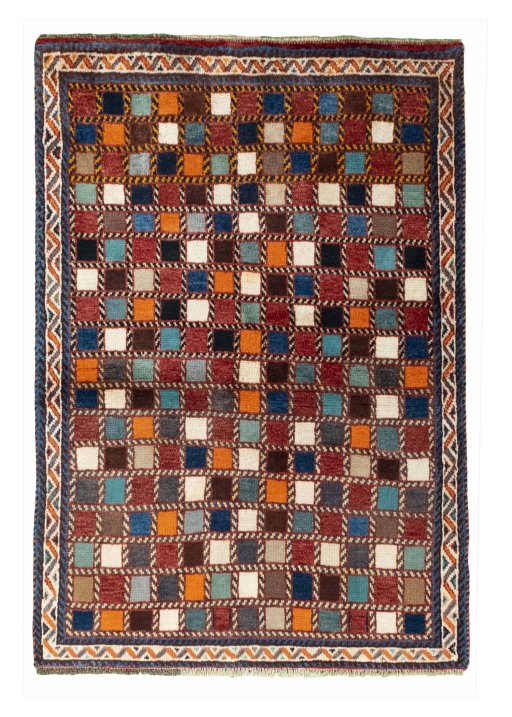
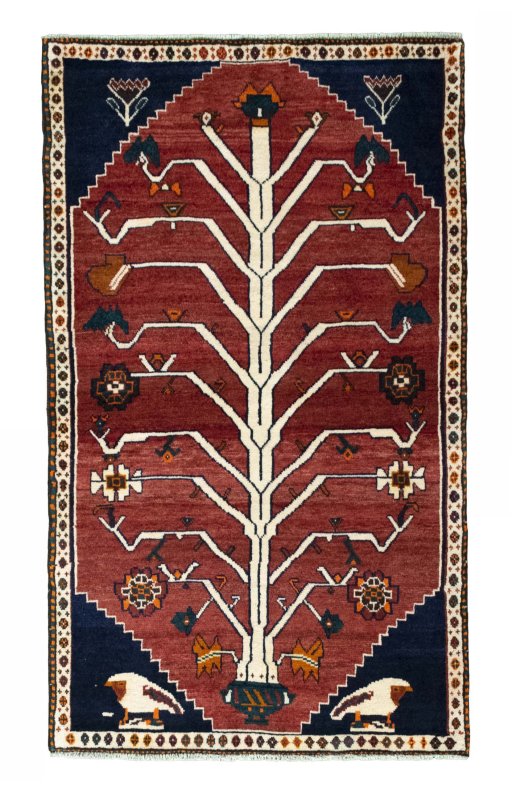
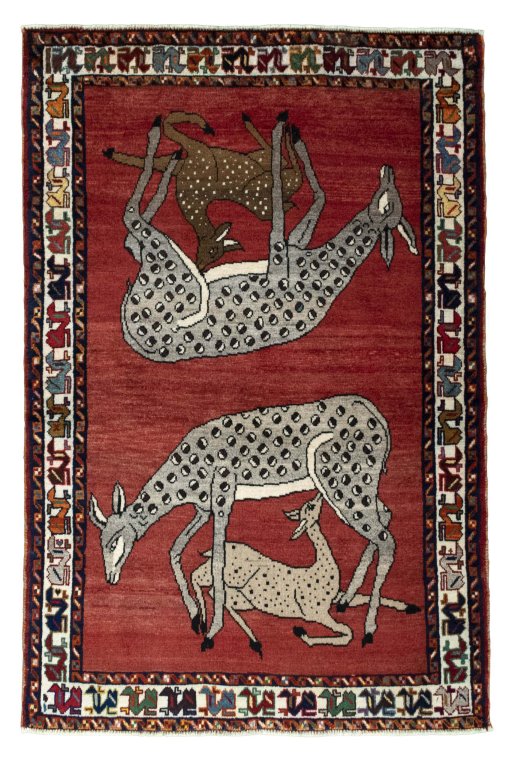
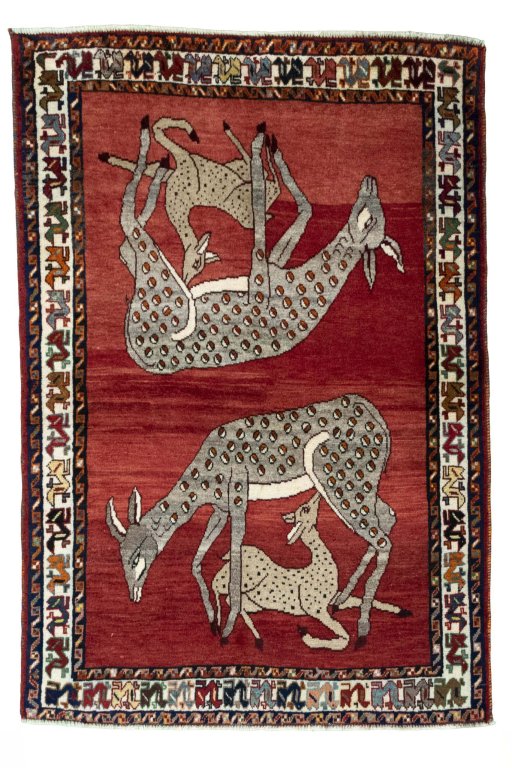
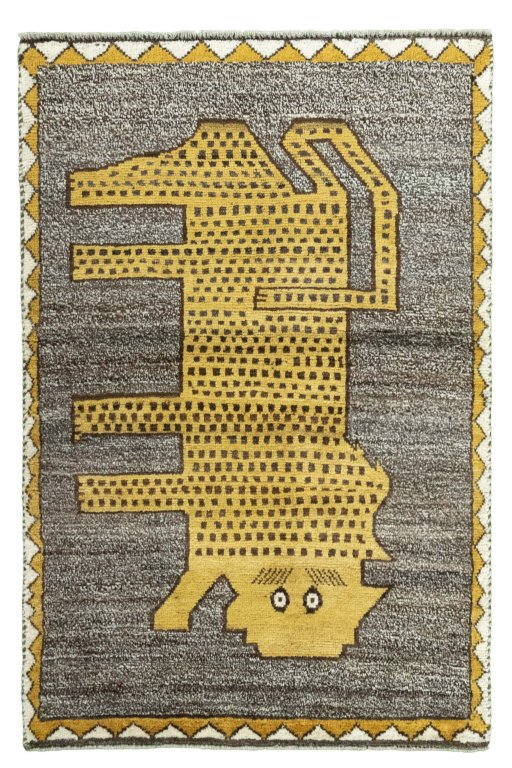
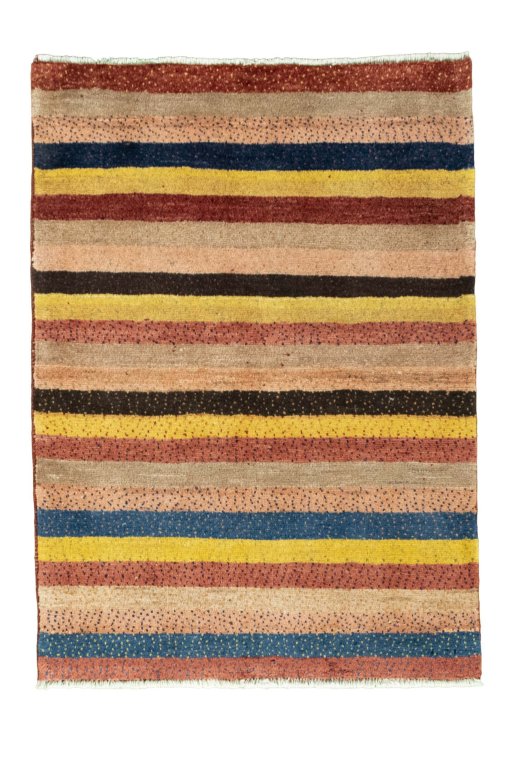
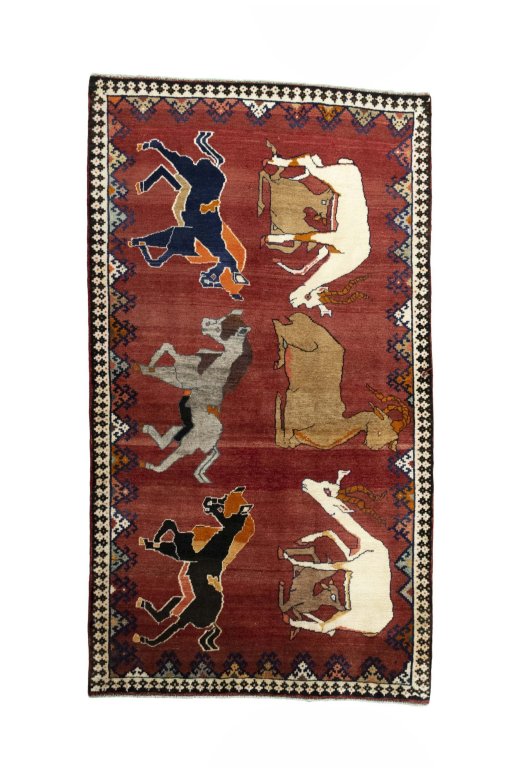
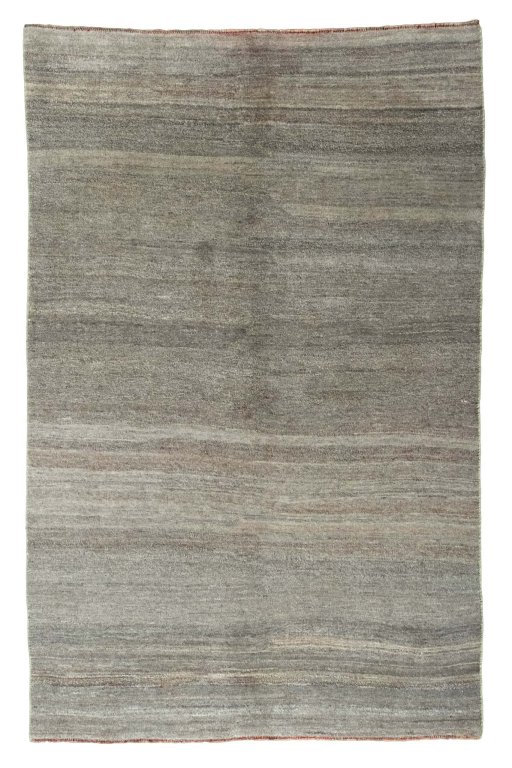
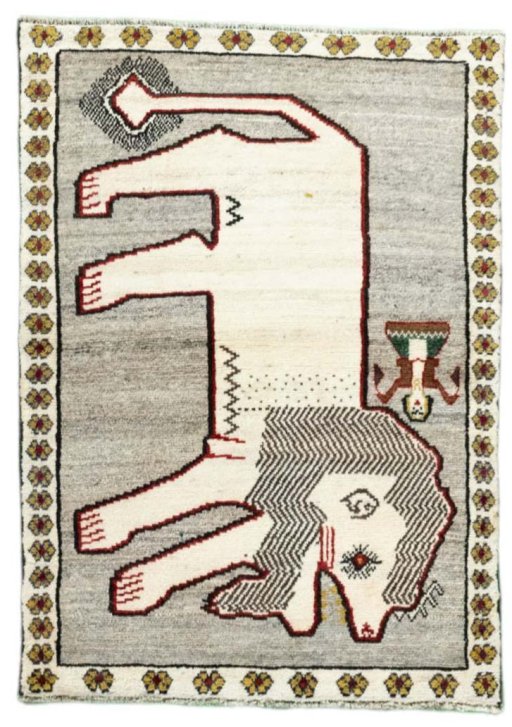
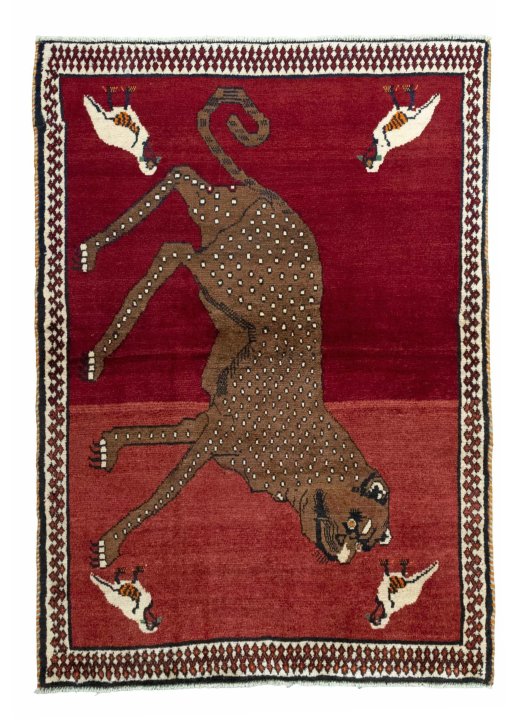
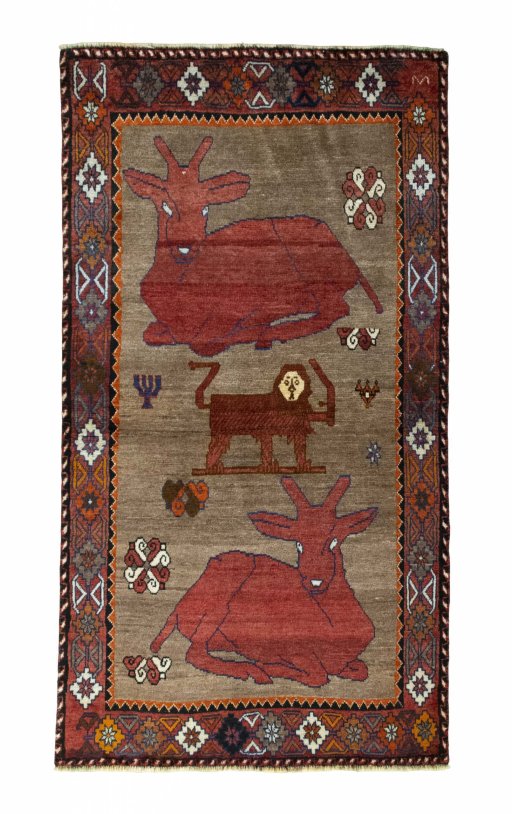
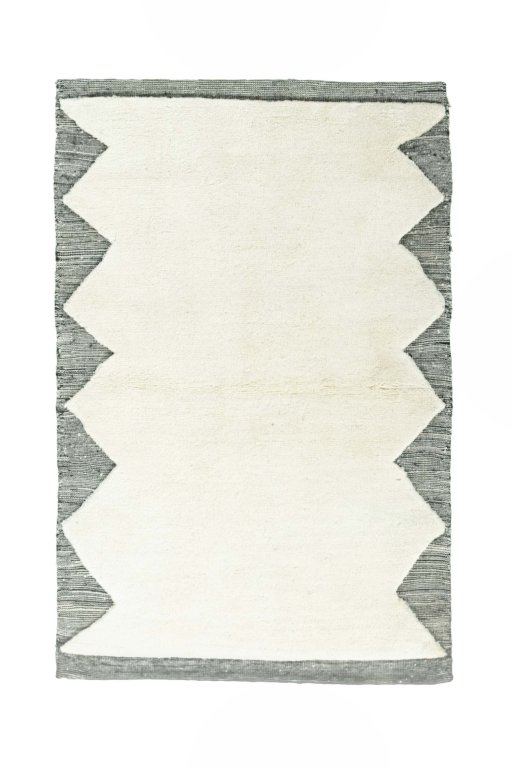
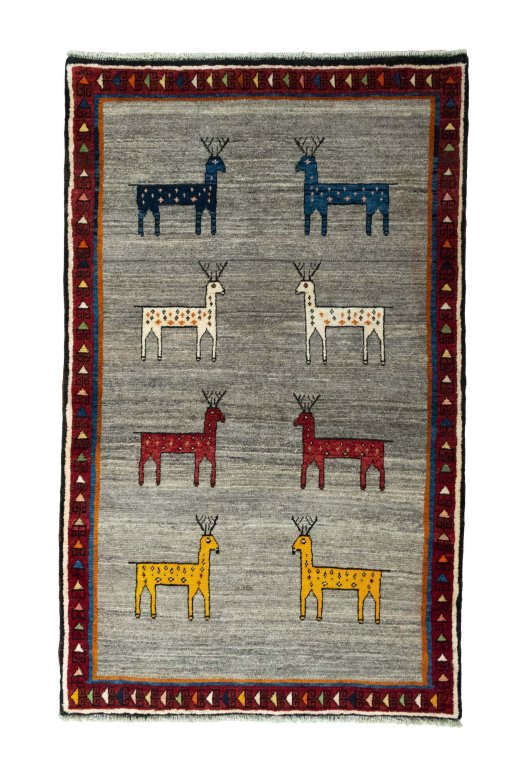
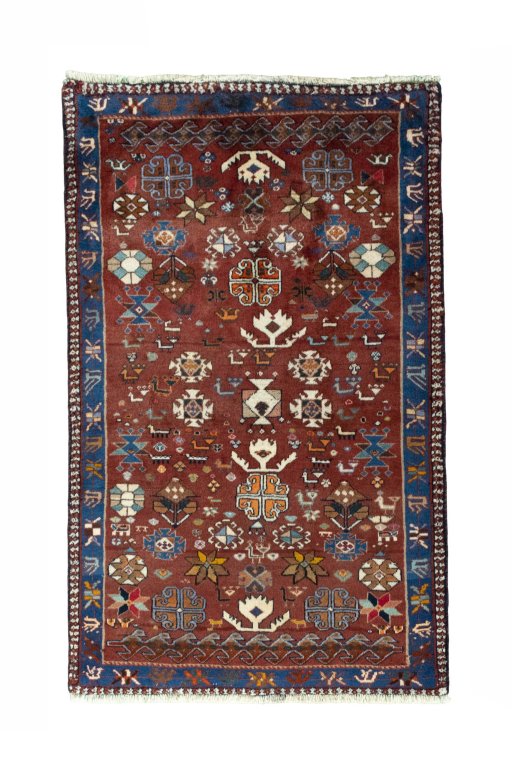
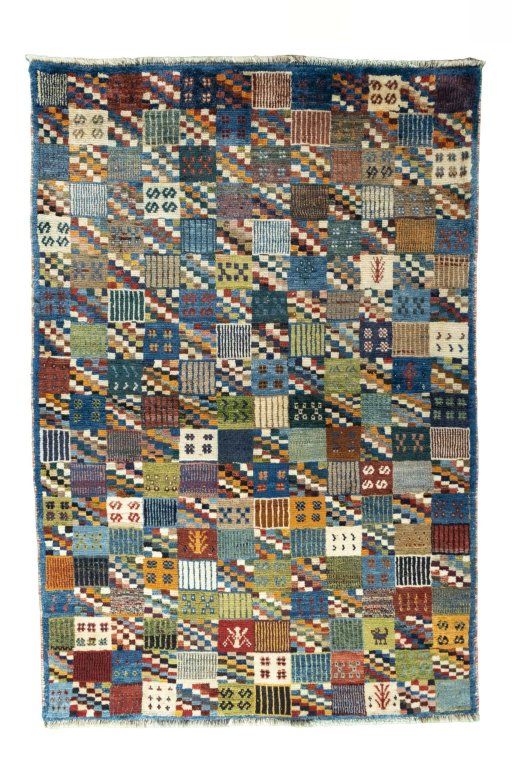
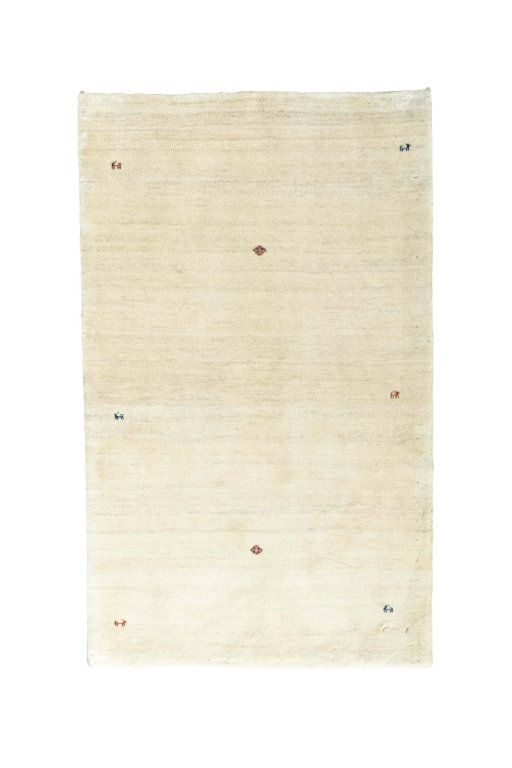
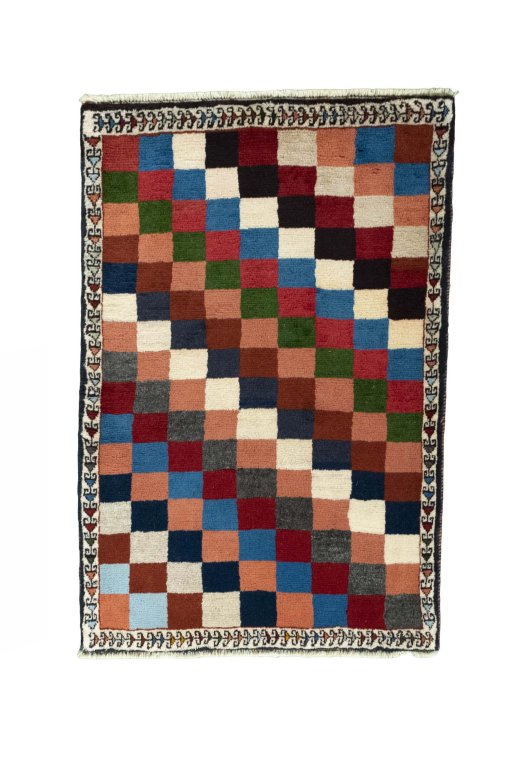
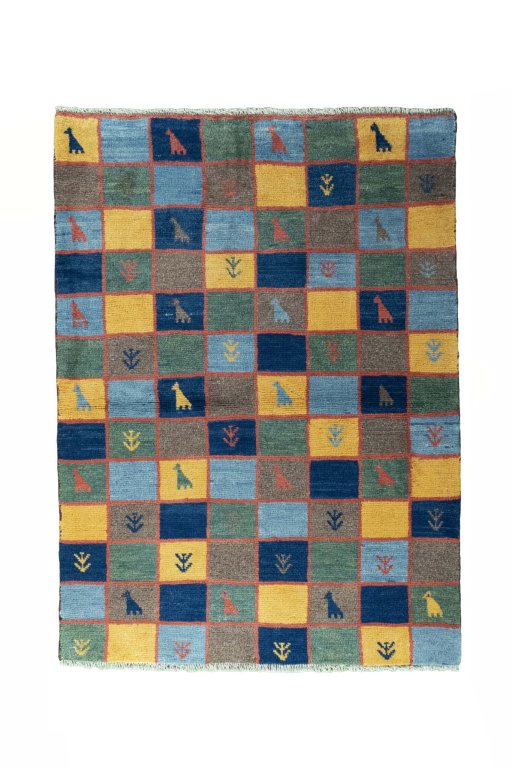
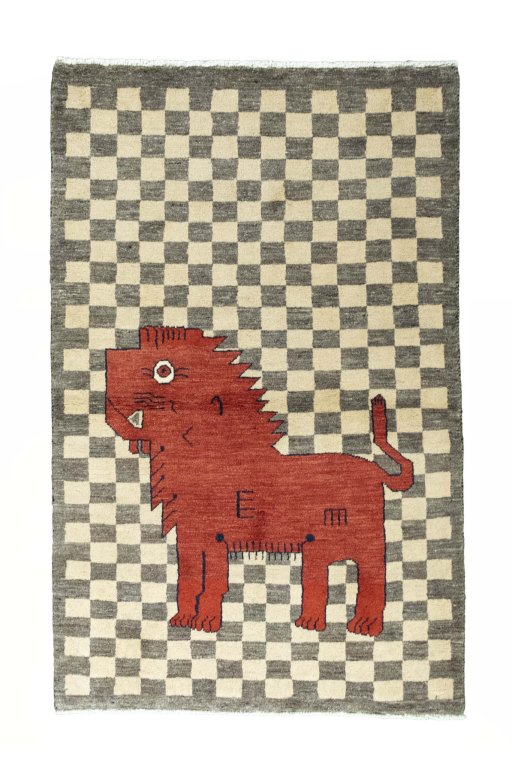
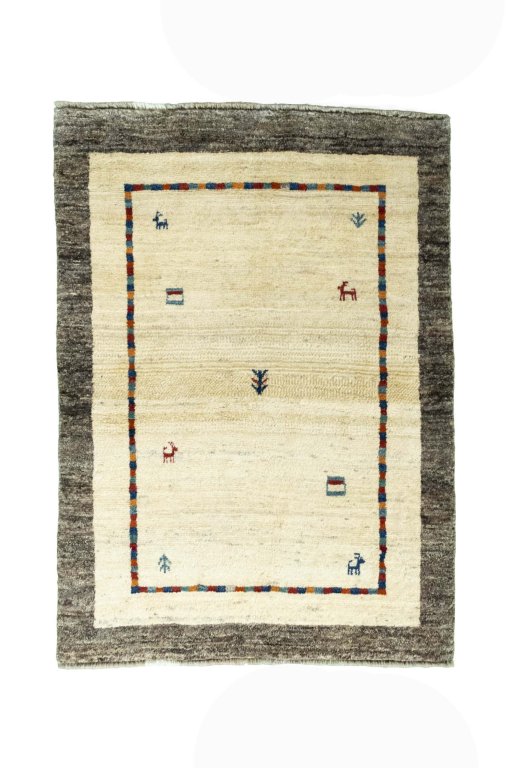
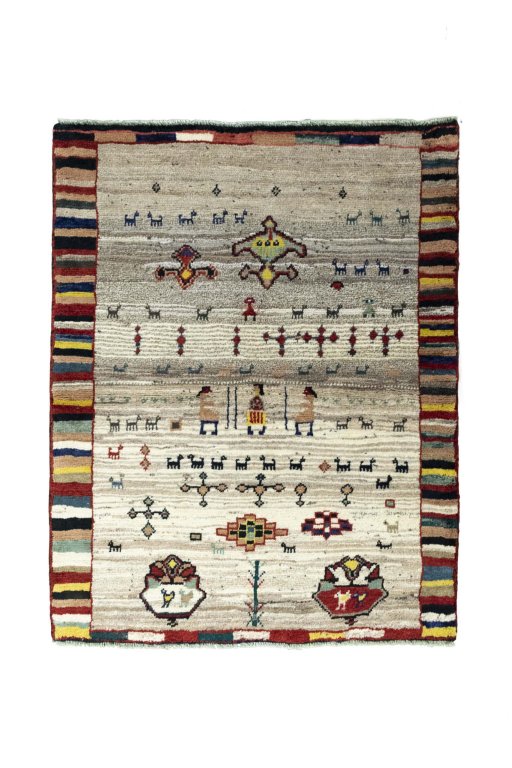
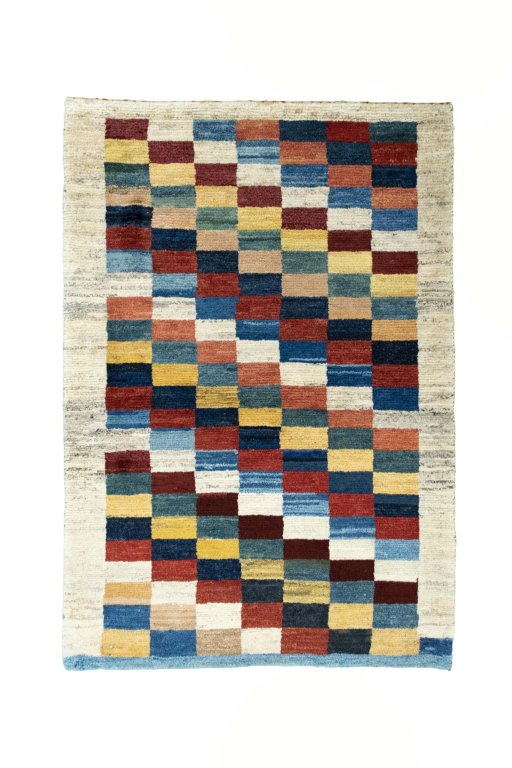
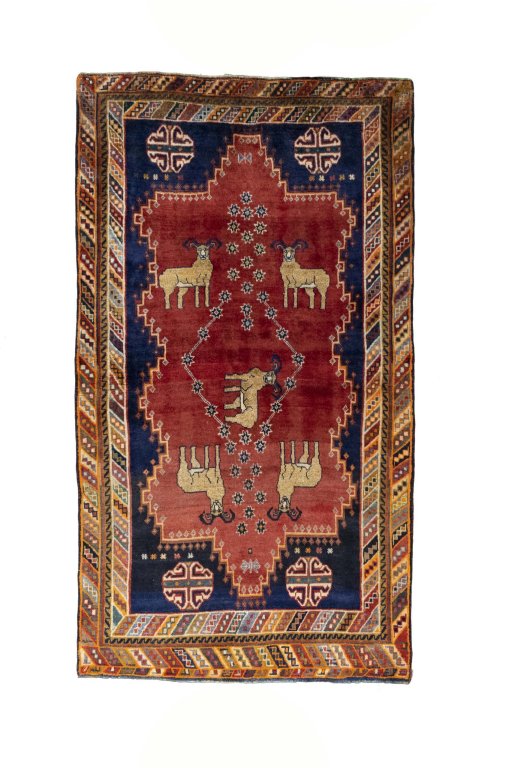
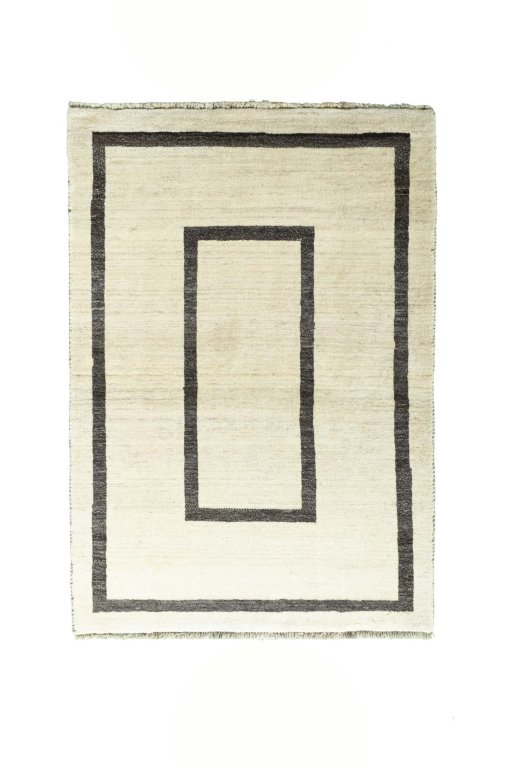
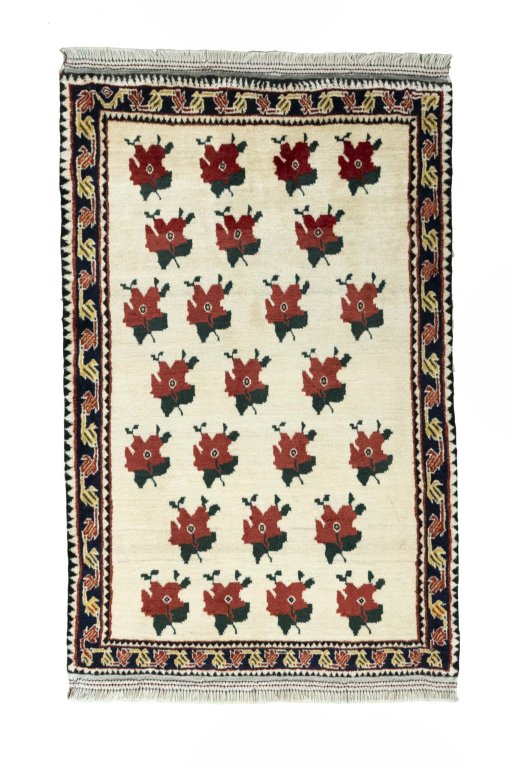
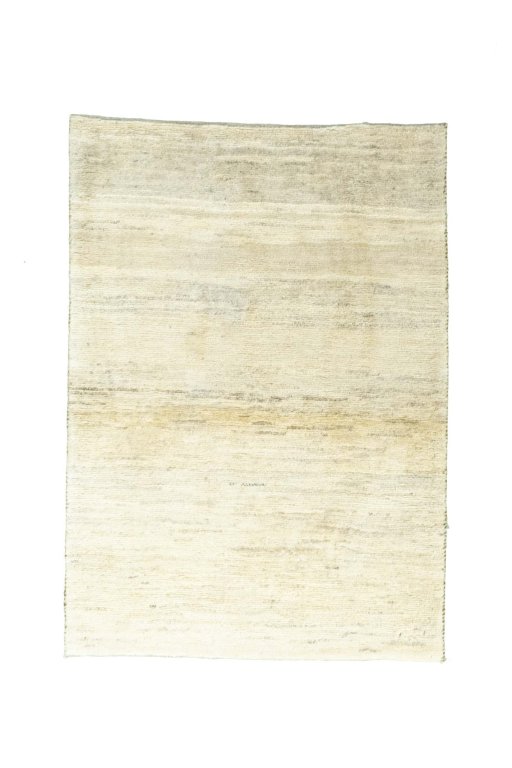
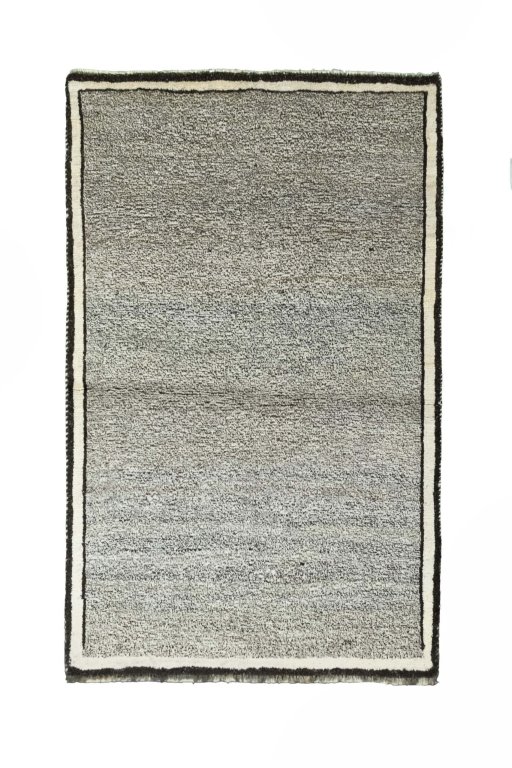
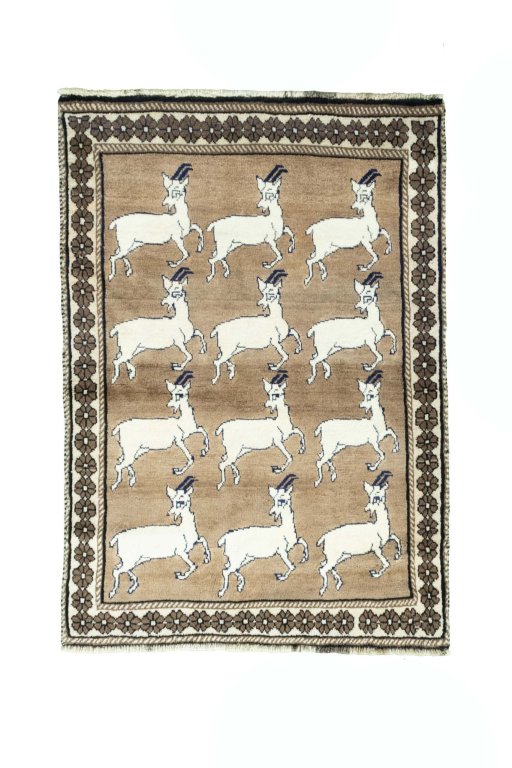
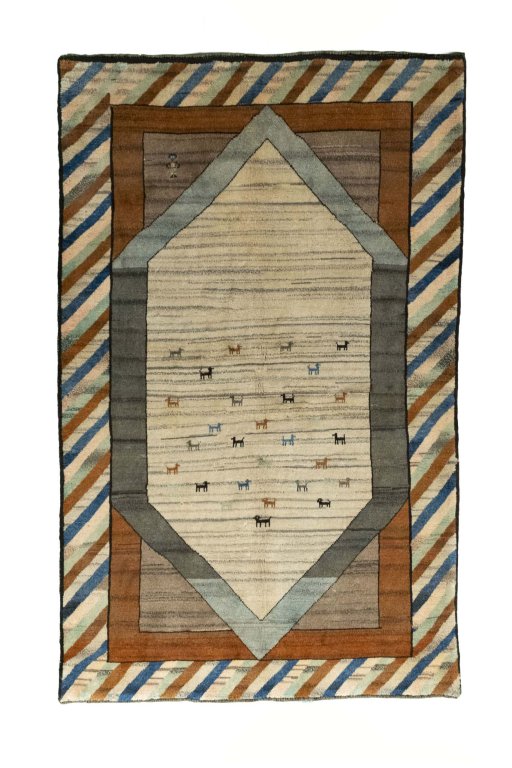
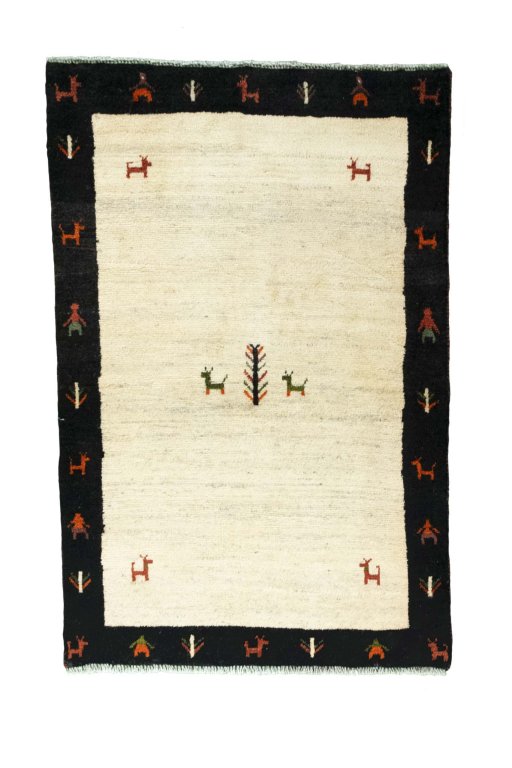
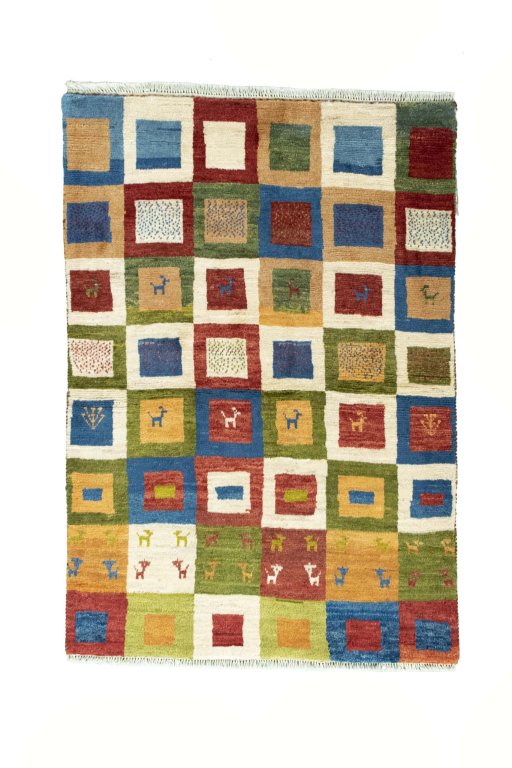
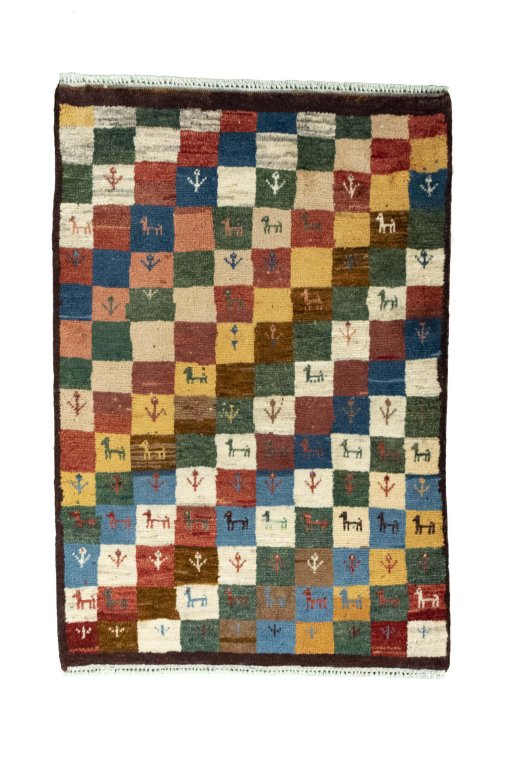
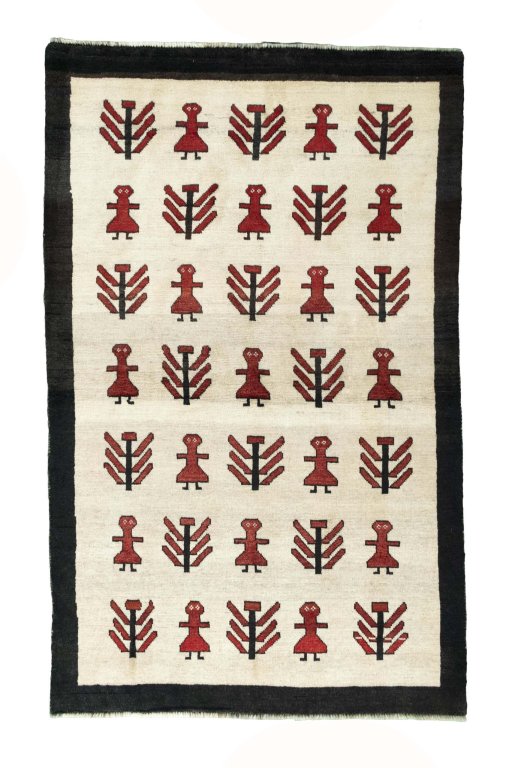
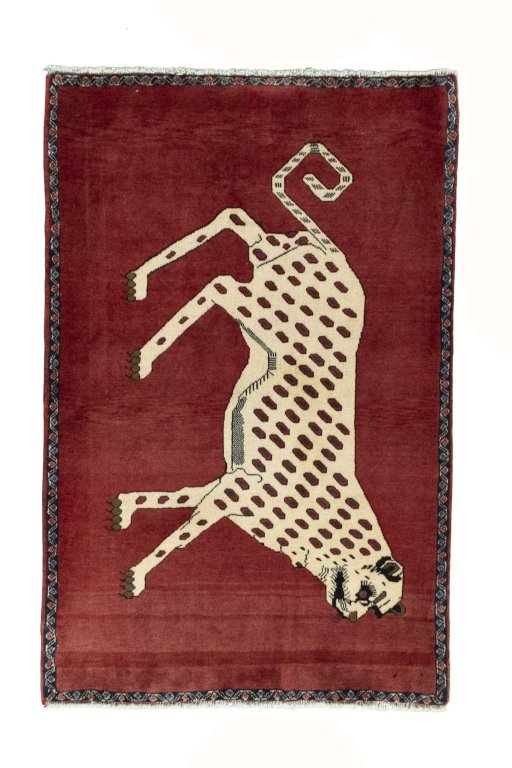
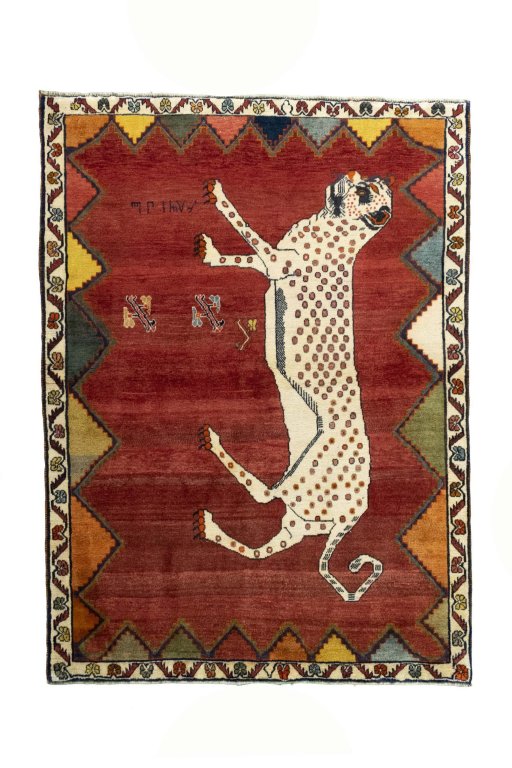
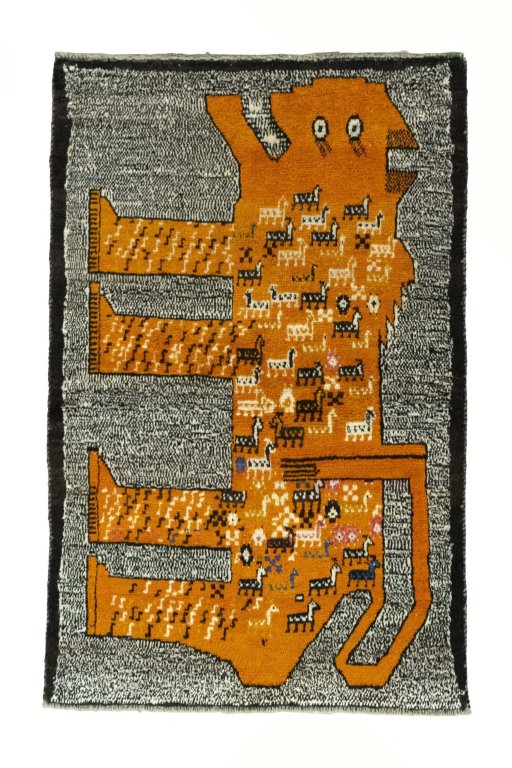
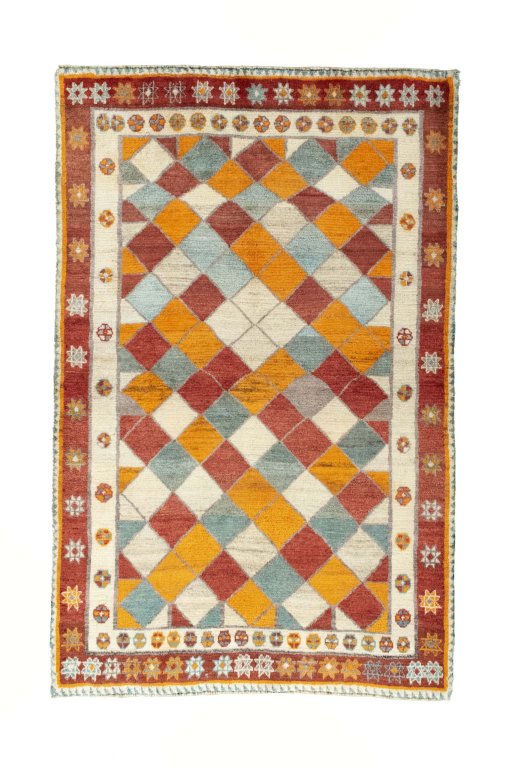
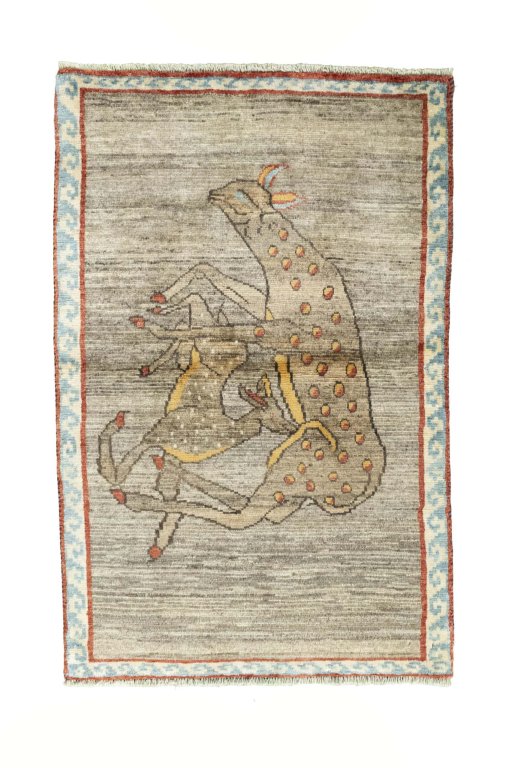
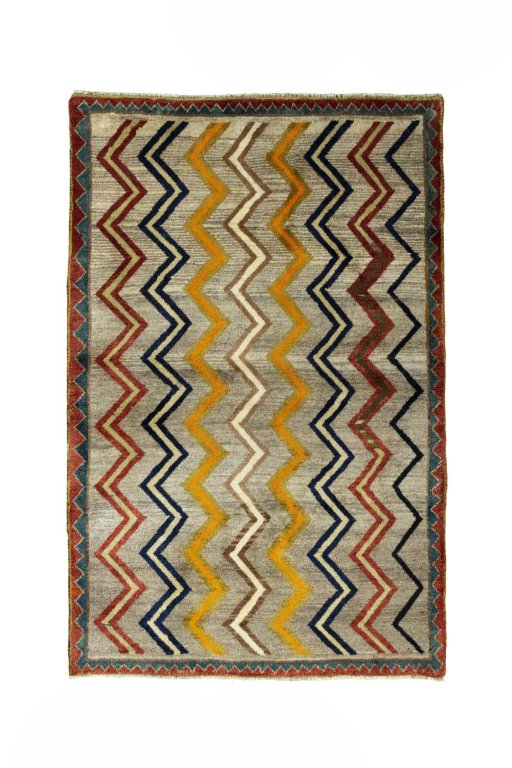
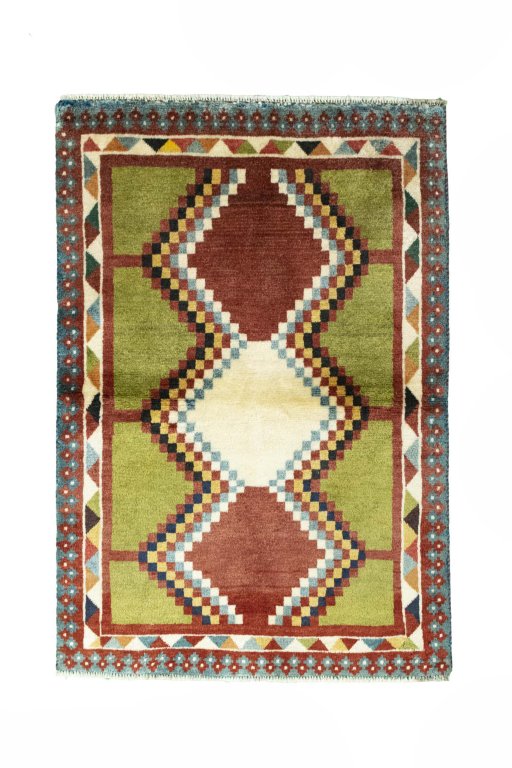
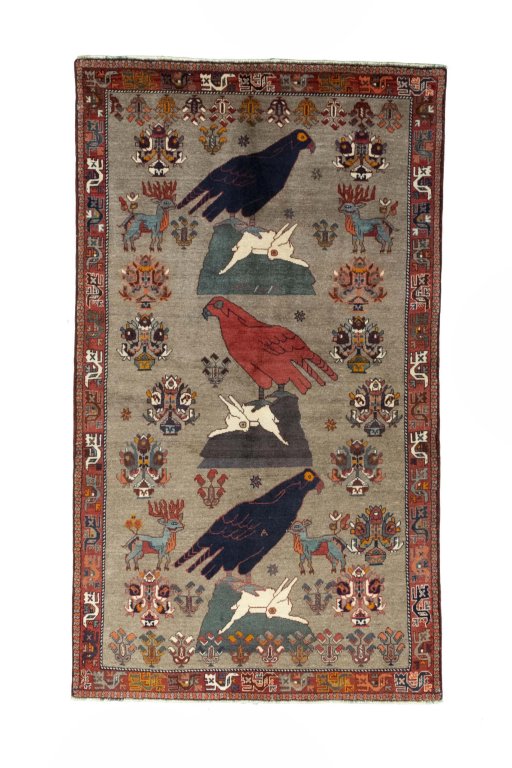
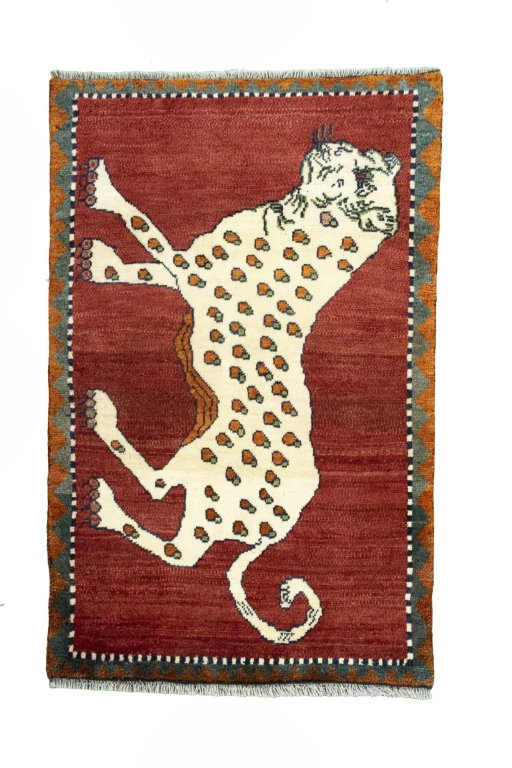
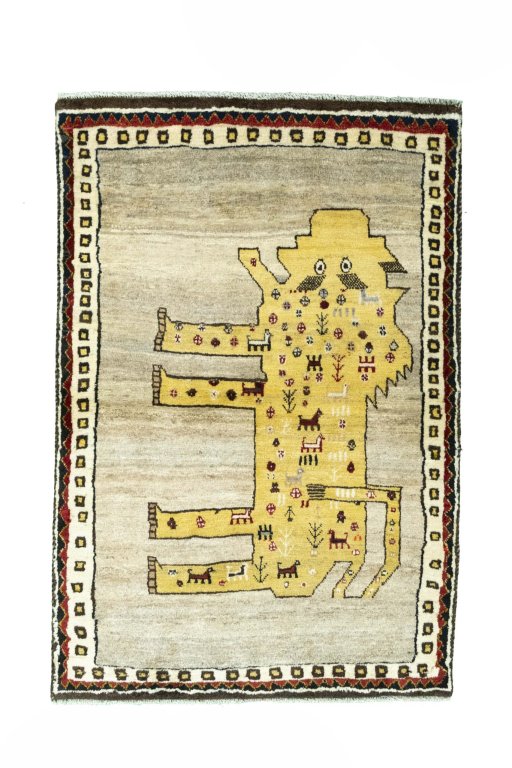
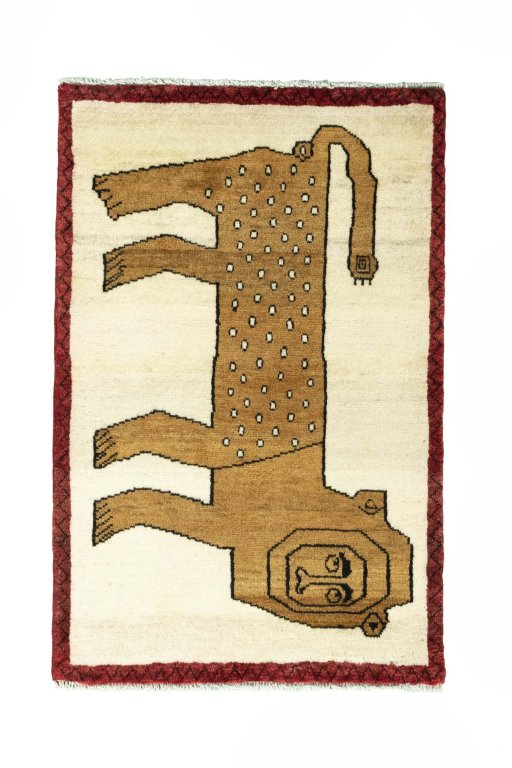
A gabbeh is a hand-knotted rug with a comparatively coarse knot and a long pile. This makes it thicker and softer underfoot than most classic Persian rugs. Instead of dense ornaments and medallions, gabbehs show large areas of colour, simple geometric shapes or small figures such as animals, trees and people.
They were traditionally knotted by nomadic families in south-western Iran for their own use, with wool from their own flocks. Today’s gabbehs keep this simple, direct style, which is exactly why they fit so well into contemporary rooms.
02
Colours and Designs
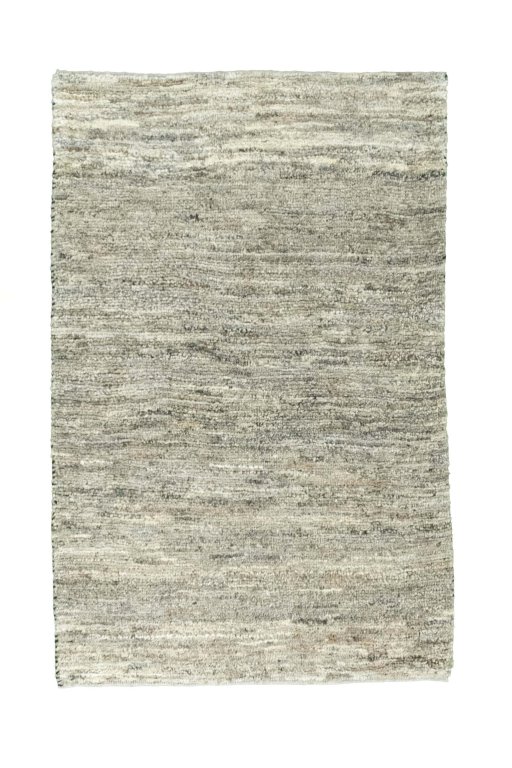
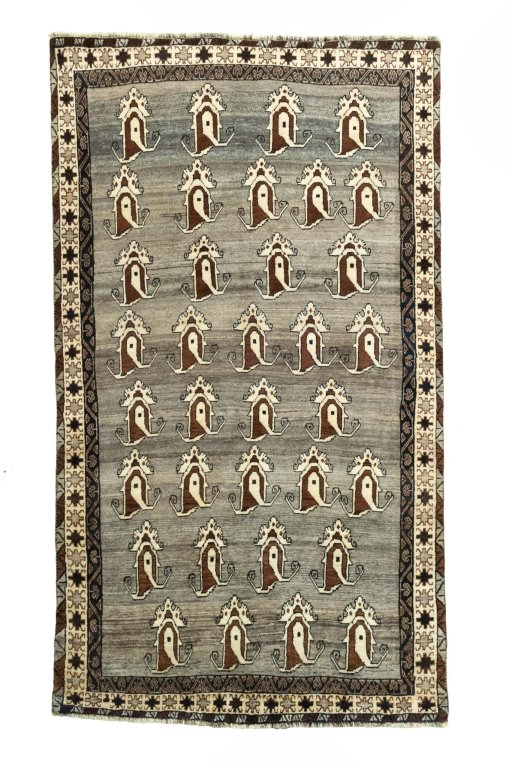
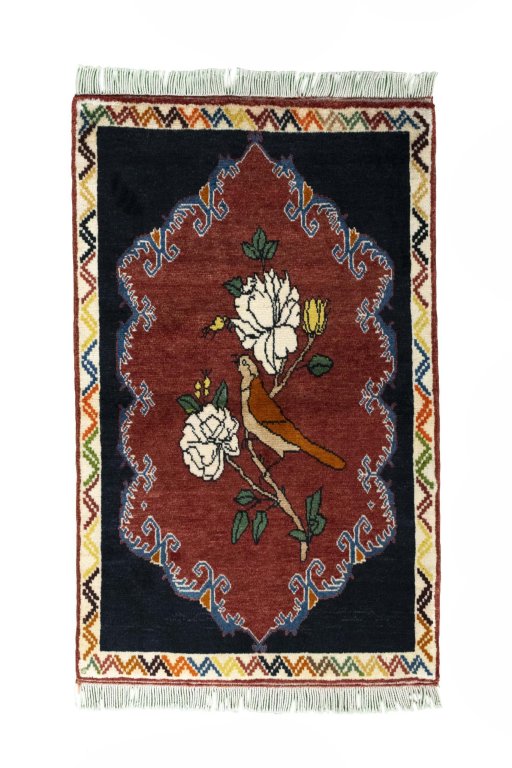
Red is the most common colour in our gabbeh collection, followed by beige, multicoloured pieces, grey, blue and green. Many rugs have a plain or slightly shaded field with only a few motifs, which lets the colour and the texture of the wool take centre stage.
The slight colour variations, known as abrash, come from different batches of dyed wool and are a typical feature of hand-knotted rugs, not a defect.
03
The Styles in Our Collection
Our range is divided into four subcategories.
Persian Gabbeh
Persian Gabbeh is by far our largest group, with well over 900 available pieces, almost all from Iran. Most were knotted in the 2000s, and many are new; there are also a few pieces from the 1970s and 1980s. Sizes range from small mats of about 40 × 55 cm to around 415 × 305 cm, including more than 50 runners. Prices start under €100 for small pieces.
Lori
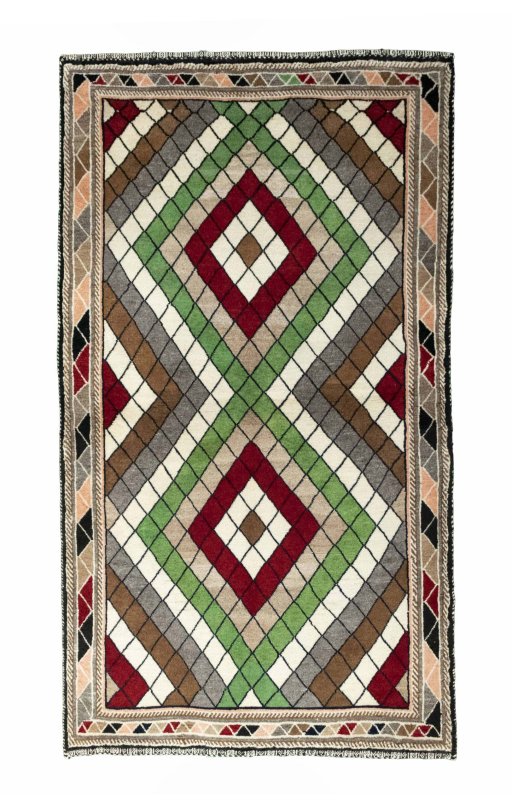
Our Lori rugs are named after the Lori people of western Iran. Many are sold as Gabbeh Loribaft, meaning “woven by the Lori”. They are usually somewhat finer and more densely knotted than a classic gabbeh and often show more pattern. Most of our more than 100 pieces are new, with a few from the 1980s, in sizes from about 89 × 66 cm to 386 × 290 cm and in red, cream, terracotta and brown tones.
Kilim Gabbeh
Kilim Gabbeh pieces combine the flat weave of a kilim with the simple motifs and colours of a gabbeh. They have no pile and are therefore thin and light. Our selection comes from Iran, includes new pieces and some from the 1980s, and ranges from about 95 × 94 cm to 249 × 201 cm. For more flatweaves, see our modern kilim rugs.
Gabbeh Loribaft
The small Gabbeh Loribaft subcategory currently includes new pieces from Afghanistan, knotted in the Loribaft style, in medium sizes of up to about 2 metres.
04
Gabbeh Rugs in Your Home
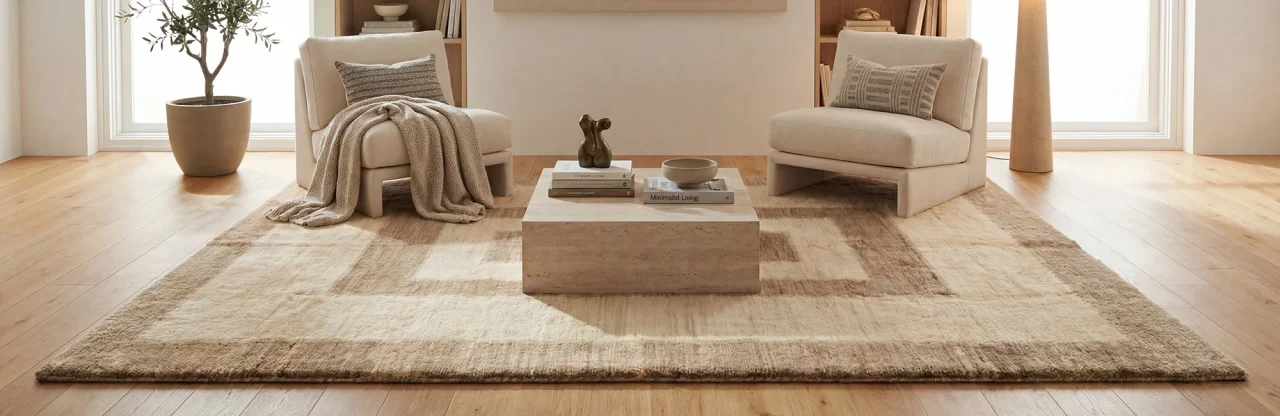
A gabbeh works well wherever you want warmth without a busy pattern. In a minimalist or Scandinavian room, a beige or grey gabbeh adds texture; a red or multicoloured piece becomes the focal point of a plain living room. Its thick pile also makes it a comfortable rug beside the bed or in a children’s room. Our article on the minimalist living style shows how to combine handmade rugs with clean lines.
You can read more about the origin of gabbehs, the different types and styling ideas in our guide to gabbeh rugs.
05
Care and Durability
Thanks to their dense wool pile, gabbehs are hard-wearing and well suited to everyday use. Vacuum regularly without a rotating brush, turn the rug from time to time and remove stains quickly with a damp cloth. Our guide to caring for hand-knotted rugs explains the details.
06
Personal Advice and Our Showroom
07
Frequently Asked Questions About Gabbeh Rugs
Short answers to the questions we hear most often.
What is a gabbeh rug?
A gabbeh is a hand-knotted wool rug from Iran with a long, thick pile and simple designs. It originates from the weaving traditions of nomadic communities in the south-west of the country.
What is the difference between Gabbeh and Loribaft?
Loribaft rugs are a related style named after the Lori people. They are usually knotted somewhat more finely and densely than a classic gabbeh and often show more pattern.
Are gabbeh rugs suitable for children’s rooms?
Yes. The thick, soft wool pile is comfortable to sit and play on, and wool is naturally hard-wearing. On smooth floors, use a non-slip rug pad.
Do gabbeh rugs shed?
New hand-knotted wool rugs can lose some loose fibres at first. This decreases with regular vacuuming and is normal.
How do I clean a gabbeh?
Vacuum without a rotating brush, dab stains with a damp cloth instead of rubbing, and have the rug professionally cleaned when needed.