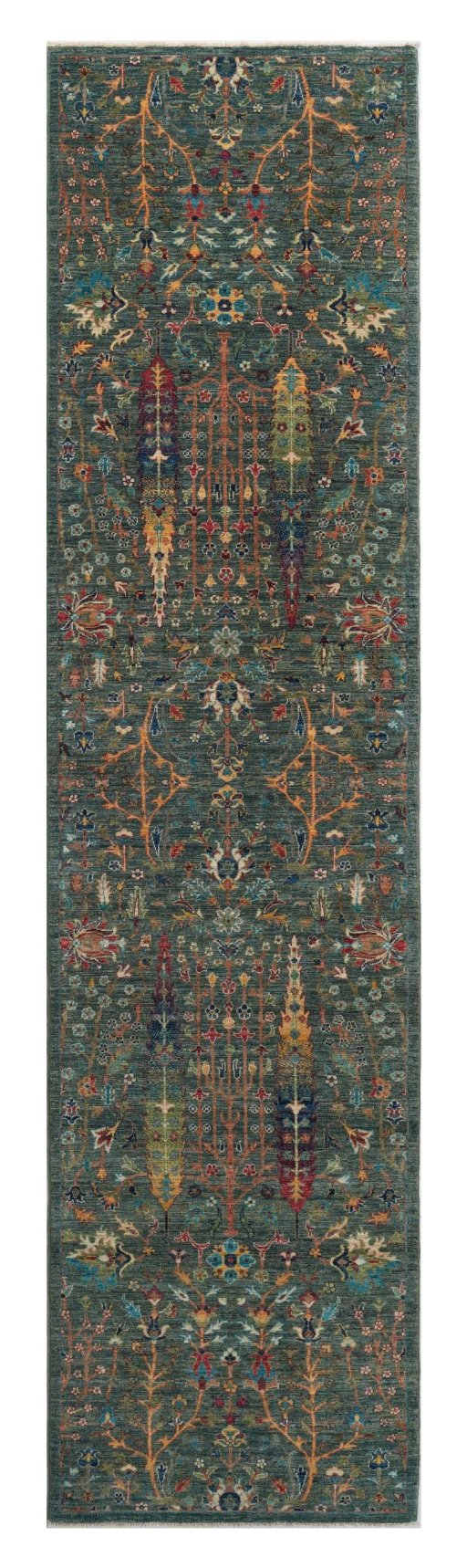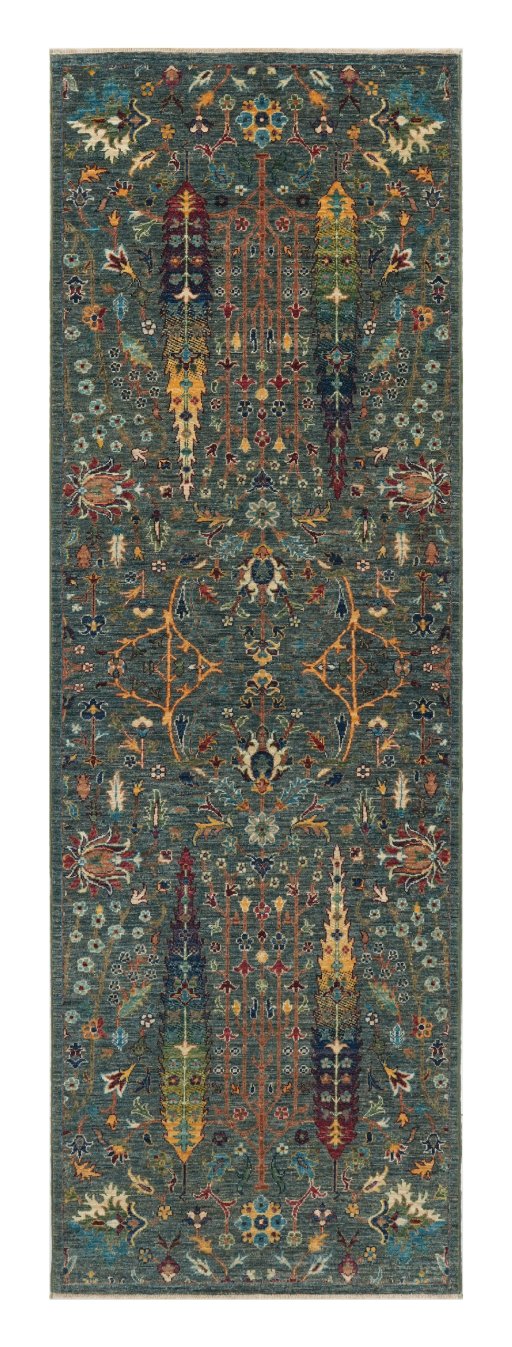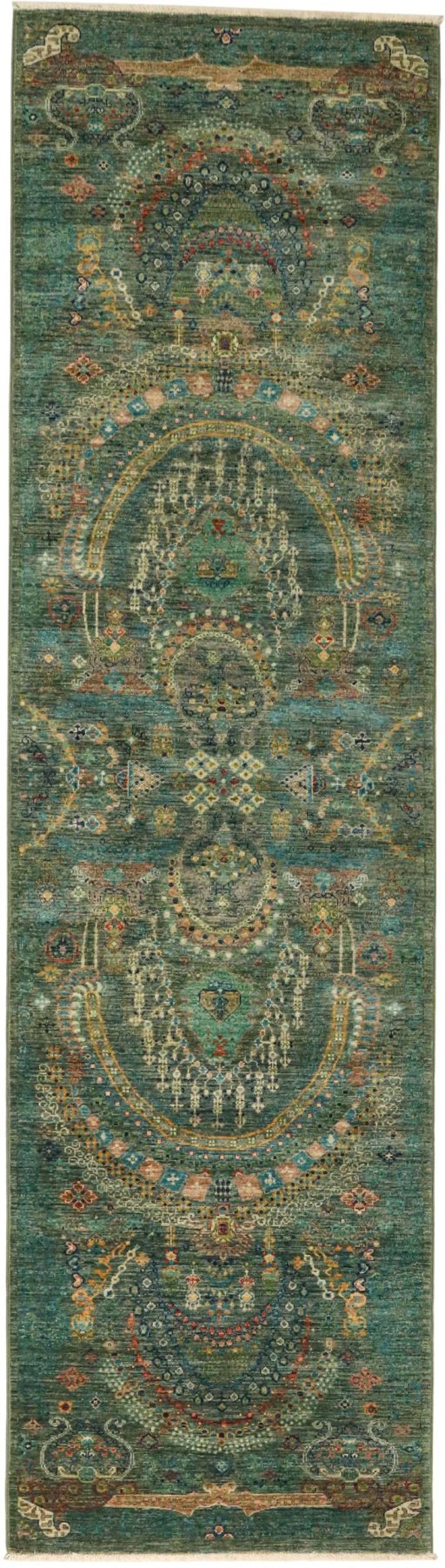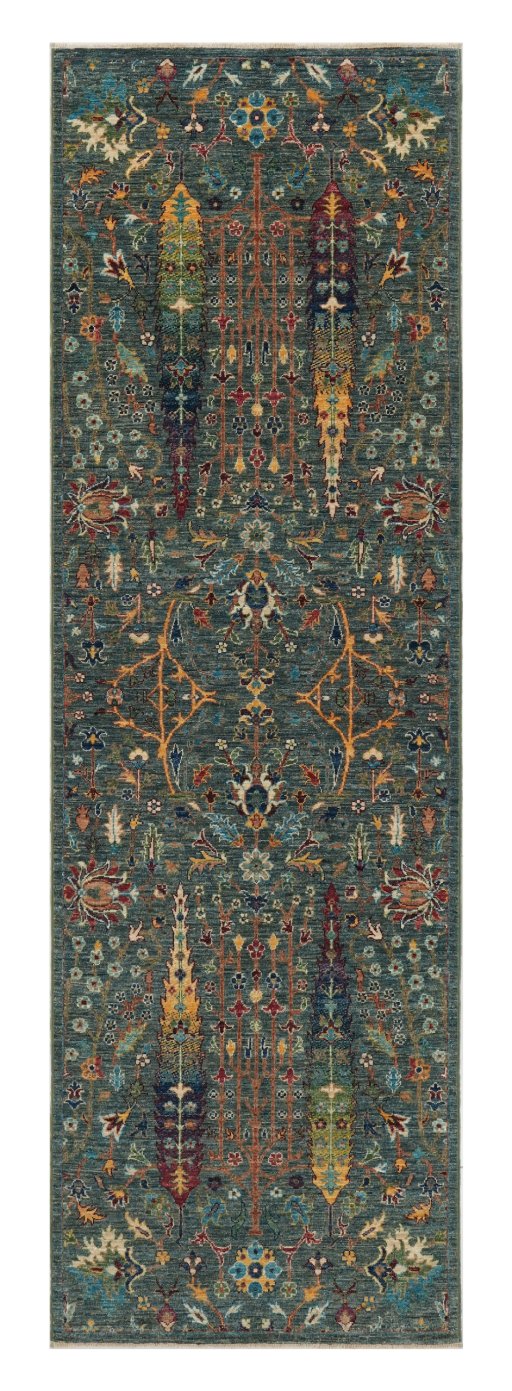
About Haj-jalili Rugs
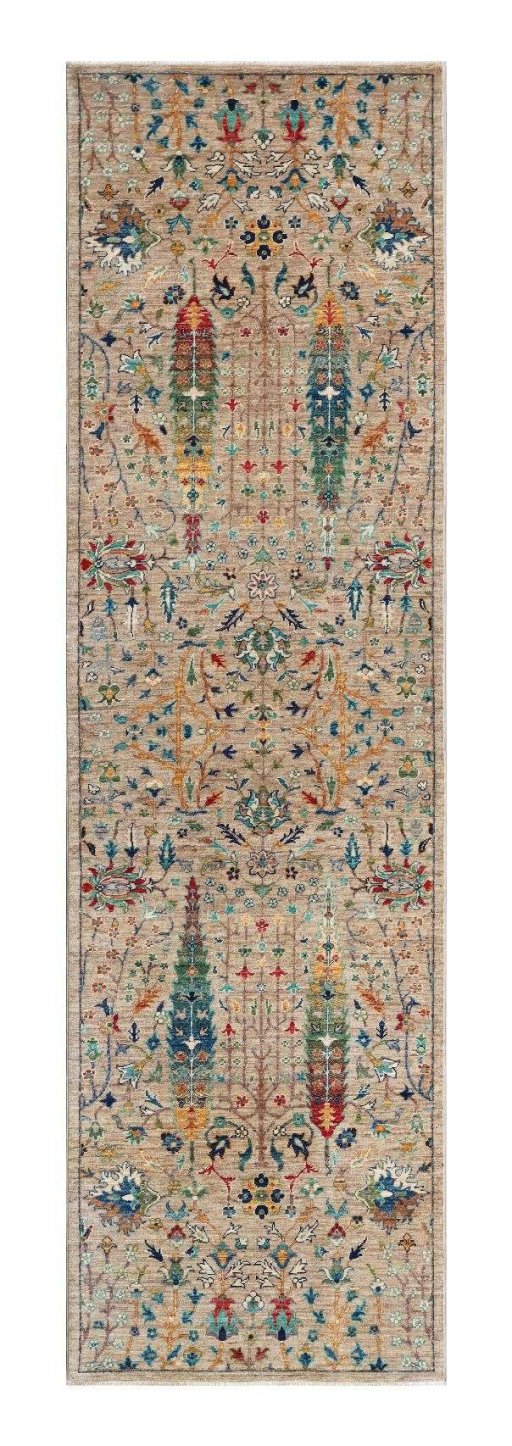
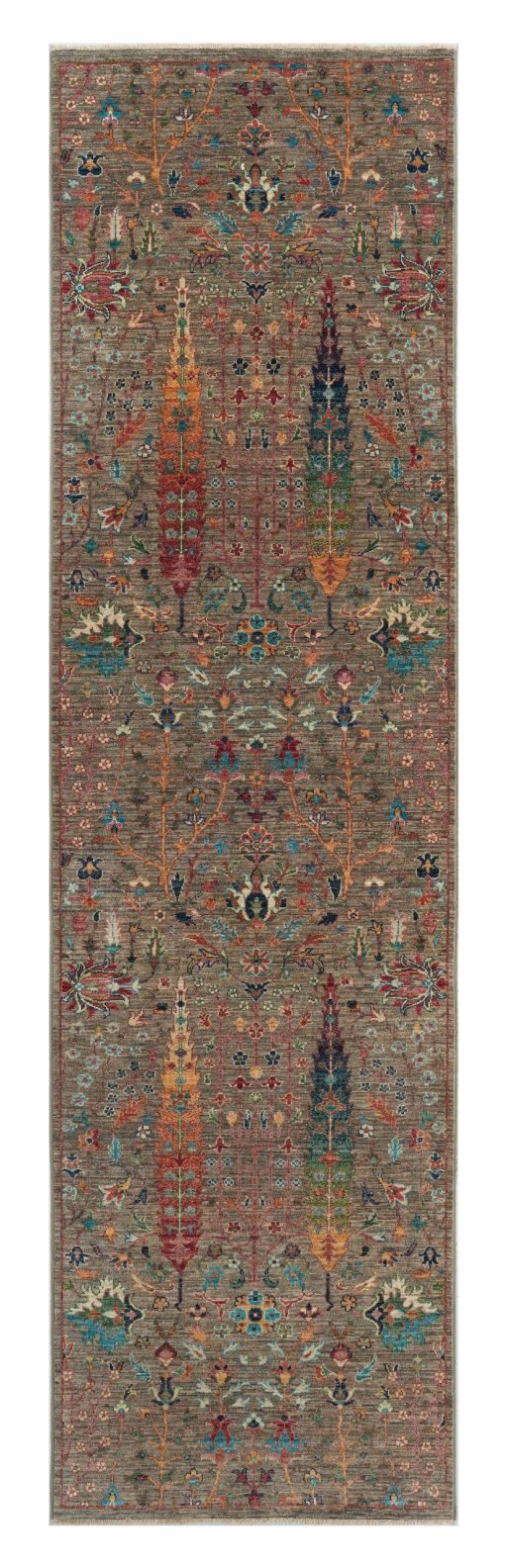
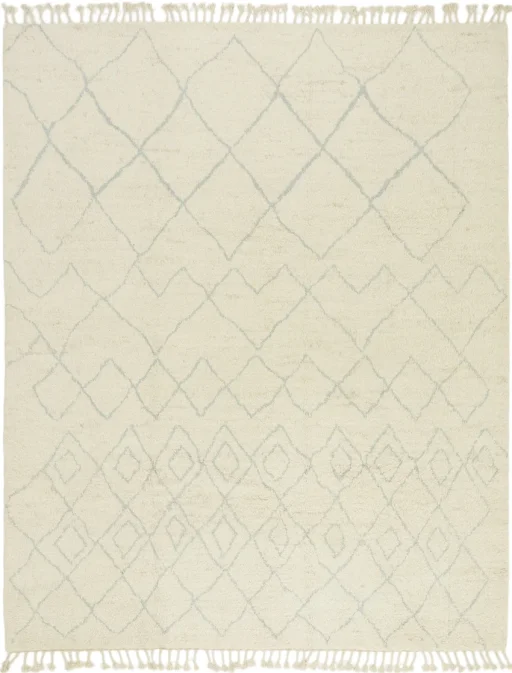
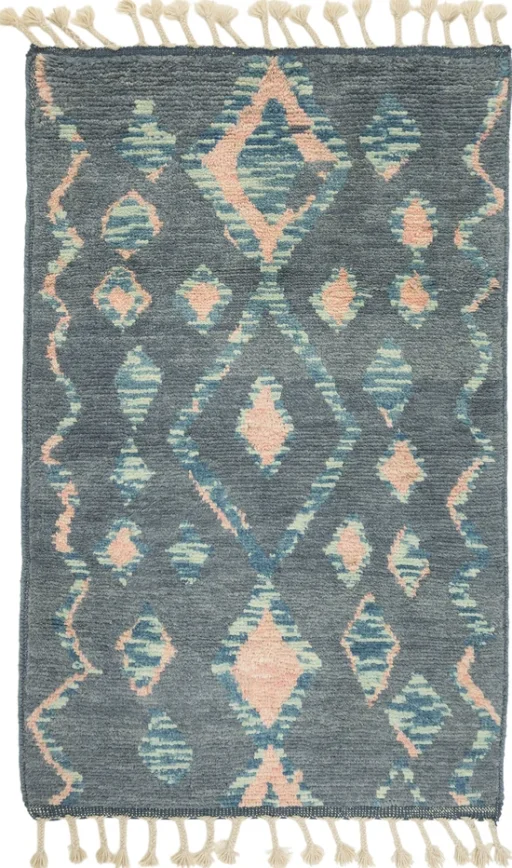
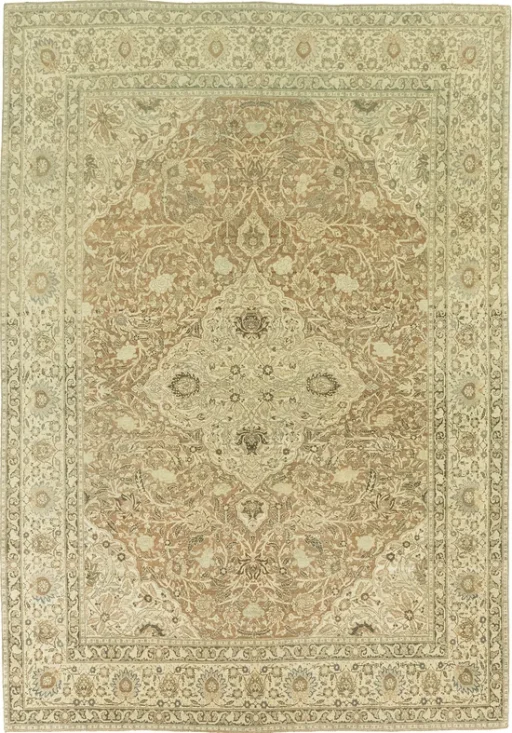
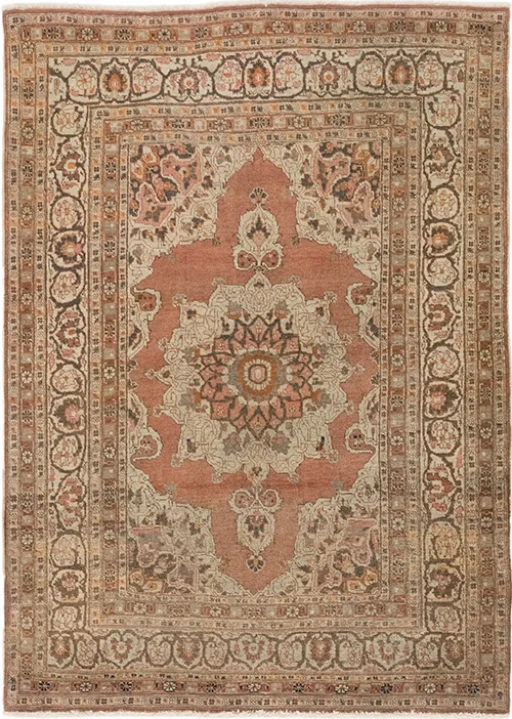
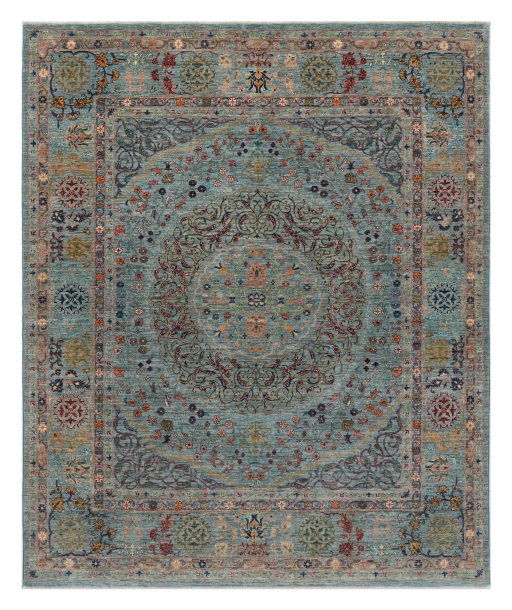
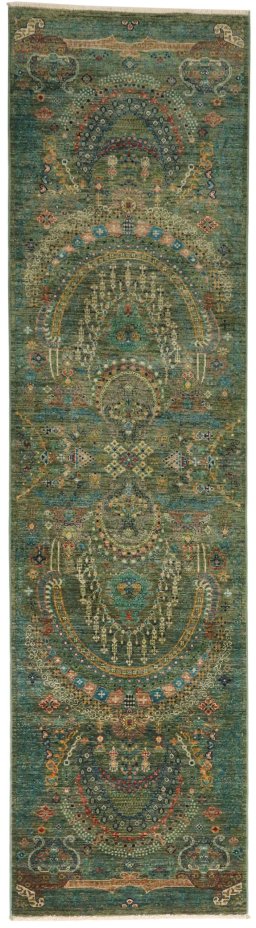
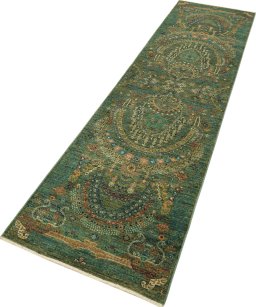
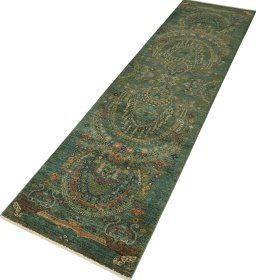
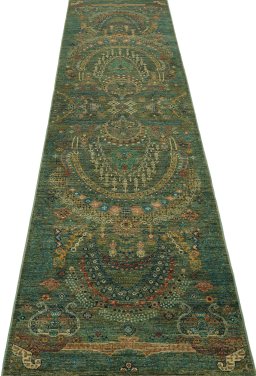
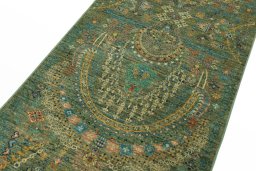
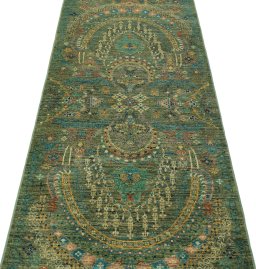
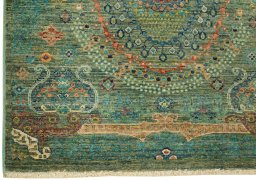
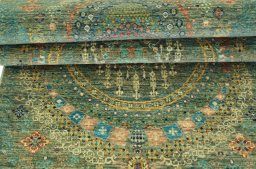
Inspired by the legacy of the 19th-century Persian master weaver Haji Jalili of Tabriz, these carpets are hand-knotted in Pakistan by skilled artisans. They are known for floral motifs and medallion designs, and they come in soft color palettes such as ivory, beige, light blue, and rose. Made from high-quality wool with a cotton foundation, they have a fine knot density that makes them durable and gives the pile a soft texture.
Handmade Craftsmanship
Every rug at Rugbloom is made by hand. Most are hand-knotted, knot by knot, by skilled weavers who follow the centuries-old tradition of their region, while others are woven or felted by hand. Depending on its size and knot density, a single hand-knotted rug can take anywhere from several months to several years to complete. This slow process means each piece has small variations in tension, dye batch, and motif rendering. These are not flaws, but signs that the rug in front of you is unlike any other.
Materials & Natural Fibers
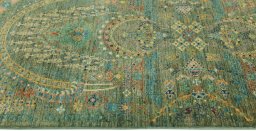
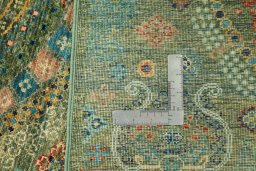
Handmade rugs are built on centuries of material knowledge. The pile is typically hand-spun wool, valued for its lanolin content and resilience, sometimes accented with silk for luminous highlights on finer pieces. The foundation is usually cotton, wool, or silk, chosen for its stability. This particular piece combines a Wool pile on a Cotton foundation. Traditional natural dyes, such as madder root for reds, indigo for blues, and walnut hulls for browns, soften over the decades rather than fading.
Care & Fair Sourcing
Cared for properly, a hand-knotted rug lasts for generations. Most antique pieces in this collection are already 60 to 120 years old. Vacuum gently without a beater bar, rotate the rug every six months to even out wear, keep it out of prolonged direct sunlight, and have it professionally washed every five to seven years. Every piece at Rugbloom is sourced directly from family workshops and co-operatives that pay fair wages and strictly exclude child labor. Buying a Rugbloom rug supports the weavers whose hands made it and the tradition that trained them.