01
Where Ziegler Rugs Come From – Then and Now
In the late 19th century, the Anglo-Swiss trading firm Ziegler & Co. saw a gap in the market. European buyers admired Persian rugs, but many found the deep reds and crowded patterns too heavy for their drawing rooms.
The firm therefore organised rug production in the Sultanabad region of western Persia, around today's Arak. Local weavers worked with traditional Persian motifs, but on a larger scale, with more space between them and in paler, softer colours. Production came to an end in the early 20th century, and antique pieces from that period are now sought after.
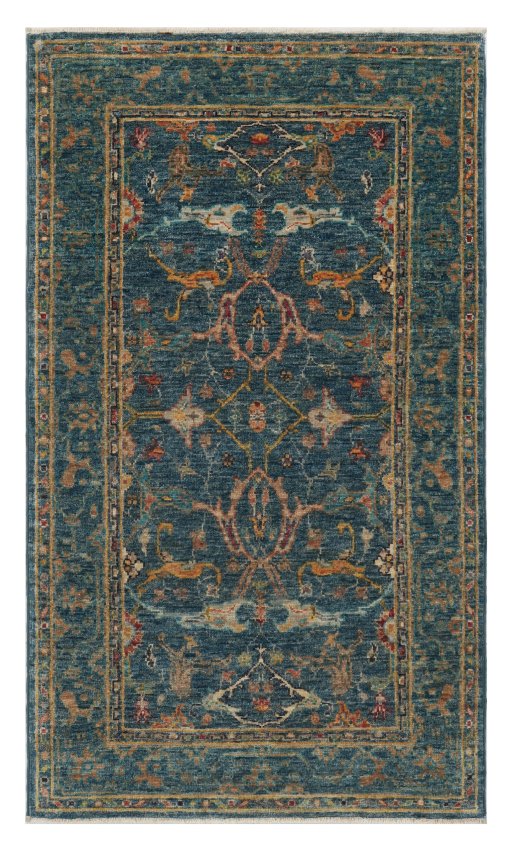
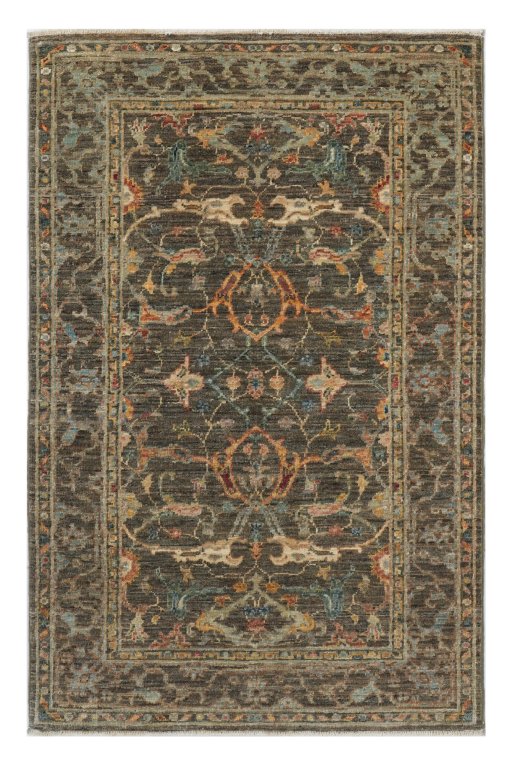
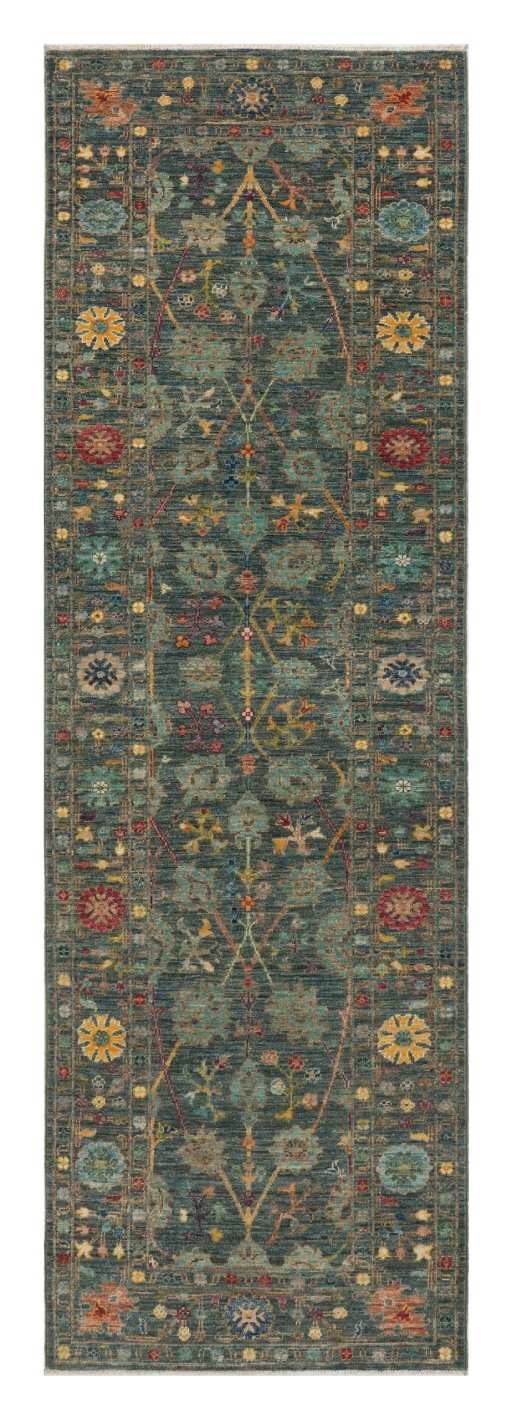
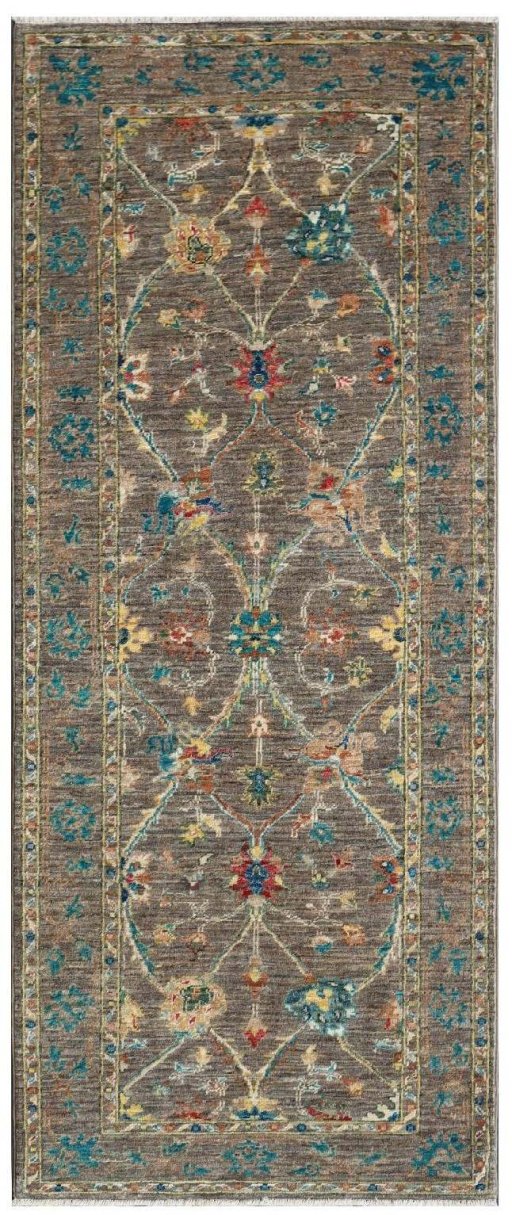
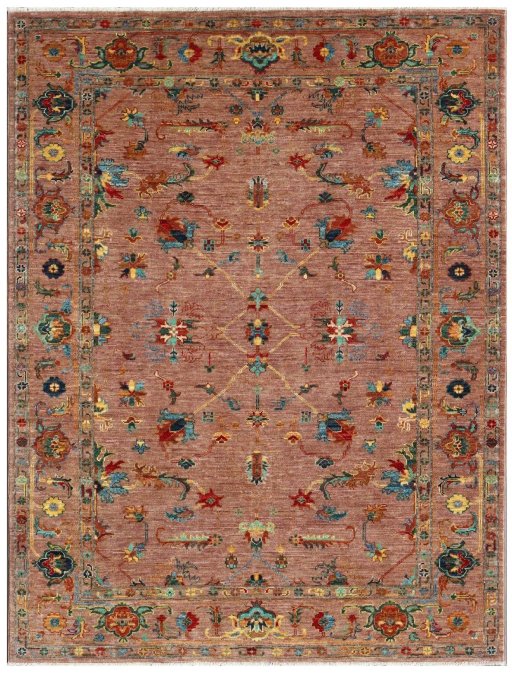
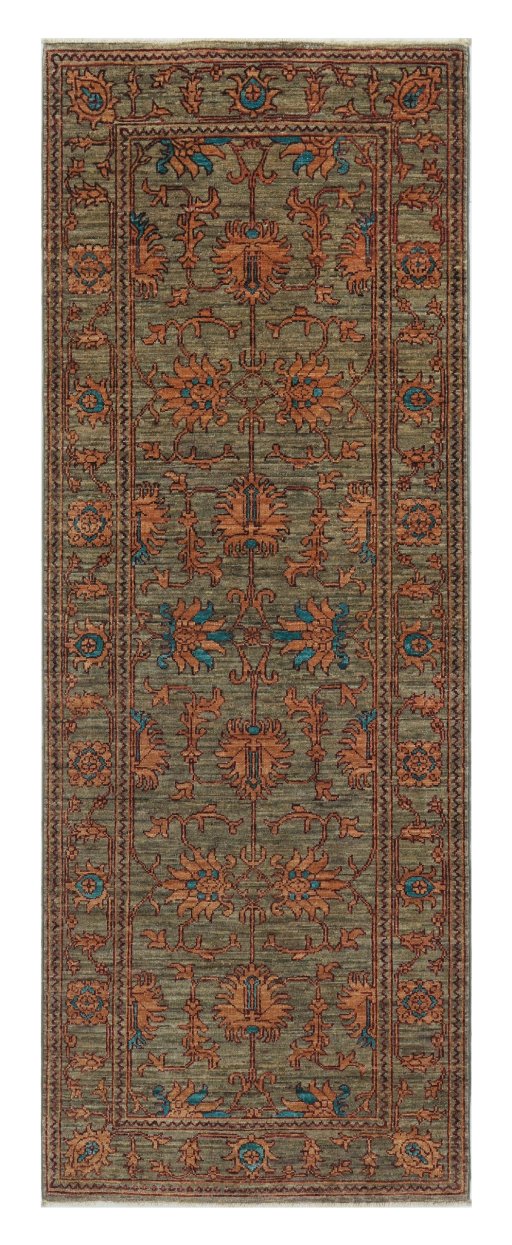
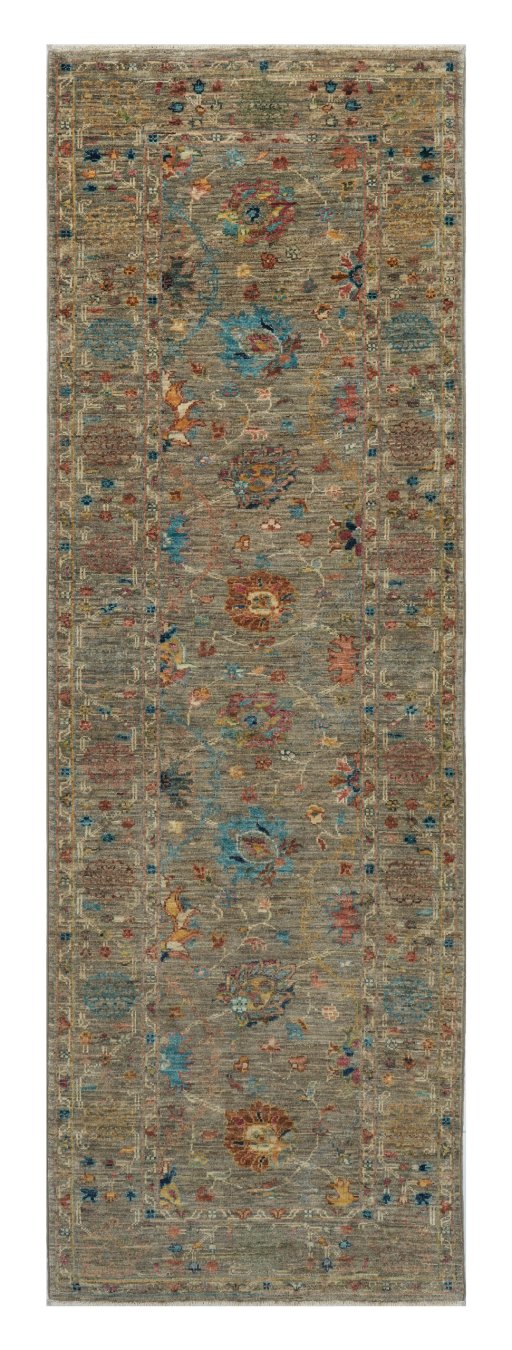
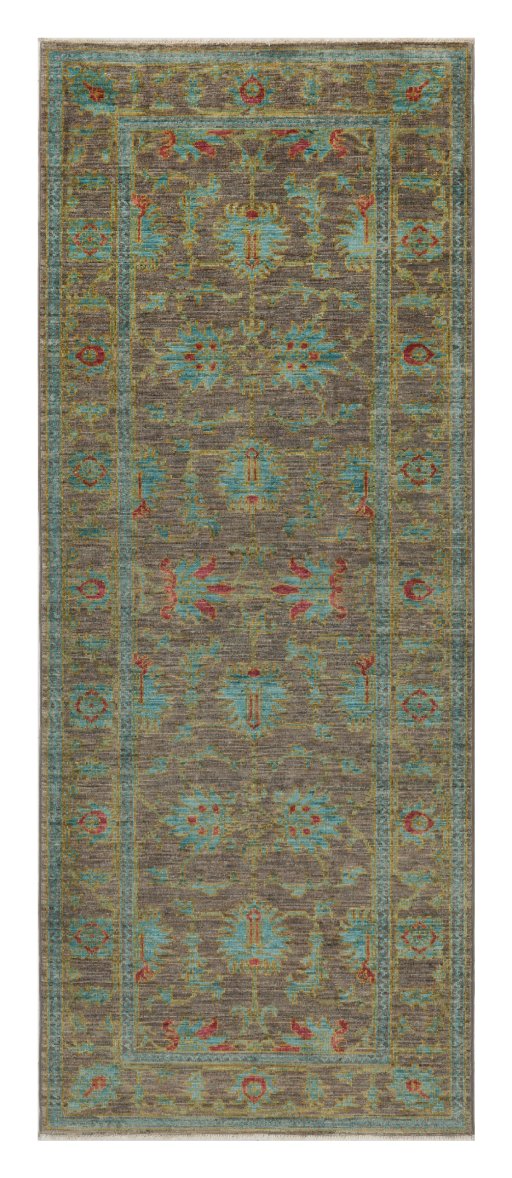
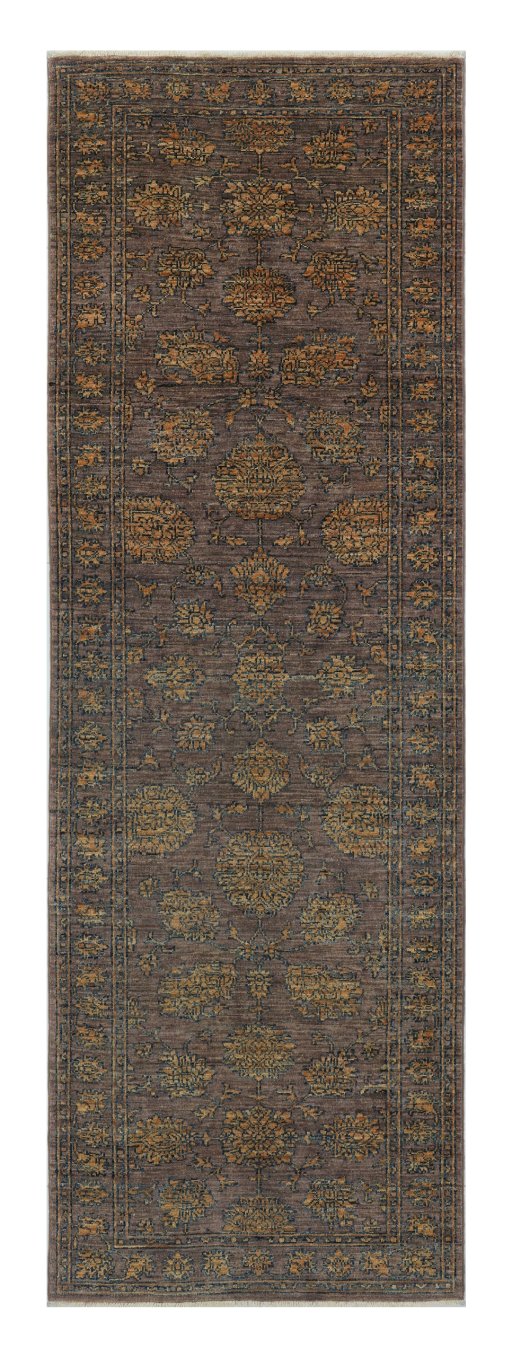
The name outlived the company. Whether you search for a Ziegler rug or a Ziegler carpet, the term today describes a style rather than a single workshop: open, large-scale floral designs in muted tones. Our collection includes antique Ziegler Mahal rugs from Persia as well as newer hand-knotted pieces in this tradition from Iran, Pakistan and India. The age and origin of each rug are listed on its product page.
02
Patterns and Colour Palette
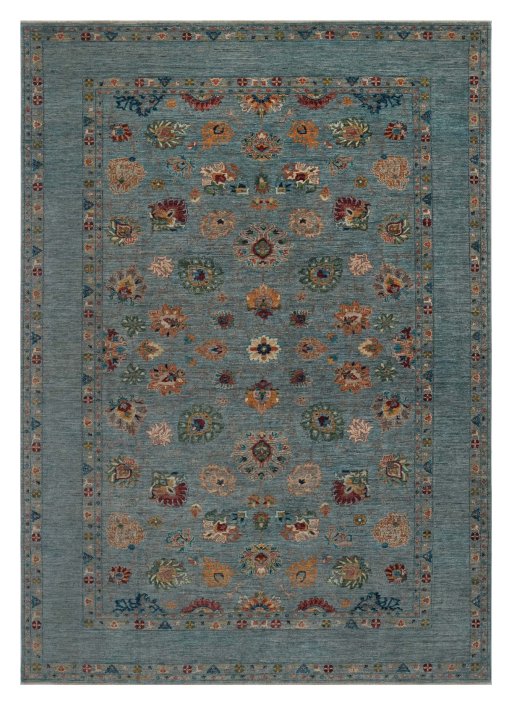
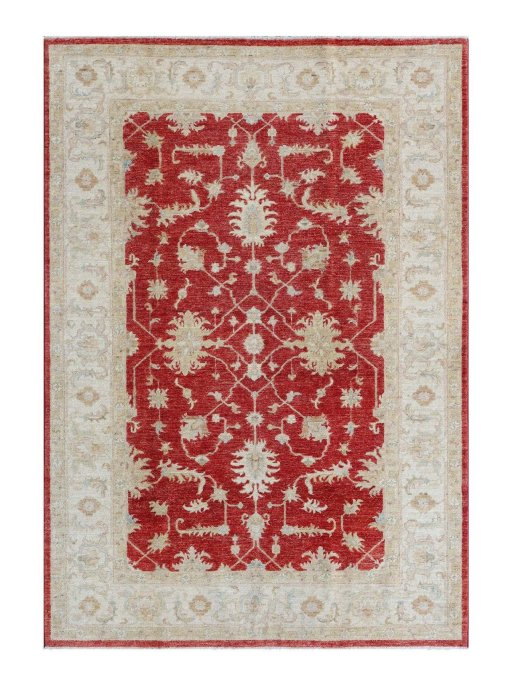
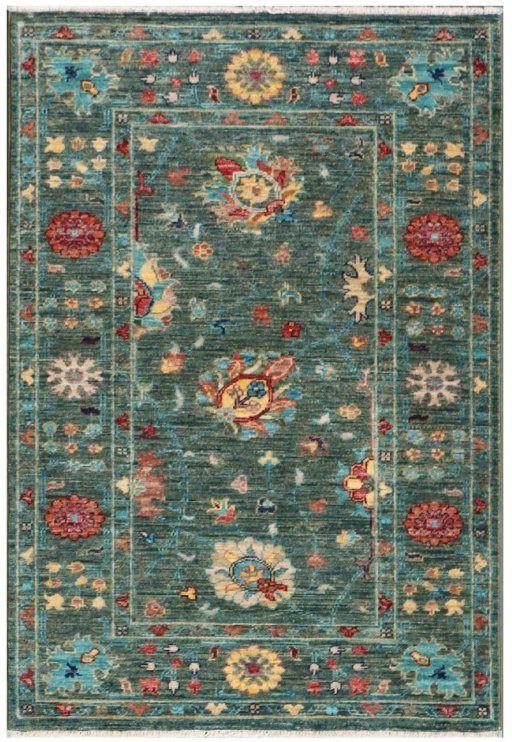
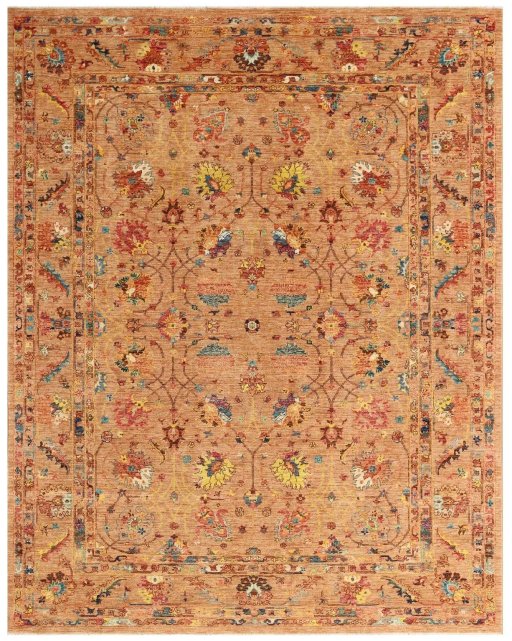
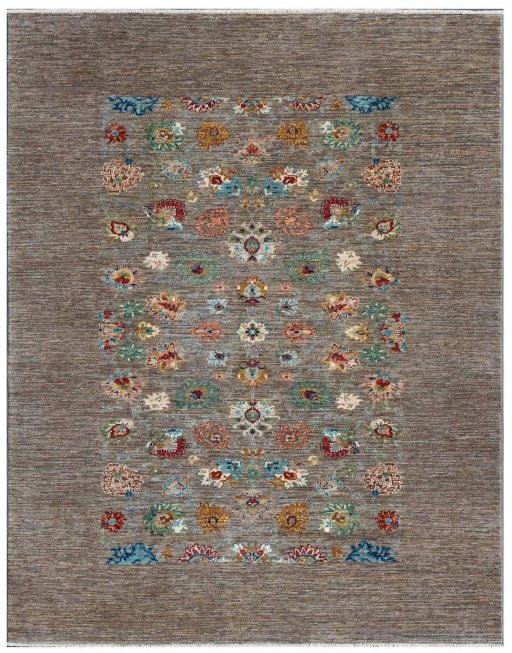
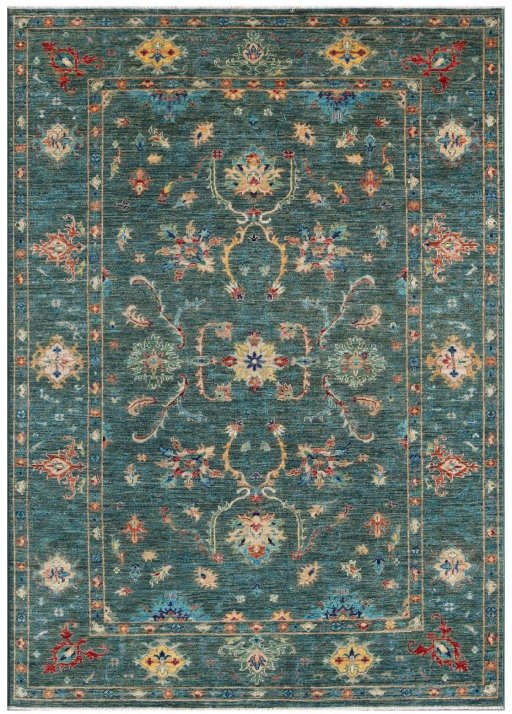
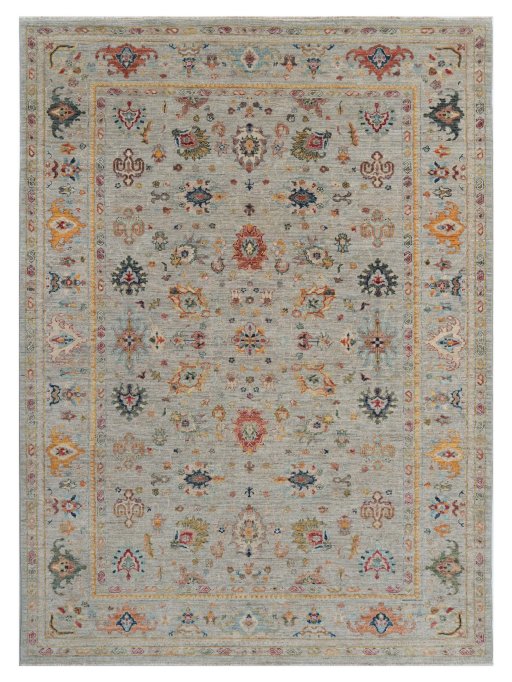
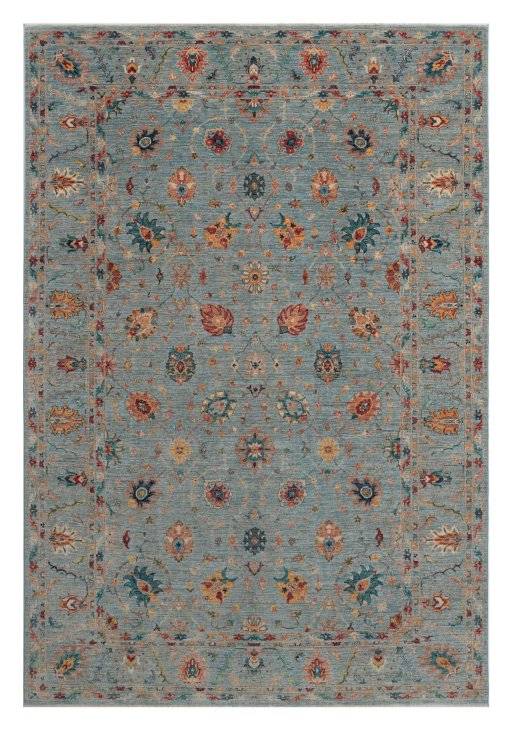
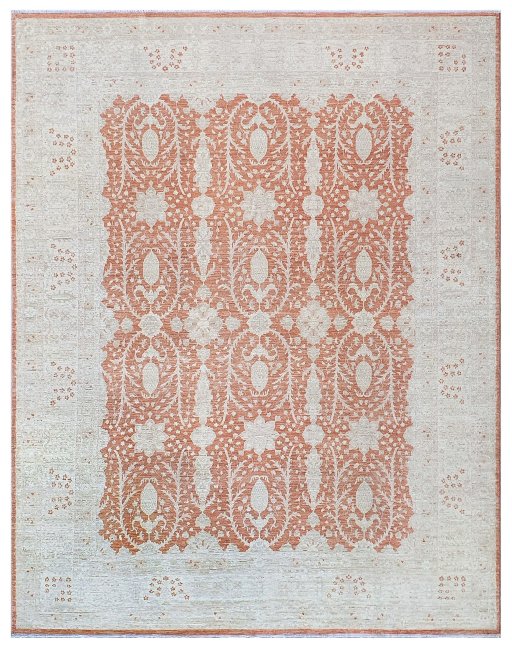
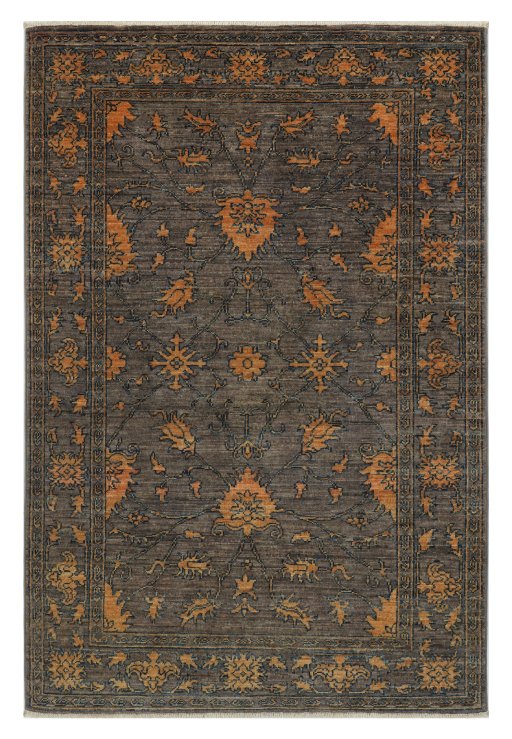
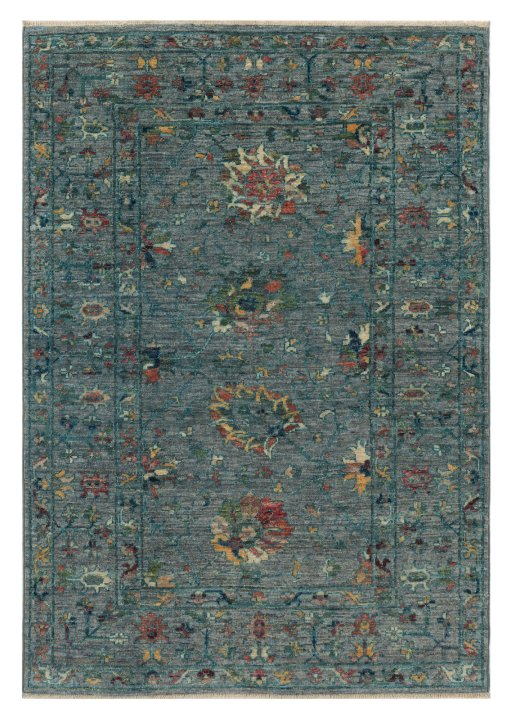
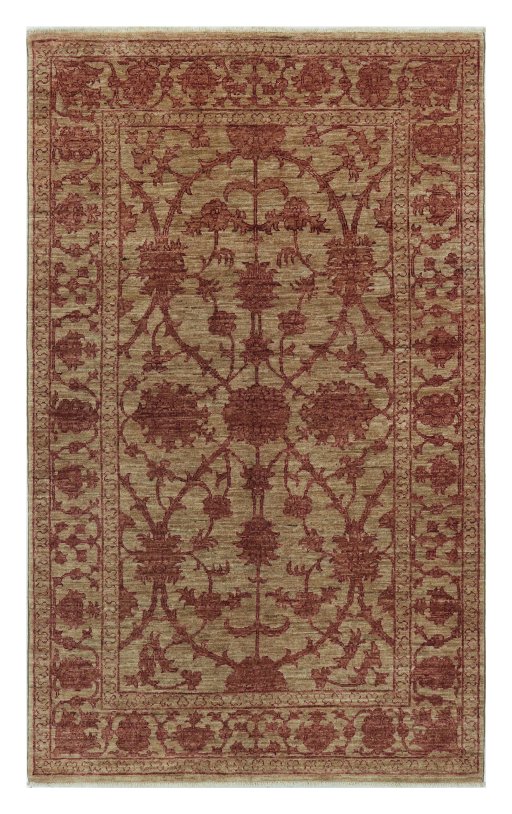
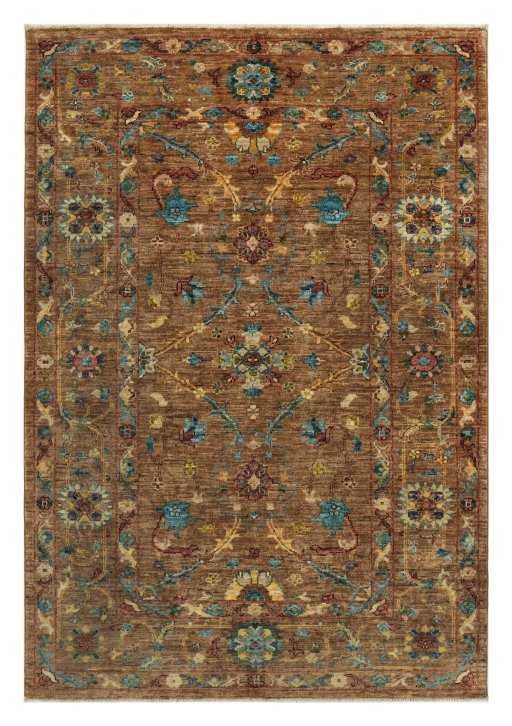
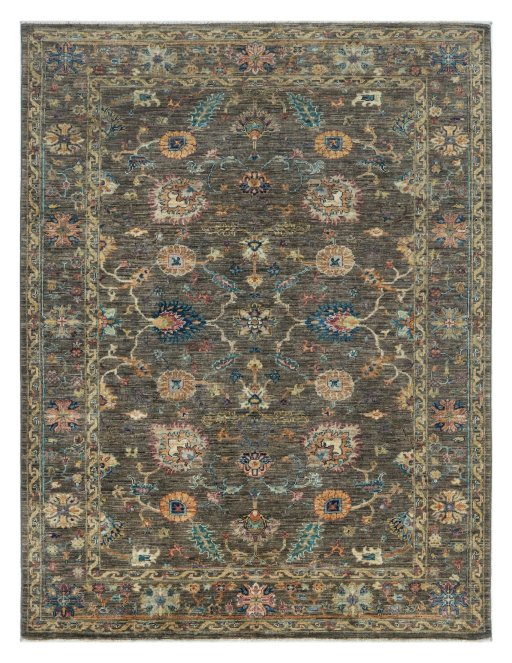
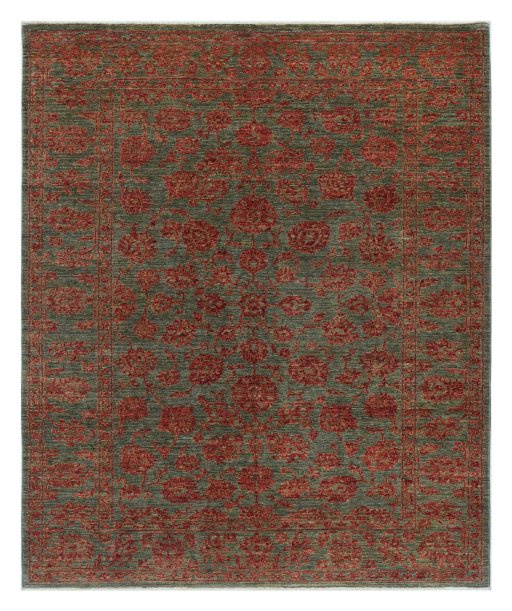
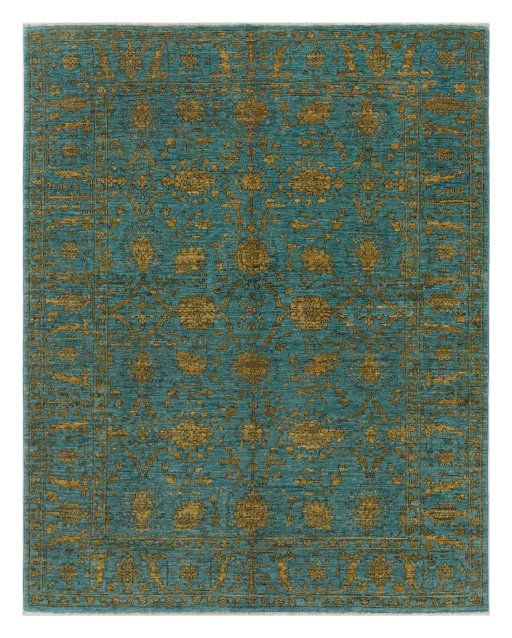
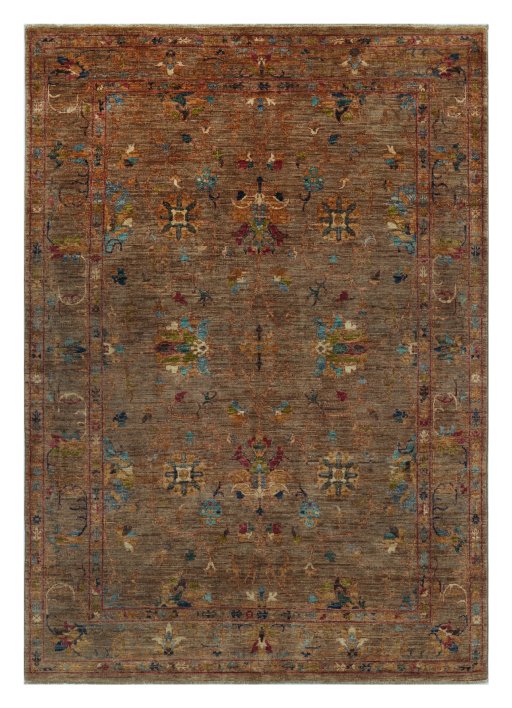
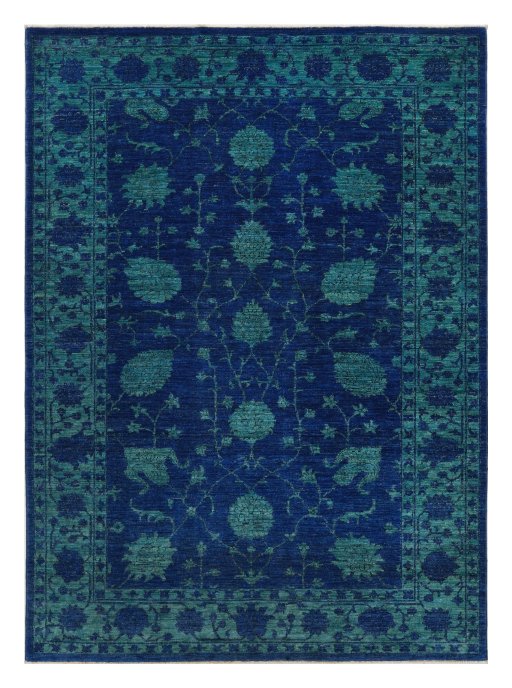
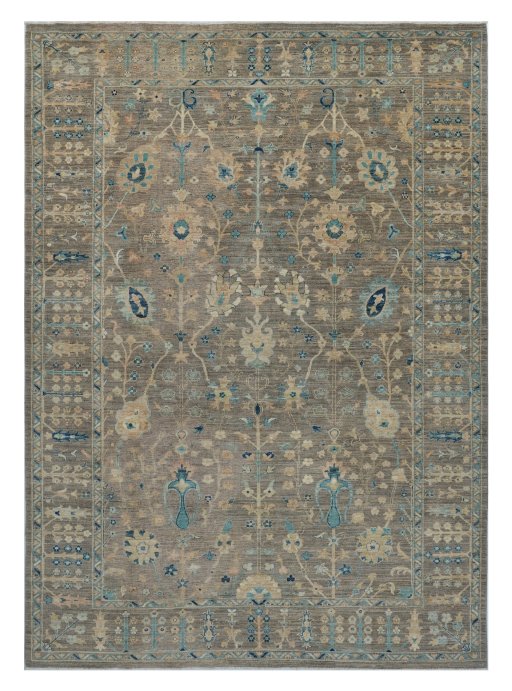
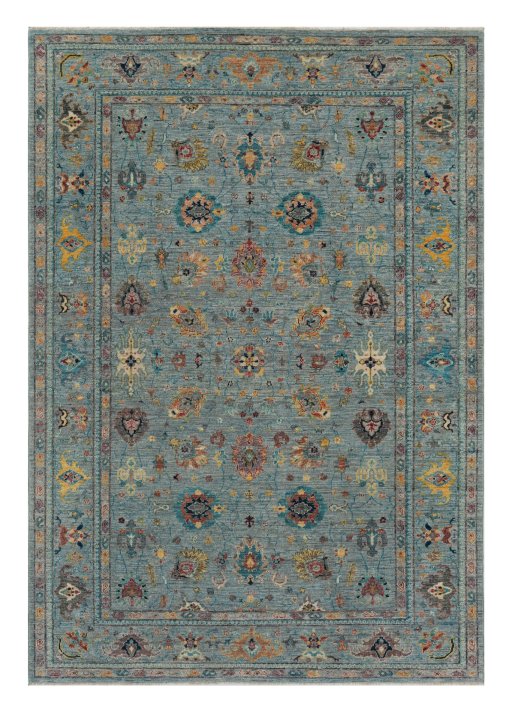
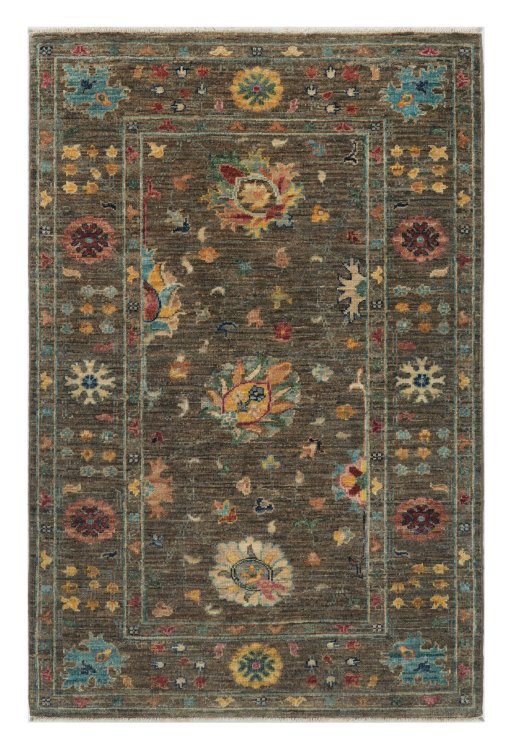
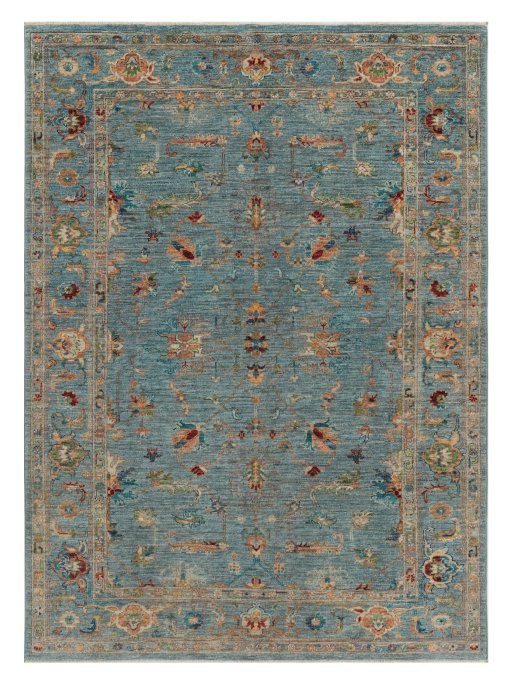
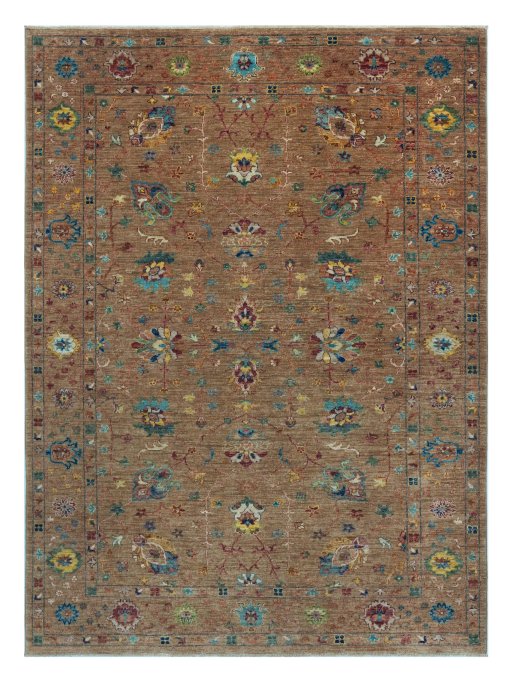
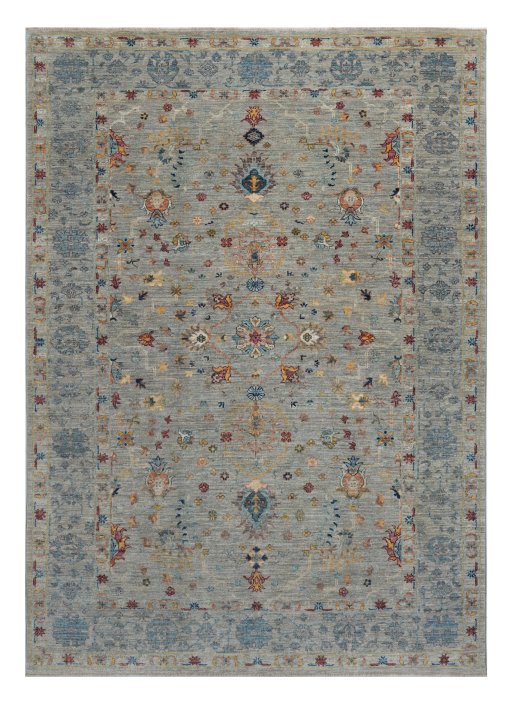
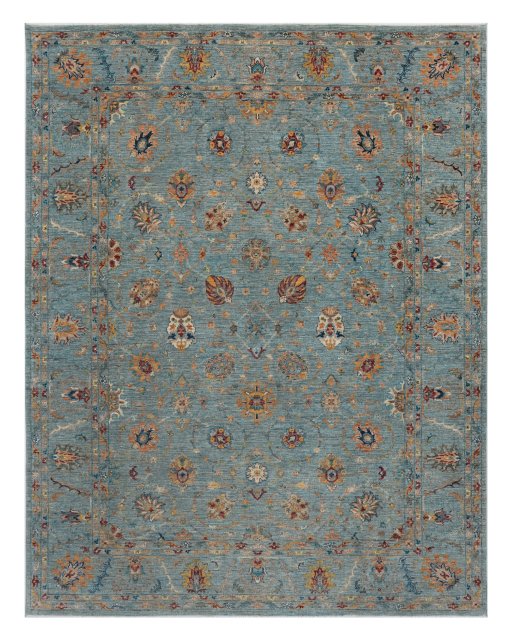
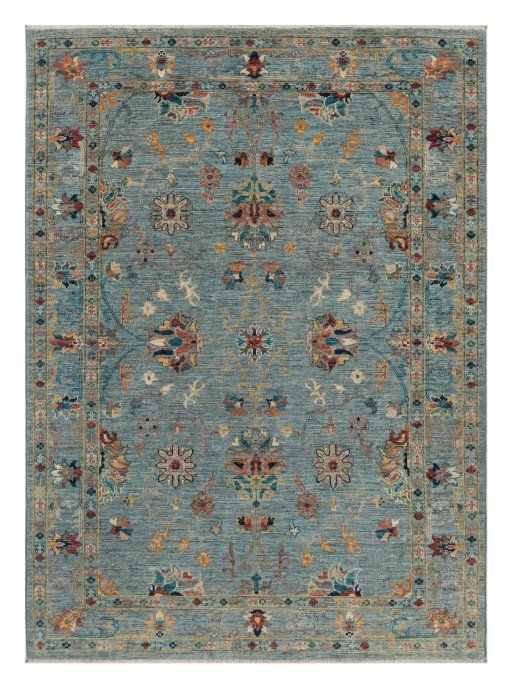
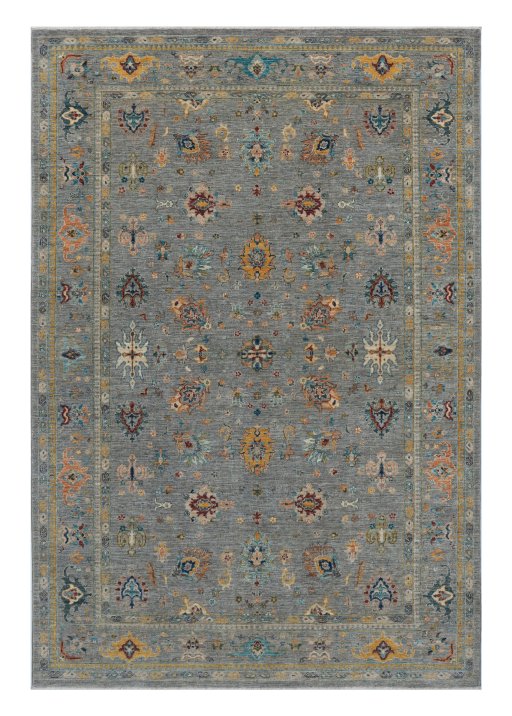
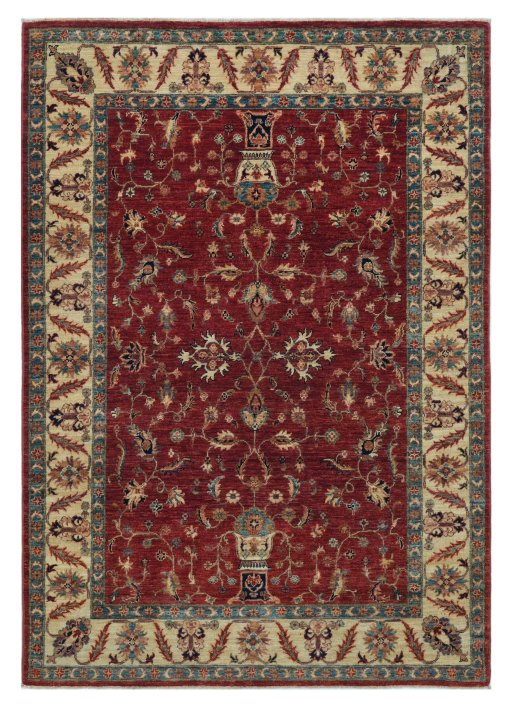
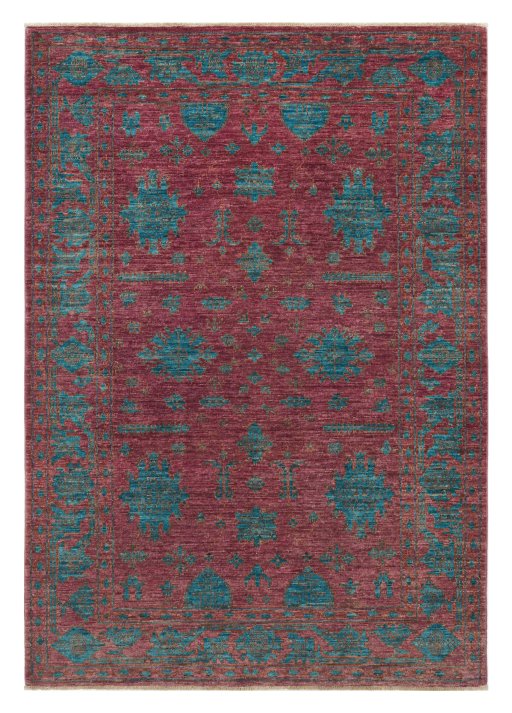
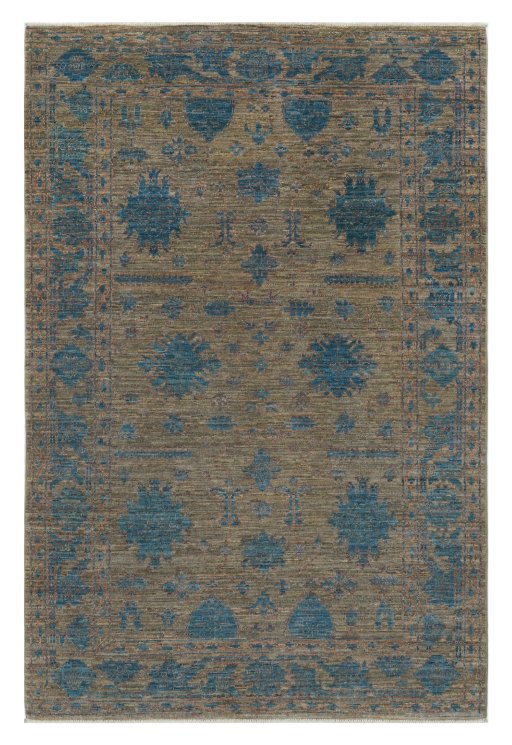
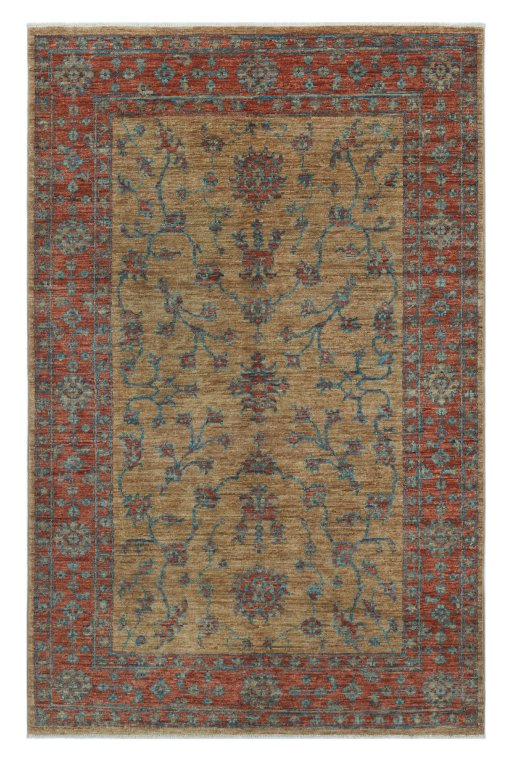
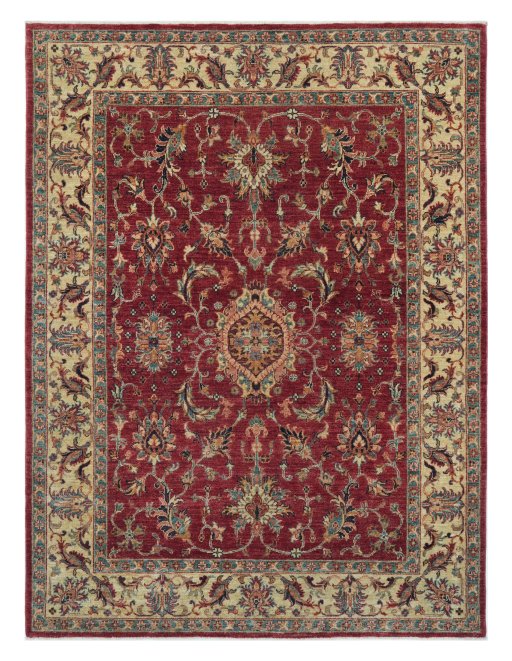
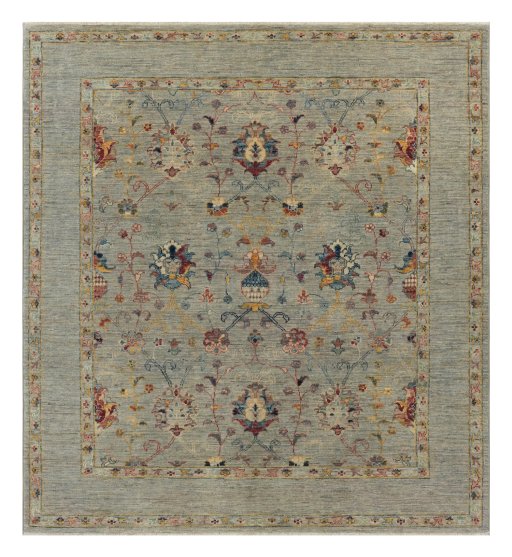
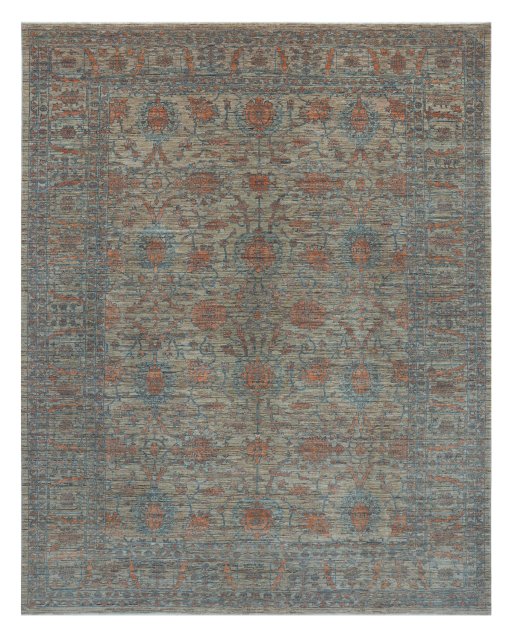
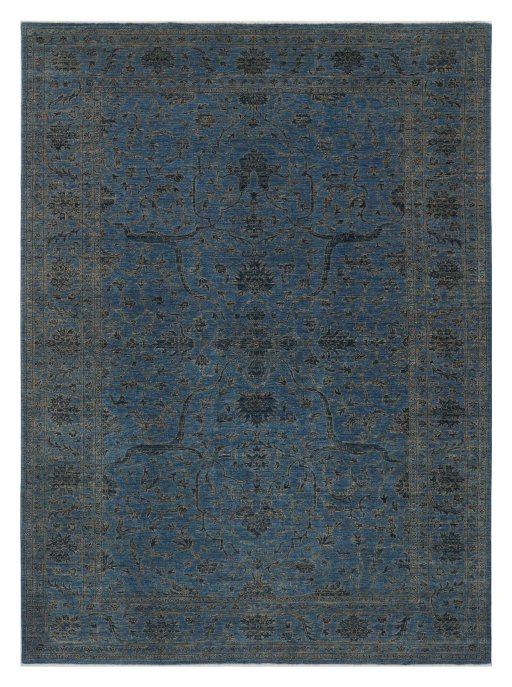
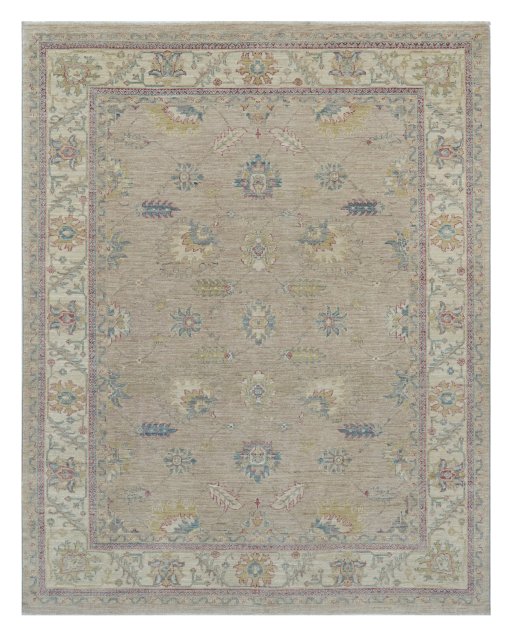
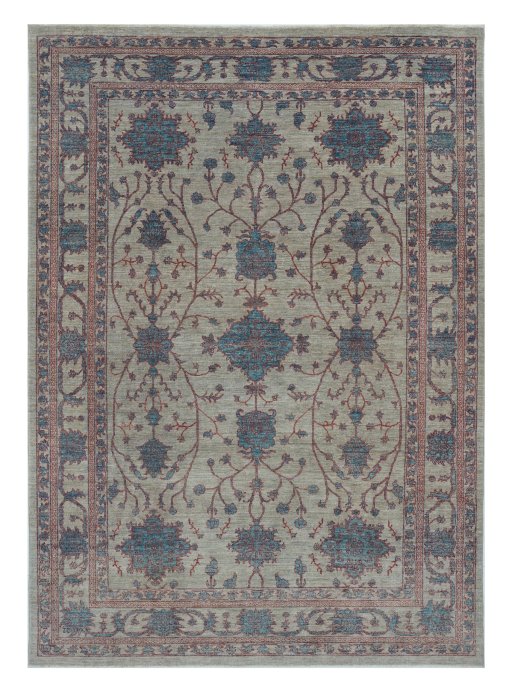
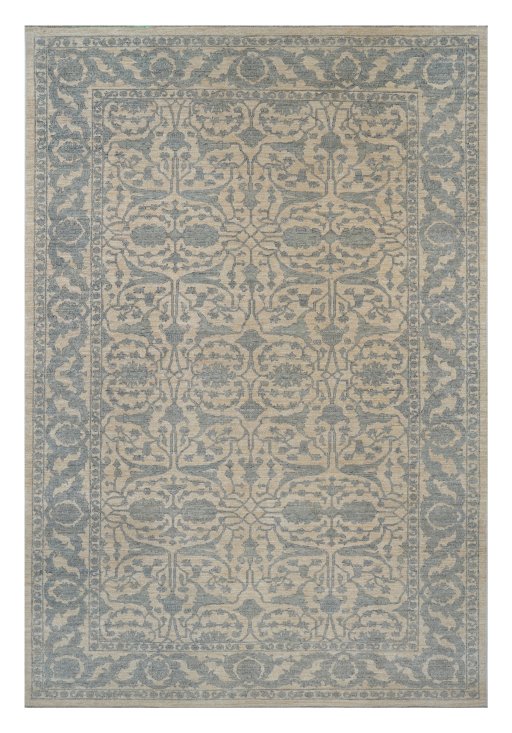
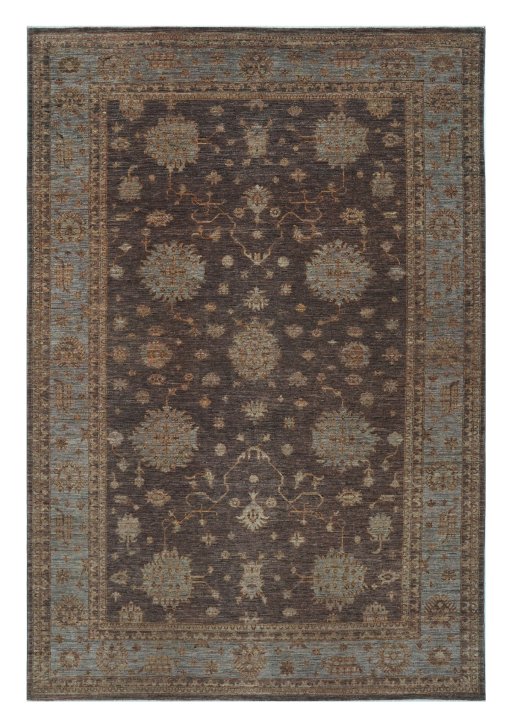
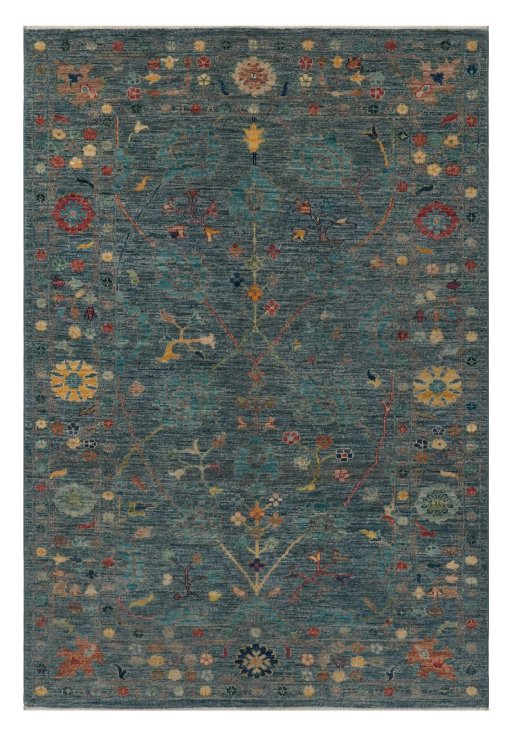
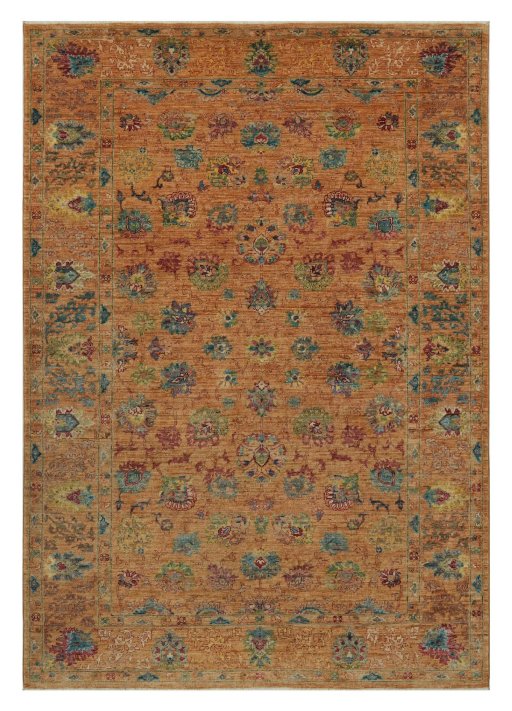
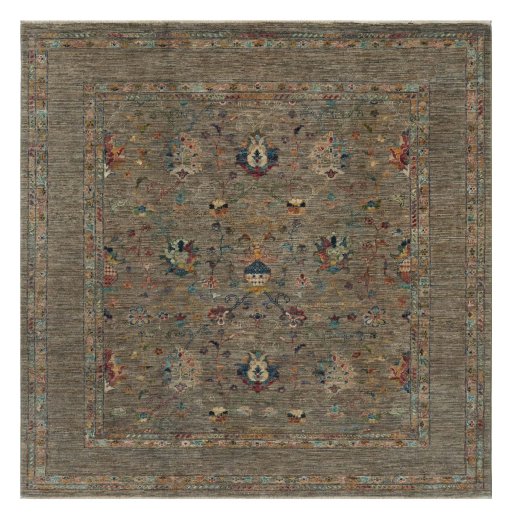
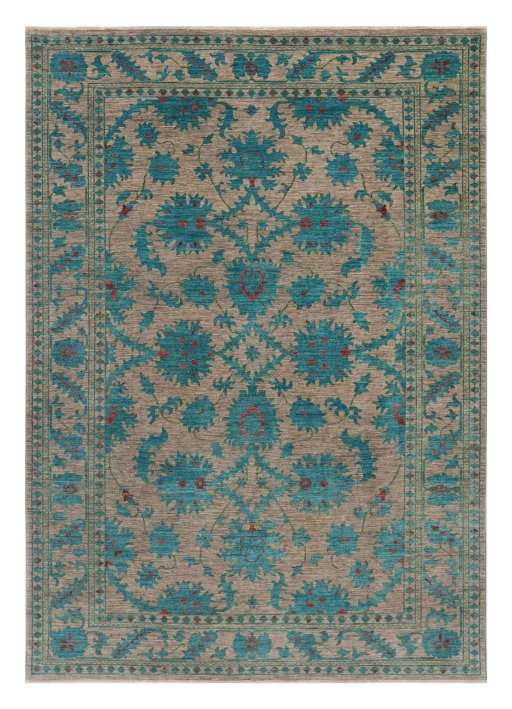
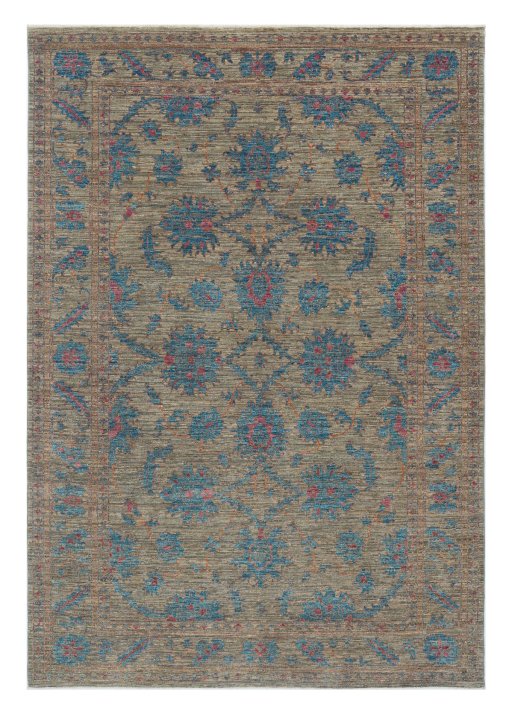
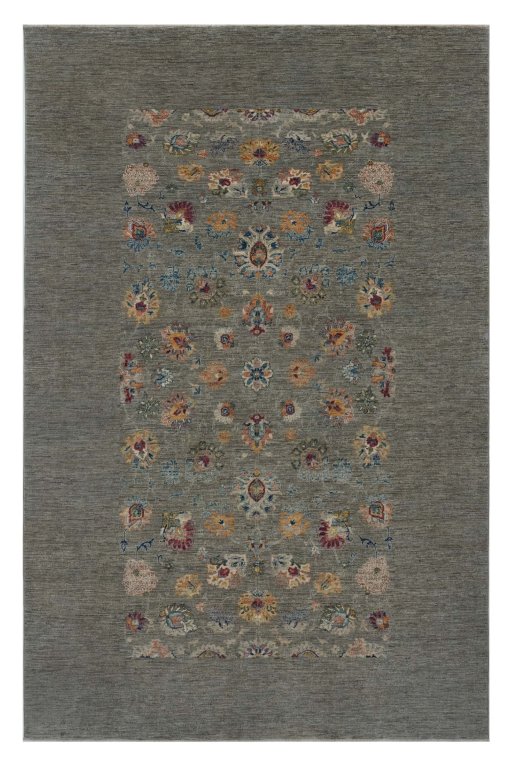
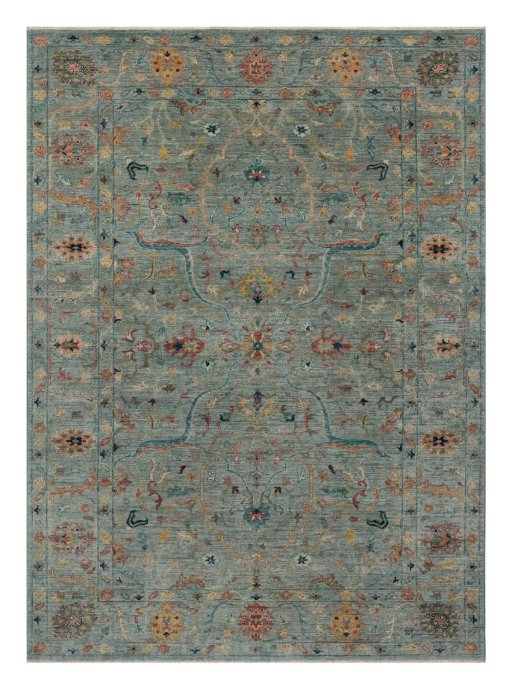
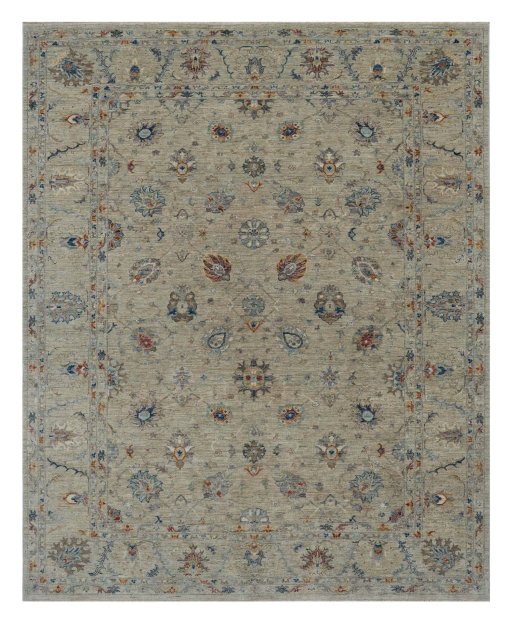
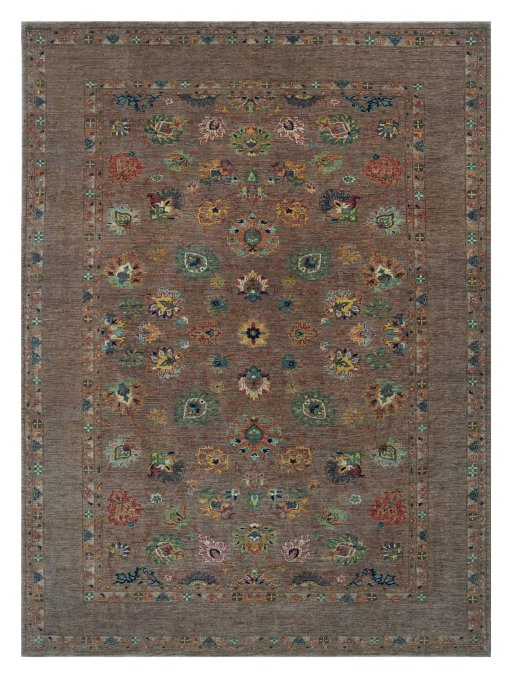
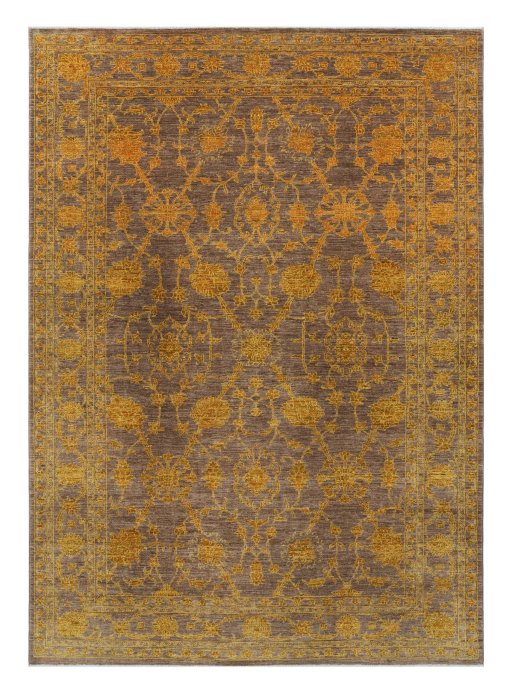
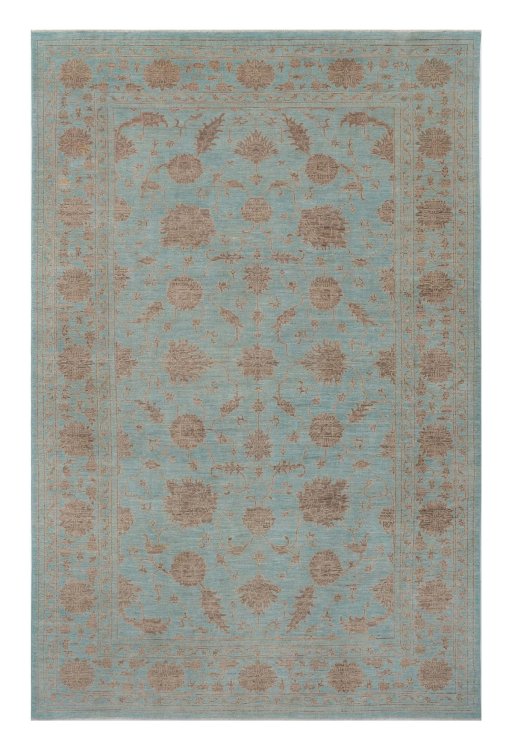
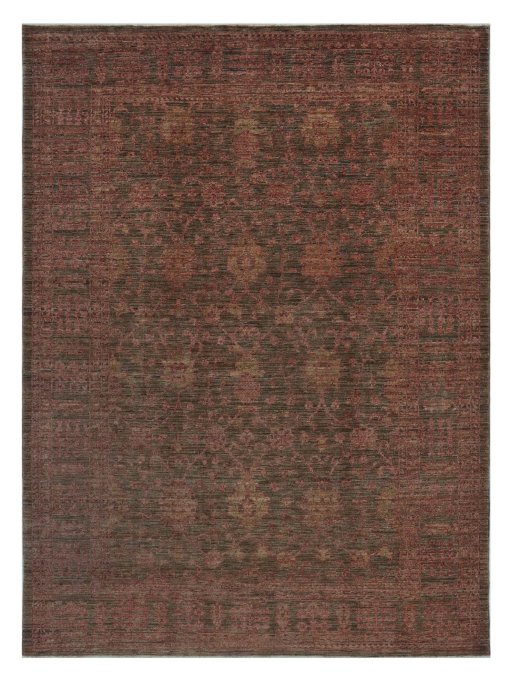
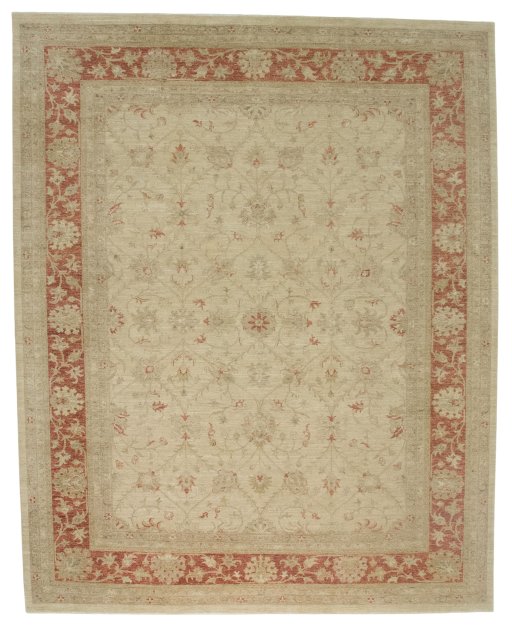
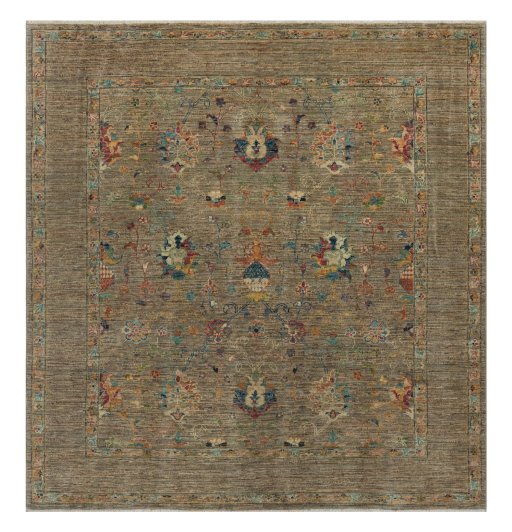
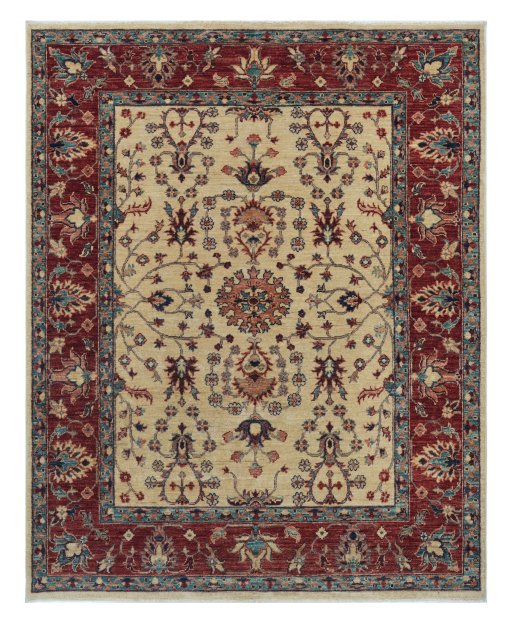
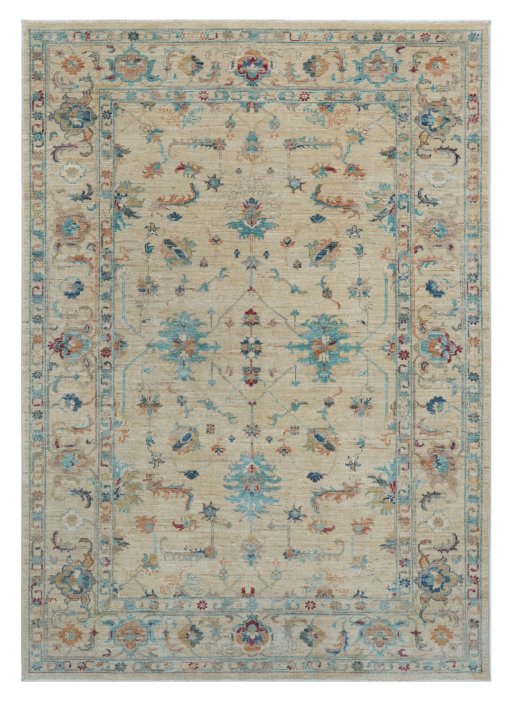
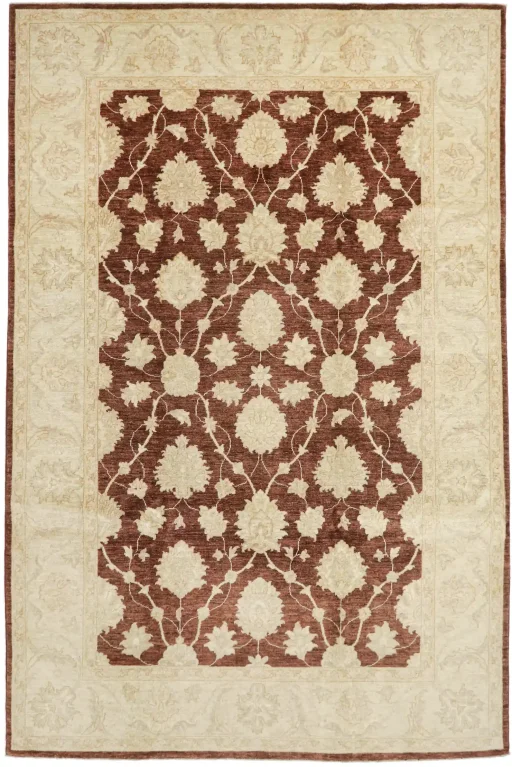
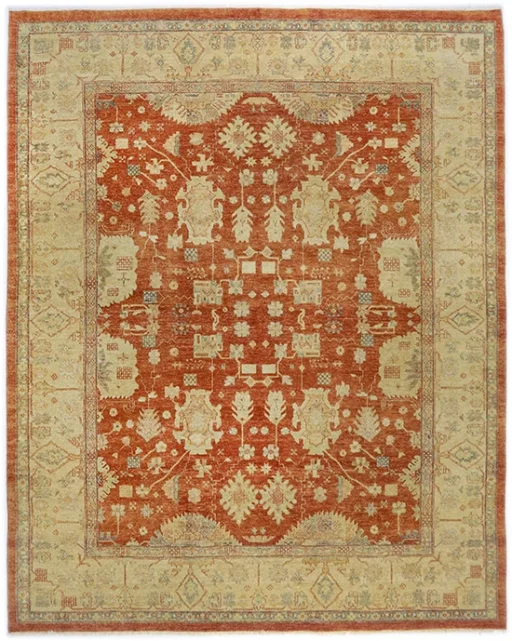
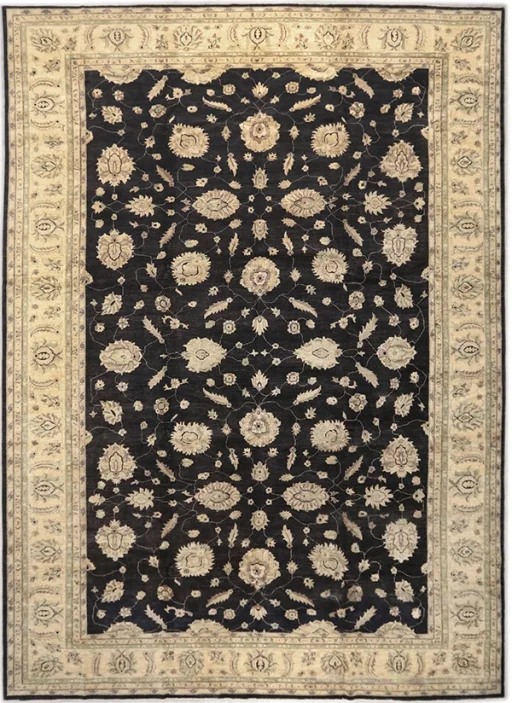
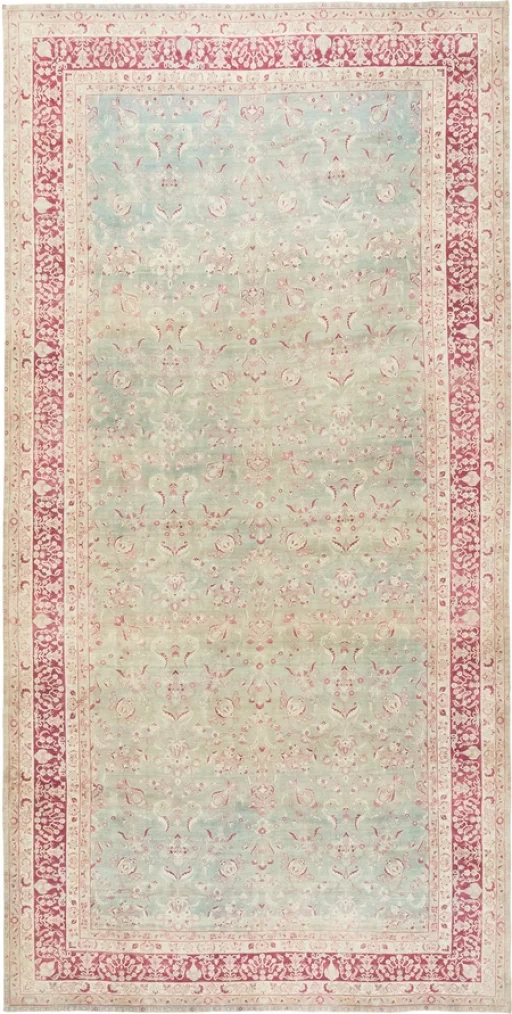
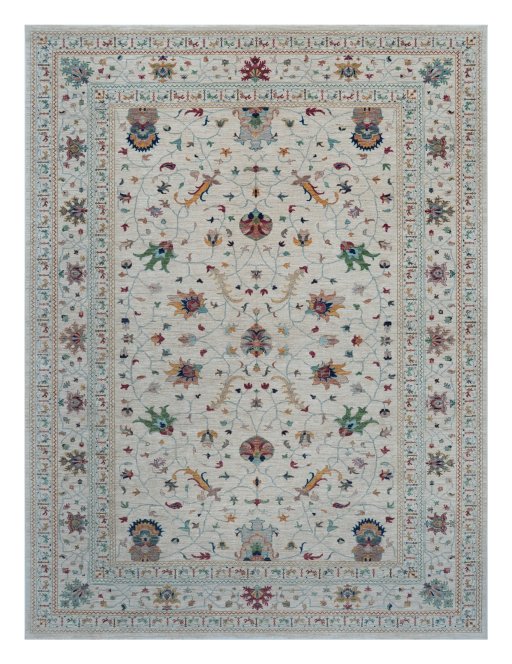
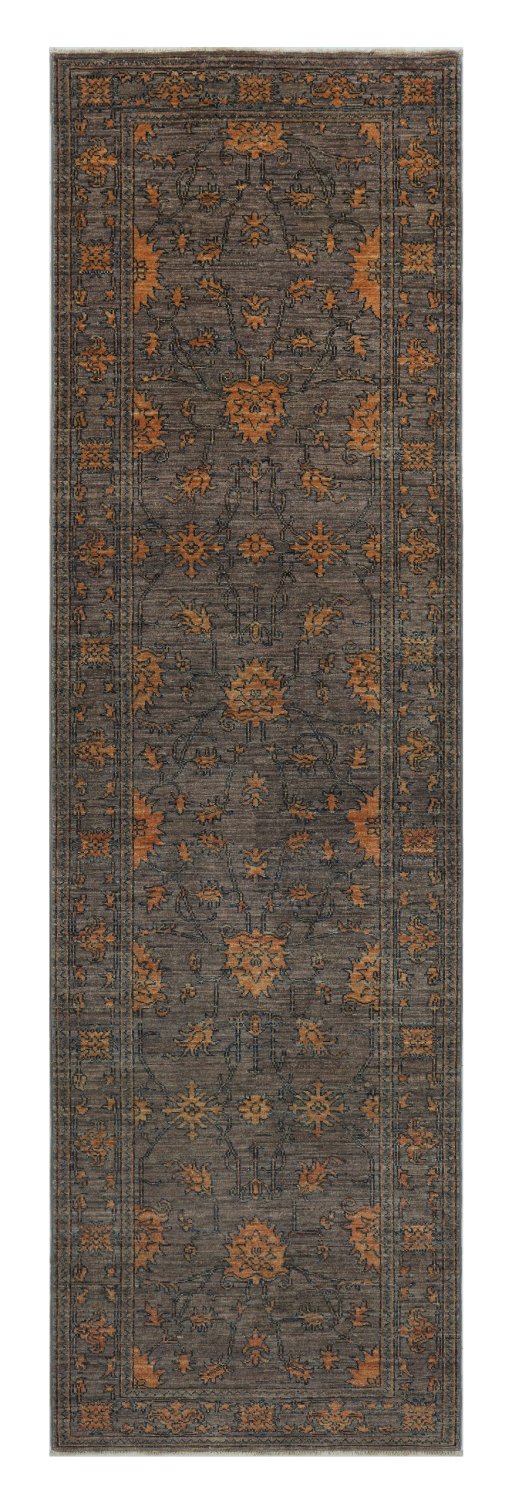
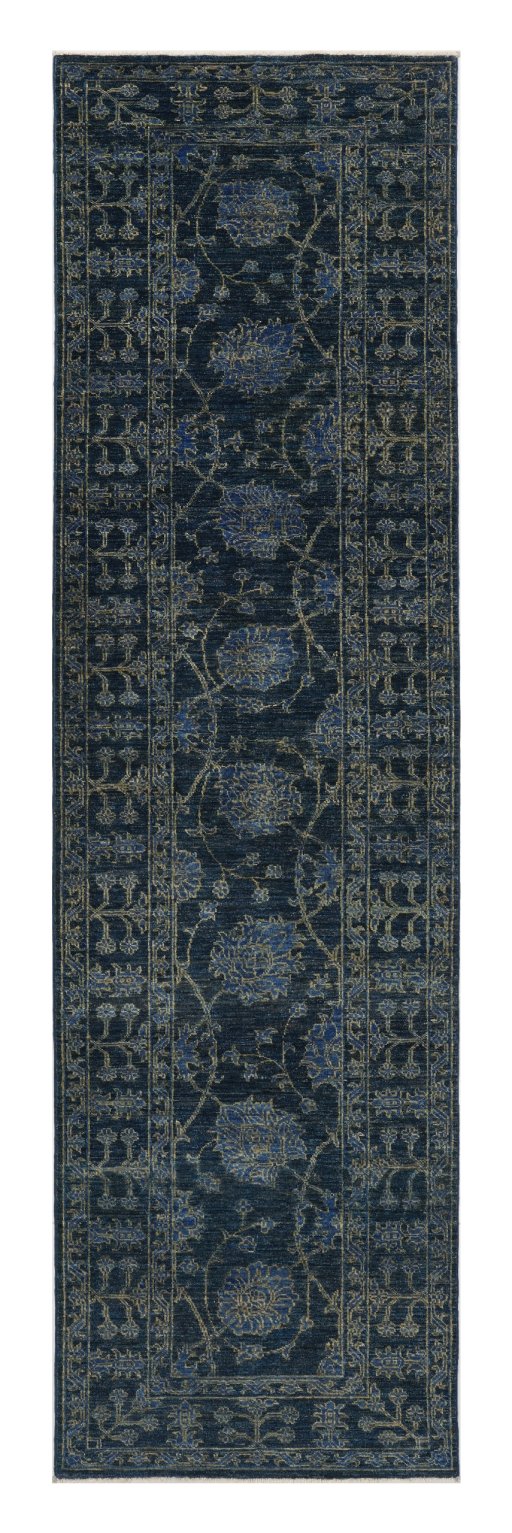
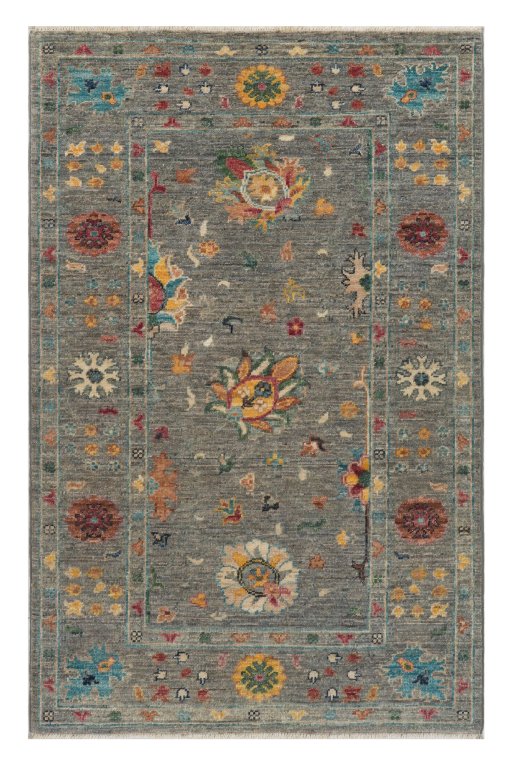
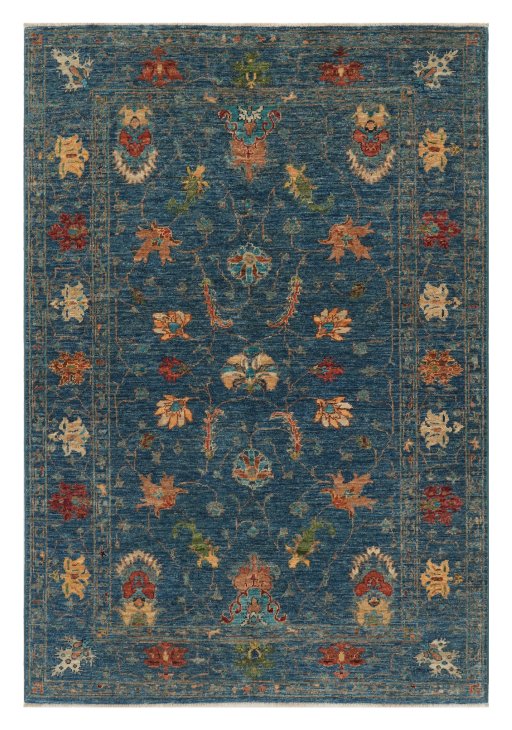
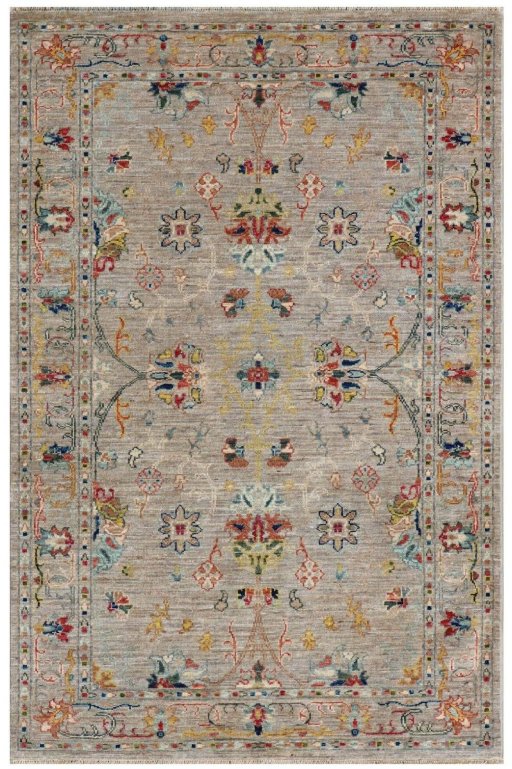
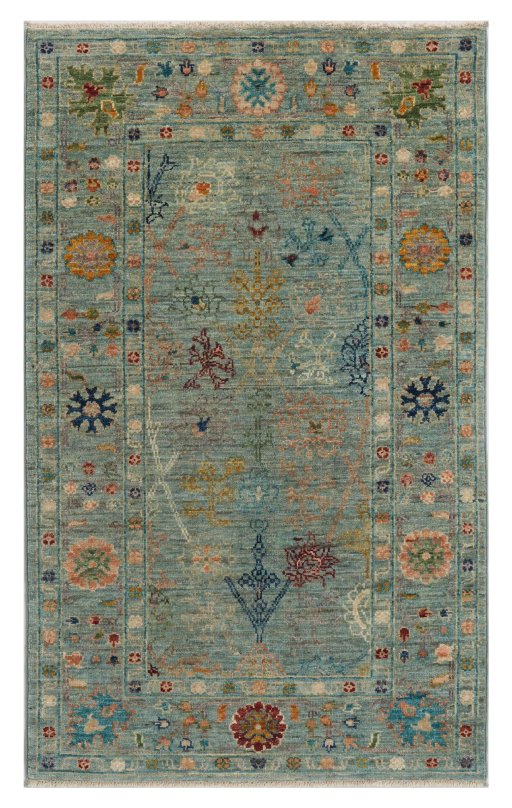
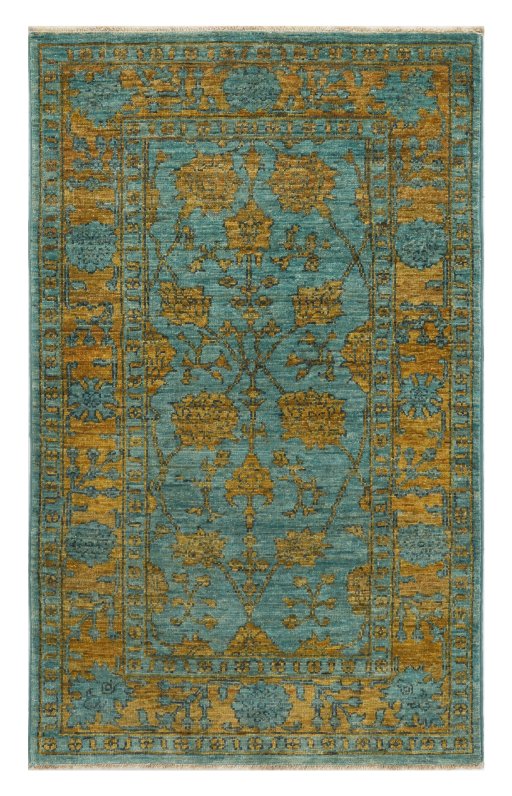
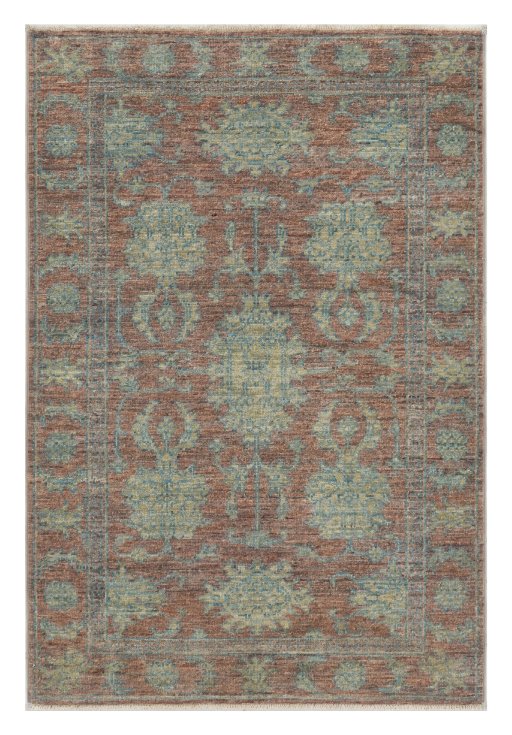
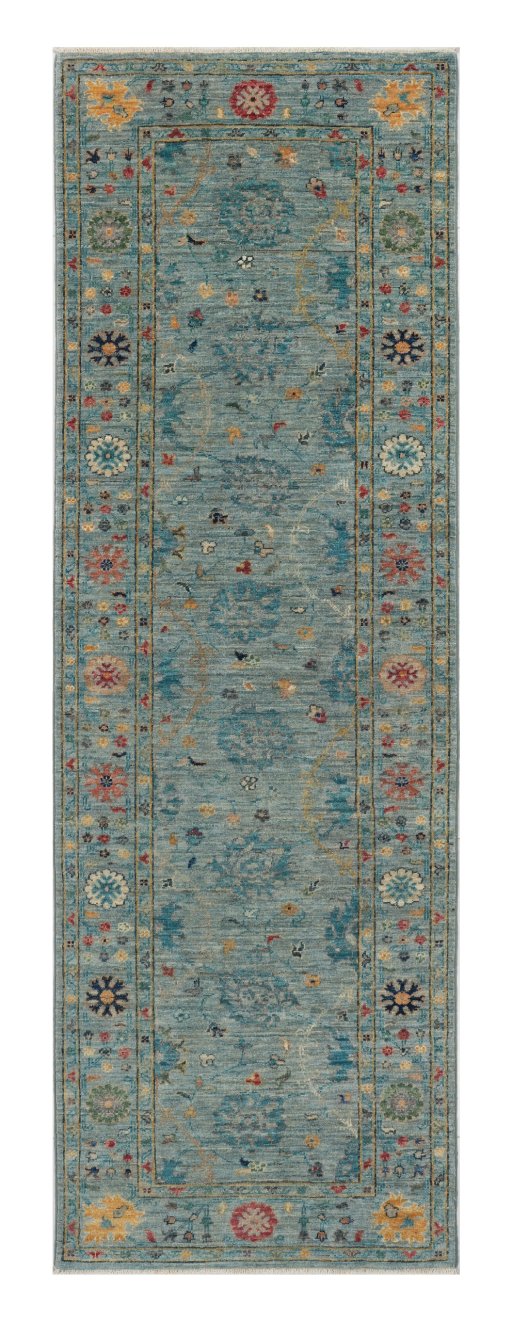
The easiest way to recognise a Ziegler is the space in its design. Where a classic Persian rug packs the field with small motifs, a Ziegler uses fewer, larger palmettes, rosettes and leafy vines, spaced generously across the field.
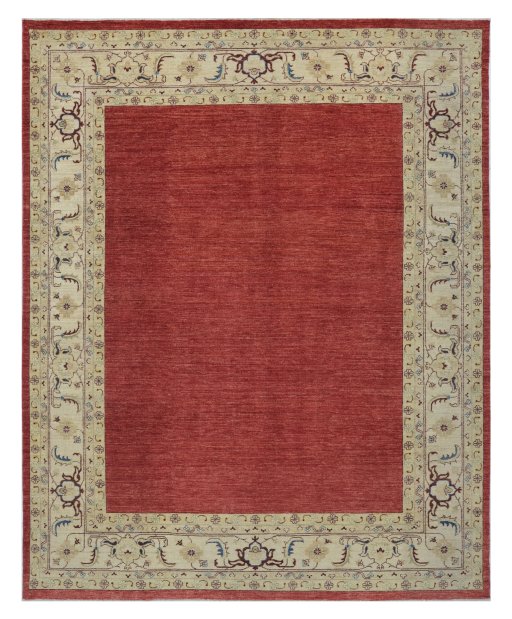
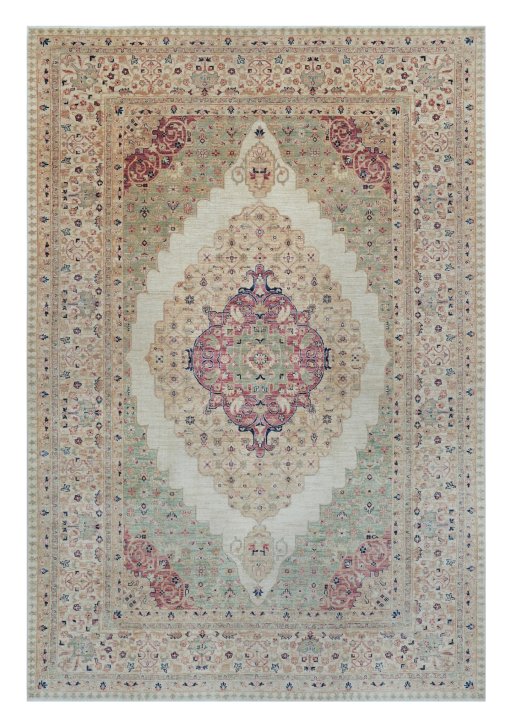
Many pieces have no central medallion at all. Instead, you see an all-over pattern or a wide open field framed by a calm border.
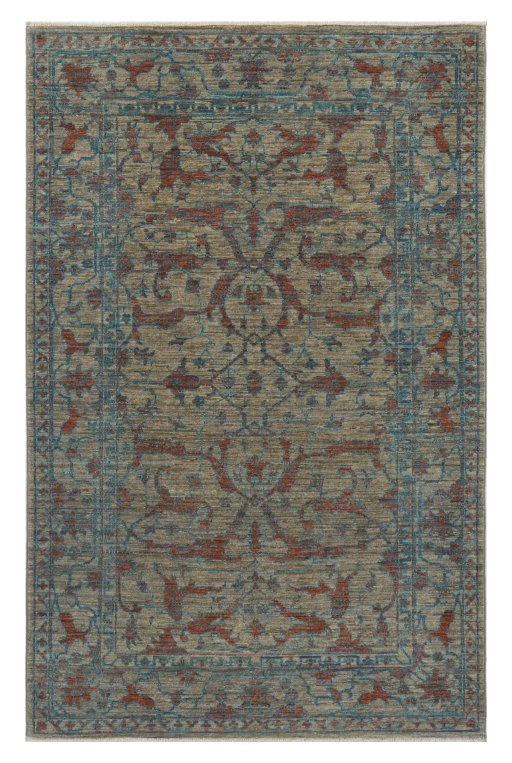
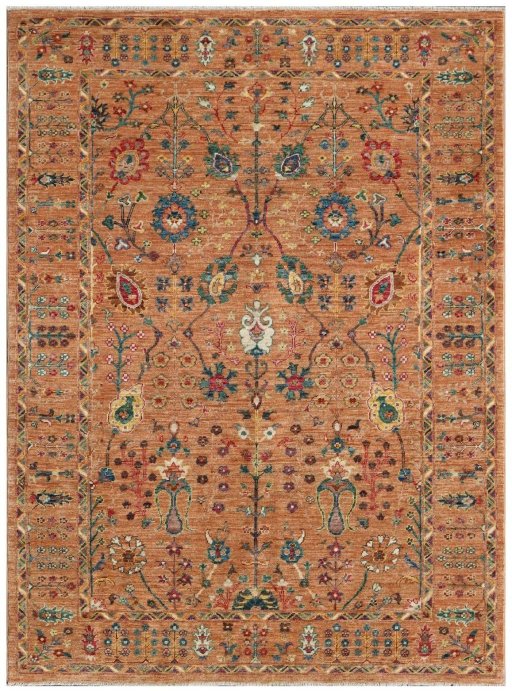
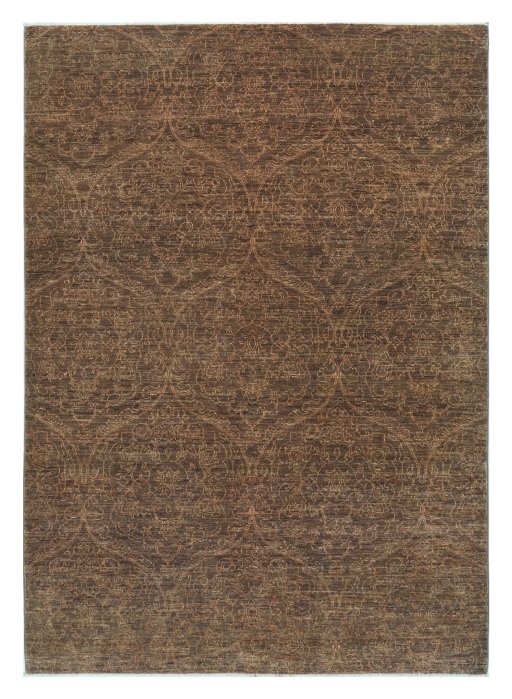
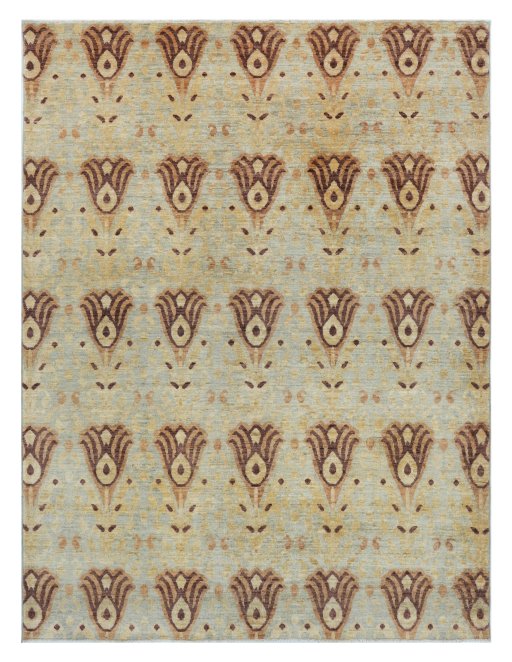
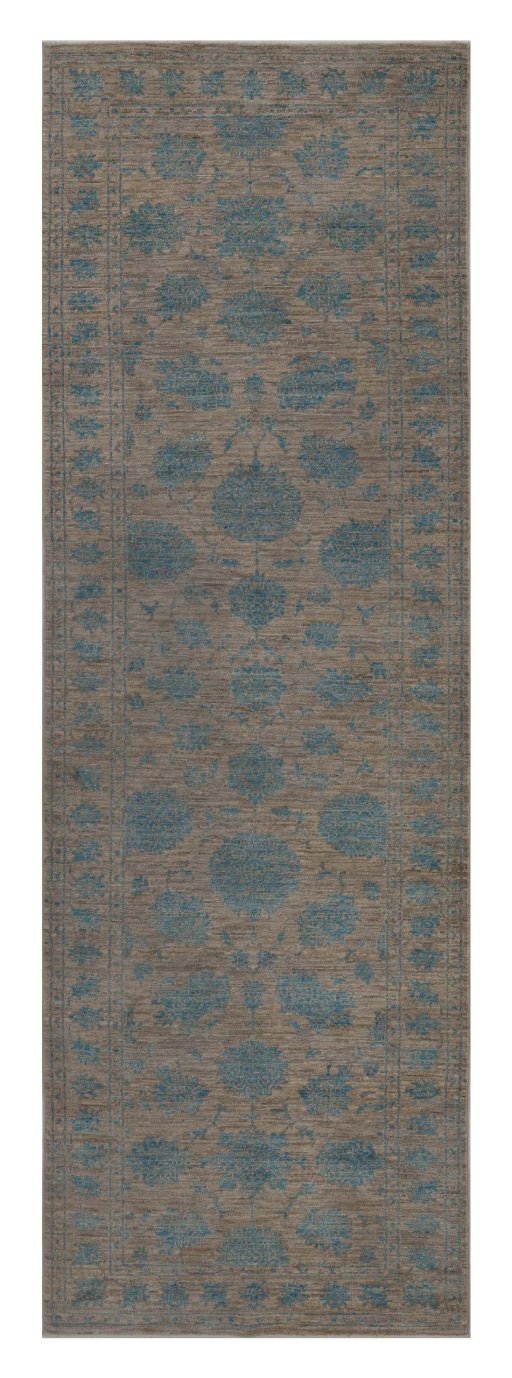
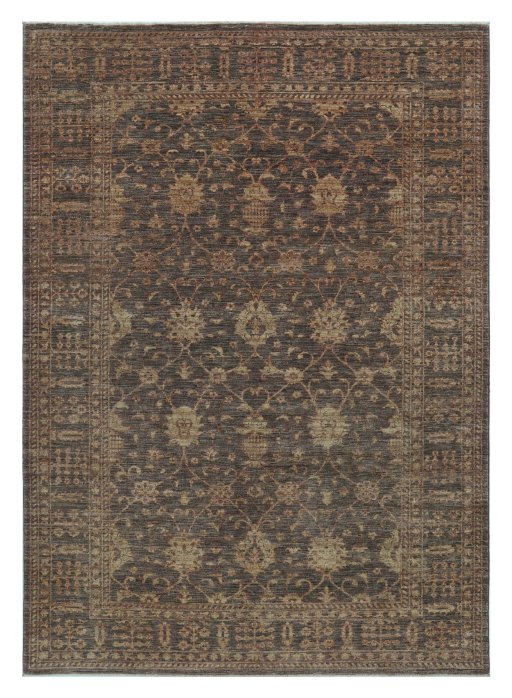
The ground colours are usually ivory, cream, sand, beige, taupe or warm grey. Accents in faded terracotta, dusty blue, sage green, gold or charcoal give the design its depth. A beige Ziegler rug therefore blends into a room rather than dominating it.
03
Ziegler Styles in Our Collection
Our Ziegler range is divided into two subcategories: a large Ziegler Farahan selection and a smaller, more varied Ziegler selection.
Ziegler Farahan
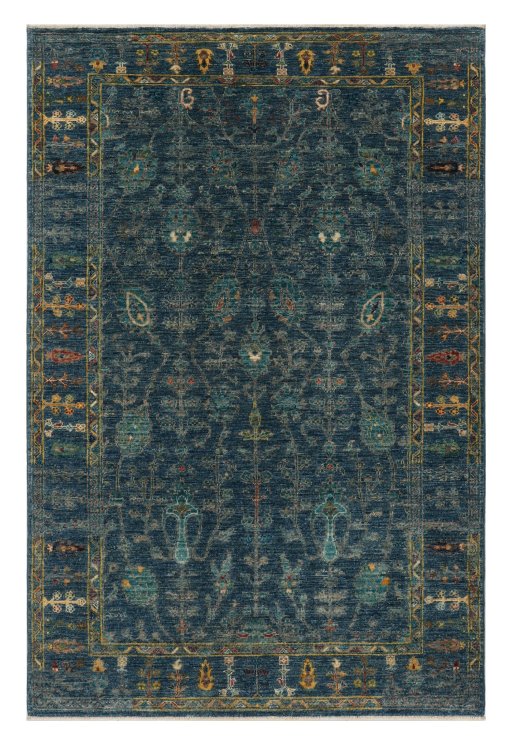
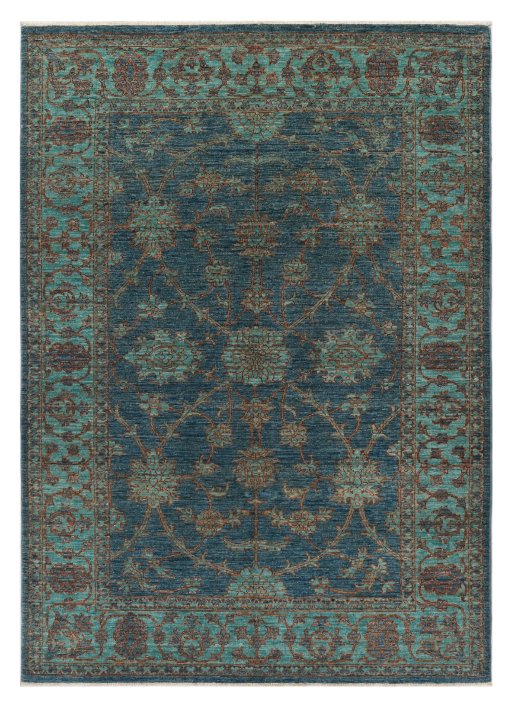
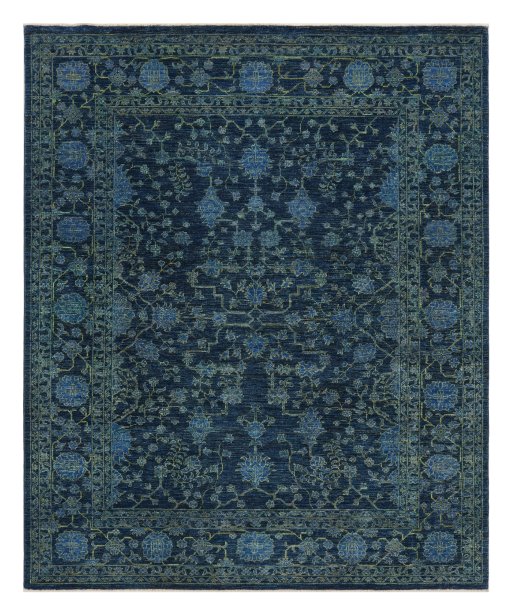
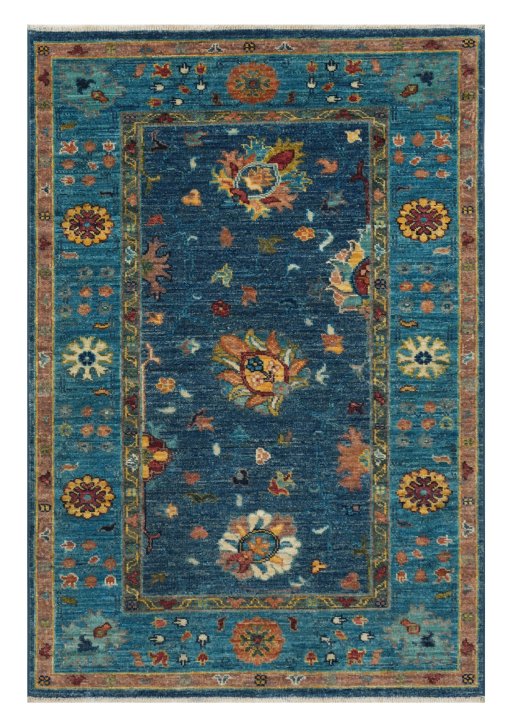
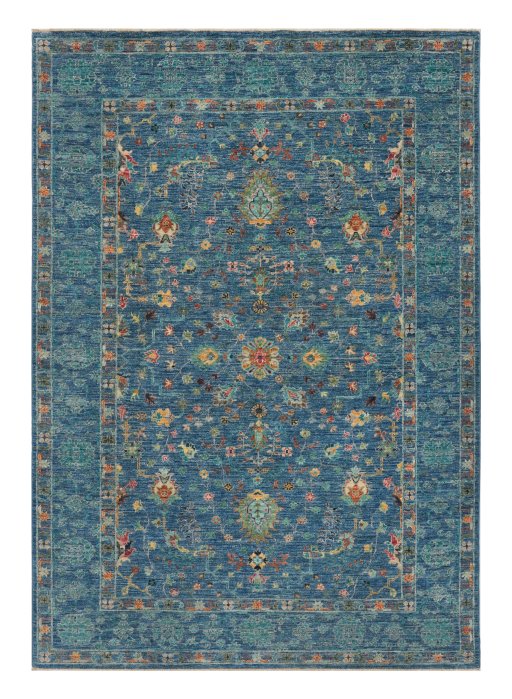
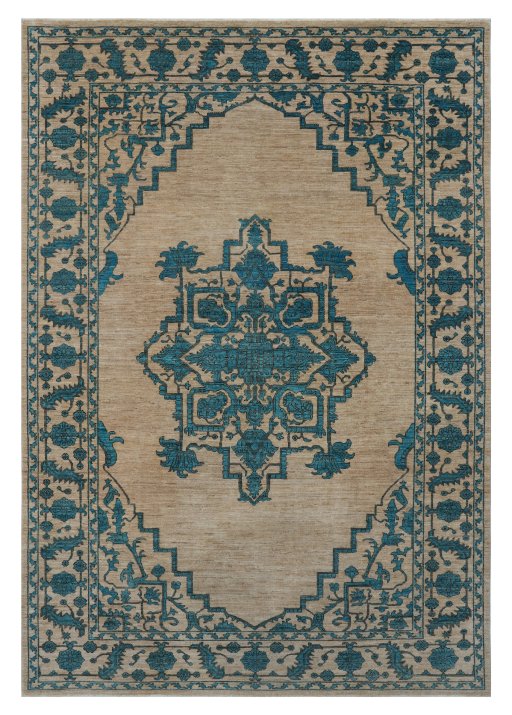
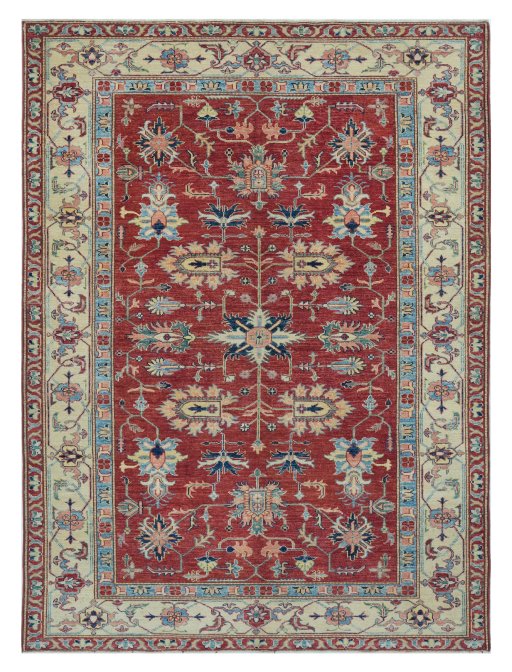
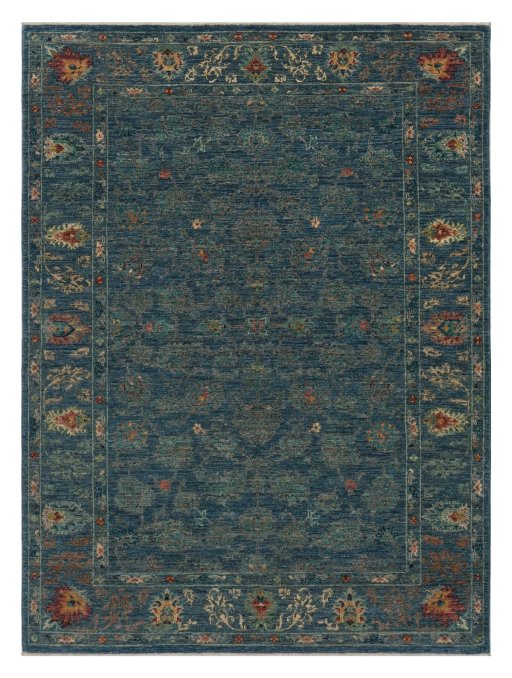
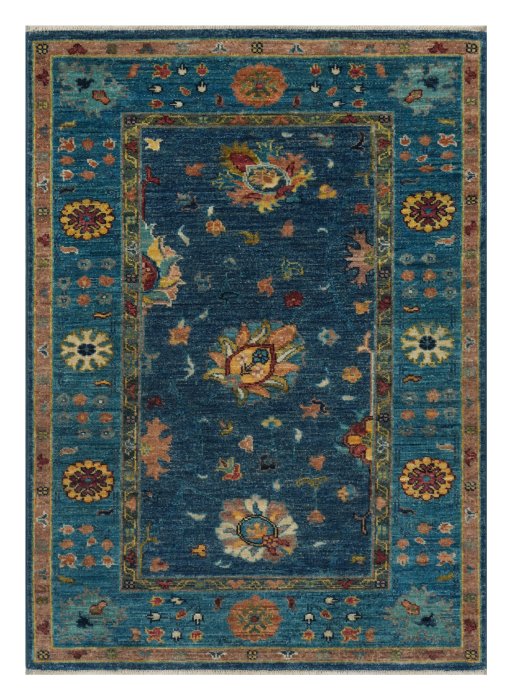
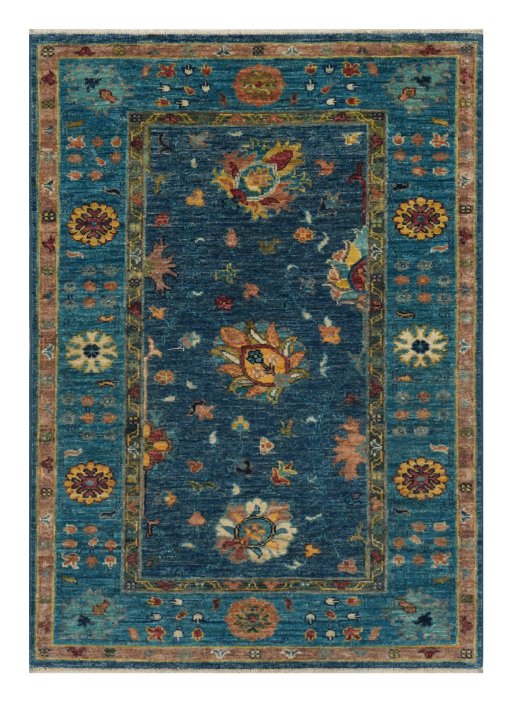
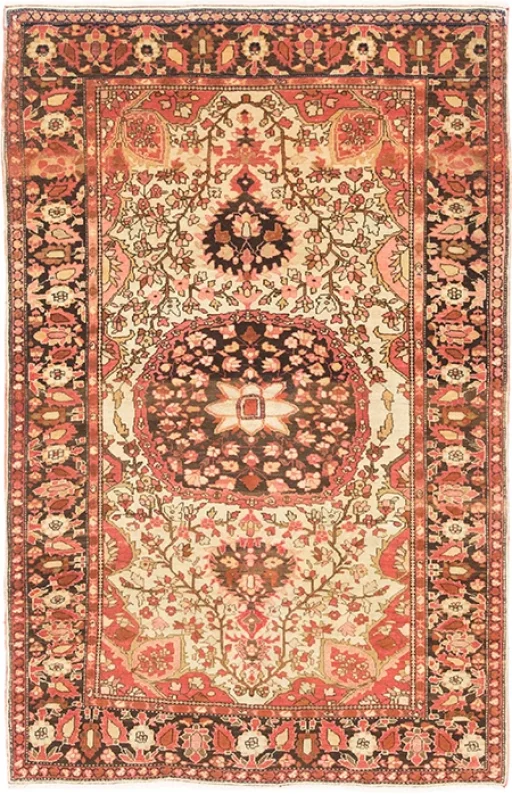
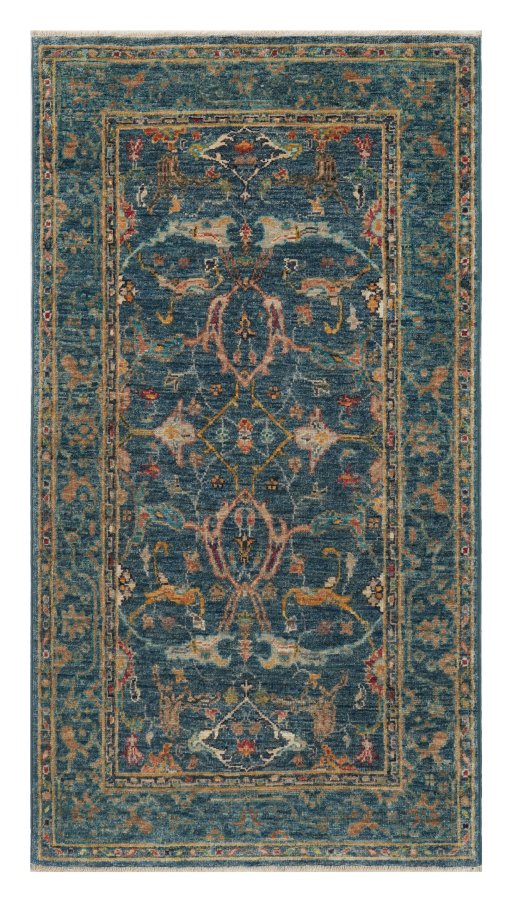
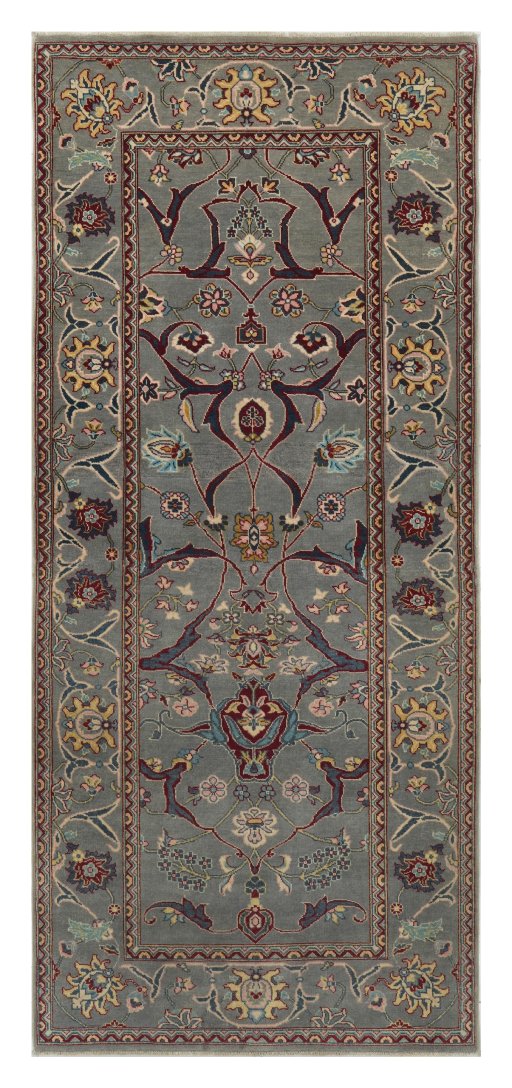
Ziegler Farahan rugs draw on the patterns of the Farahan region near Arak, one of the historic Persian weaving areas. They tend to show more detail: finely drawn floral motifs, flowing vines and often a more defined border. Colours range from light ivory grounds to deeper blues and reds. A Ziegler Farahan rug suits classic or transitional rooms where you want Persian character, but in a lighter form.
Ziegler
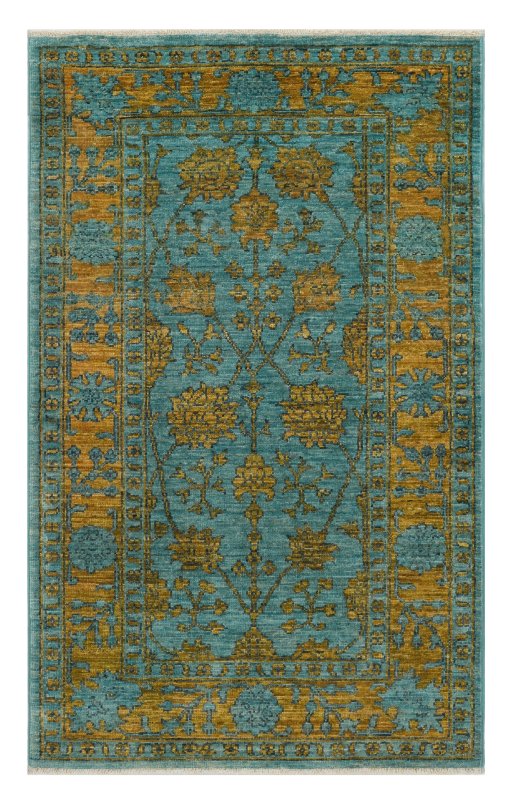
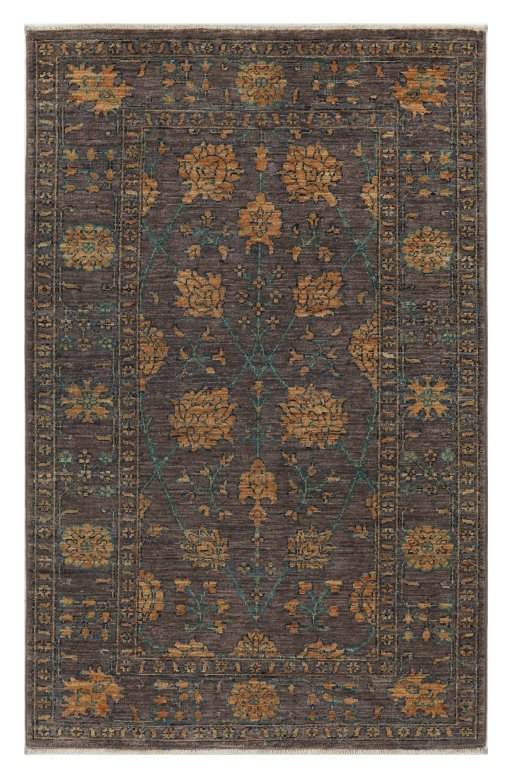
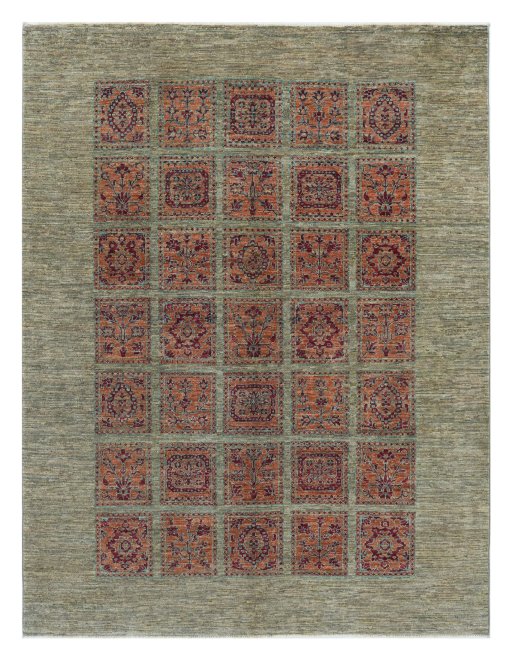
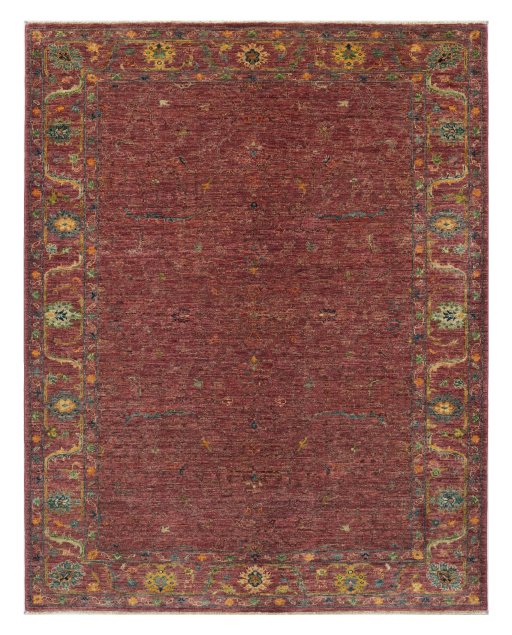
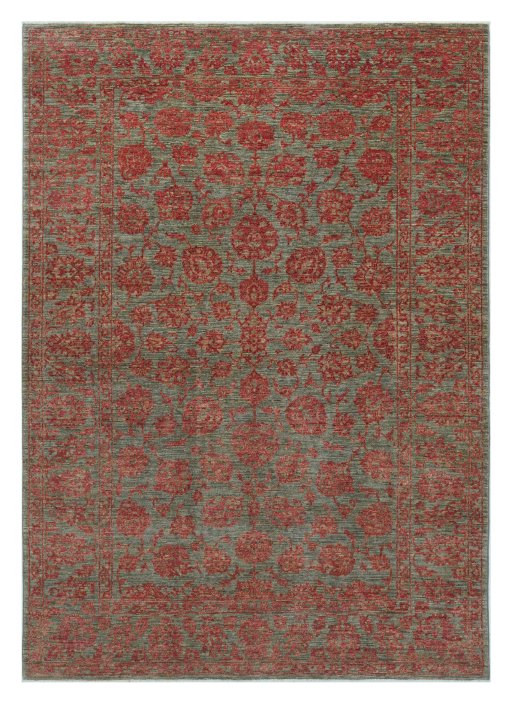
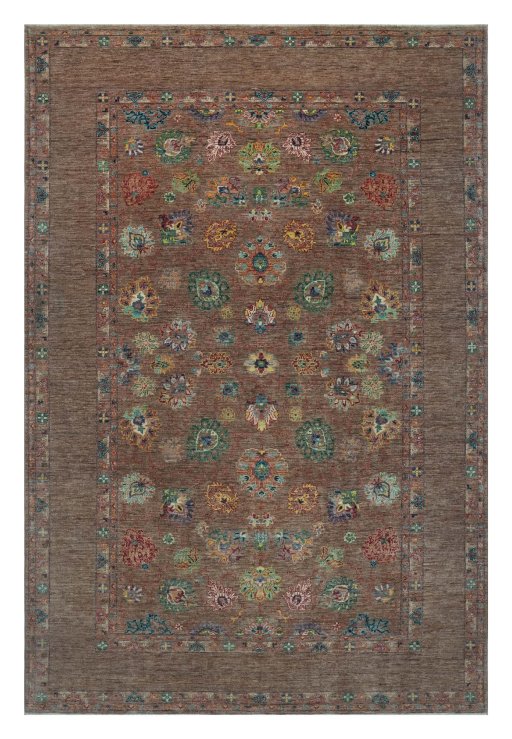
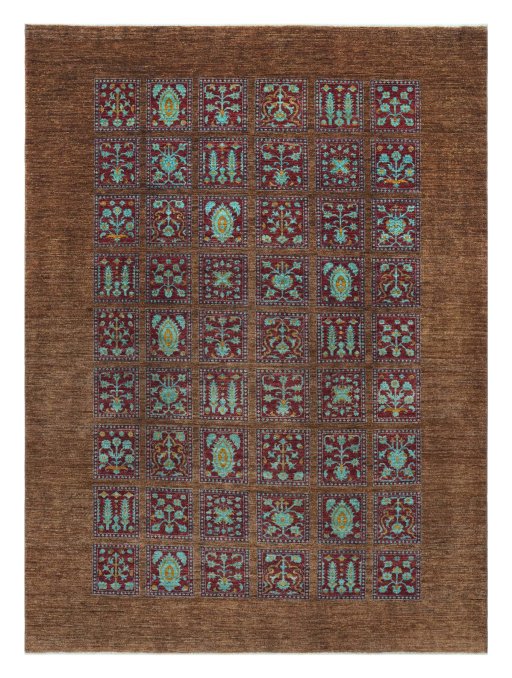
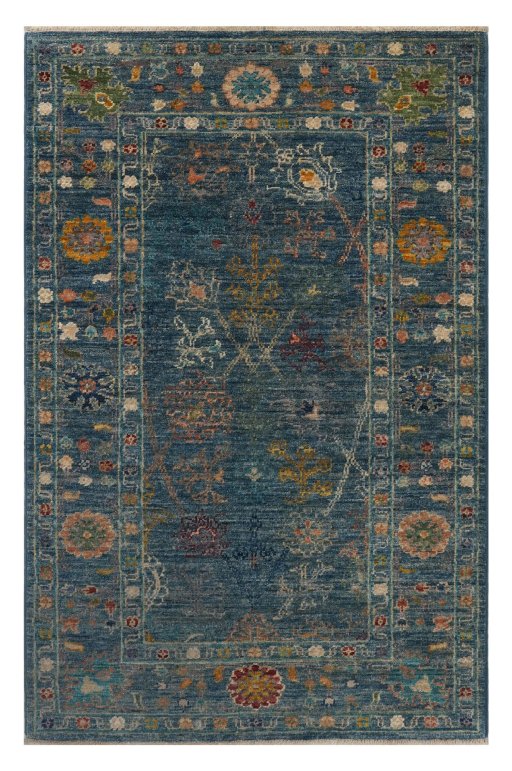
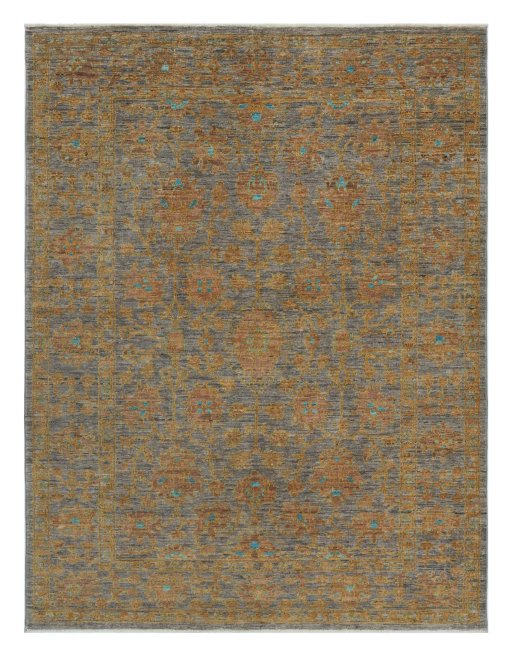
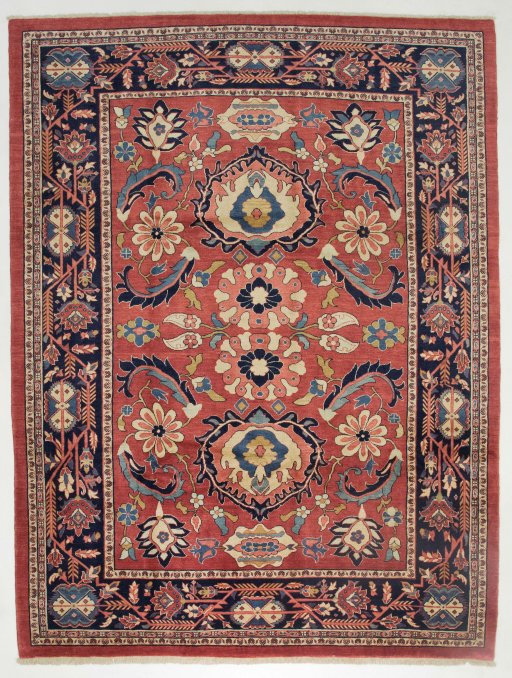
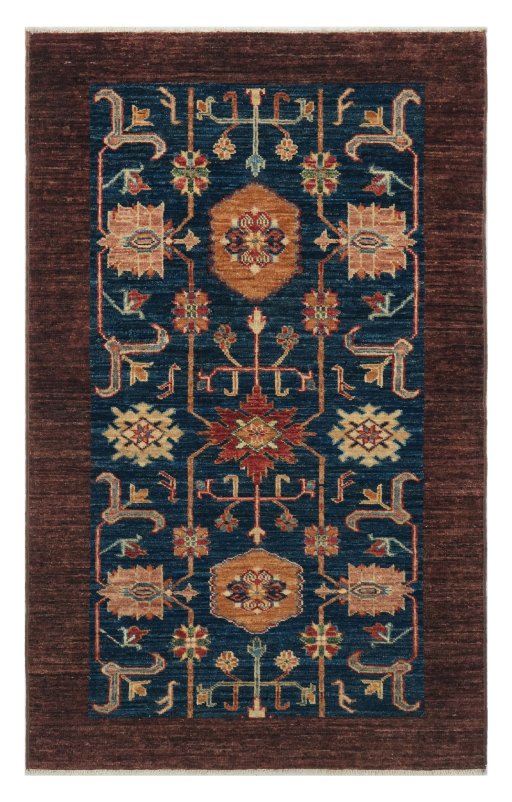
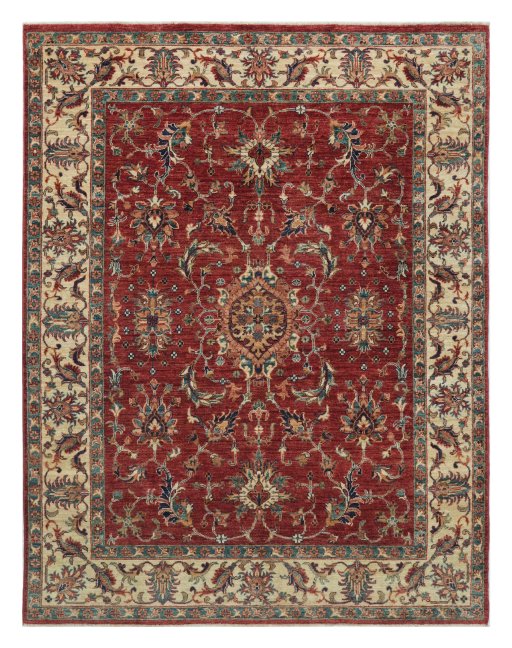
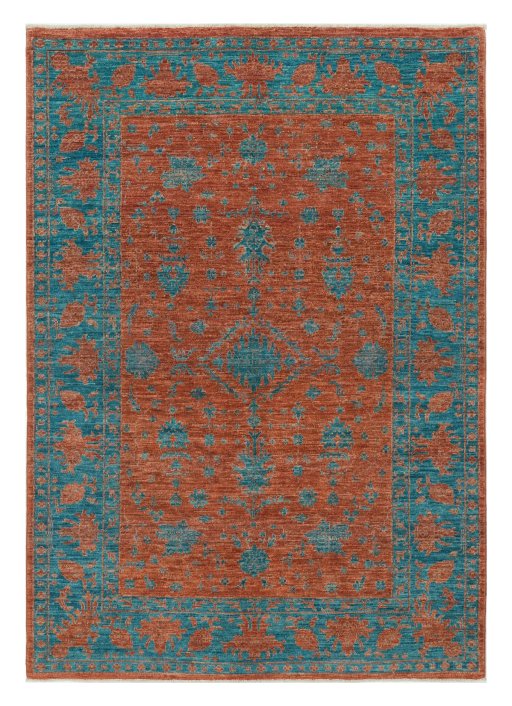
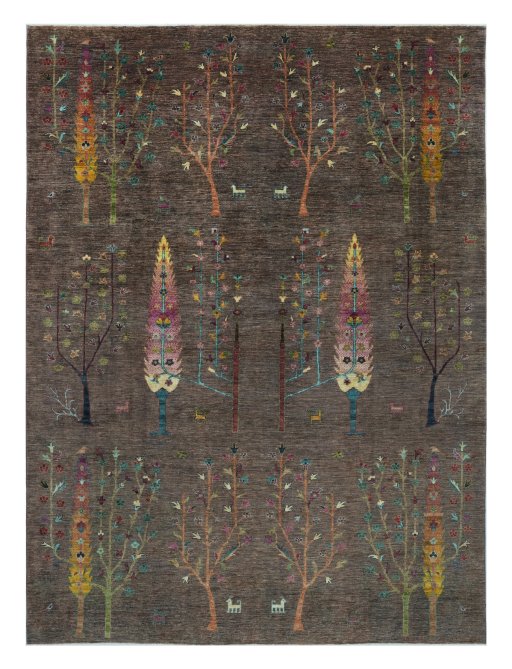
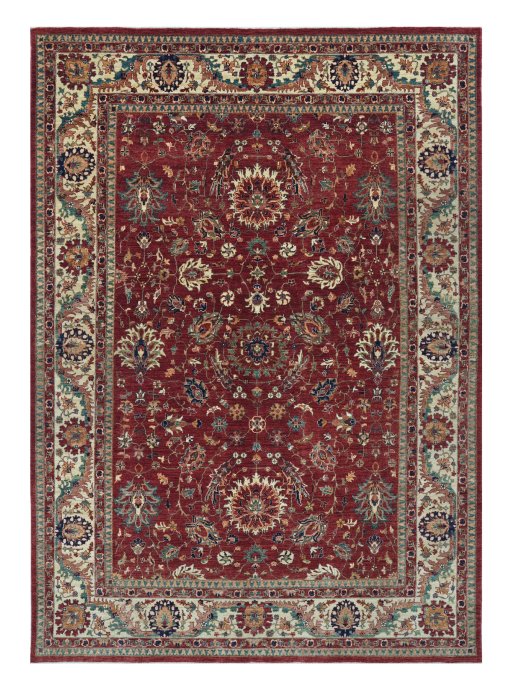
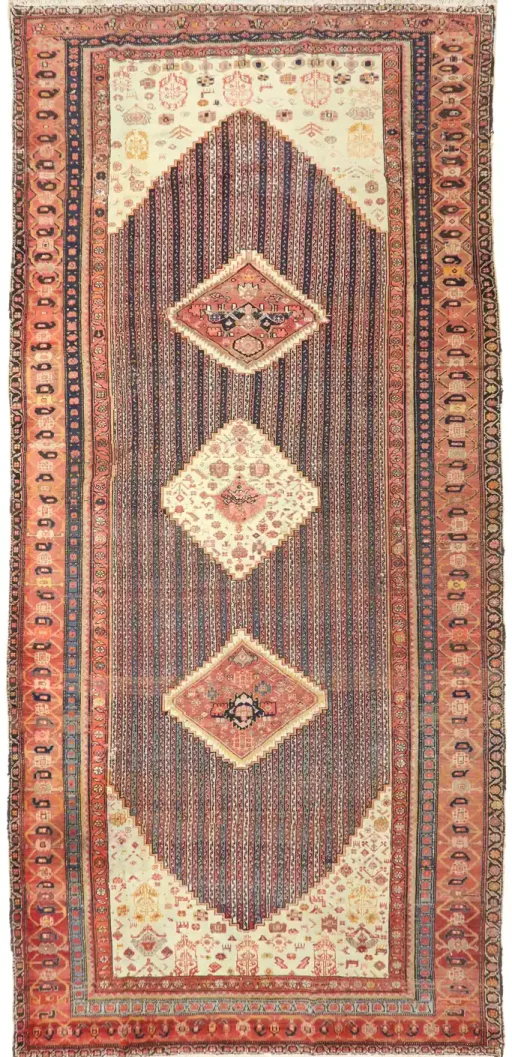
Our Ziegler subcategory is a small, hand-picked selection: antique Ziegler Mahal rugs from Persia, large older pieces from the 1990s and newer rugs from Iran, Pakistan and India. Many are room-sized, some more than five metres long, which makes them a good fit for large living and dining rooms. Colours range from beige to terracotta, green, blue and deep charcoal. Because these pieces vary more in age, size and colour than the Ziegler Farahan range, it is worth looking at each one individually.
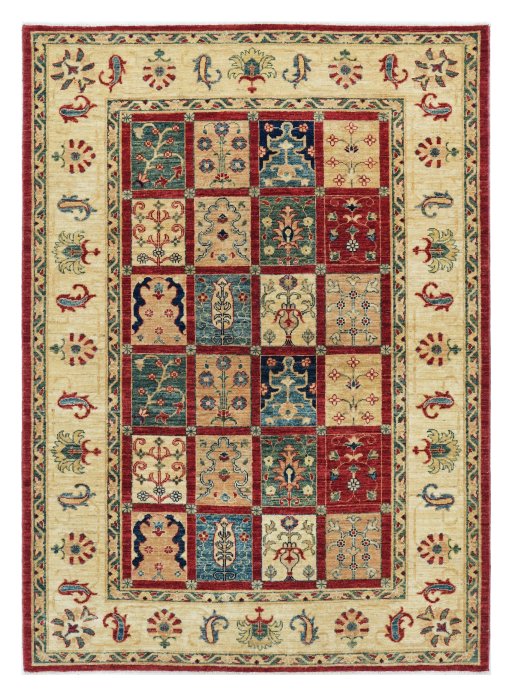
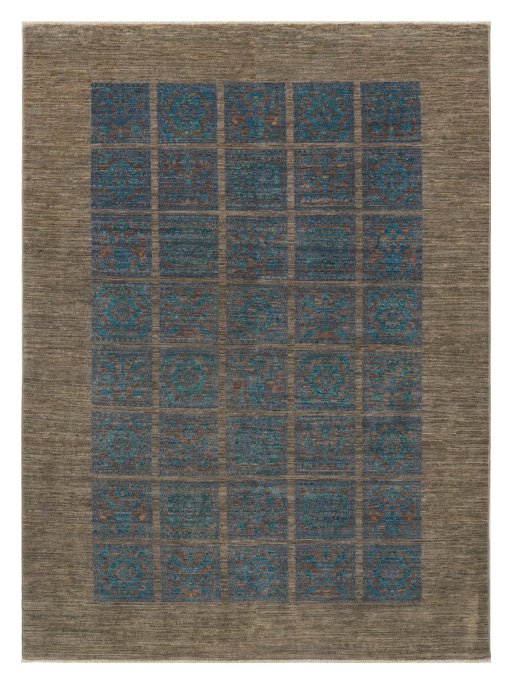
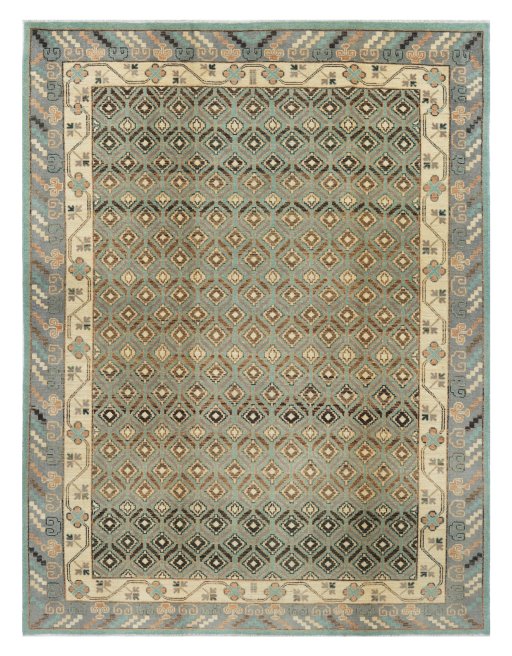
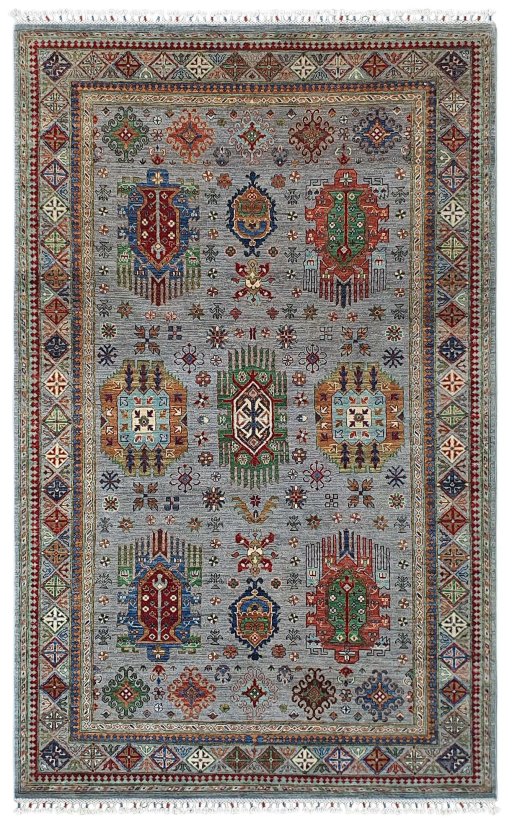
If you like the calm Ziegler look but prefer geometric motifs, take a look at our Mamluk rugs and Ariana rugs in the Afghan & Pakistani category.
04
Materials, Pile and Quality
A hand-knotted Ziegler rug is made from wool, usually on a cotton foundation. Good wool has a natural lanolin content, which makes the surface resilient and helps it repel dirt.
The pile is relatively short. This keeps the pattern crisp and makes the rug easy to vacuum. It is also why these rugs cope well in rooms with heavy foot traffic.
When you compare pieces, look at the knot density, material and condition on the product page. Together they tell you more about quality than the name alone.
05
Ziegler vs Classic Persian Rugs
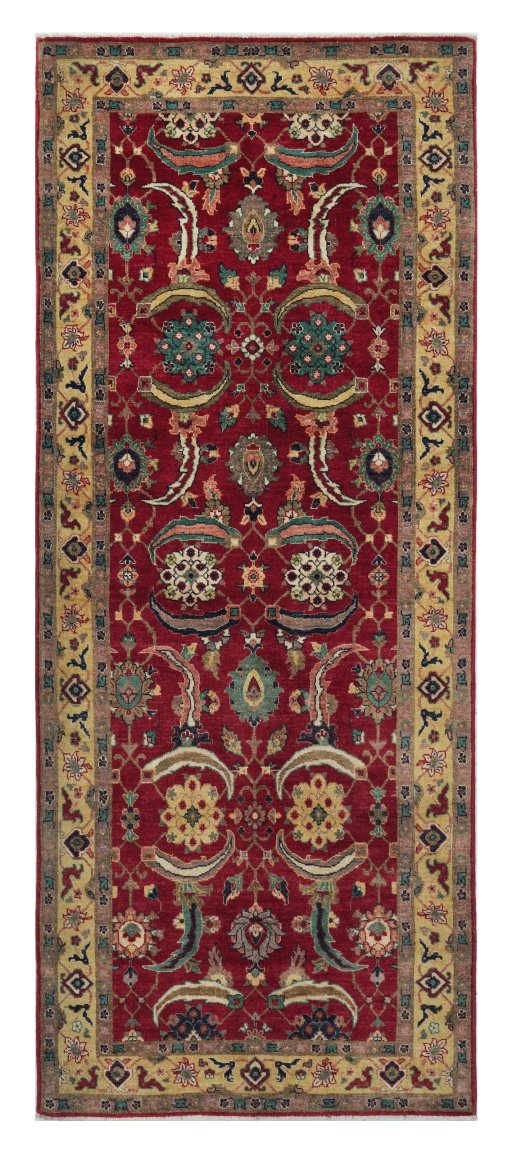
Historically, Ziegler rugs are Persian rugs: they were knotted in Persia using Persian techniques and motifs. The difference lies in the design. Classic Persian rugs from Tabriz, Isfahan or Nain often feature a central medallion, dense ornamentation and strong reds and blues.
A Ziegler deliberately takes a step back from this, with larger motifs, more open space and lighter colours. If you want rich, intricate ornament, our classic Persian rugs are the better match. If the rug should support the room rather than set its tone, a Ziegler is often the easier choice.
06
Ziegler Rugs in Your Home
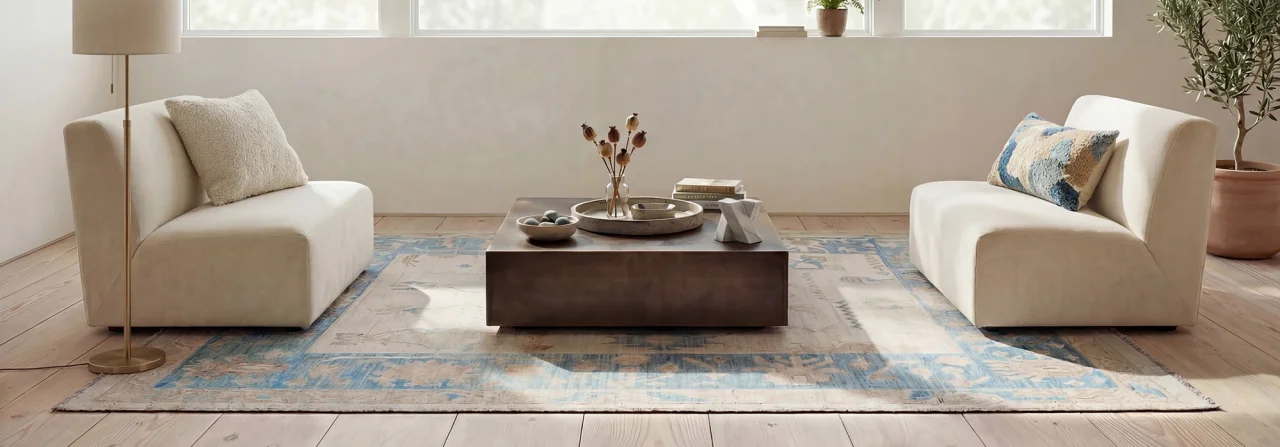
Because the palette is so restrained, Ziegler rugs combine well with natural materials: oak, linen, leather, stone and rattan. In a classic room they add structure; in a modern room they bring warmth and a handcrafted texture without visual noise.
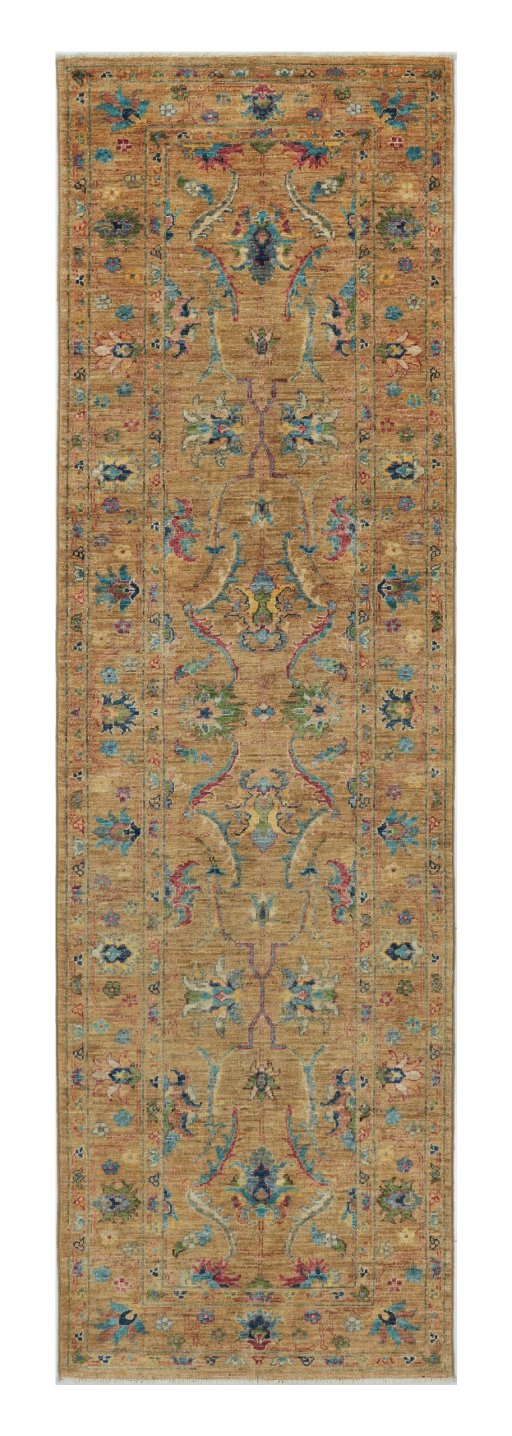
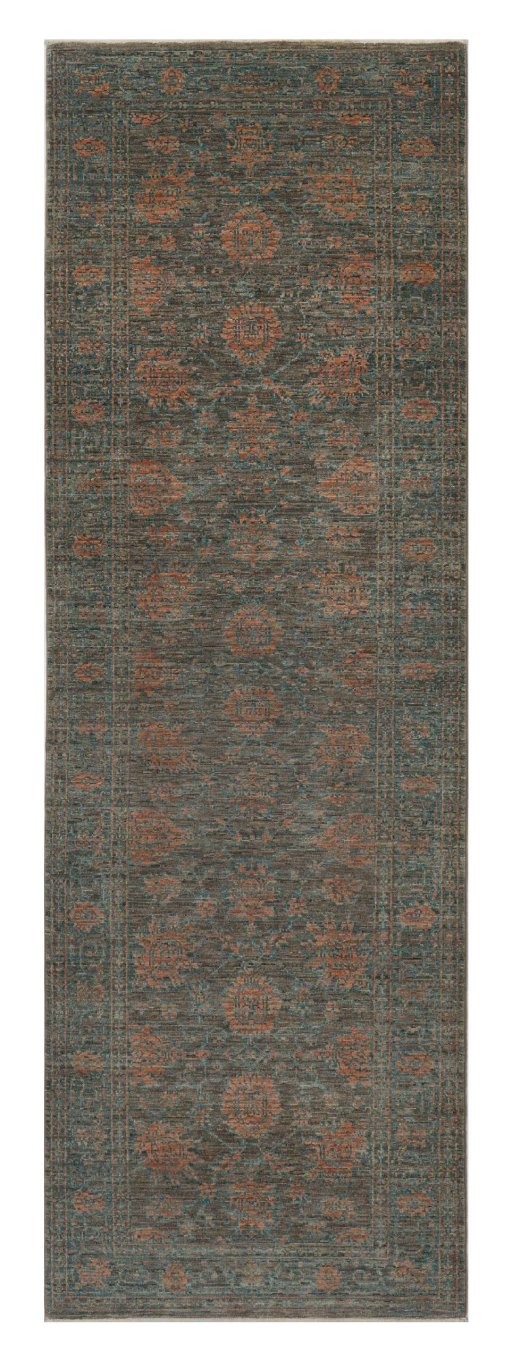
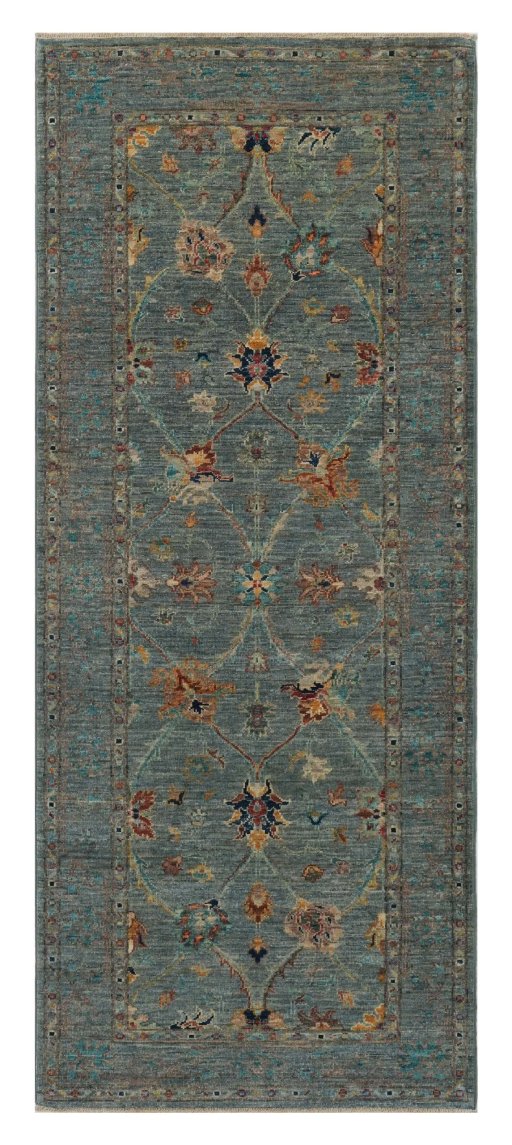
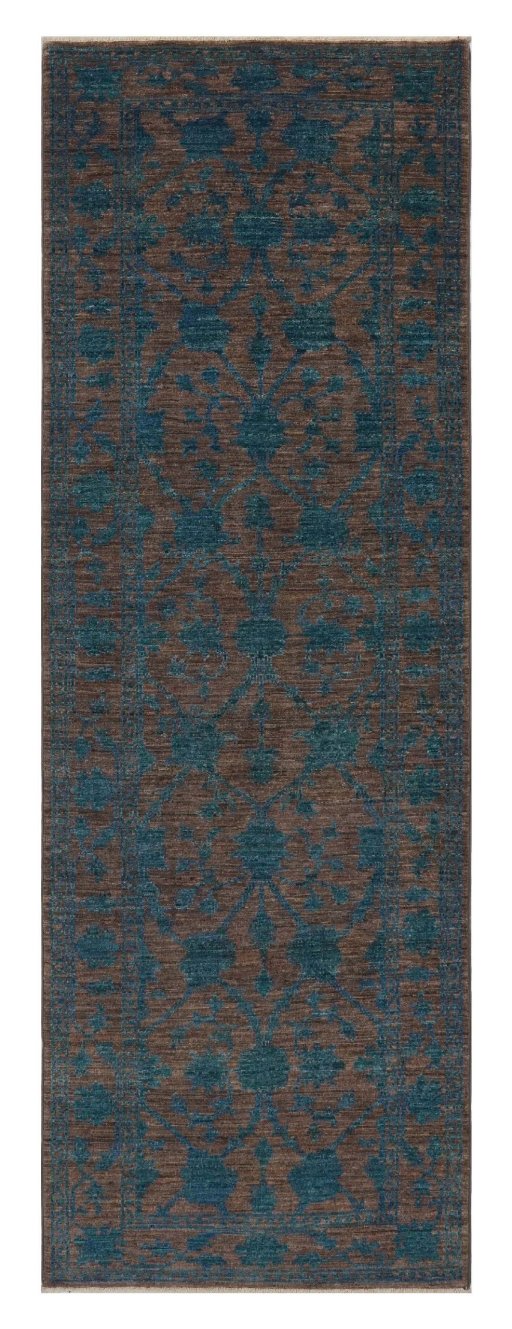
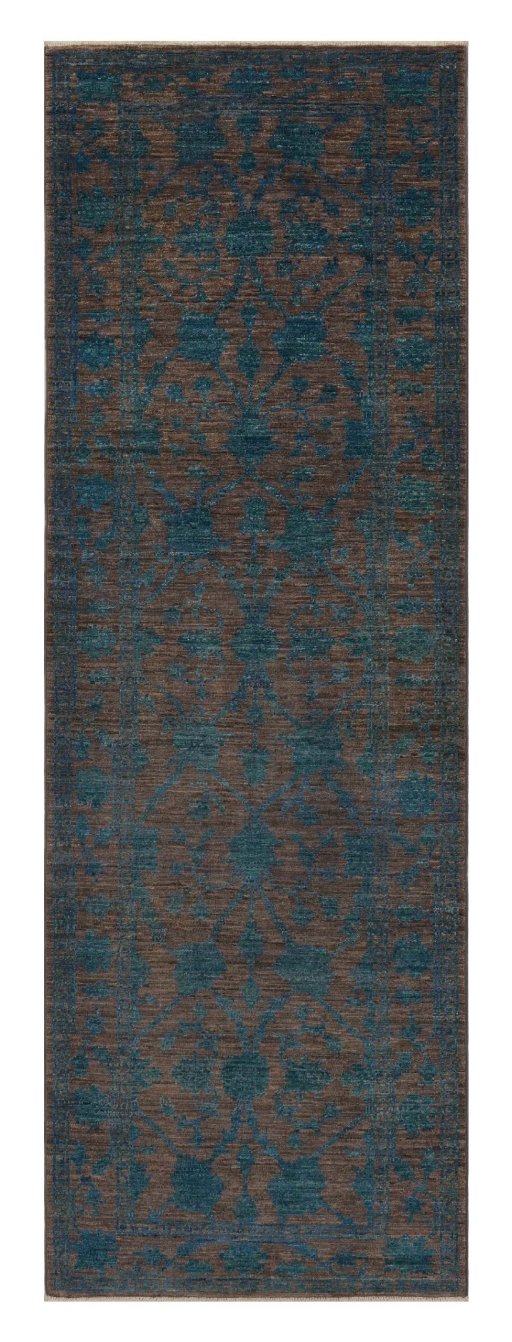
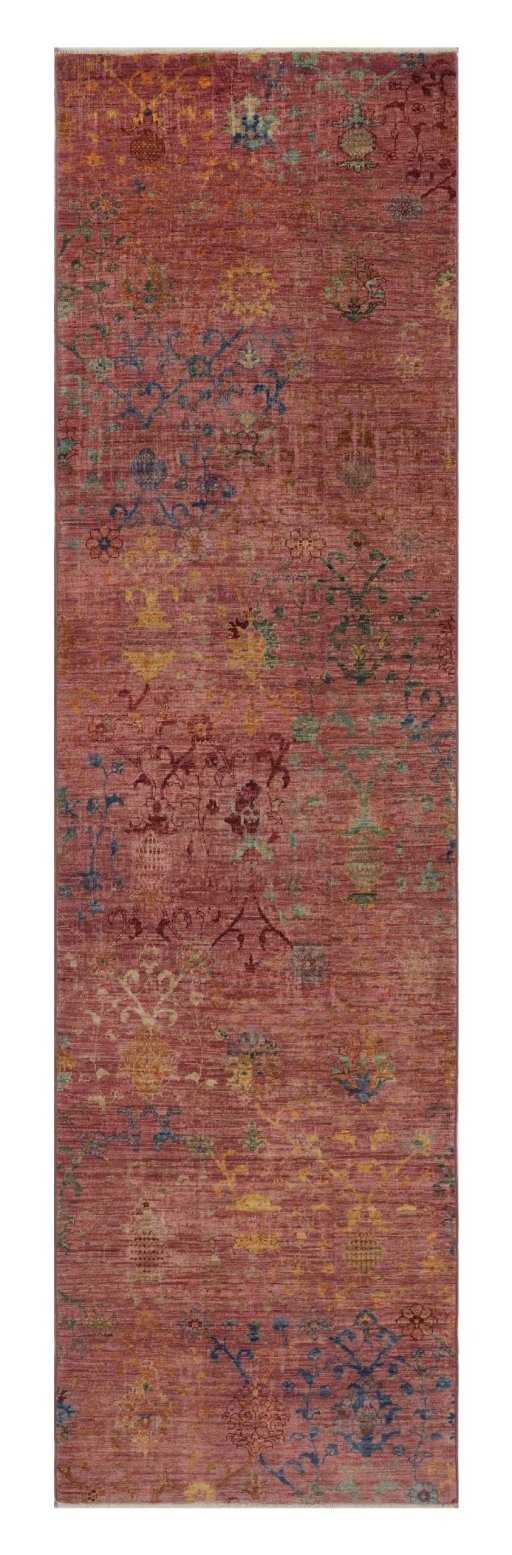
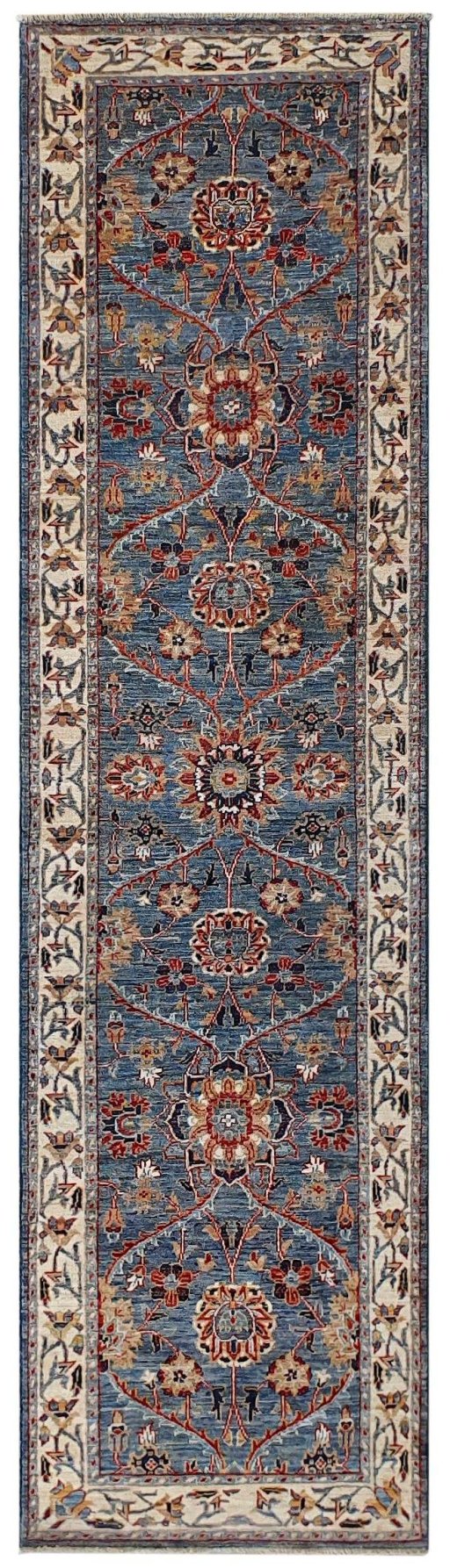
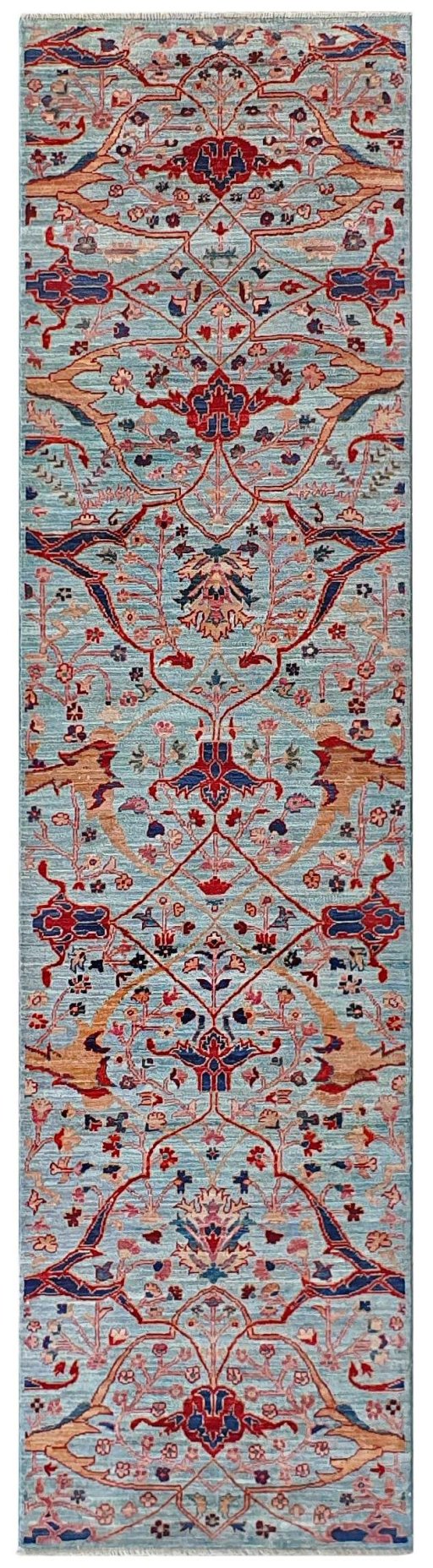
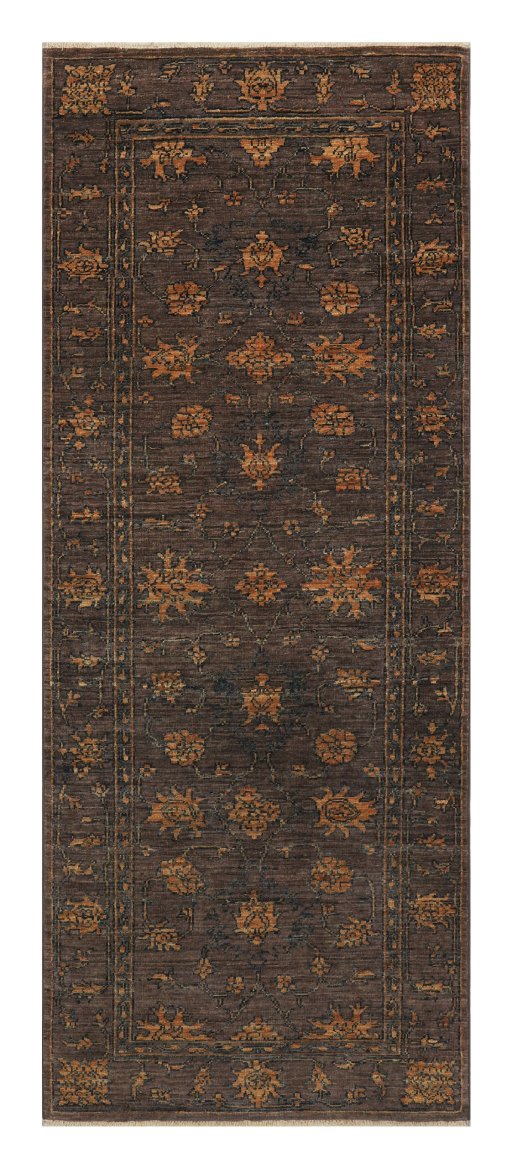
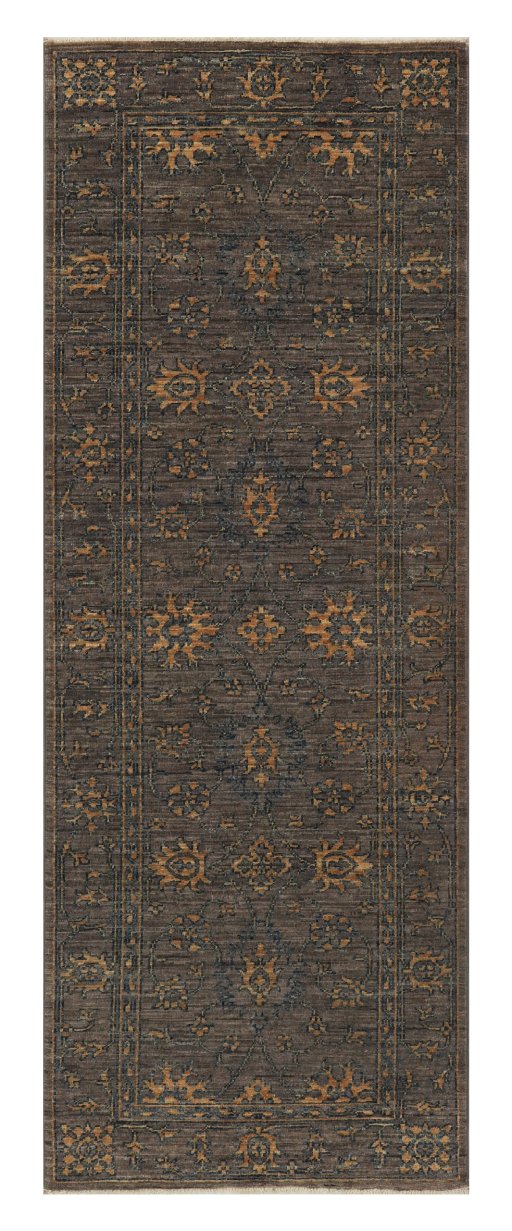
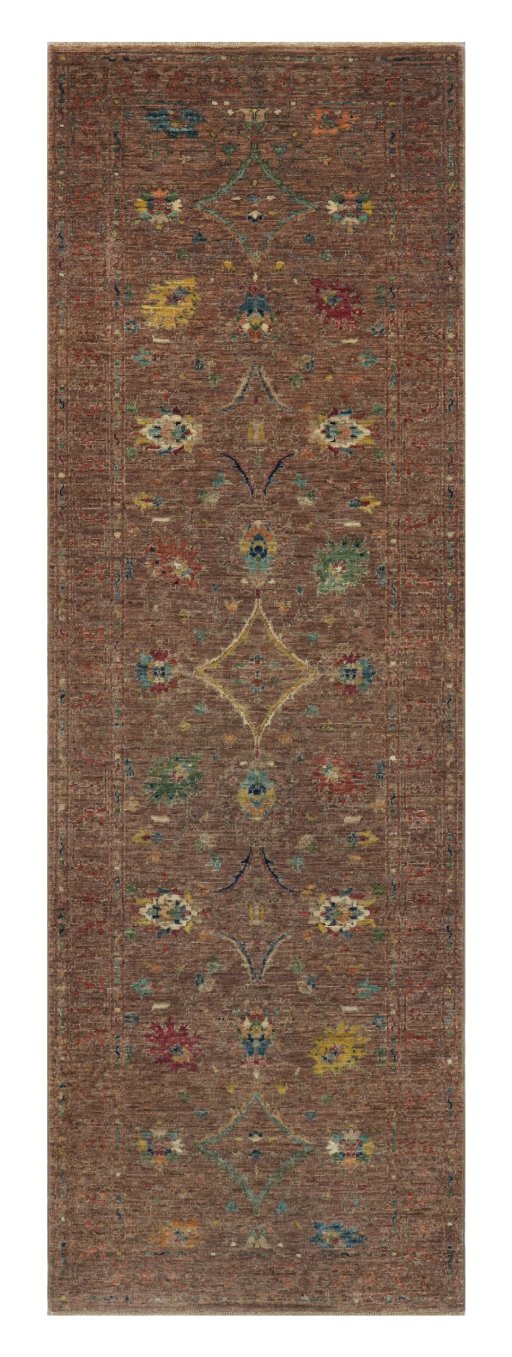
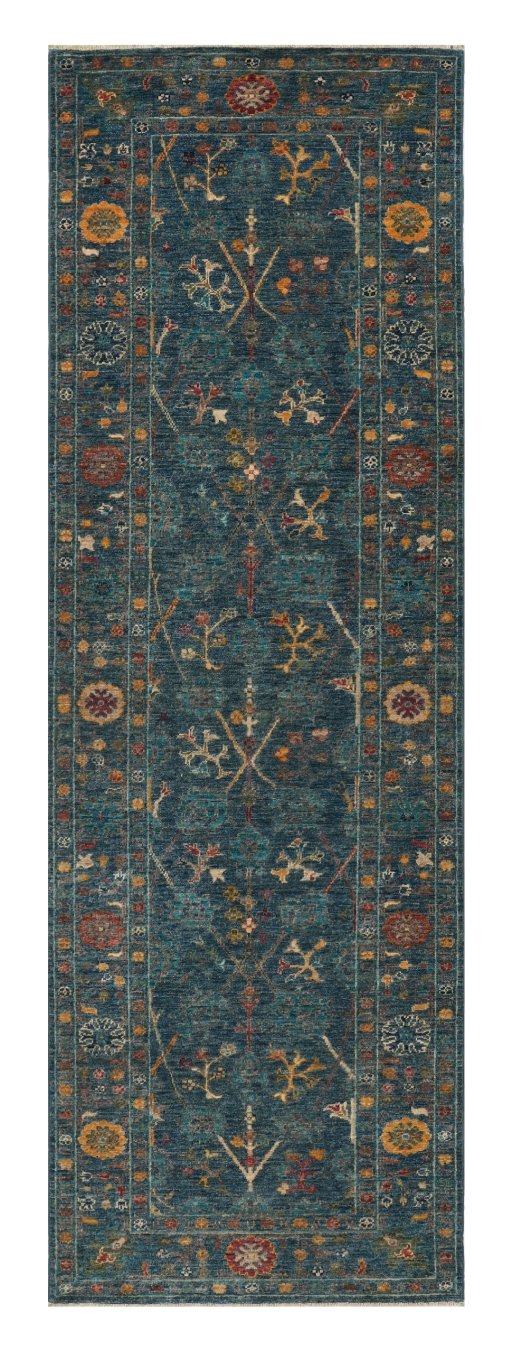
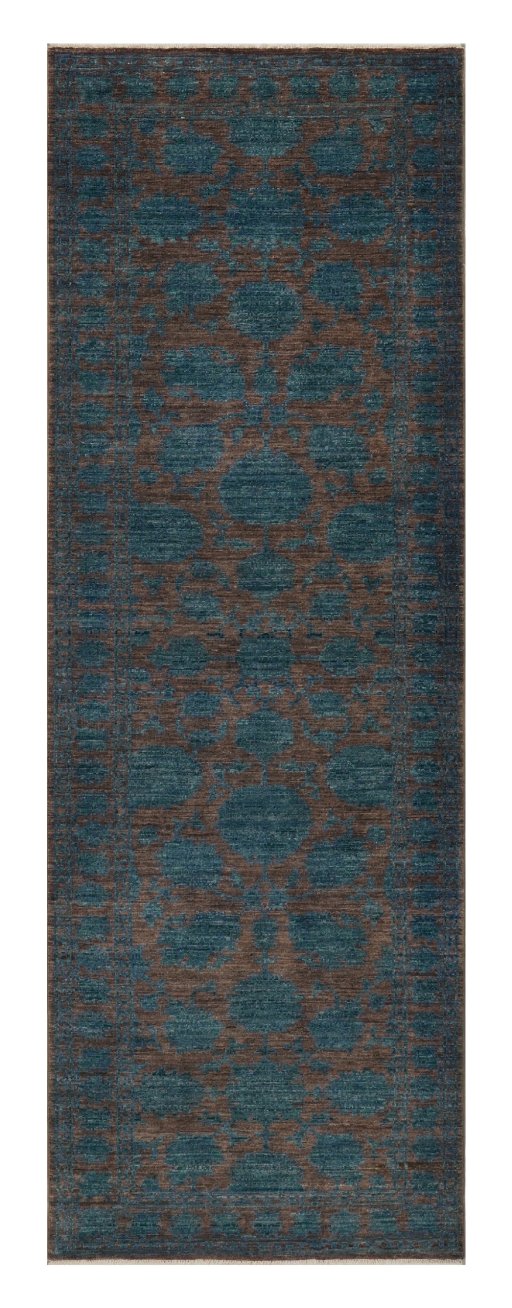
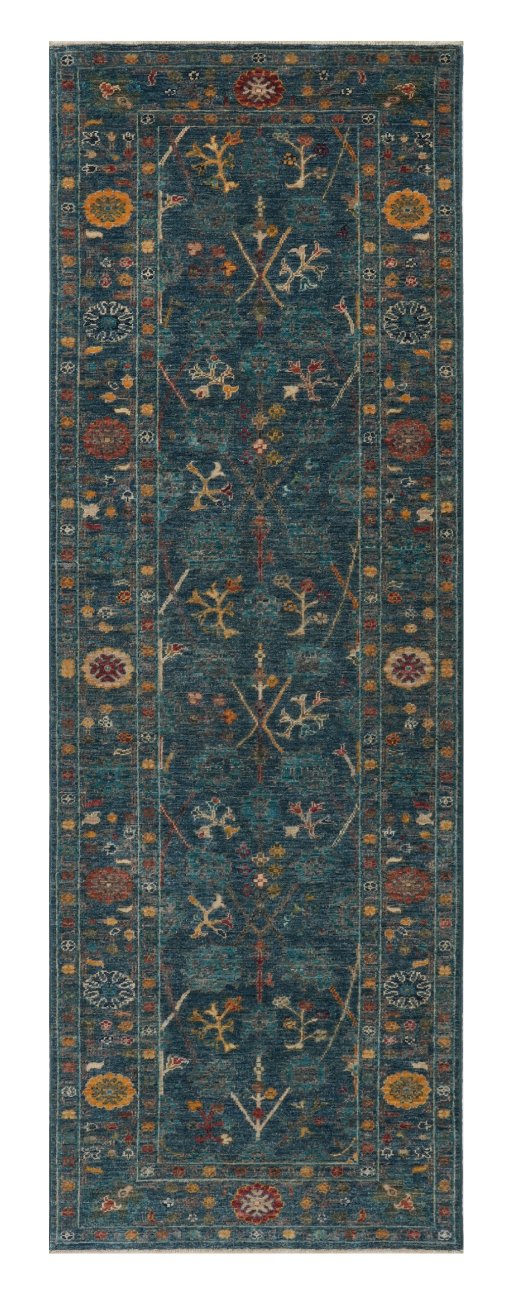
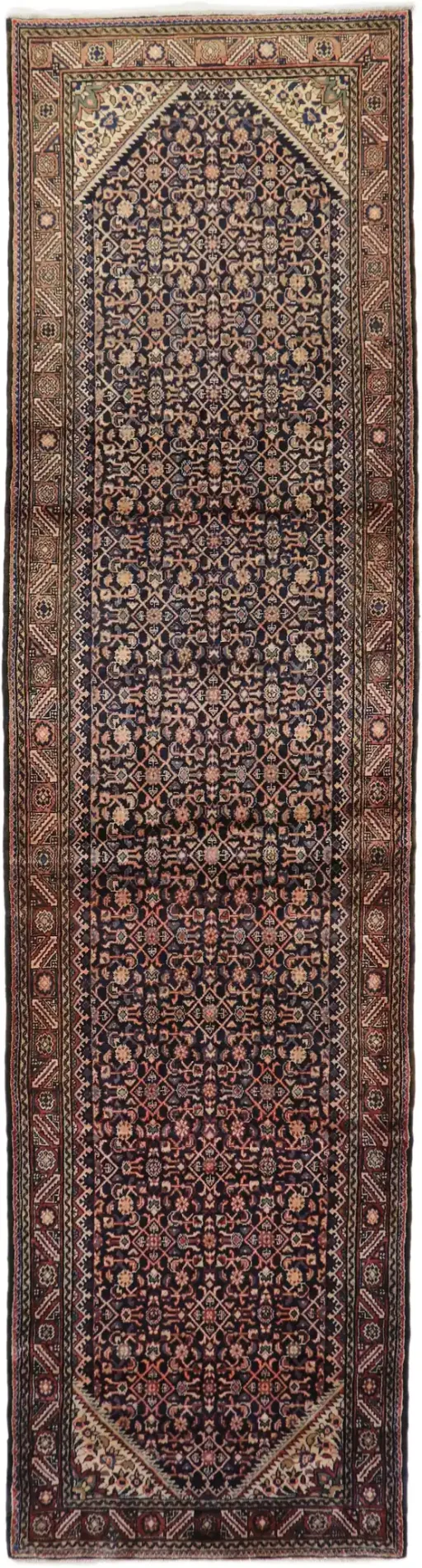
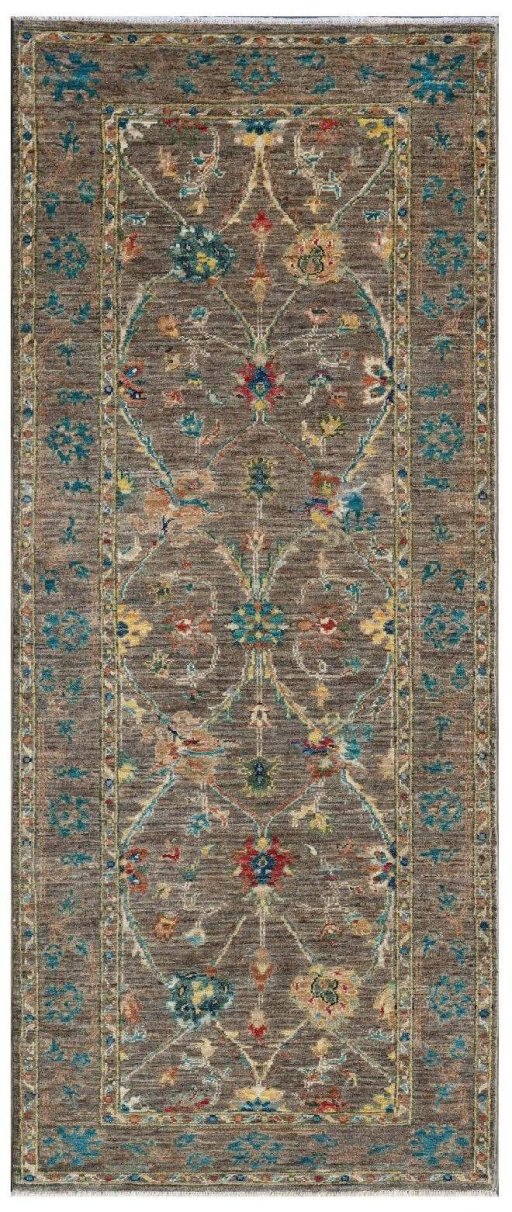
In the living room, choose a size that allows at least the front legs of the sofa and armchairs to rest on the rug. Under a dining table, the rug should extend about 60–70 cm beyond the table on all sides, so chairs stay on it when pulled out. In hallways, a Ziegler runner adds warmth to a narrow space, and the short pile handles daily foot traffic well.
For more ideas on size and placement, read our guide on how to decorate with handmade rugs. If you are furnishing a pared-back interior, our article on minimalist living is a good place to start.
07
Choosing Your Ziegler Rug
Start with the size: measure the room and mark the outline with tape before you decide. Our collection ranges from small rugs to large room-sized pieces, as well as runners for hallways.
Next, consider colour. Light grounds open up a room, while pieces with deeper accents hide everyday wear better. Finally, check the condition and details on the product page. Every rug is a one-of-a-kind, so the photos show exactly the piece you receive.
If you are unsure, our team will advise you personally, including in our Hamburg showroom by appointment. Rugbloom has been a family business since 1870, now in its fourth generation. We offer free shipping within the EU, free returns and the option to pay in instalments.
08
Frequently Asked Questions About Ziegler Rugs
Here are short answers to the questions we hear most often about Ziegler rugs.
What is a Ziegler rug?
A Ziegler rug is a hand-knotted oriental rug with large, widely spaced floral motifs, often without a central medallion, in light, muted colours. The style was originally developed for European interiors.
Are Ziegler rugs Persian?
Originally, yes. The historic Ziegler rugs were knotted in the Sultanabad region of Persia from the late 19th century. Today, the name describes a design style that is also knotted outside Iran.
Where are Ziegler rugs made?
The originals came from the Arak (Sultanabad) region in Iran. Contemporary Ziegler rugs are knotted in several countries, including Iran, Pakistan and India. The origin of every rug in our collection is listed on its product page.
What is the difference between a Ziegler and a Persian rug?
Classic Persian rugs often have a central medallion, dense ornament and strong colours. A Ziegler has more open space, larger motifs and a lighter palette, which makes it easier to combine with modern furniture.
Are Ziegler rugs suitable for hallways and dining rooms?
Yes. The short wool pile is hard-wearing and easy to clean. For hallways, choose a Ziegler runner; under a dining table, choose a size that leaves room for the chairs.