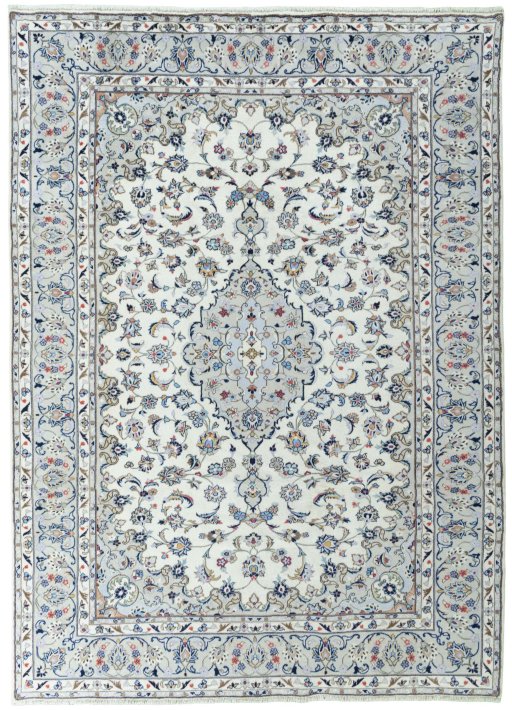
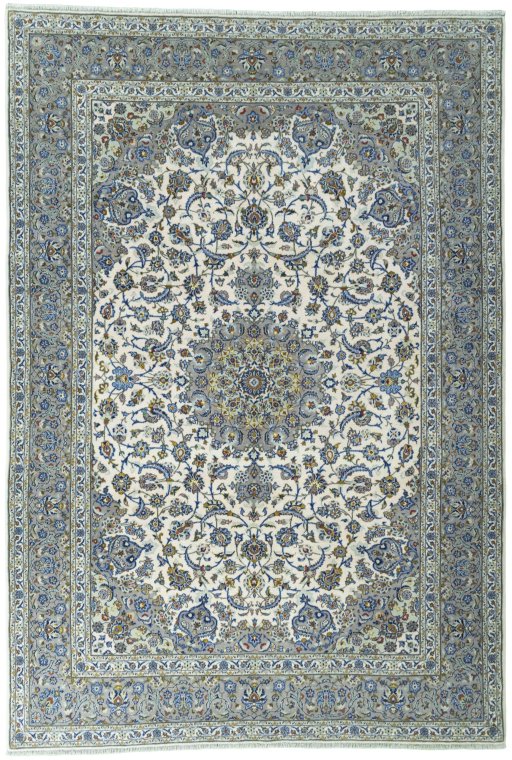
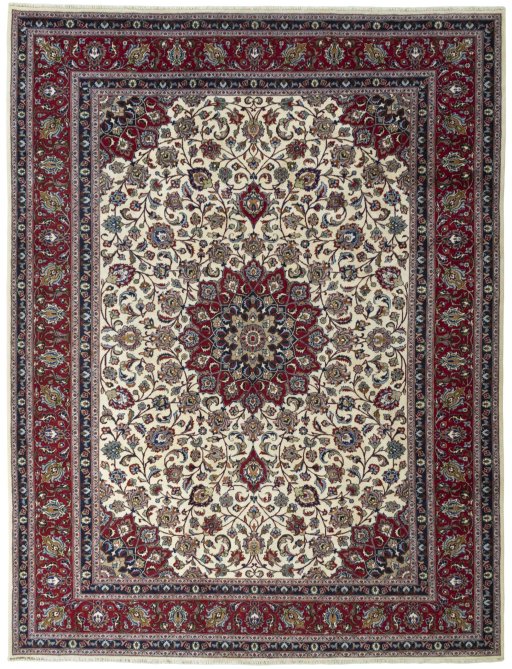
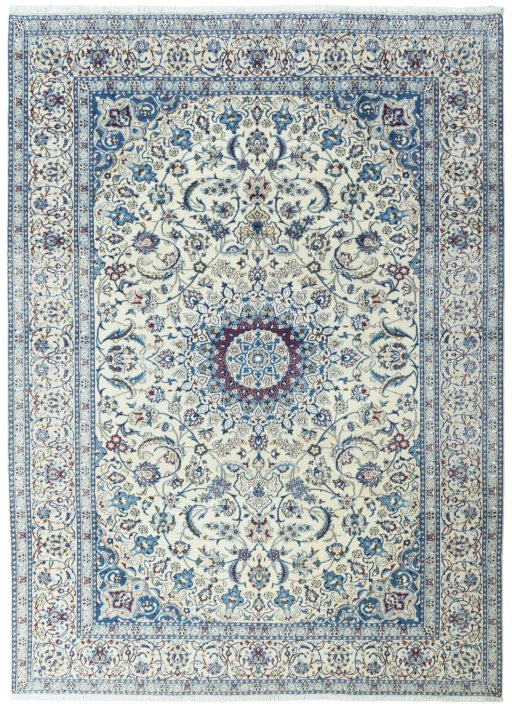
INTRO
Hand-knotted Persian rugs from Iran
The range goes from finely knotted city rugs and expressive nomadic rugs to luxurious silk rugs. Harmonious colours and detailed ornaments make Persian rugs suitable for classic and modern homes.
At Rugbloom, we check every Persian rug for origin, material, knotting quality and condition – so you receive a genuine one-of-a-kind piece with lasting value.
01
How to recognise a genuine Persian rug
A Persian rug is a hand-knotted rug from the area of historic Persia, today's Iran. Internationally, the term stands for origin and quality. Read more in our article on the history and origins of hand-knotted oriental rugs.
A genuine Persian rug is hand-knotted knot by knot. Small irregularities in pattern or colour are therefore not a flaw, but a sign of real handwork.
Other features: the pattern is clearly visible on the back, and the fringes are the ends of the warp threads – they are not sewn on afterwards. Natural materials such as hand-spun virgin wool, kork wool, cotton and silk are typical.
02
Persian rugs by origin: Tabriz, Isfahan, Nain, Ghom and Kashan
Every weaving region in Iran has its own style – from floral medallions to geometric patterns. Here are the best-known origins at a glance. For background on patterns and their meaning, see our article Regions, patterns and symbolism of oriental rugs.
Tabriz rugs: finely knotted and richly ornamented
Tabriz rugs are among the best-known Persian rugs in the world. Typical features are precise knotting, elaborate medallions and floral or pictorial designs.
Isfahan rugs: Persian rugs of the highest class
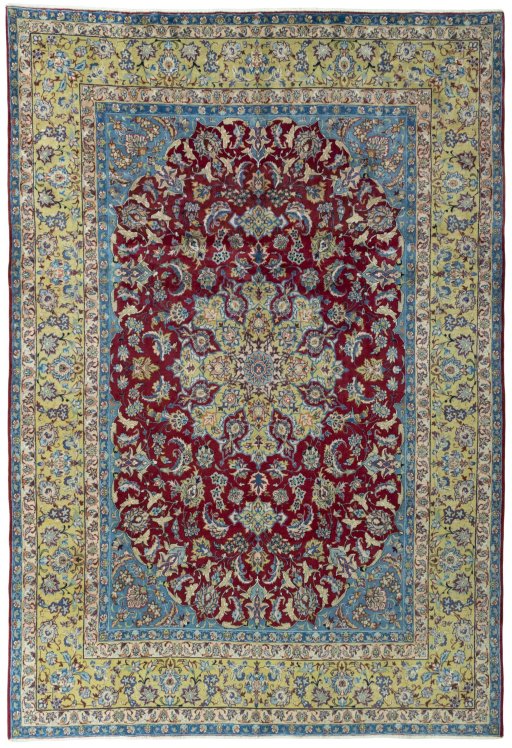
Isfahan rugs represent Persian knotting at the highest level. Elegant floral ornaments, balanced proportions and a very high knot density give them lasting elegance.
Nain rugs: light colours and silk accents
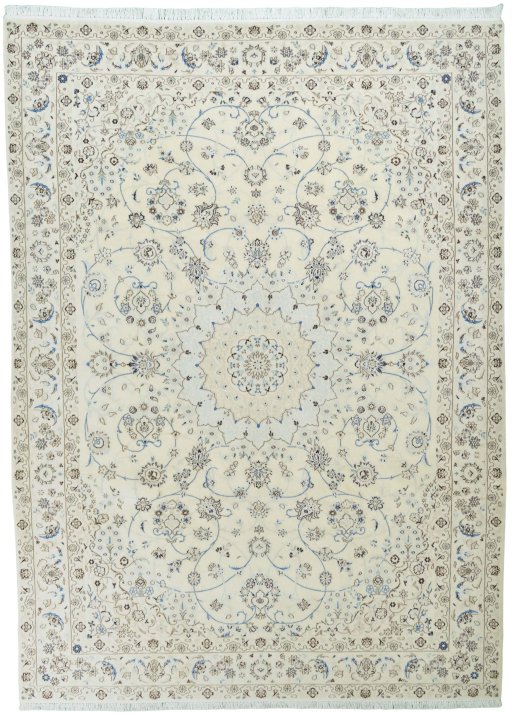
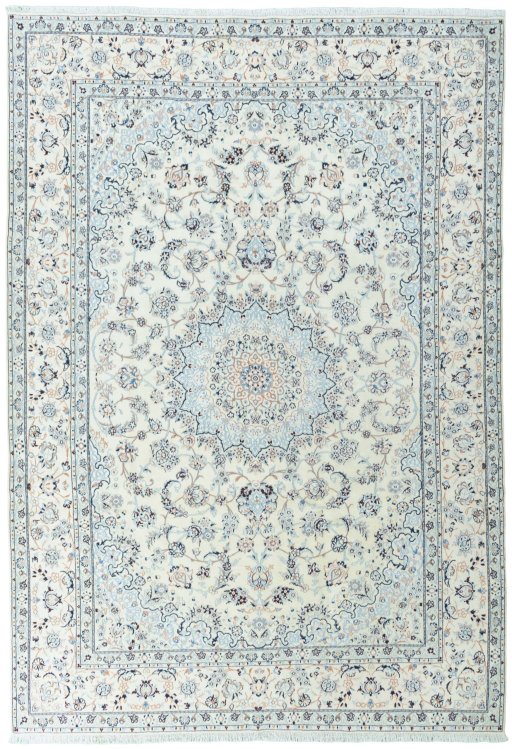
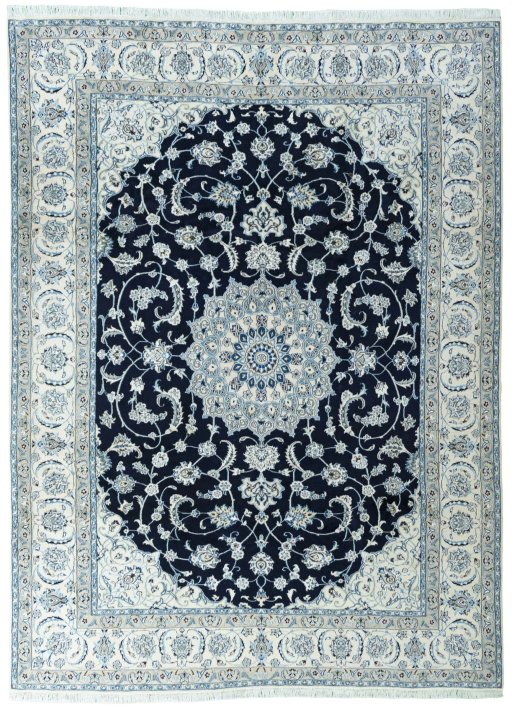
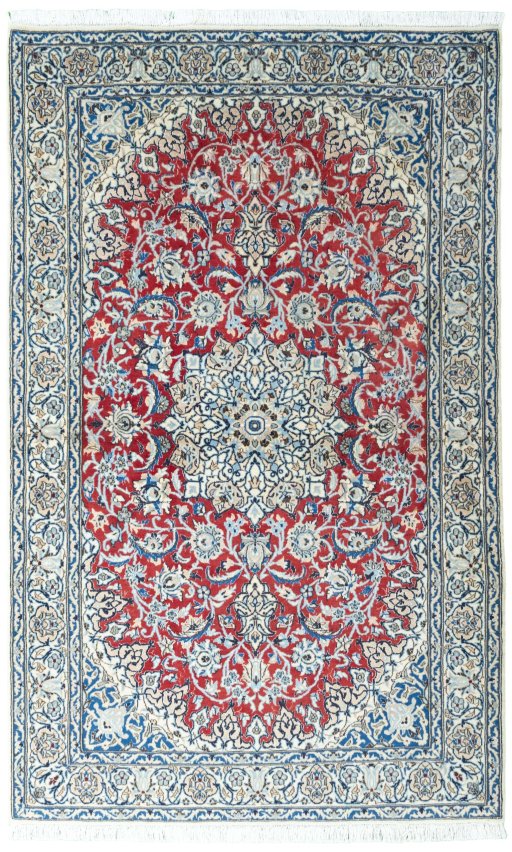
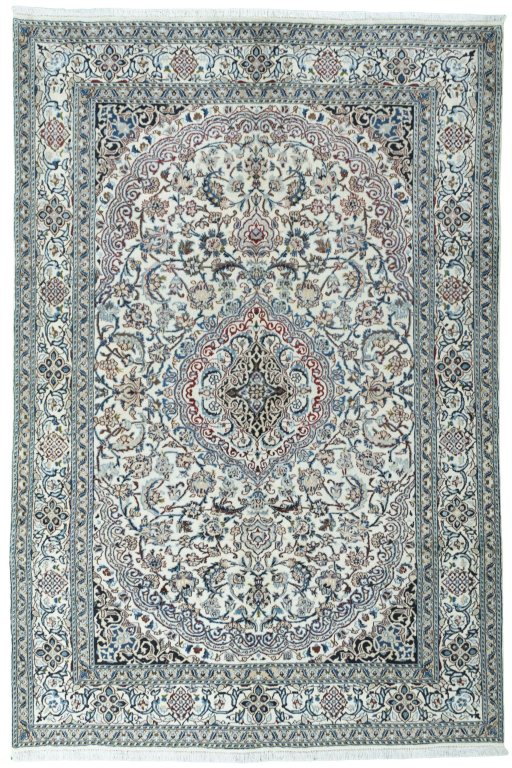
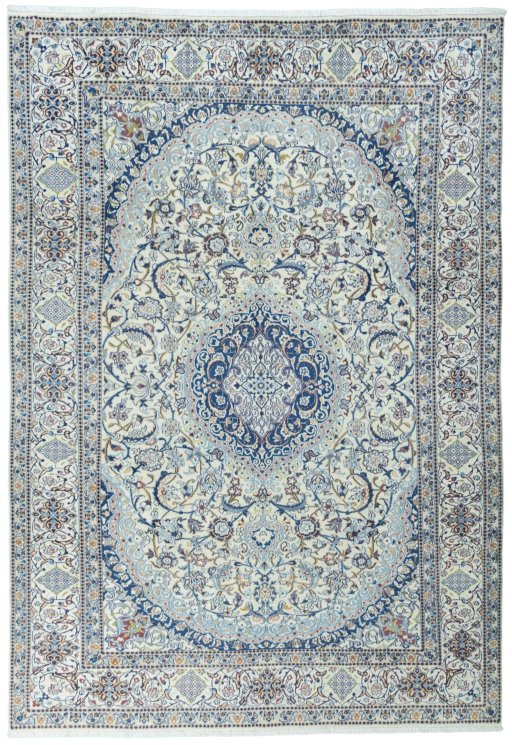
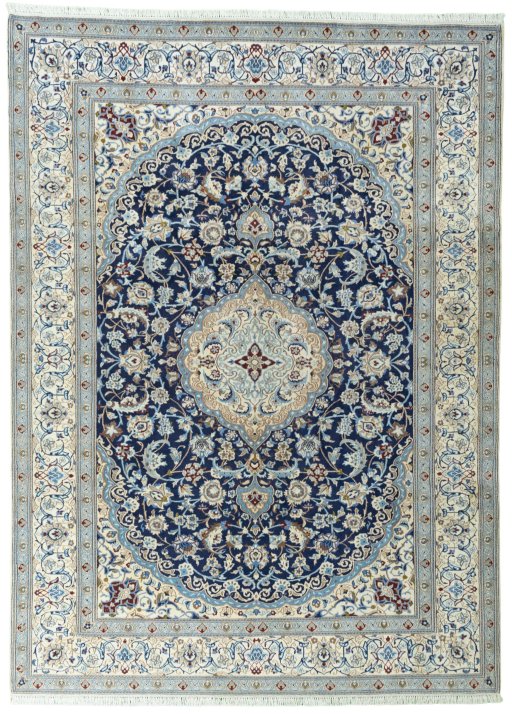
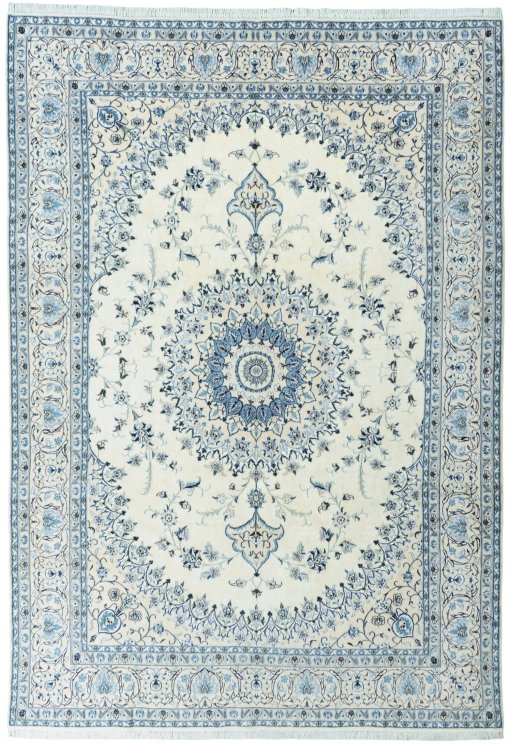
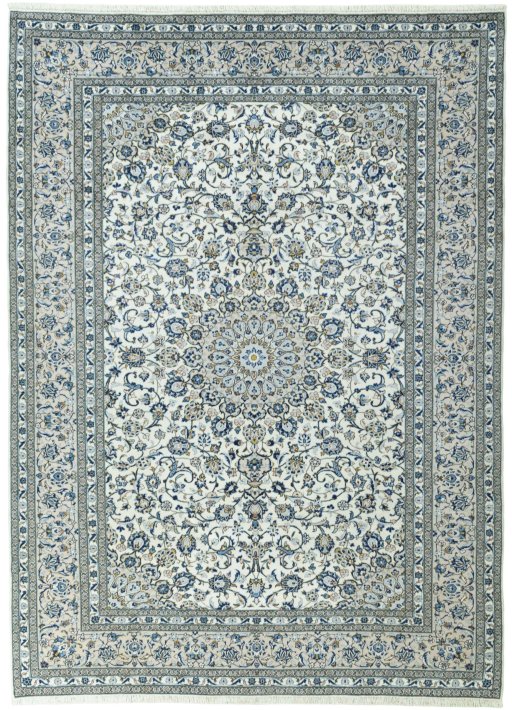
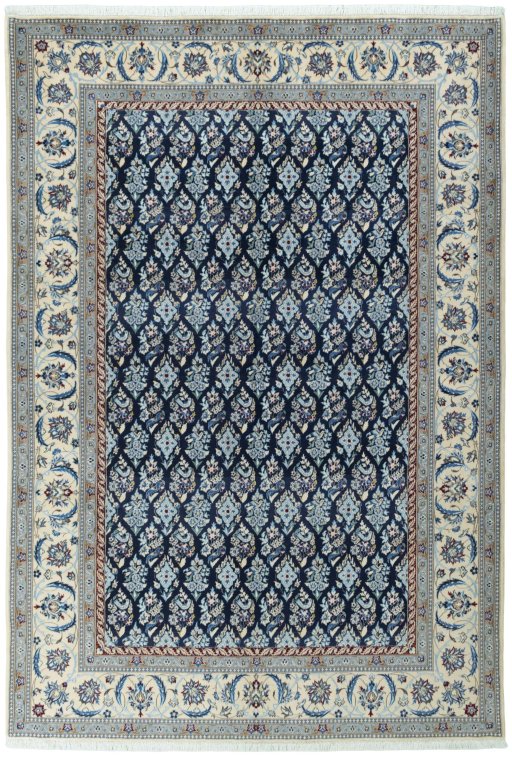
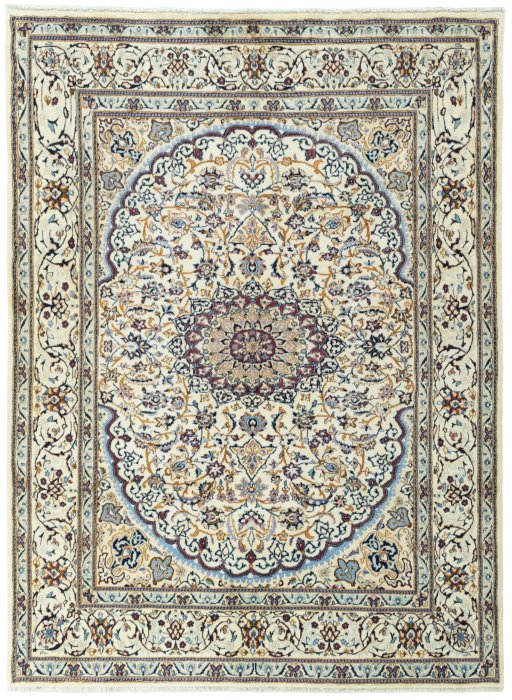
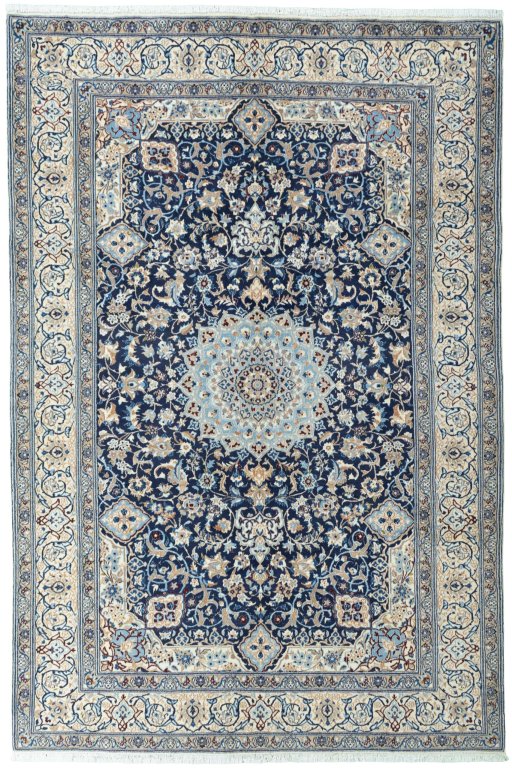
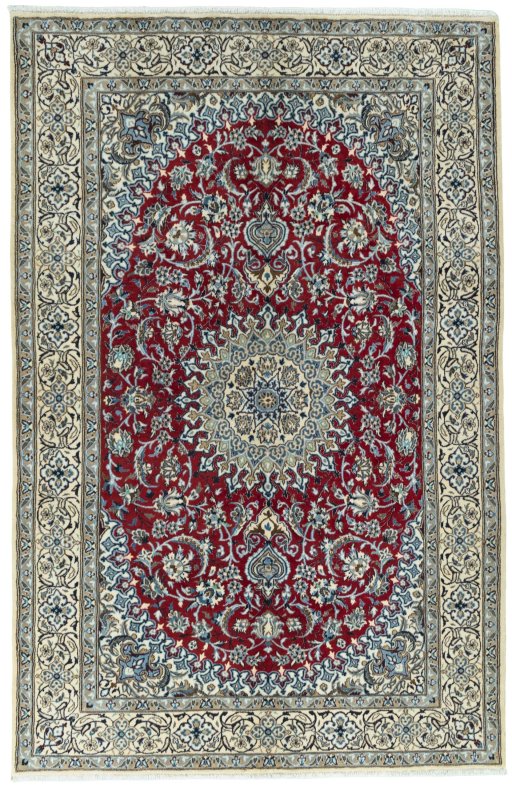
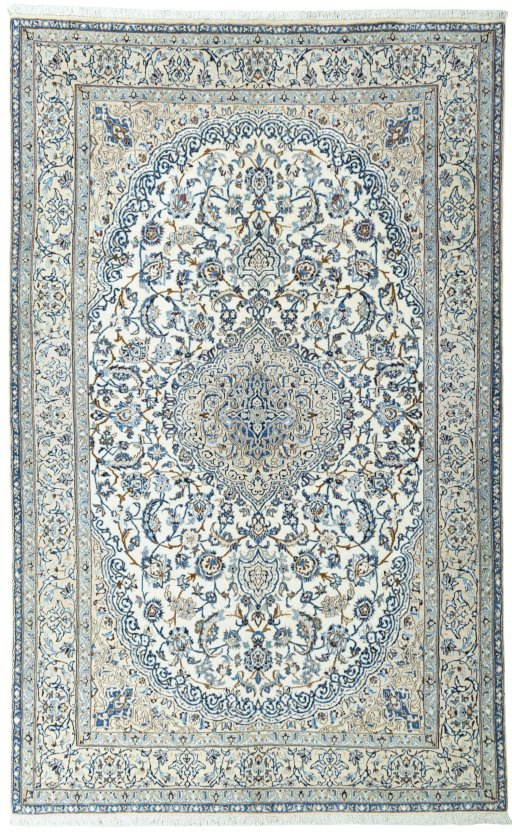
Nain rugs are known for fine details, delicate cream and blue tones and their understated elegance. Many pieces combine high-quality wool with silk accents.
Ghom rugs: fine silk rugs from Persia
Ghom rugs (also Qom) are among the finest silk rugs from Persia. Their high knot density, brilliant colours and great precision make them especially sought after.
Kashan and Kerman rugs: classic medallion designs
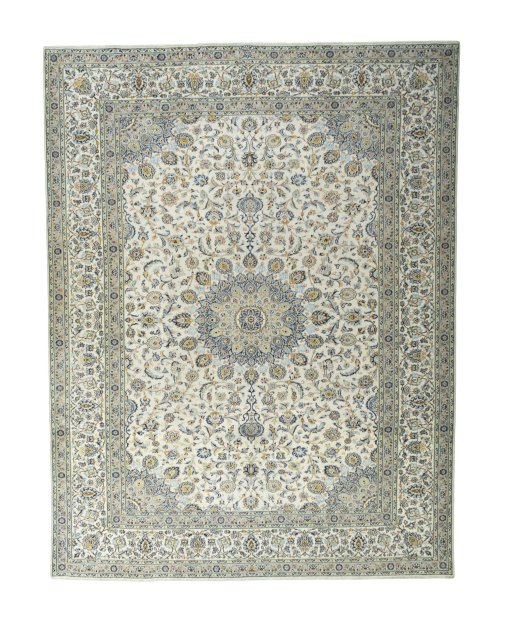
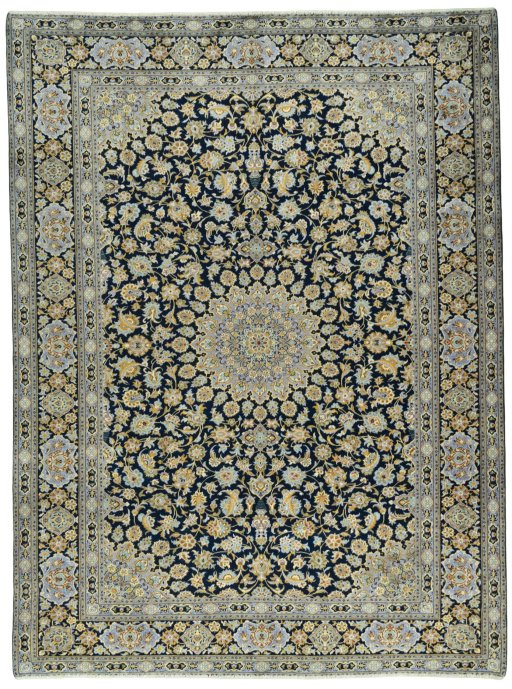
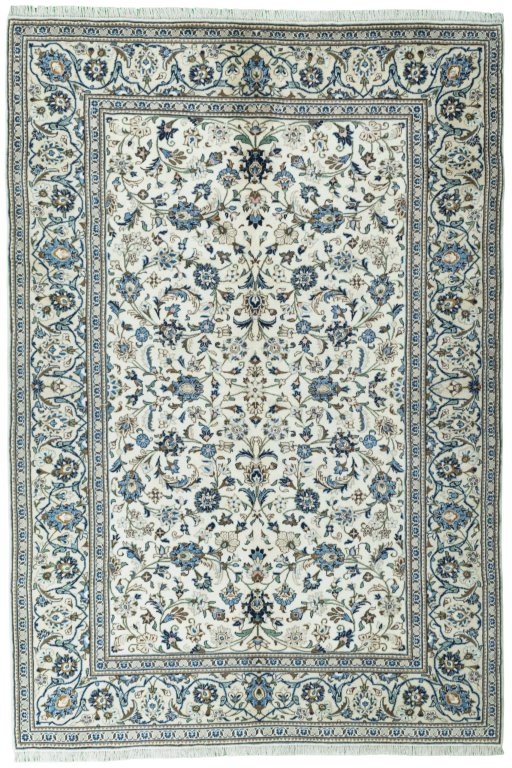
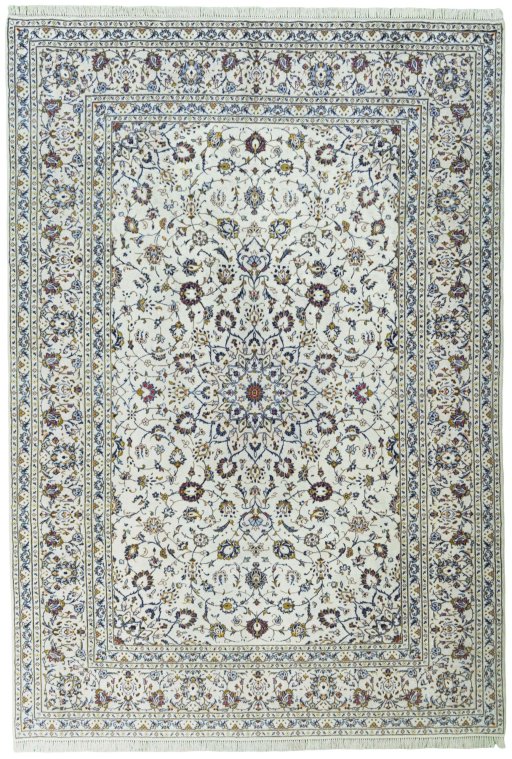
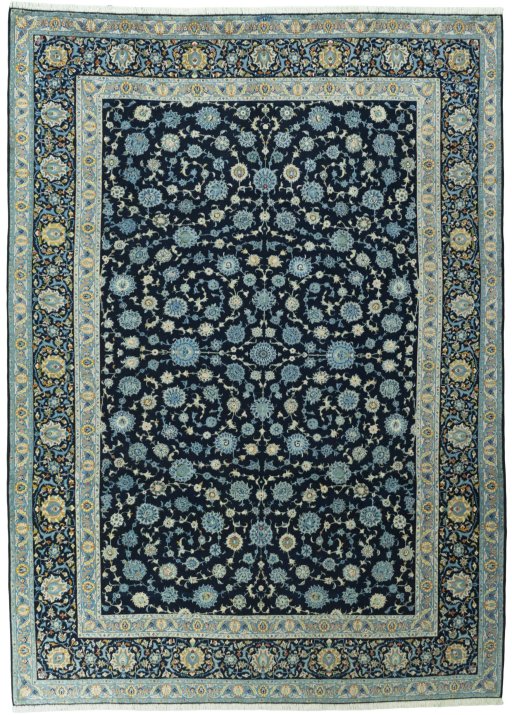
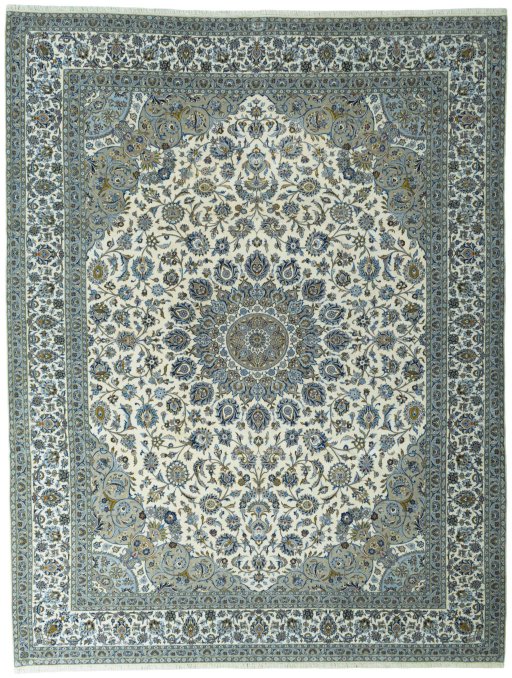
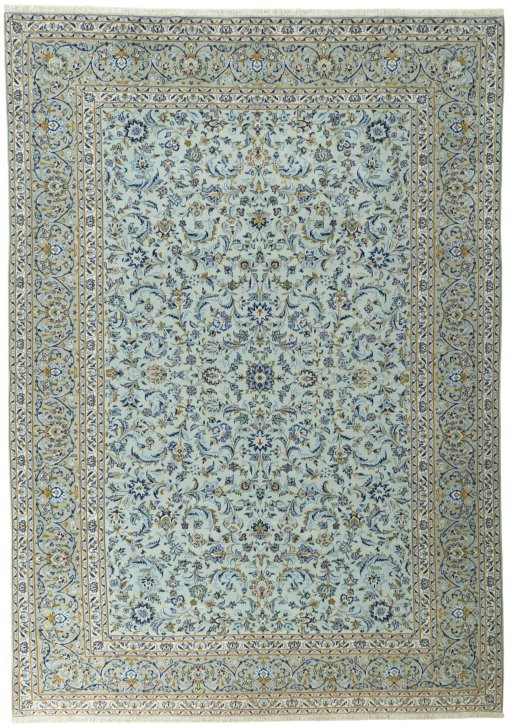
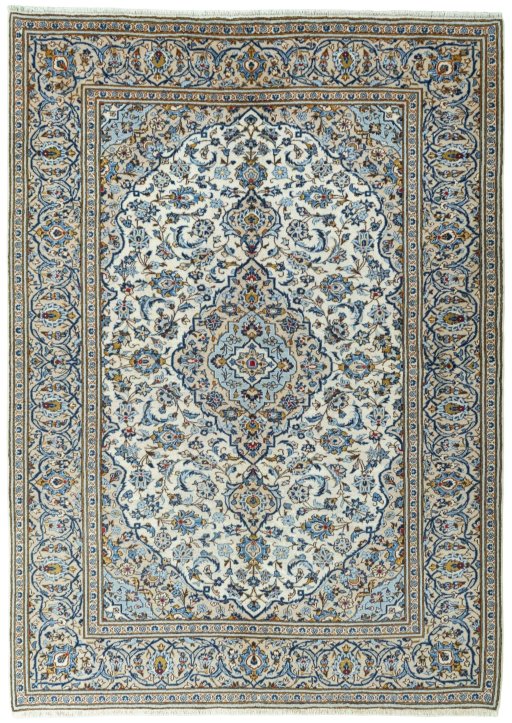
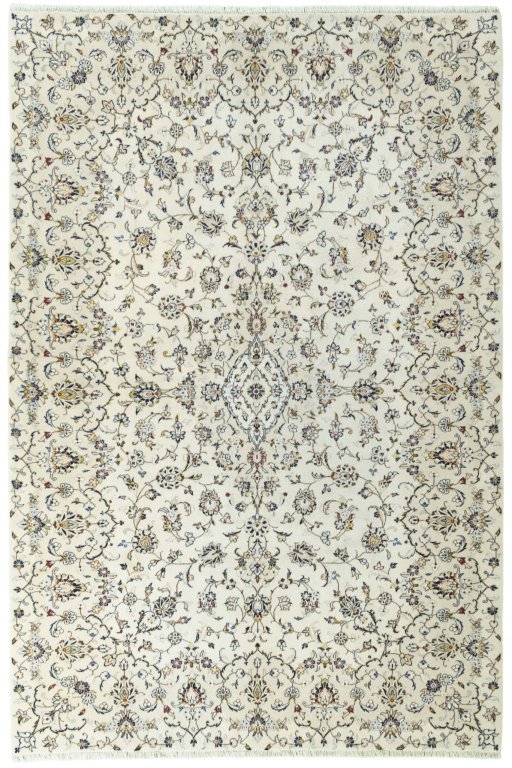
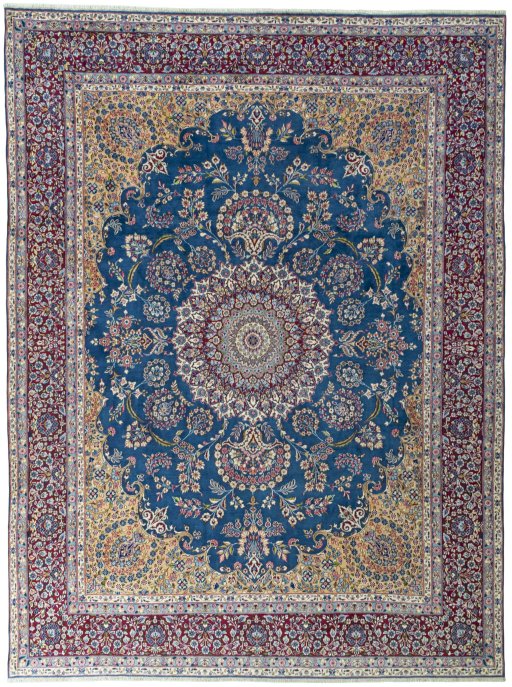
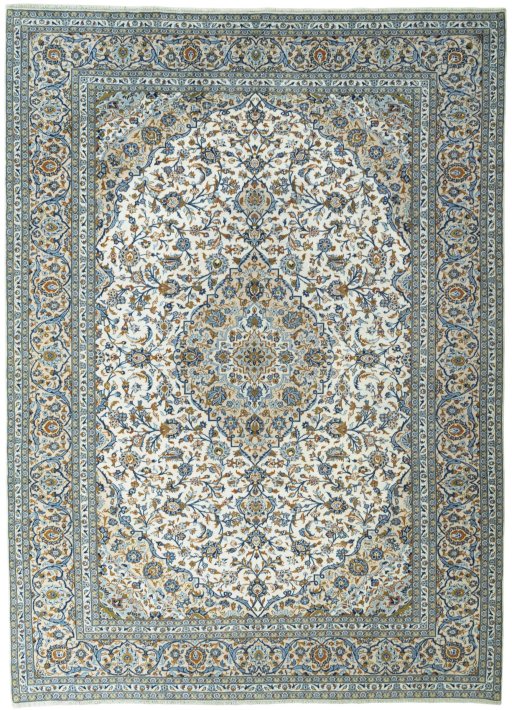
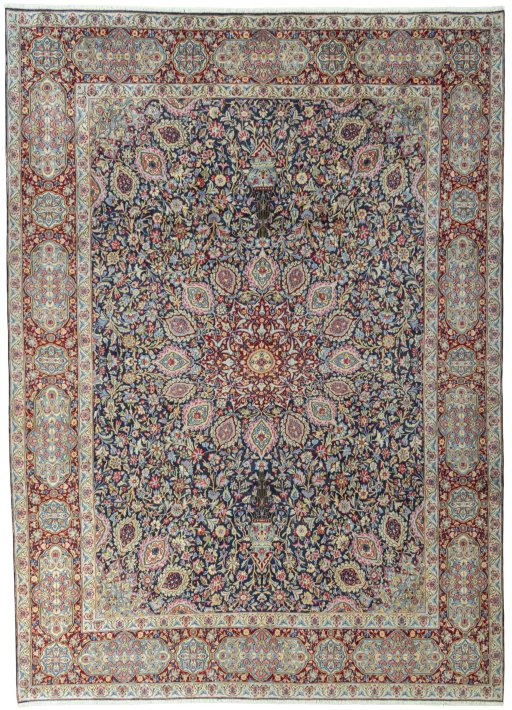
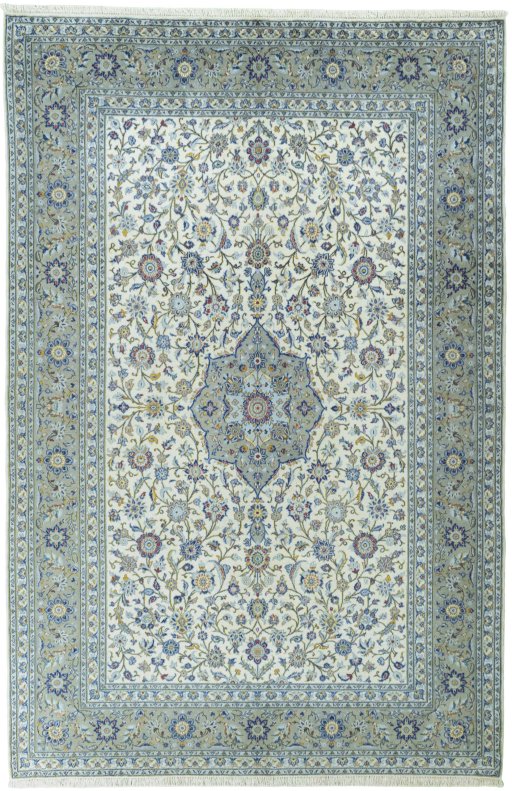
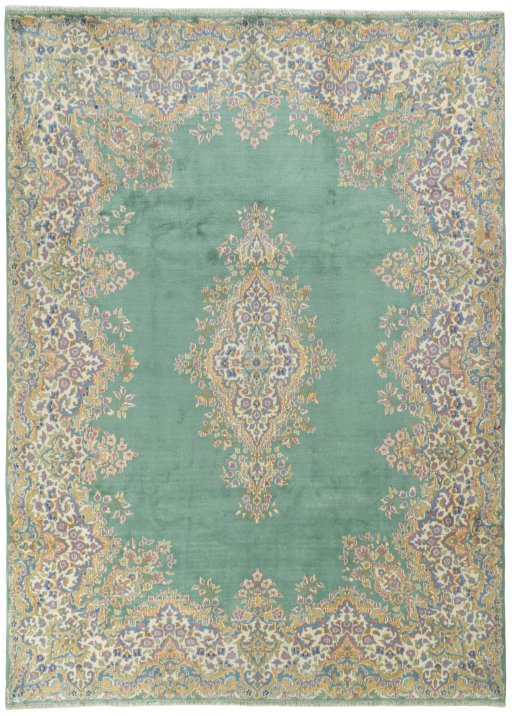
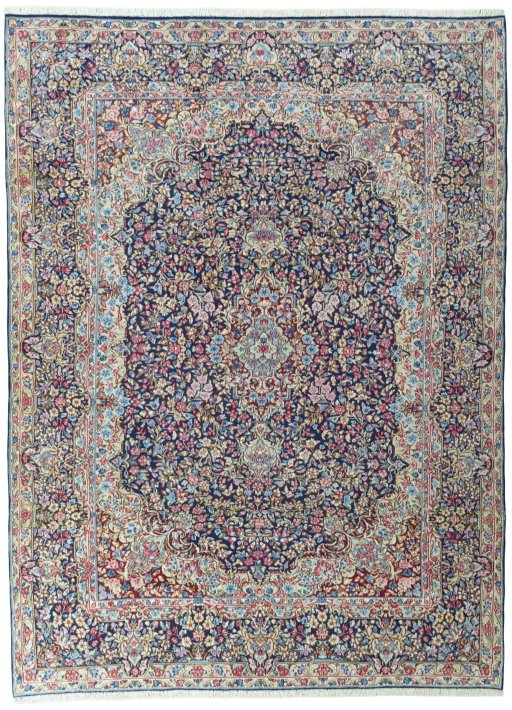
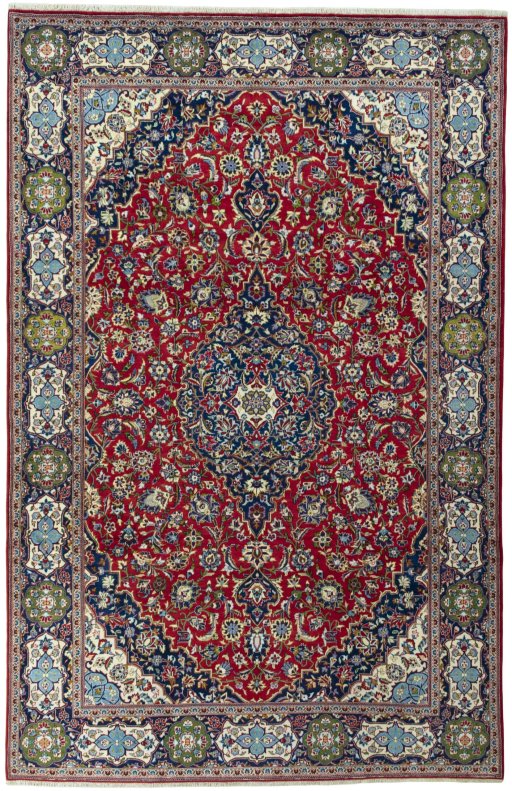
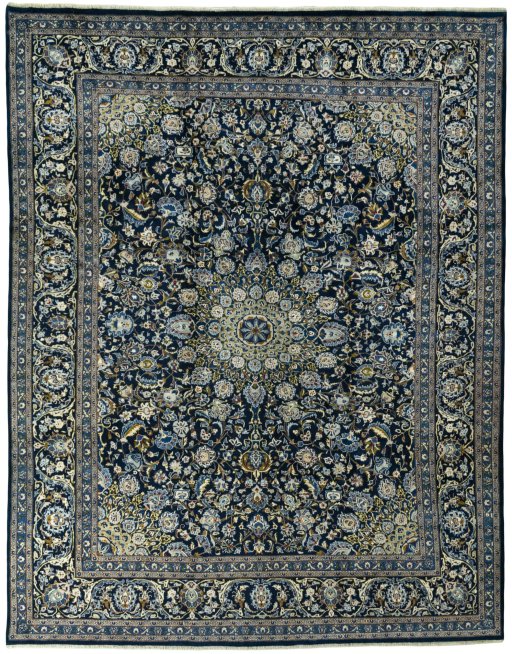
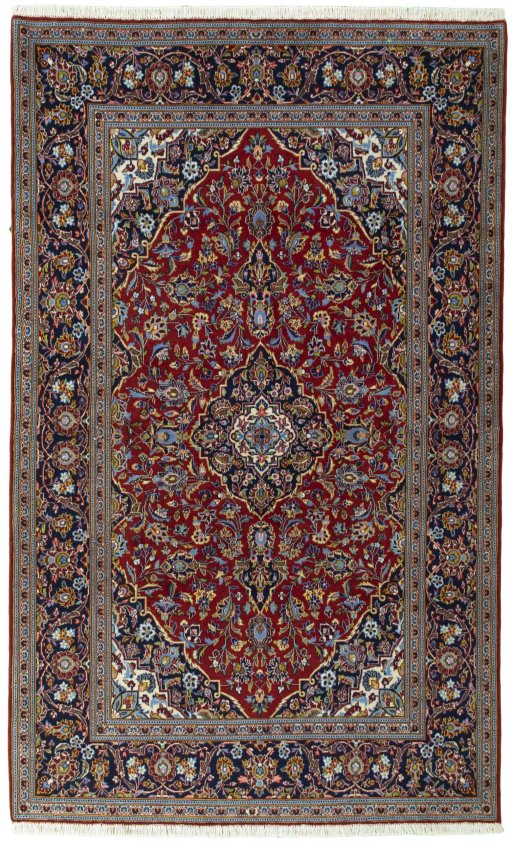
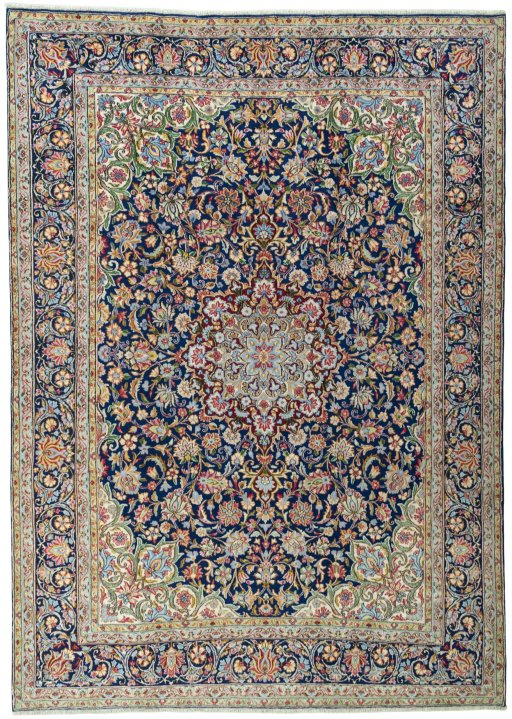
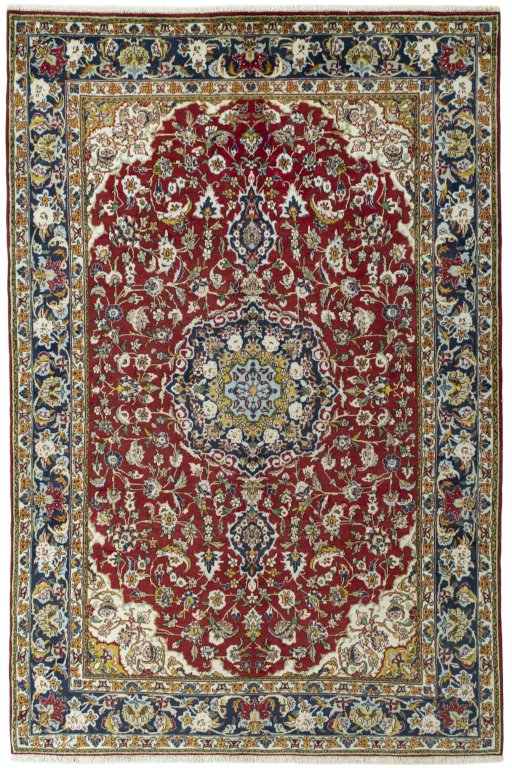
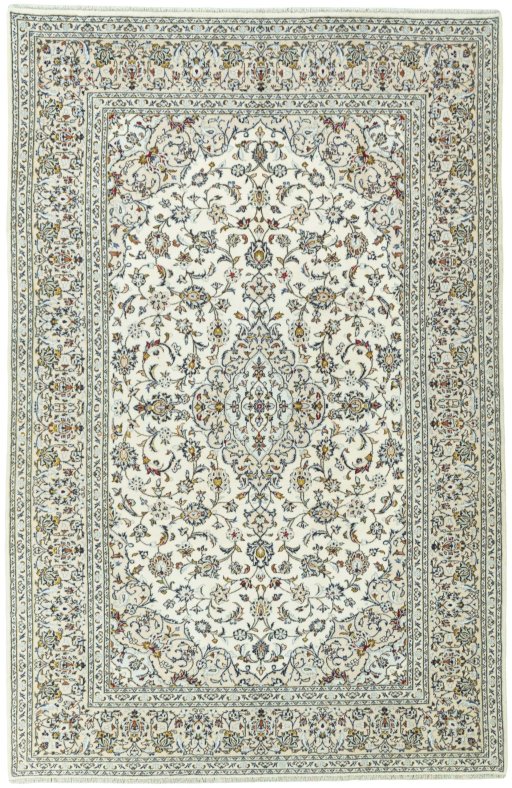
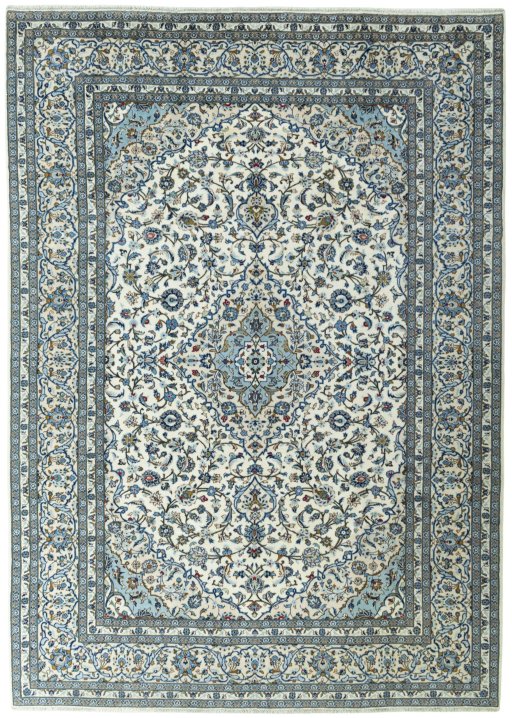
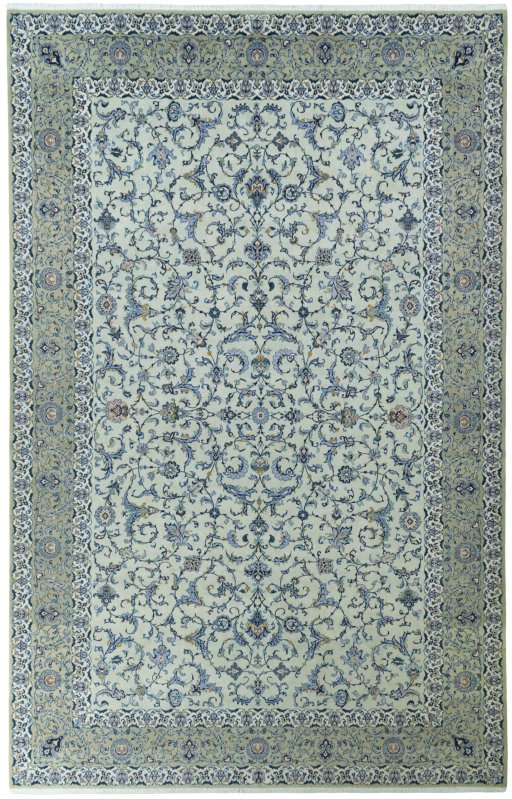
Kashan rugs and Kerman rugs are valued for their harmonious medallions, warm colours and detailed floral patterns.
Sarough, Mashad and Kashmar rugs: floral classics
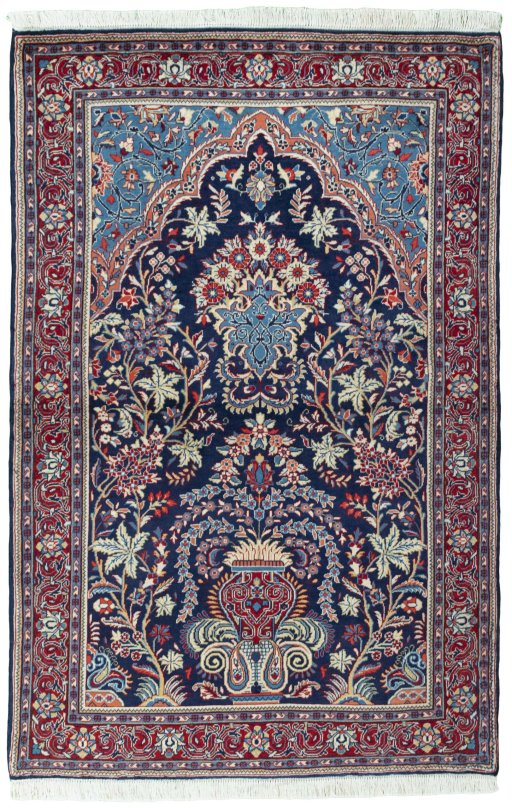
Sarough rugs from the Arak region impress with dense pile, floral patterns and warm colours.
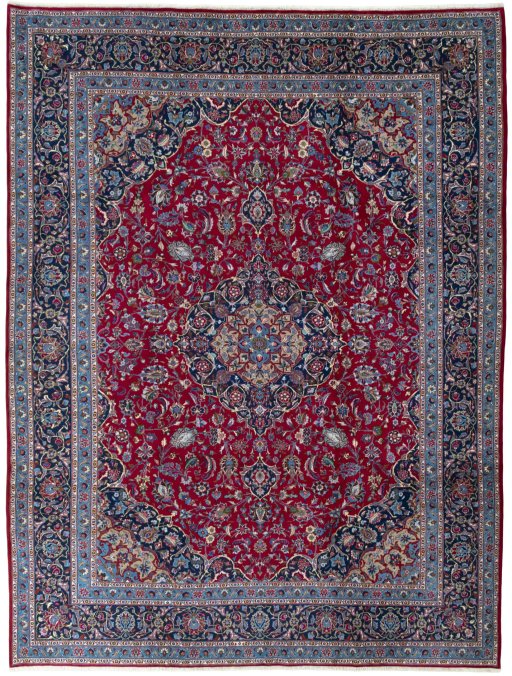
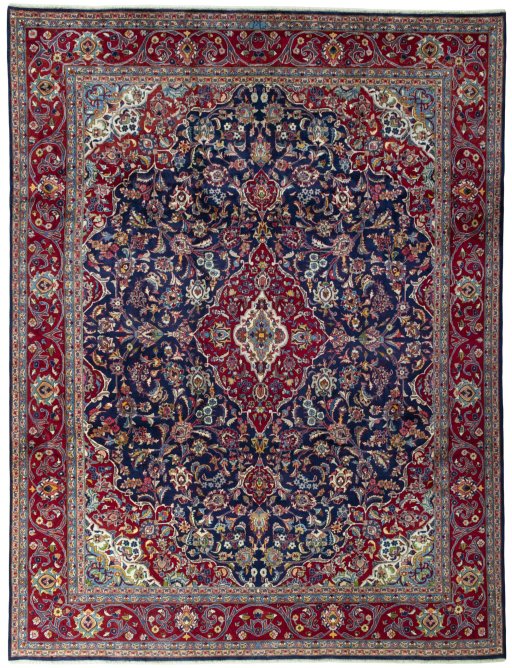
Mashad and Kashmar rugs come from the province of Khorasan in eastern Iran and are known for floral medallions and rich ornamentation.
03
Wool, silk and knot density: how quality is made
The quality of a Persian rug comes from the interplay of material, knotting precision and design.
High-quality virgin wool and kork wool provide elasticity, durability and a pleasant feel, while silk allows fine details and elegant reflections of light. Cotton often serves as the stable foundation of the rug.
Knot density varies by origin and style. Finely knotted Persian rugs allow especially detailed ornaments, while nomadic rugs make their impact through texture and expression. More on this: Materials and knotting techniques of hand-knotted oriental rugs.
Traditional plant and mineral dyes create a harmonious colour effect and age beautifully. Read how these colours are made in Natural dyes and traditional dyeing techniques.
04
Persian rugs in modern and classic living rooms
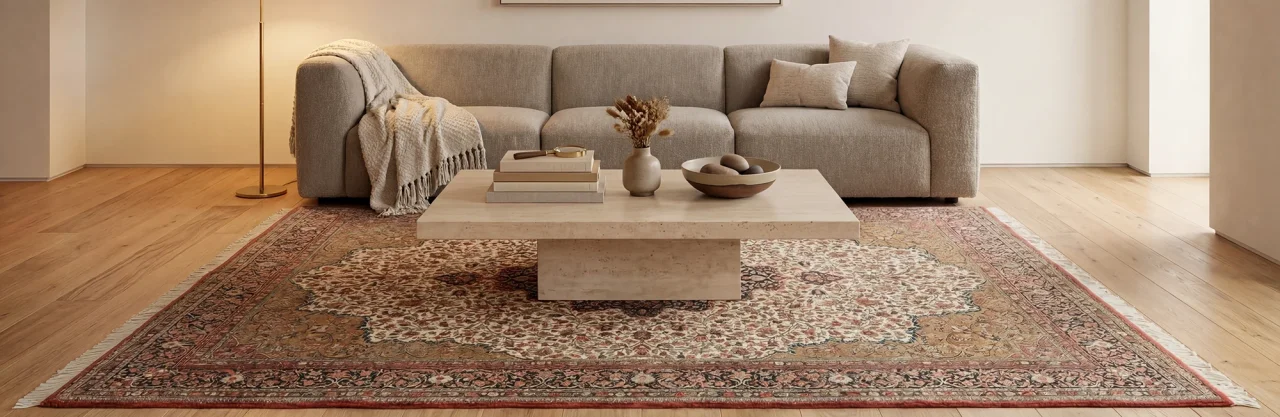
Persian rugs give living spaces warmth, structure and visual depth. Their design language works both as an elegant centrepiece and as a harmonious contrast in modern interiors.
Classic medallion rugs complement elegant living and dining areas, while geometric or tribal-inspired Persian rugs set strong accents in minimalist interiors. Calm colour palettes blend in especially well with modern and Scandinavian concepts.
With their wide range of sizes, colours and patterns, Persian rugs are among the most versatile rugs in interior design.
For inspiration, read our article Classic living style with Persian rugs.
05
Antique and vintage Persian rugs
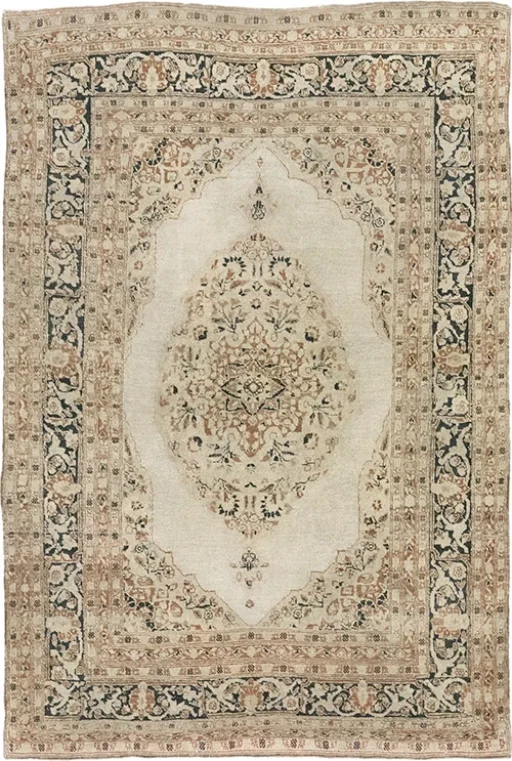
Antique Persian rugs are especially valued for their rarity, their craftsmanship and their natural patina. Over decades, hand-spun wool and natural dyes develop a depth and softness that cannot be imitated.
Vintage Persian rugs combine traditional craftsmanship with a modern look. Careful restoration preserves the original knotting while giving the rug a contemporary feel.
You can find selected pieces in our antique rugs category.
06
How do I find the right Persian rug?
Choosing the right Persian rug depends on origin, material, room size and use.
Finely knotted silk rugs are especially suitable for elegant, formal rooms, while robust wool rugs from Heriz or Bidjar are ideal for busier living areas. Colours, patterns and proportions should match the architecture and furnishings.
A high-quality Persian rug combines function, craftsmanship and long-lasting beauty.
Our guide Choosing the right hand-knotted rug for your interior style gives tips on colour, texture and placement.
07
How much does a Persian rug cost?
The price of a Persian rug depends mainly on four factors: size, knot density, material and age. A finely knotted Isfahan or Ghom rug with silk costs much more than a robust wool rug of the same size, because it takes many times more knots and working hours.
Origin, condition and rarity also play a role – antique pieces in good condition are often in high demand.
At Rugbloom, you can see the dimensions, material and origin of every rug at a glance. The price filter helps you quickly find Persian rugs within your budget. To keep your rug beautiful for a long time, also read our guide to caring for hand-knotted oriental rugs.
08
Buy Persian rugs online at Rugbloom
Rugbloom combines traditional rug expertise with a carefully chosen selection of authentic Persian rugs from Iran's renowned weaving regions. Every rug is checked for origin, material quality, knotting and condition.
The collection includes finely knotted city rugs, tribal and nomadic rugs, antique Persian rugs, silk rugs and modern Persian designs made from high-quality natural materials.
Detailed product information gives you transparency on dimensions, materials, knot density, age and origin. You also benefit from free shipping and free return shipping as well as a 30-day right of return.
Selected Persian rugs can be viewed by appointment in our Hamburg showroom.
You can find more hand-knotted oriental rugs among our nomadic & village rugs, Ziegler rugs and kilim rugs.
09
Persian rug FAQ
Here are the questions our customers ask us most often about Persian rugs.
How much does a Persian rug cost?
The price depends mainly on size, knot density, material and age. A finely knotted silk Ghom rug costs much more than a robust wool rug of the same size. At Rugbloom, you will find Persian rugs from around €400 to over €6,000.
How can I tell if a Persian rug is genuine?
Turn the rug over: on a hand-knotted piece, the pattern is clearly visible on the back. The fringes are the ends of the warp threads and are not sewn on. Small irregularities in pattern and colour are a sign of real handwork.
What is the difference between a Persian rug and an oriental rug?
Every Persian rug is an oriental rug, but not the other way round. Persian rugs come from Iran. "Oriental rug" is the umbrella term for hand-knotted rugs from the whole region, for example also from Turkey, the Caucasus or Afghanistan.
How do I care for a Persian rug?
Vacuum the rug regularly in the direction of the pile, without a rotating brush. Turn it from time to time so it fades evenly, and dab stains immediately with clear water. You will find more tips in our care guide.