
Natural Dyes and Traditional Dyeing Techniques in Oriental Rugs
Explore the beauty of natural dyes in hand-knotted Oriental rugs and discover how traditional dyeing techniques using plants, minerals, and natural pigments create rich colors and lasting quality. Learn how these time-honored methods shape the unique character, authenticity, and timeless appeal of Persian and Oriental carpets.

Natural Dyes and Traditional Dyeing Techniques in Oriental Rugs
When looking at a hand-knotted Oriental rug, the first thing that usually catches the eye is its color palette. Deep reds, calm shades of blue, and warm earthy tones define many classic rugs from Persia, Anatolia, and the Caucasus. However, these colors are far more than just decorative. They reveal a rug’s origin, the materials used, and the craftsmanship traditions of the region where it was made.
For centuries, Oriental rugs were dyed exclusively using natural pigments. Plants, roots, minerals, and even insects provided the colors used to dye wool and silk. These traditional dyeing methods give hand-knotted rugs a unique depth and vibrancy, clearly distinguishing them from modern synthetic dyes.
Natural Colors as Part of Rug Tradition
In many rug-producing regions, extensive knowledge of natural dyes developed over generations. Skilled dyers knew exactly which plants produced specific shades and how to bind these pigments to wool or silk. This knowledge was typically passed down within families or workshops.
Many of the classic color combinations found in Persian rugs from Isfahan, Kashan, or Tabriz originate from these traditional dyeing techniques. Anatolian and Caucasian rugs also display the warm, rich tones created by natural pigments.
An interesting characteristic of natural dyes is their subtle irregularity. Slight variations in color are part of traditional rug-making and give each piece its own unique character.
Natural colors are a fundamental element of traditional rug-making and play a key role in defining the character of hand-knotted Oriental rugs. Derived from plants, roots, and natural pigments, these colors create the rich and harmonious tones seen in Persian rugs from Isfahan, Kashan, and Tabriz, as well as in Anatolian and Caucasian rugs. A distinctive feature of natural dyes in Oriental rugs is their subtle variation, known as abrash, which gives each piece a unique depth and authenticity. These natural color variations not only enhance the visual appeal but also reflect the craftsmanship and cultural heritage behind every handmade rug.


Plant-Based Dyes: The Foundation of Oriental Rug Colors
A large portion of traditional rug colors comes from plants. Early dyers discovered that roots, leaves, and fruits could produce intense pigments. These natural dyes were processed through complex dyeing methods and then applied to wool or silk.
One of the most important dye sources is the madder root, which produces a wide range of red tones, from warm terracotta to deep ruby red. Many Persian rugs from Kashan and Tabriz feature these classic red shades.
For blue tones, indigo has been used for centuries. Extracted from the indigo plant, it creates a deep, rich blue that is essential in both Persian and Anatolian rugs. The contrast between deep blue and warm red is one of the most iconic color combinations in Oriental rug design.
Yellow and golden tones were also derived from plants. Pomegranate peels and various herbs provided pigments that produced a wide spectrum of warm yellow hues.
Plant-based dyes form the foundation of natural colors in Oriental rugs, giving hand-knotted Persian rugs their depth and authenticity. Natural sources such as madder root for rich red tones and indigo for deep blue are essential in traditional dyeing, especially in Kashan, Tabriz, and Anatolian rugs. These natural dyes in Oriental carpets create harmonious color contrasts and lasting vibrancy, while plant-based yellow pigments add warmth and balance. Together, they define the timeless color palette that makes Oriental rugs unique and visually distinctive.
Natural Colors in Nomadic and Village Rugs
While large workshops often created complex color palettes, many nomadic and village rugs feature simpler but highly distinctive color schemes. These rugs were often made by nomadic families who used locally available plants for dyeing.
A well-known example is Gabbeh rugs, traditionally produced by nomads in southern Persia. Gabbeh rugs are known for their bold colors and simple, expressive patterns. Warm tones such as red, orange, and yellow often dominate, all derived from natural dyes.
Similarly, many nomadic rugs from Iran and Central Asia display vibrant colors that reflect the natural materials of their regions. Their colors often appear especially lively due to the use of locally sourced pigments.
Natural colors play a defining role in nomadic and village rugs, where simplicity and authenticity are key. Gabbeh rugs from southern Persia are a prime example, featuring bold tones such as red, orange, and yellow created from locally sourced plant-based dyes. These hand-knotted tribal rugs reflect the natural environment and traditions of nomadic life, resulting in vibrant yet harmonious color palettes. The use of regional pigments gives each Oriental rug a unique, lively appearance and highlights the cultural identity behind its craftsmanship.

Other Natural Dye Sources
In addition to plant-based dyes, other natural sources were used in traditional rug dyeing. One famous example is cochineal, an insect-based dye that produces intense red tones. This dye has been used in textiles for centuries and is known for its brilliance.
Mineral pigments were also occasionally used to create specific color effects. These natural substances were carefully processed to ensure that the colors bonded permanently with the fibers.
Many antique Oriental rugs still display these traditional colors today, often maintaining their vibrancy even after decades or centuries.
The Traditional Dyeing Process
Before a rug can be woven, the yarn must be dyed. This is one of the most important steps in rug production.
First, the wool or silk is thoroughly cleaned to ensure that it absorbs the dye evenly. The fibers are then immersed in large dye baths containing natural pigments. Factors such as temperature, duration, and dye composition all influence the final color, making this process highly dependent on experience and skill.
After dyeing, the yarn is typically dried outdoors. Only then is it ready to be woven into a hand-knotted rug.

Color Variations and Abrash
A characteristic feature of hand-knotted Oriental rugs is the presence of slight color variations within the same rug. These variations occur when yarn from different dye baths is used or when minor changes happen during the dyeing process.
These natural variations are known as abrash. They are considered a hallmark of traditional craftsmanship and give rugs a dynamic, lively appearance.
Abrash is especially visible in vintage Oriental rugs and antique Persian carpets, where it adds depth and individuality to each piece.
Color variations, known as abrash, are a distinctive feature of hand-knotted Oriental rugs and a clear sign of traditional craftsmanship. These subtle shifts in tone occur naturally during the dyeing process when yarn absorbs pigments differently in each dye bath. In vintage and antique Persian rugs, abrash adds depth, movement, and individuality, enhancing the authenticity of natural dyes in Oriental carpets. Rather than being a flaw, these variations are highly valued and contribute to the unique character of every handmade rug.


Natural Colors in Durable Rugs like Bidjar
Natural dyes also play an important role in particularly durable rugs such as Bidjar rugs from western Iran. These rugs are known for their exceptional density and strength.
Typical Bidjar rugs feature strong colors, especially deep reds and dark blues, traditionally created using natural pigments. Due to their high knot density, these colors appear especially rich and intense.
Because of their durability, Bidjar rugs are often referred to as “iron rugs” and are among the most long-lasting Oriental rugs.
Natural colors are equally important in highly durable rugs such as Bidjar rugs from western Iran, known for their exceptional density and strength. These hand-knotted Persian rugs feature deep red and dark blue tones created with traditional natural dyes, which appear especially rich due to their compact structure. As some of the most robust Oriental rugs, Bidjar carpets—often called “iron rugs”—combine long-lasting quality with intense, enduring colors rooted in natural pigments.
Oriental Rugs in Modern Interiors
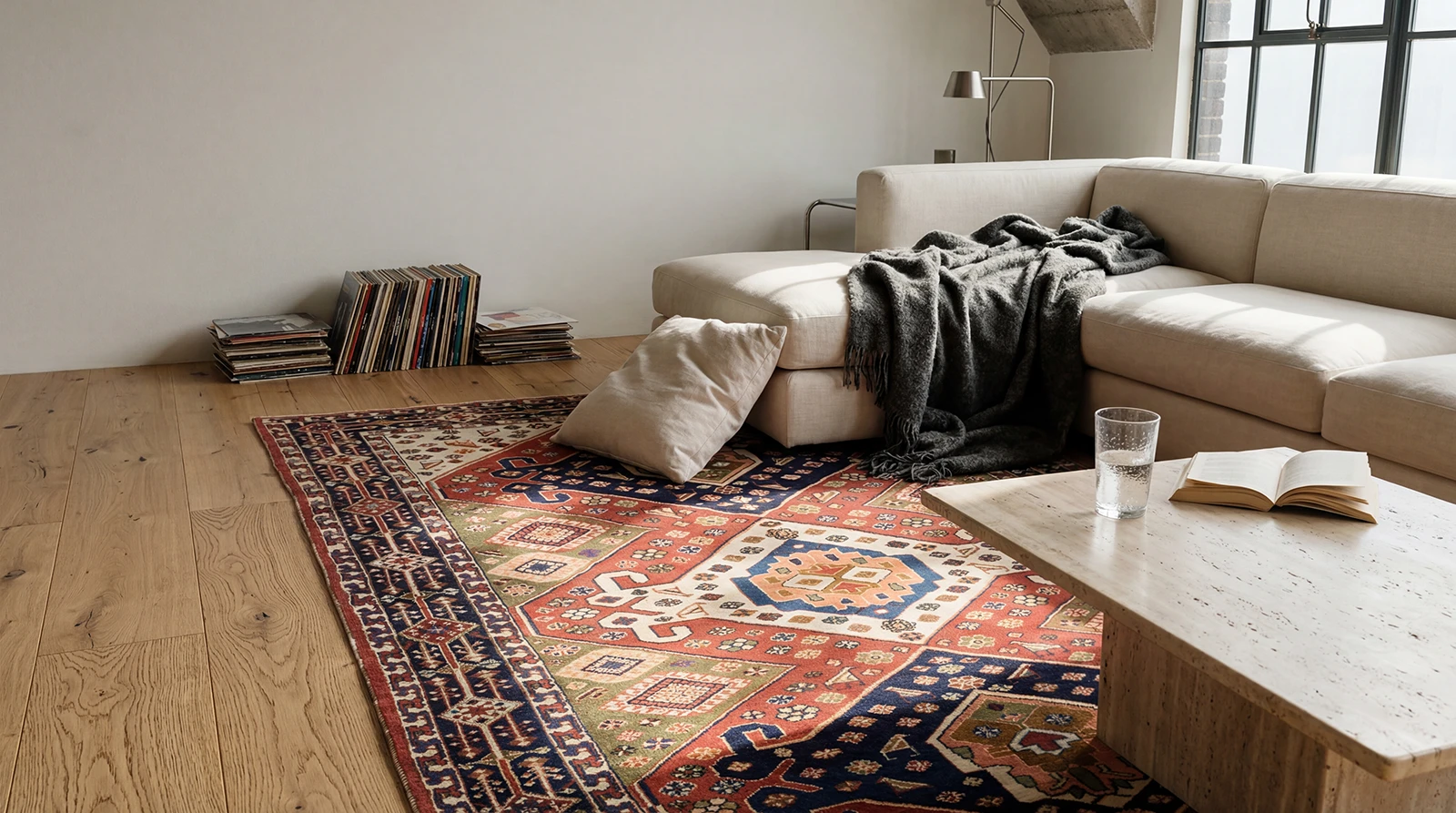
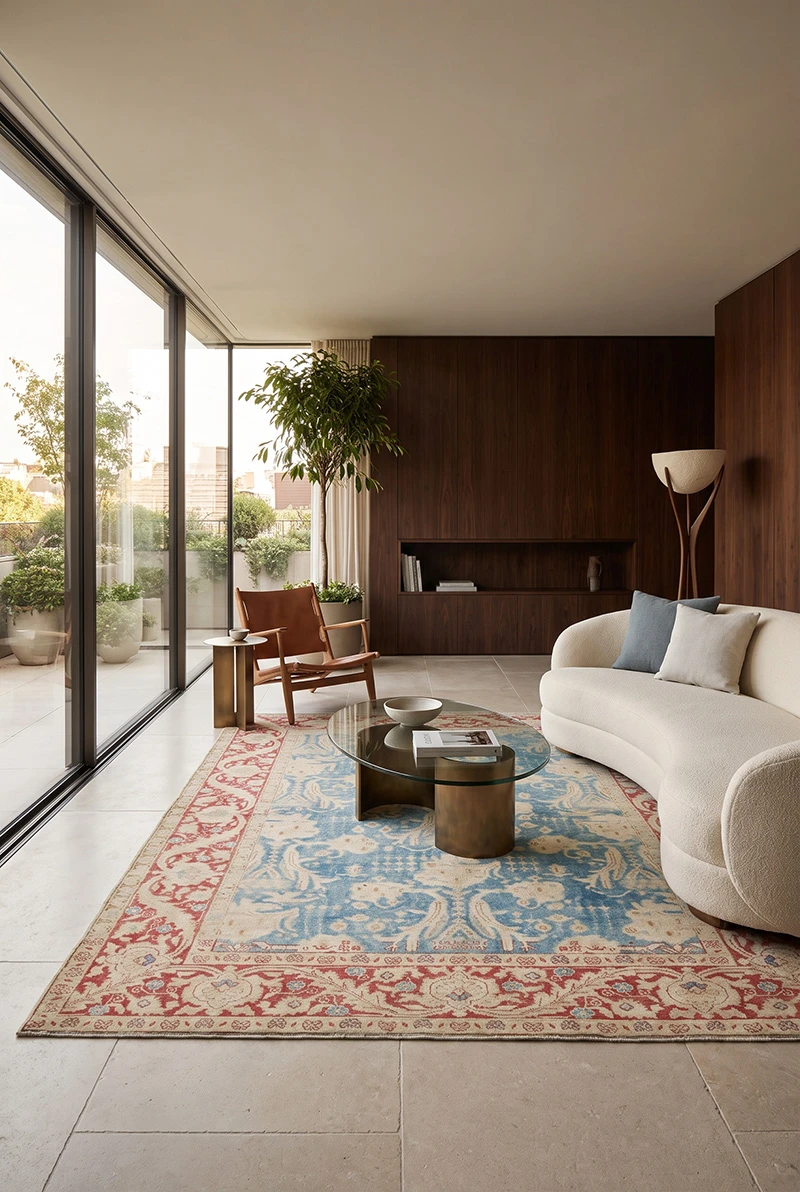
Today, Oriental rugs are highly valued for their natural colors. Warm reds, blues, and earthy tones can easily be integrated into various interior styles.
In modern living spaces, these rugs create a balance between tradition and contemporary design. Vintage rugs and classic Persian carpets are especially popular, as they add warmth, texture, and cultural depth.
Even Gabbeh rugs and nomadic carpets work well in modern interiors, as their simple patterns and natural colors complement minimalist design concepts.
Natural dyes and traditional dyeing techniques are essential elements of Oriental rug craftsmanship. Plant-based dyes, mineral pigments, and centuries-old methods give hand-knotted rugs their distinctive depth and color richness.
These natural tones make each rug a unique work of art. Whether it is a classic Persian rug, a durable Bidjar carpet, or a colorful Gabbeh rug, every piece reflects its origin and traditional production.

Bijar
Isfahan
Kashan
Patchwork
Heriz
Ghashghai
Vintage
Persian Gabbeh
Gabbeh Loribaft
Tabriz
Kilim Dastan
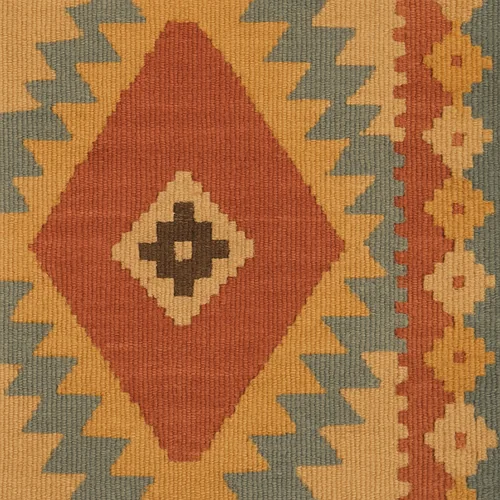
Kilim Sofre
Related Posts
Rugbloom Journal: Knowledge & Inspiration About Hand-Knotted Oriental Rugs
The Rugbloom Journal is a curated knowledge platform dedicated to hand-knotted Oriental rugs. Discover articles about their history, origins, materials, knotting techniques, care, and their role in contemporary living.
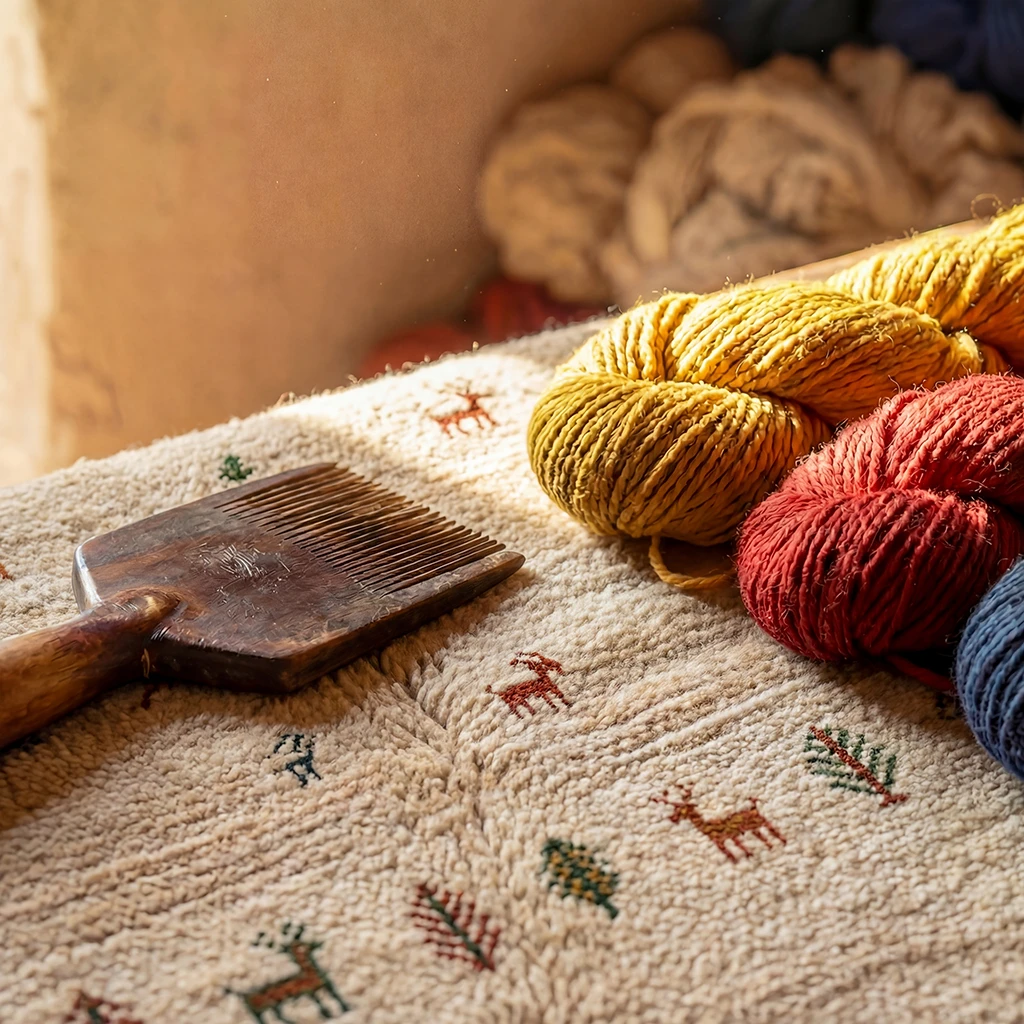
The History and Origins of Hand-Knotted Oriental Rugs
How Are Authentic Oriental Rugs Made?
Regions, Patterns, and Symbolism of Oriental Rugs
Explore the regions, patterns, and symbolism behind hand-knotted Oriental rugs. Discover how floral designs, geometric motifs, and central medallions reflect centuries of craftsmanship and cultural tradition. Learn how different regions such as Isfahan, Heriz, and Kashan shaped distinctive rug styles that continue to influence Persian rug design today.