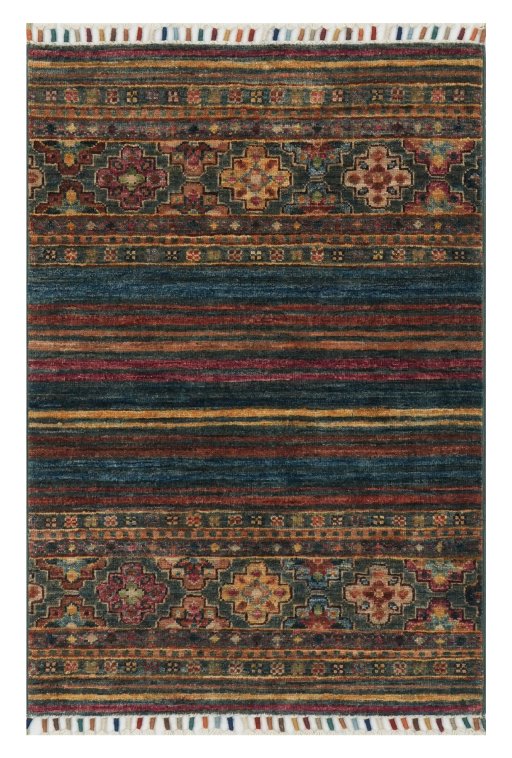
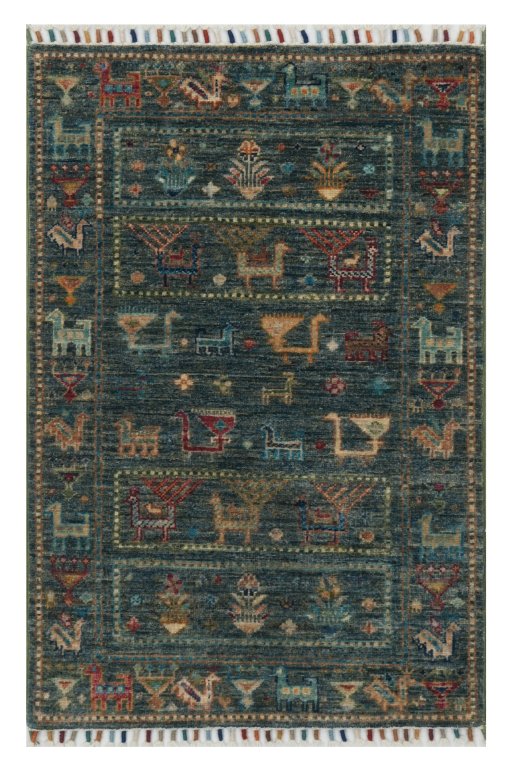
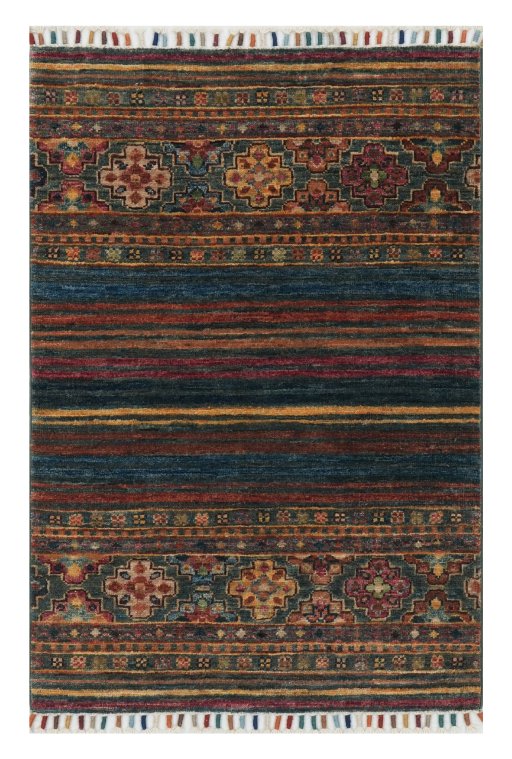
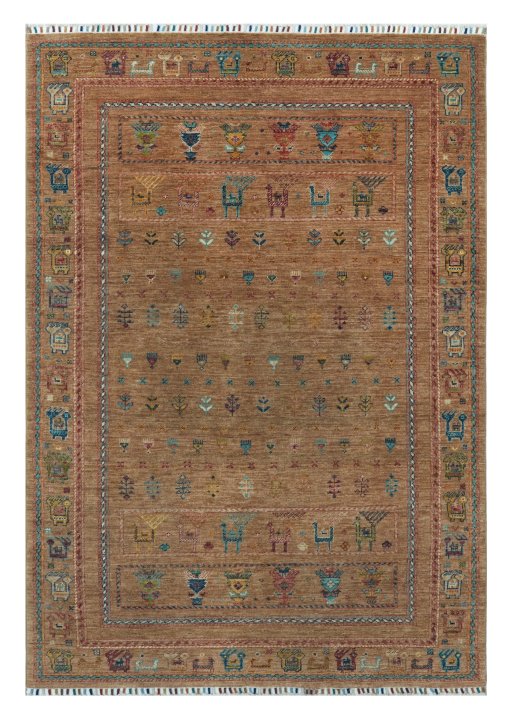
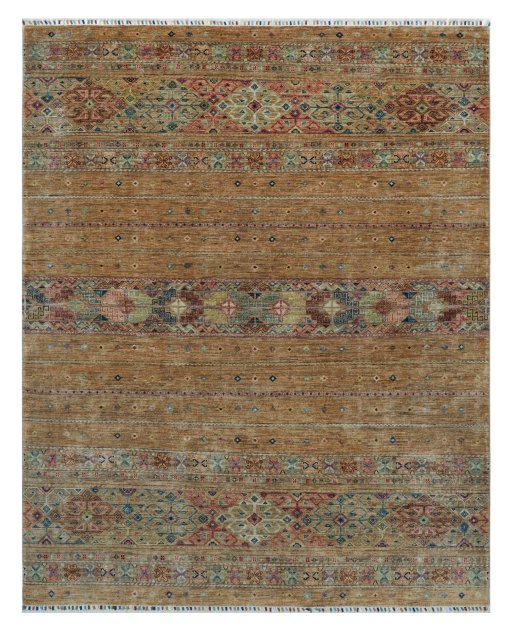
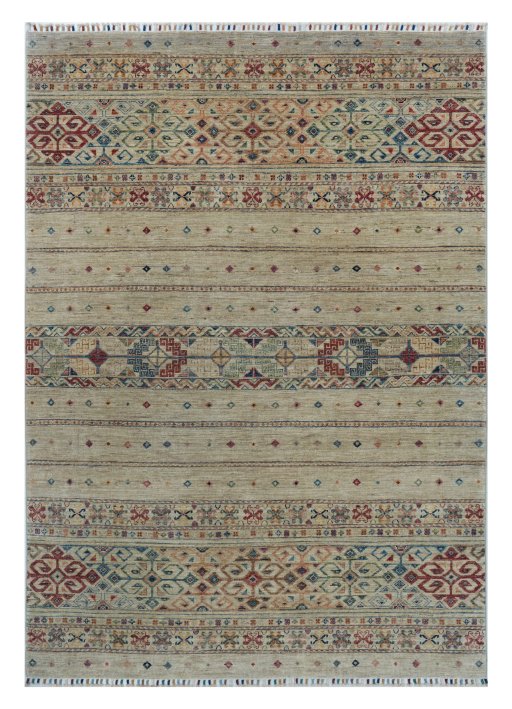
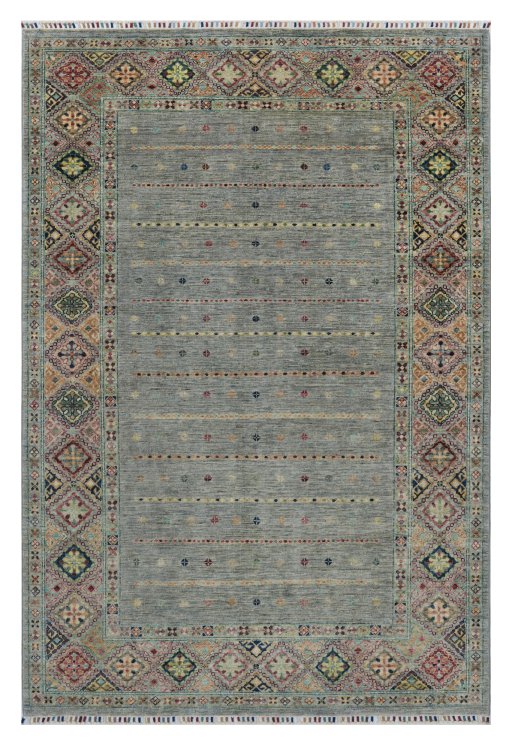
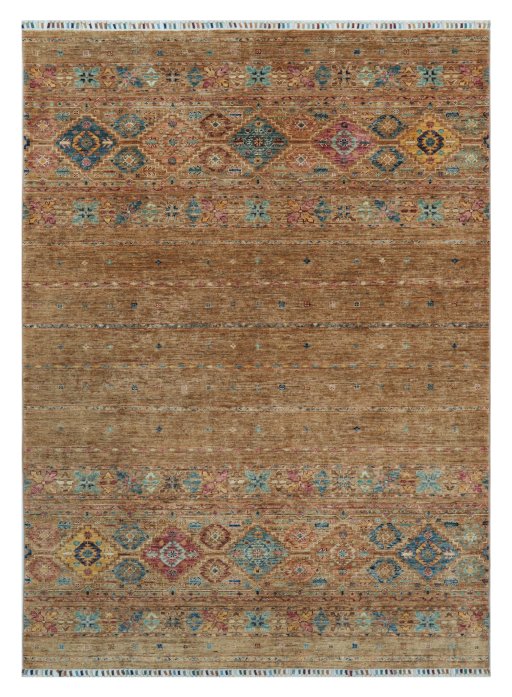
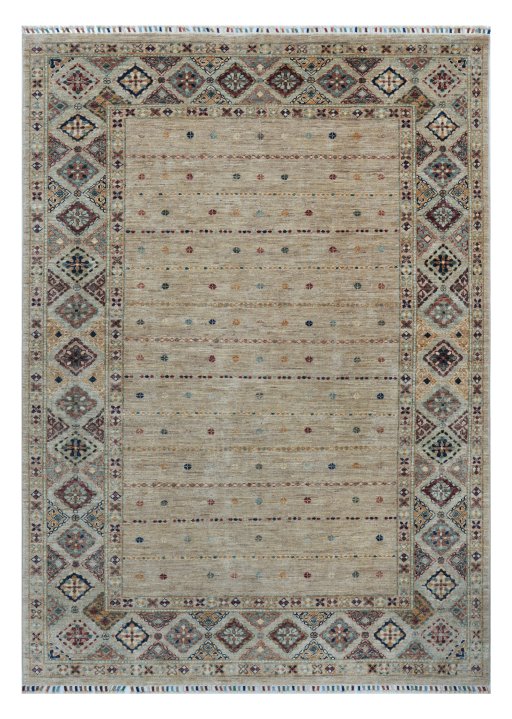
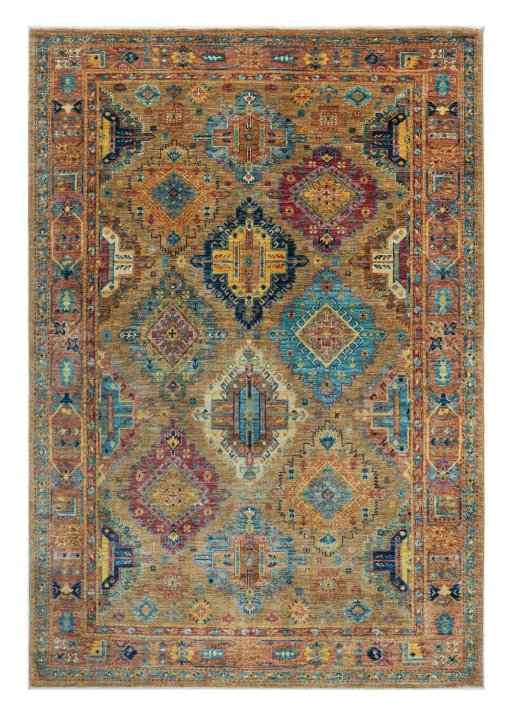
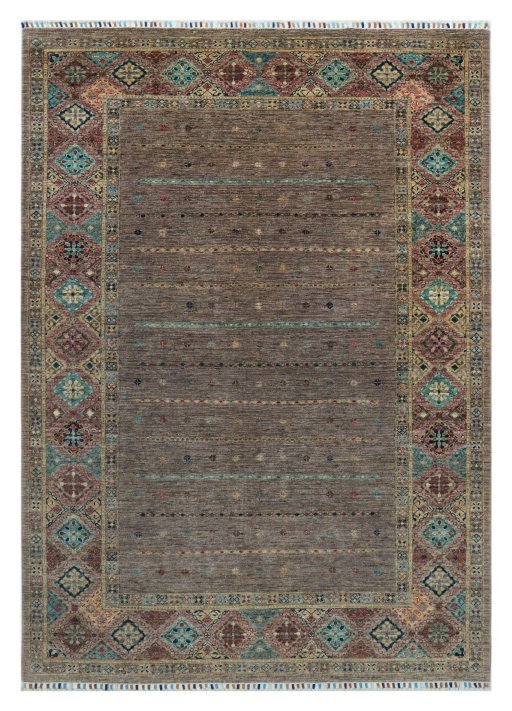
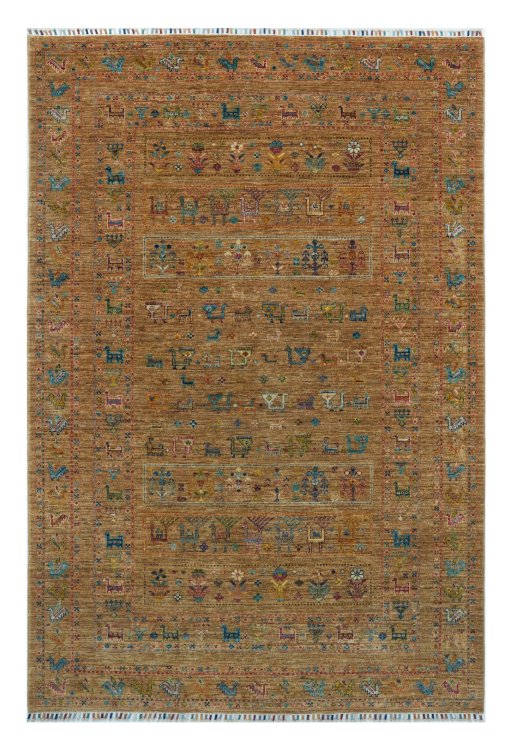
01
Where Afghan and Pakistani Rugs Come From
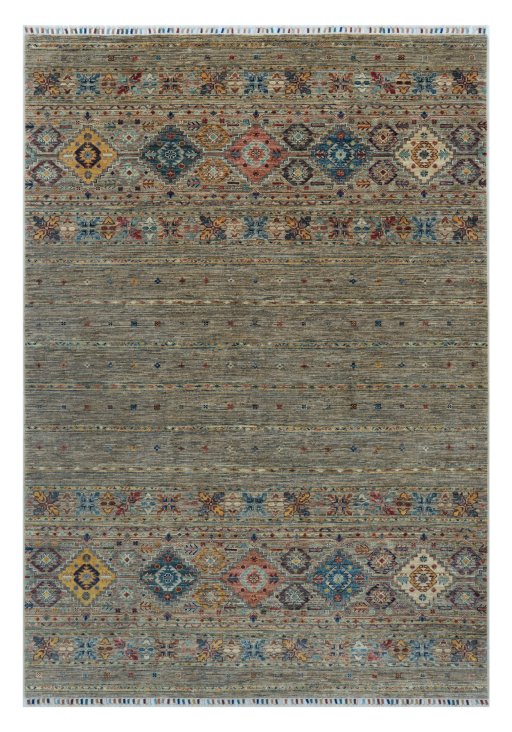
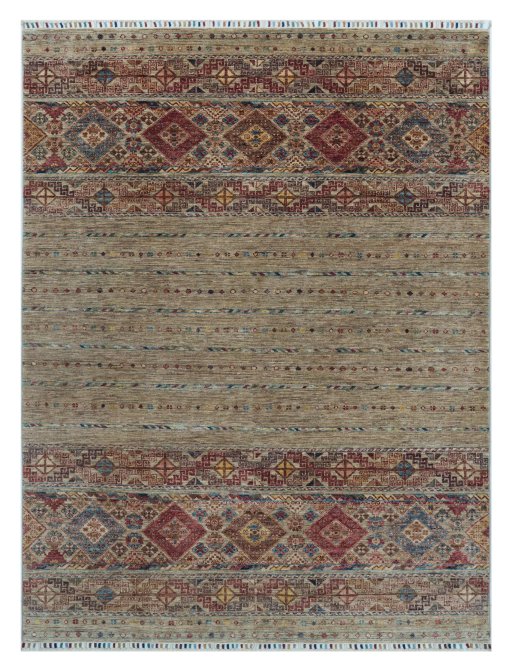
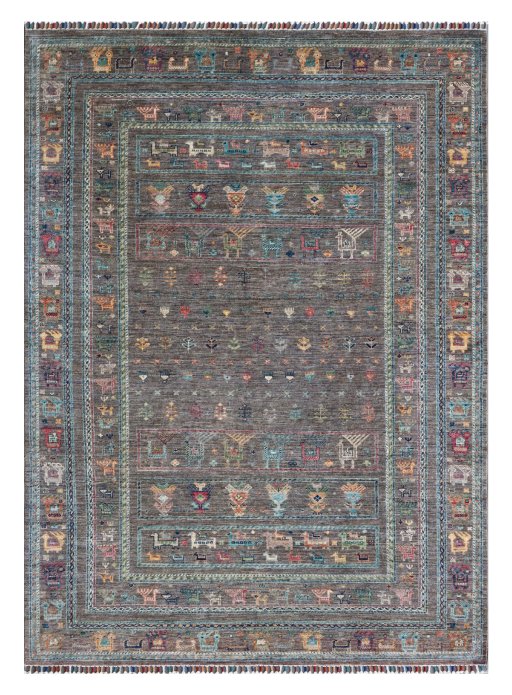
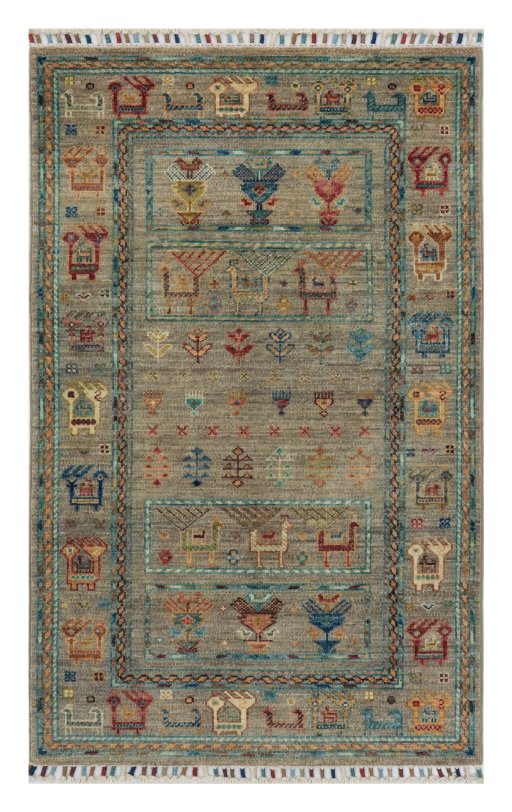
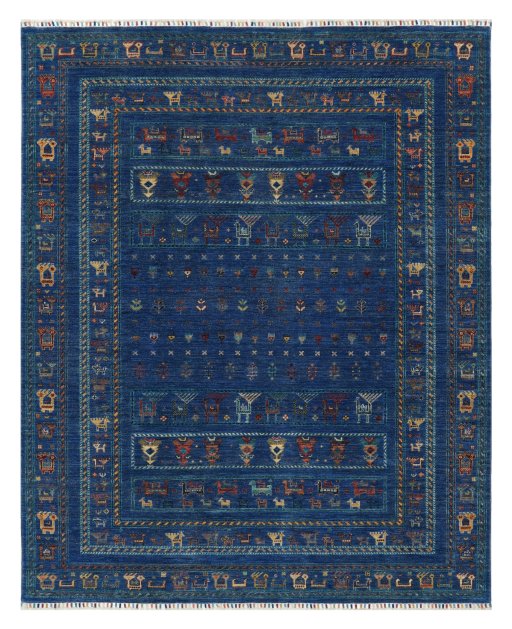
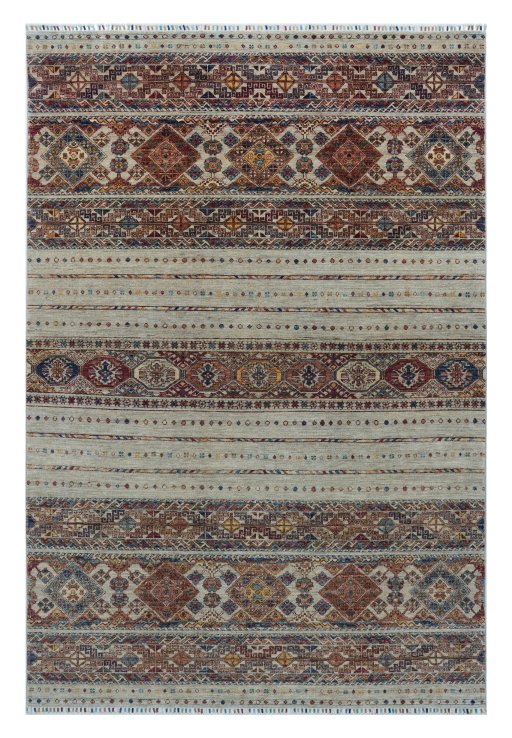
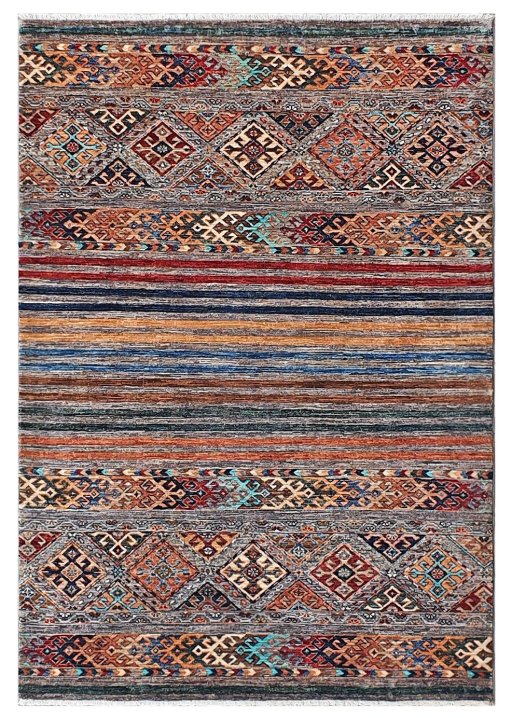
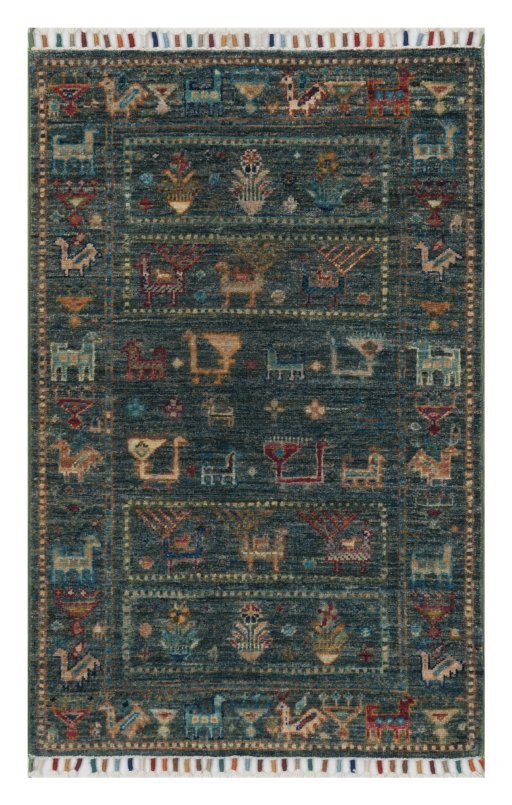
Afghan rug weaving has its roots in the Turkmen, Uzbek and Baluch communities of northern Afghanistan, around towns such as Andkhoy, Aqcha and Mazar-i-Sharif. Rugs were originally woven for daily life – as floor coverings, door hangings and storage bags in tents and village homes.
Pakistan built up its own rug industry from the mid-20th century, centred on Lahore. Many workshops there and in Peshawar were shaped by Afghan weavers who settled in Pakistan from the late 1970s onwards. That is why the two traditions are so closely linked today: a design may be drawn in Afghanistan and knotted in Pakistan, or the other way round.
02
Patterns and Colours: Guls, Medallions and Madder Red
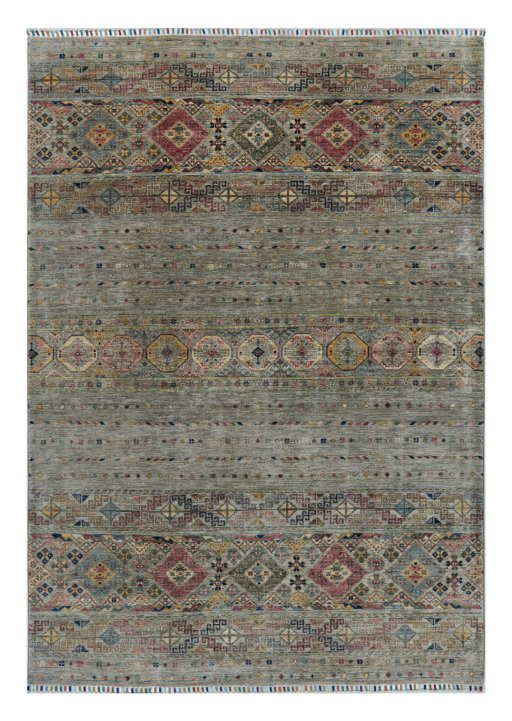
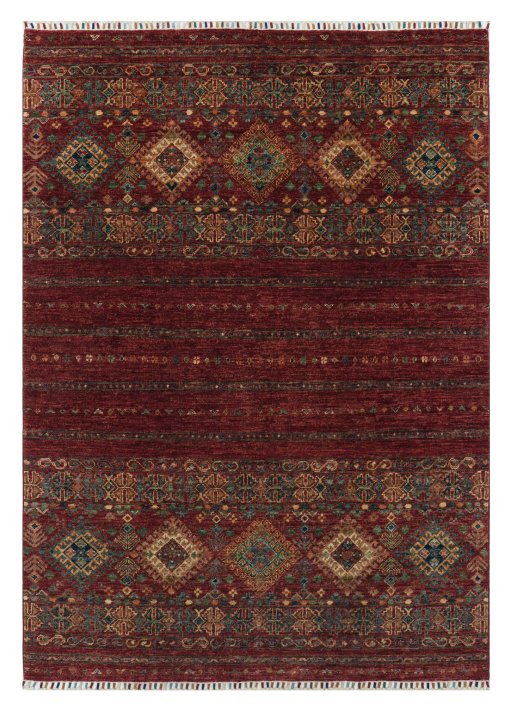
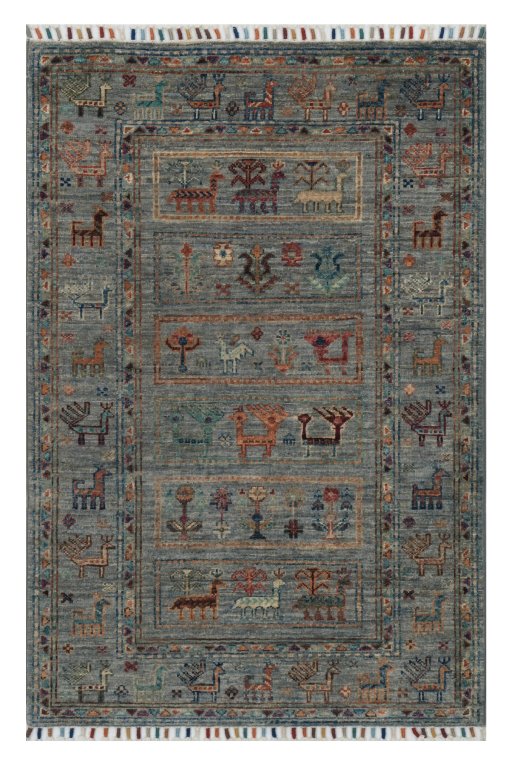
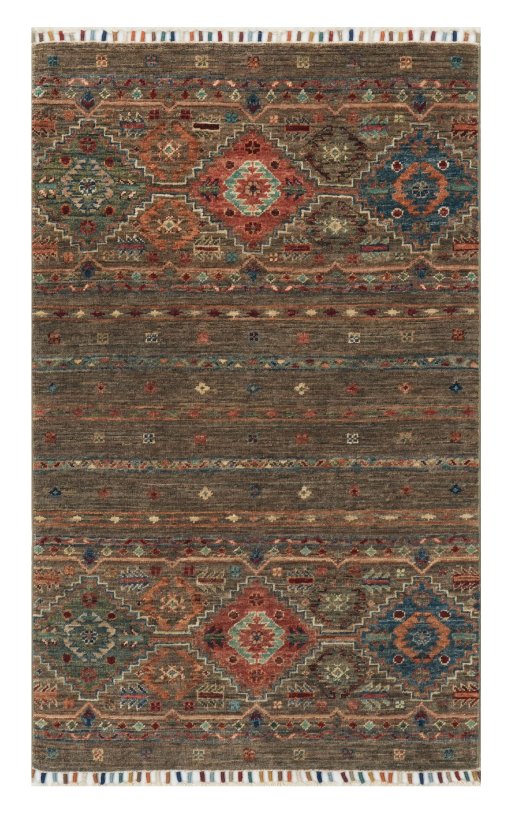
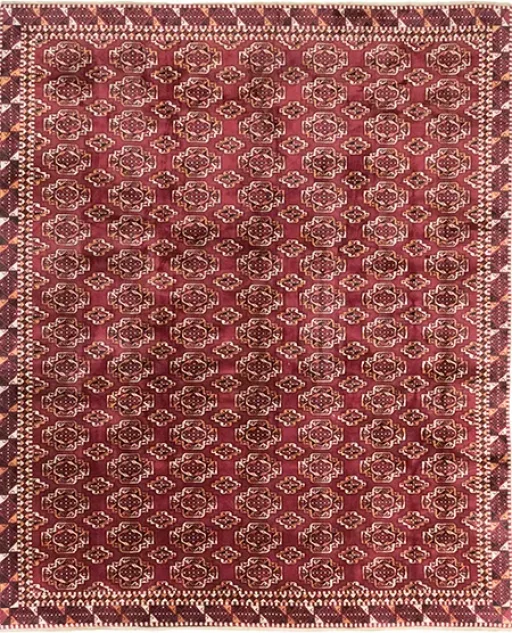
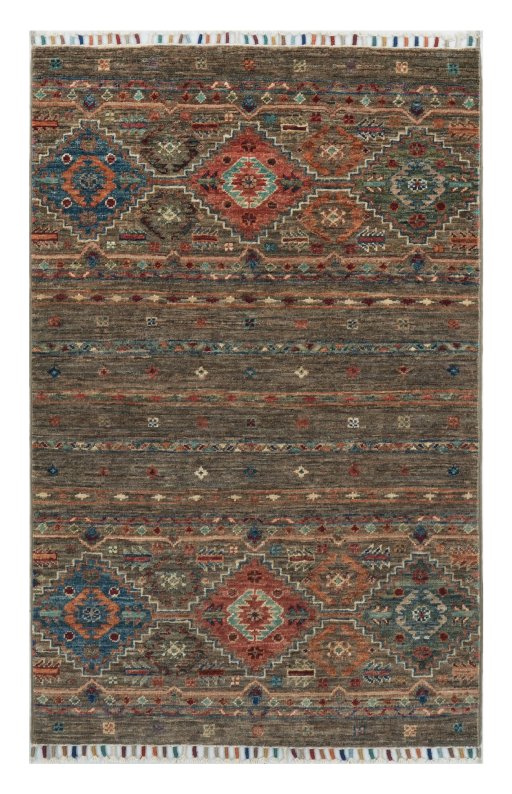
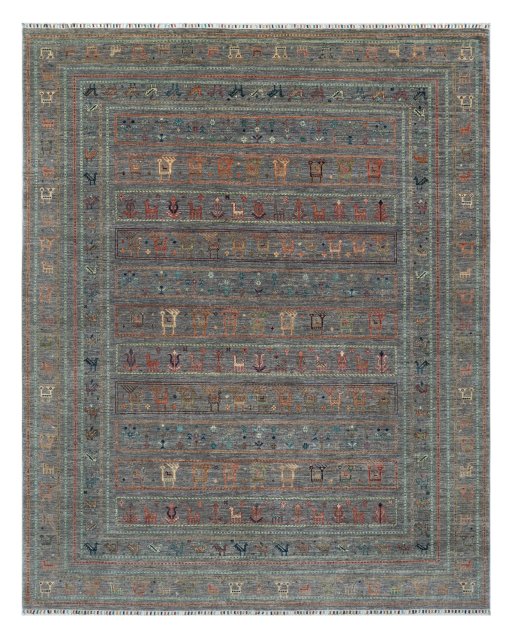
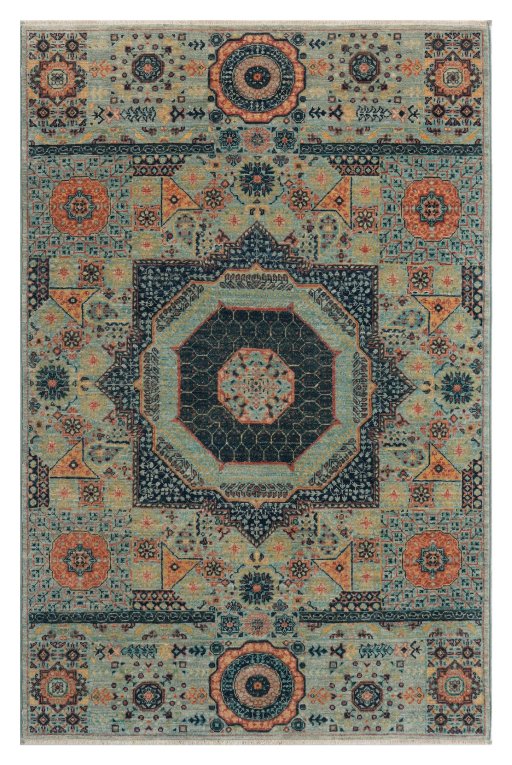
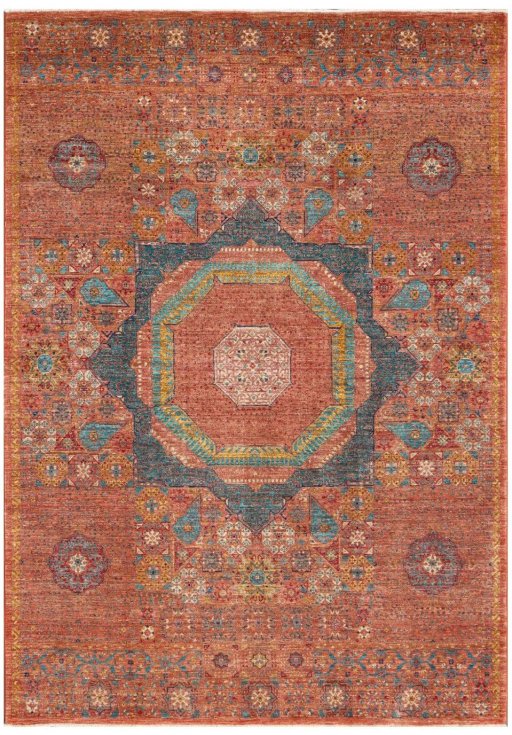
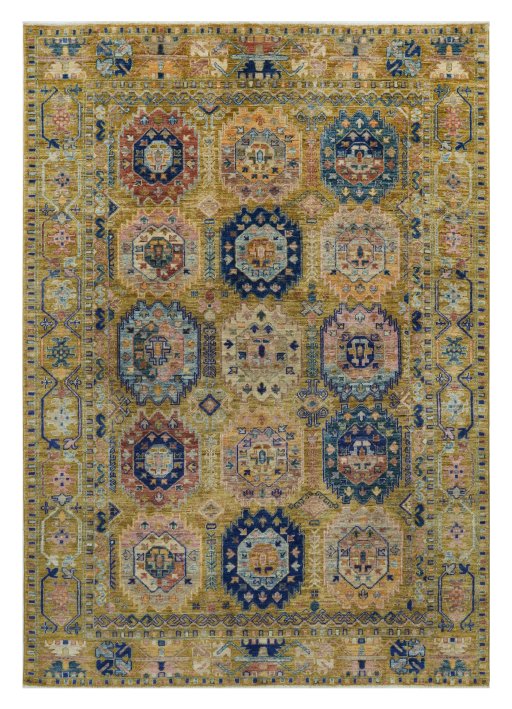
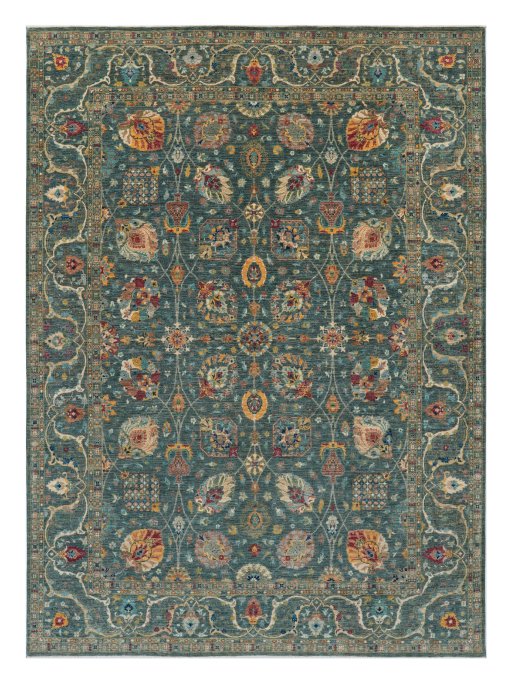
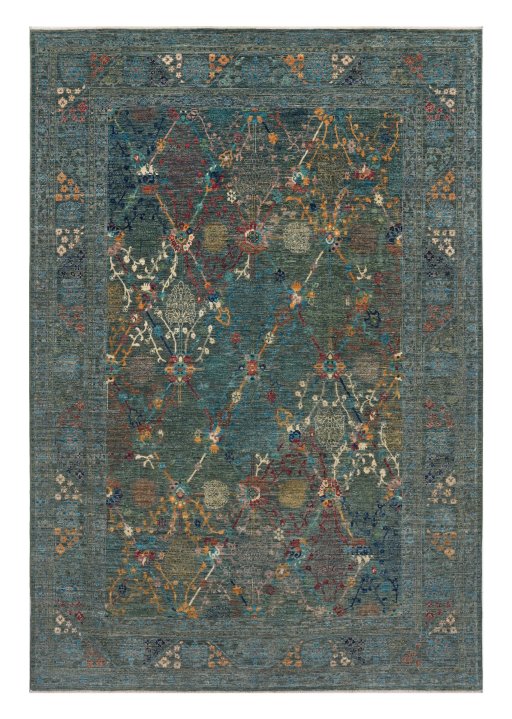
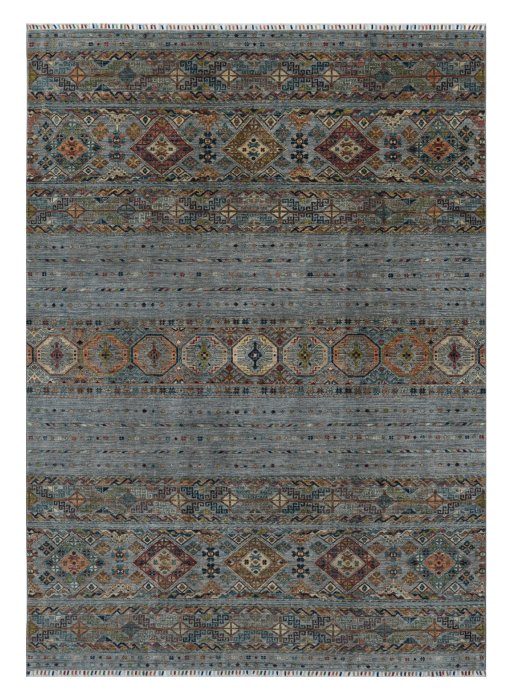
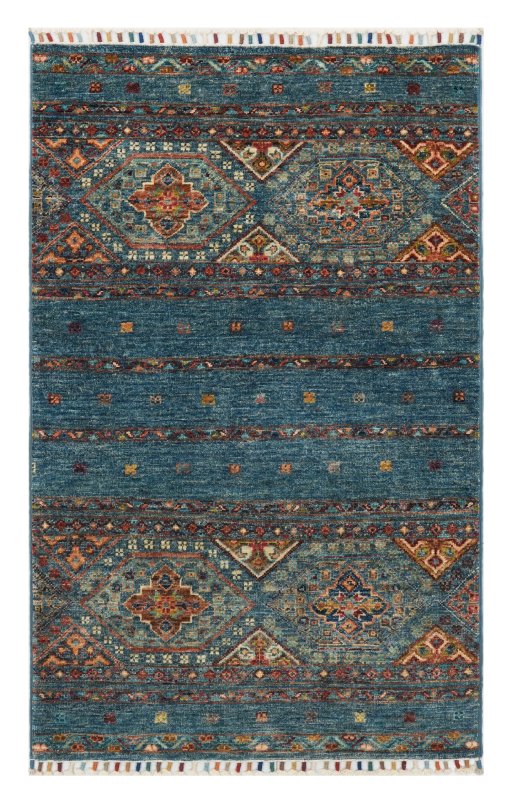
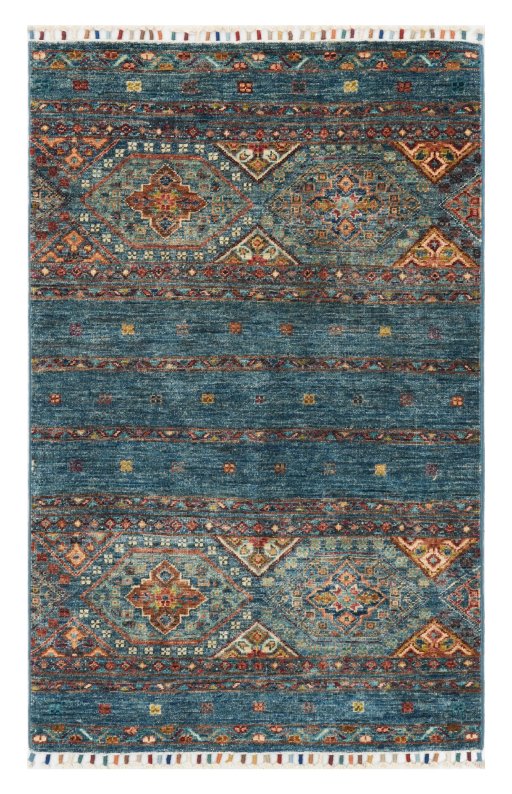
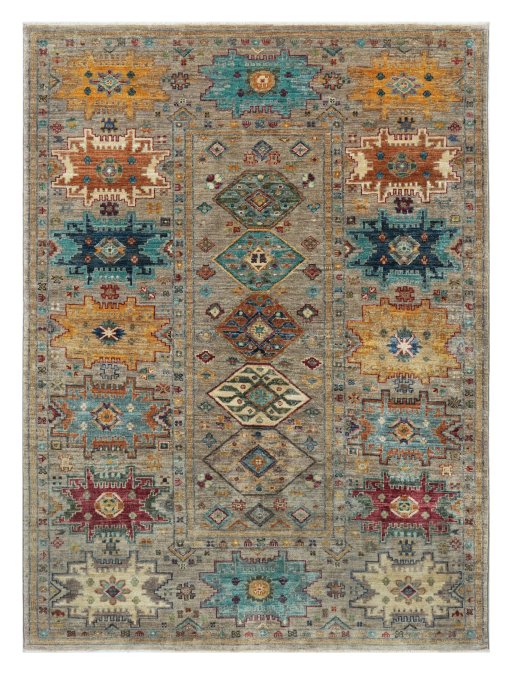
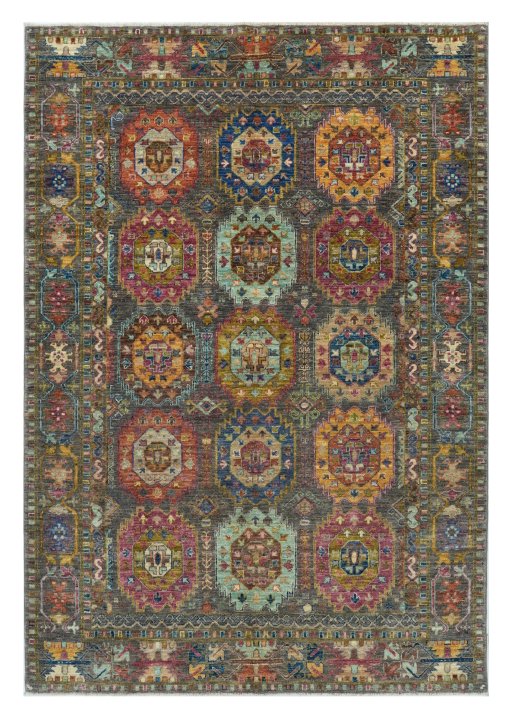
The best-known motif is the gul: an octagonal medallion repeated in rows across the field. It originally served as the emblem of individual Turkmen tribes. Gul patterns, often sold under the trade name Bokhara, appear on many Afghan and Pakistani rugs. Alongside them, workshops reinterpret historic designs such as Persian garden panels and Egyptian Mamluk medallions.
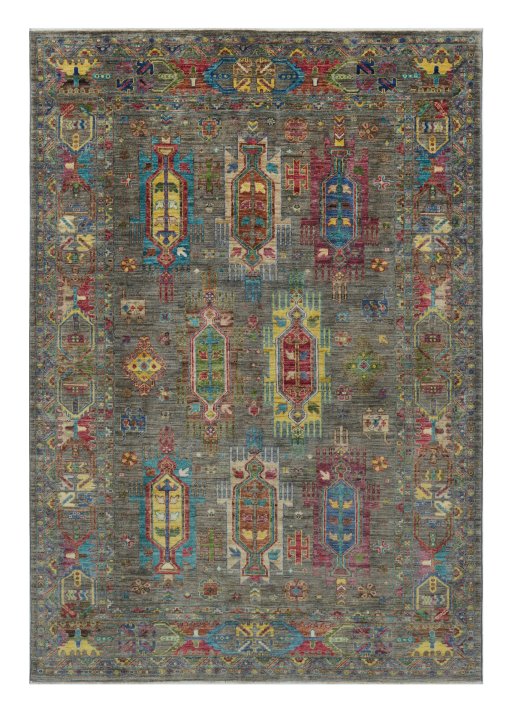
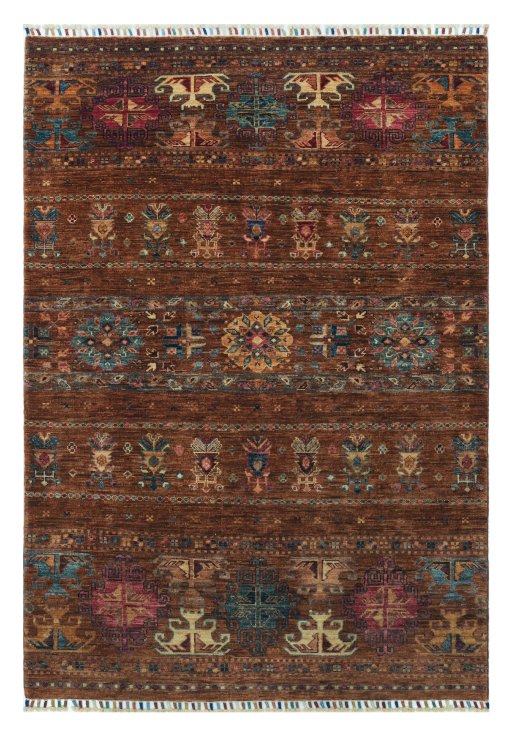
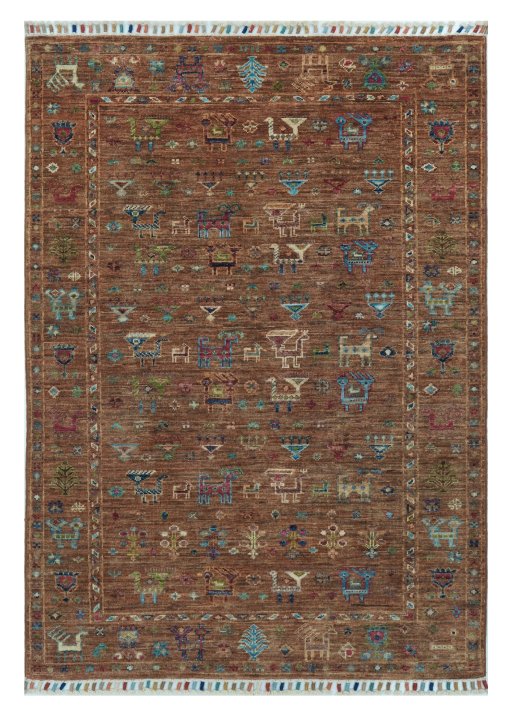
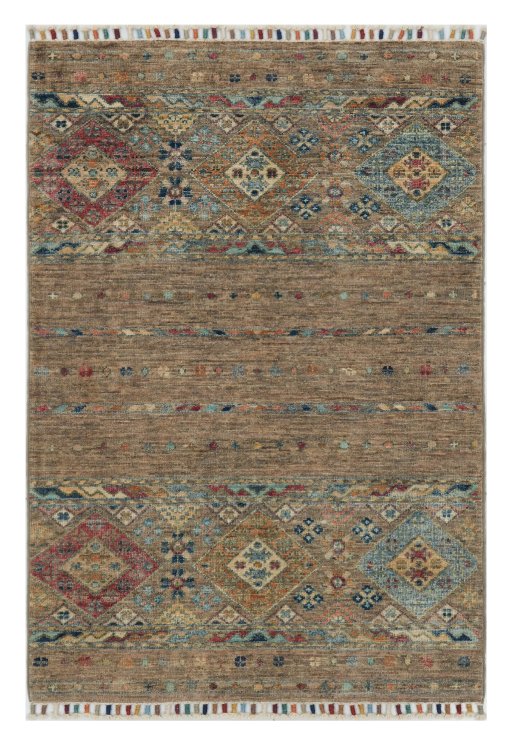
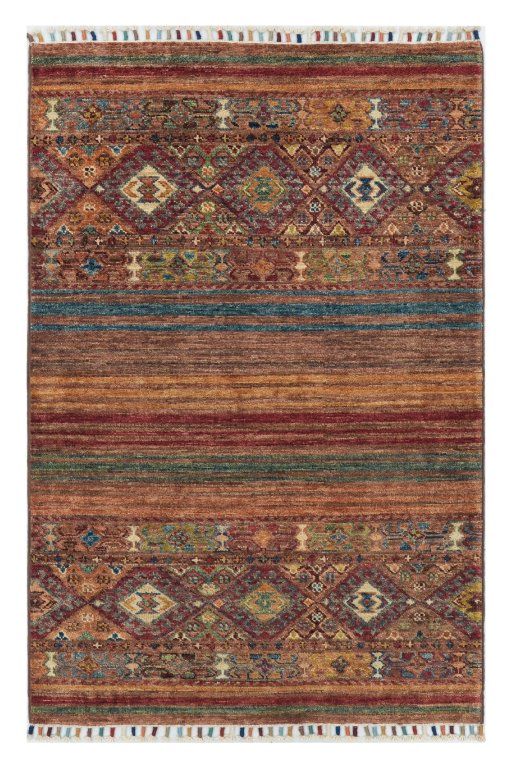
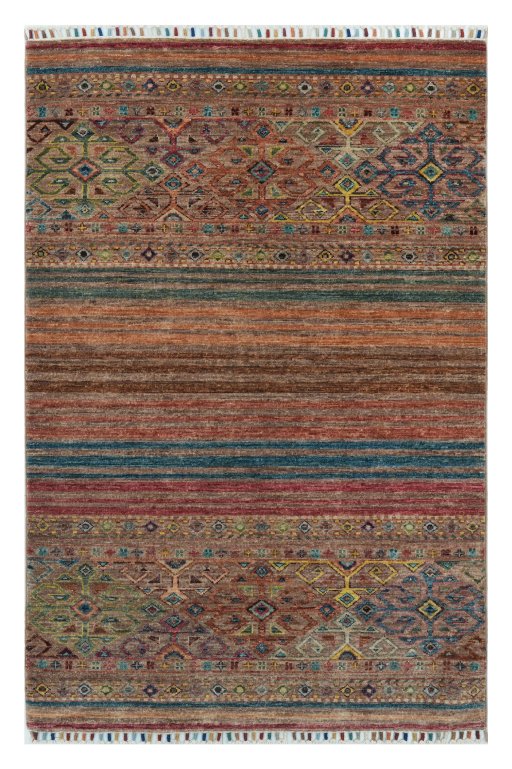
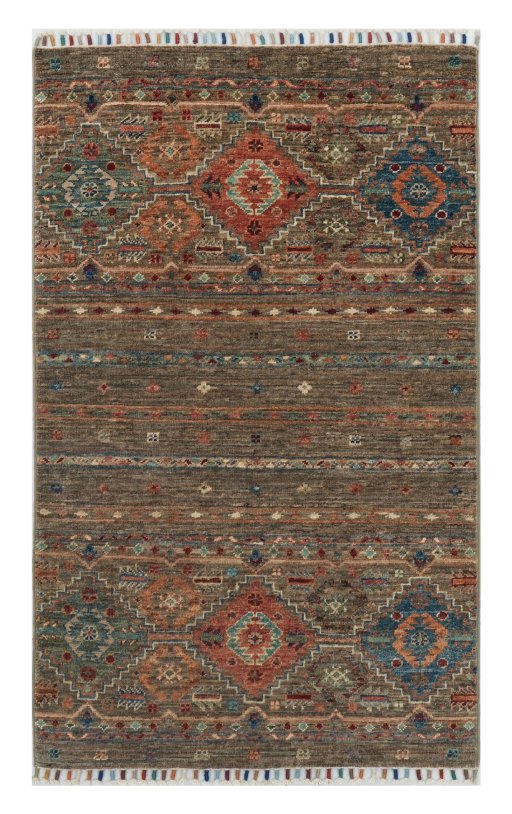
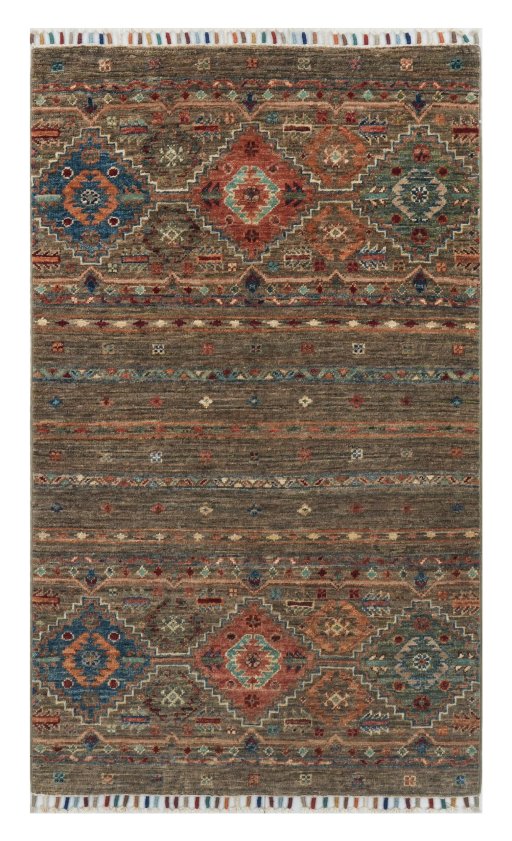
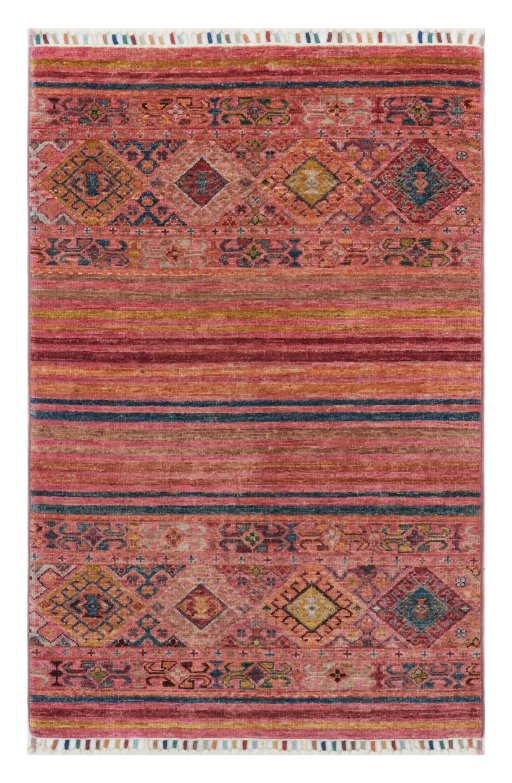
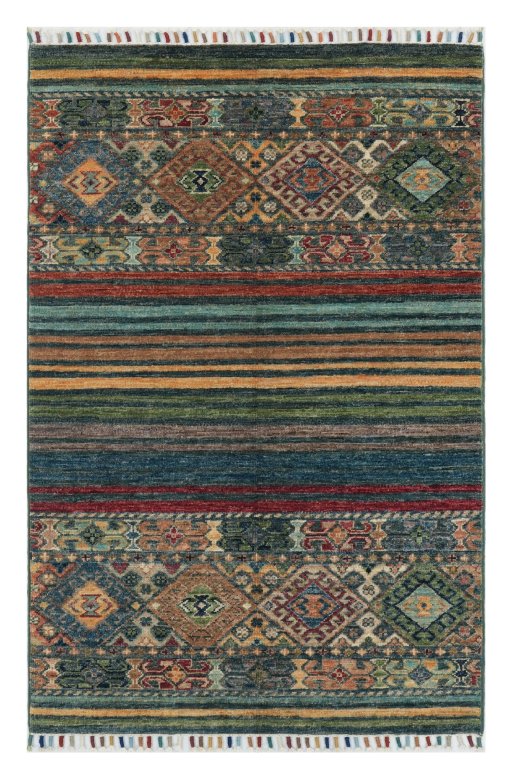
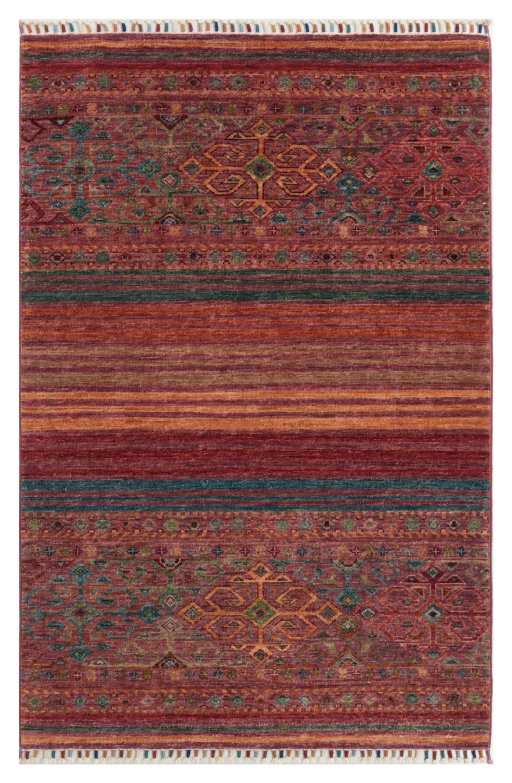
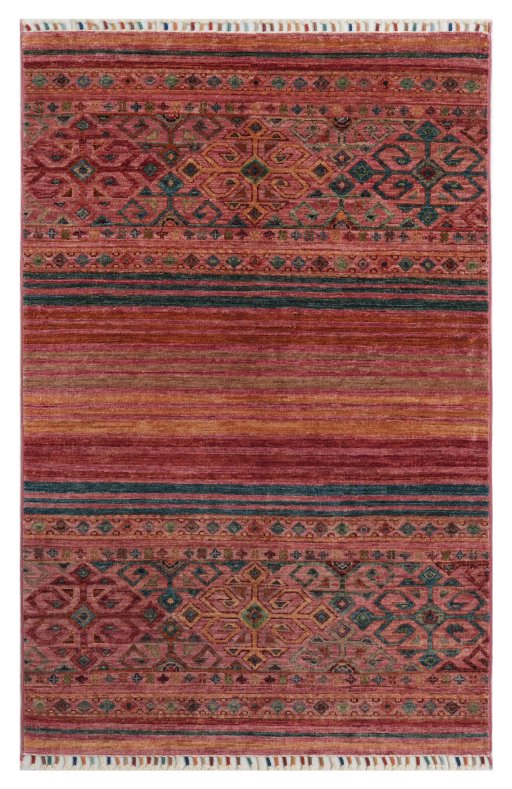
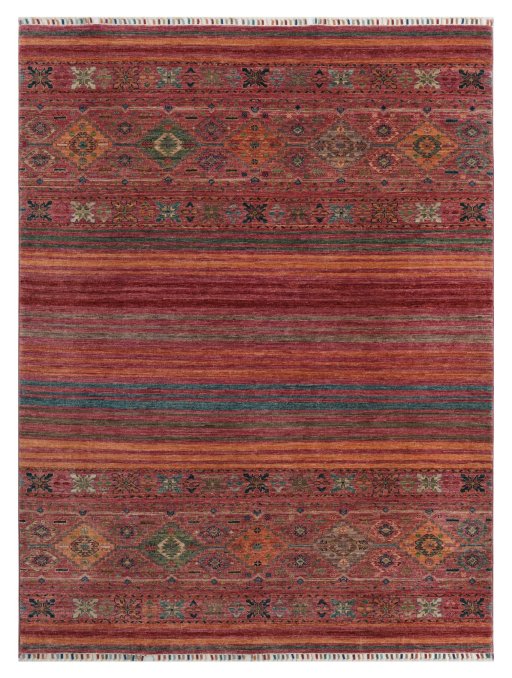
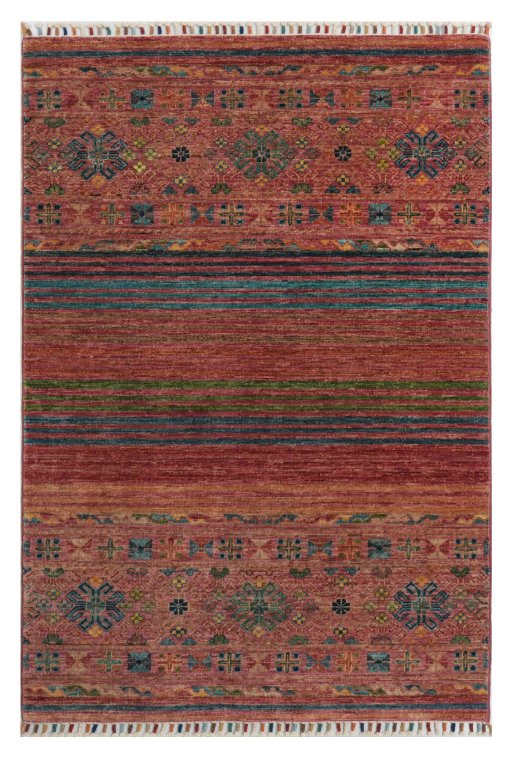
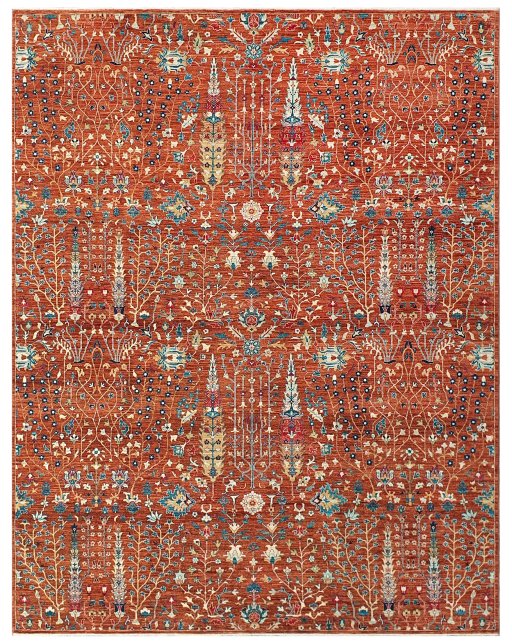
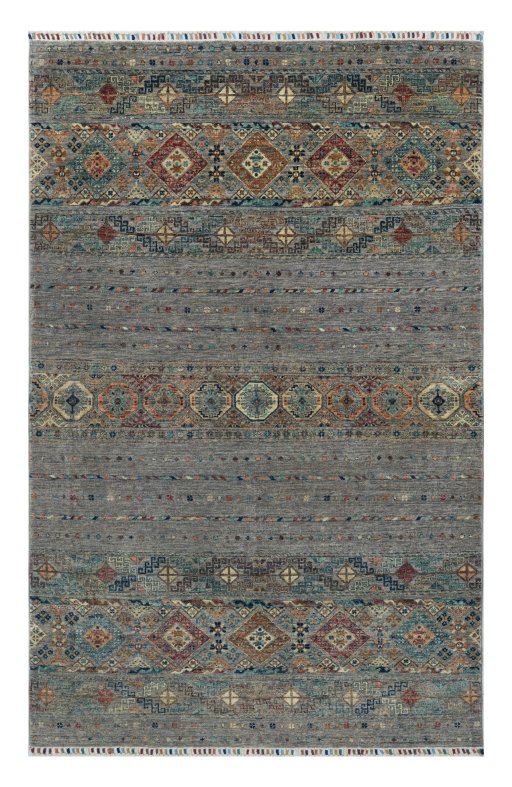
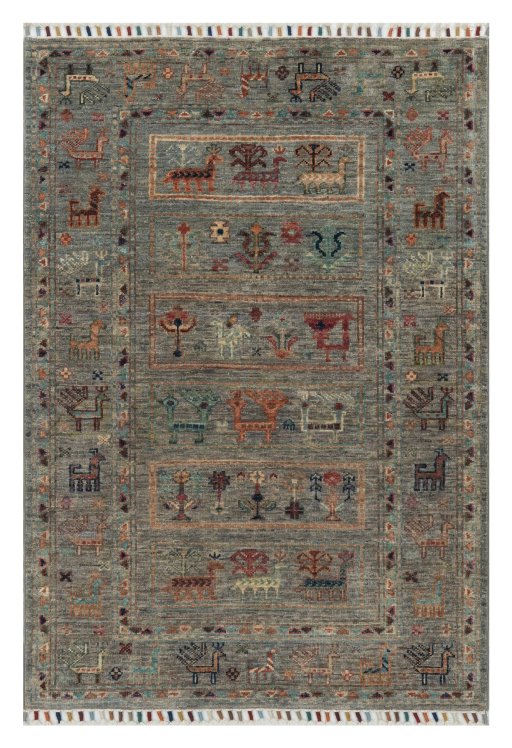
The palette usually starts with madder red, from bright brick to deep burgundy, combined with indigo, ivory and walnut brown. Many contemporary pieces are coloured with natural dyes and gently washed after knotting, which gives them a softer, slightly faded look.
03
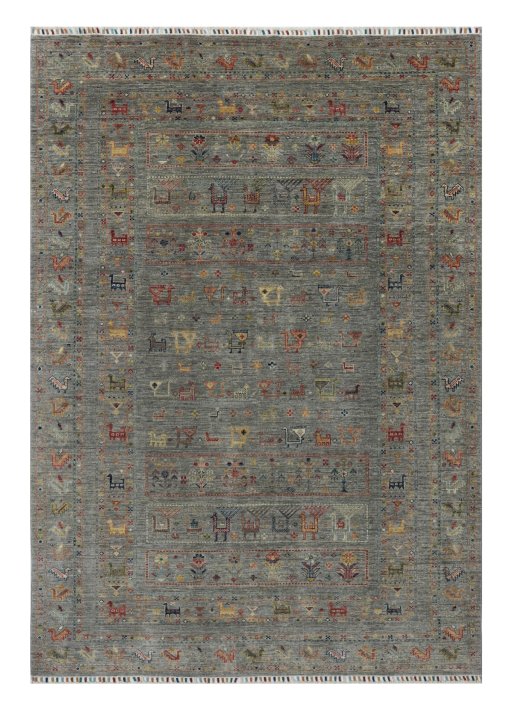
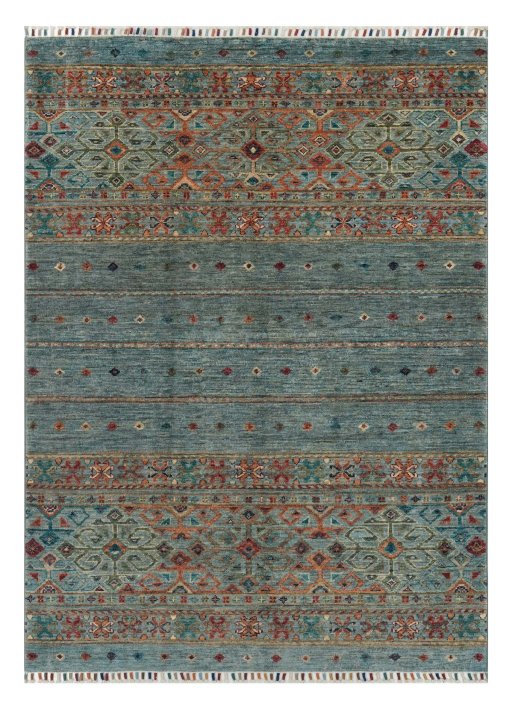
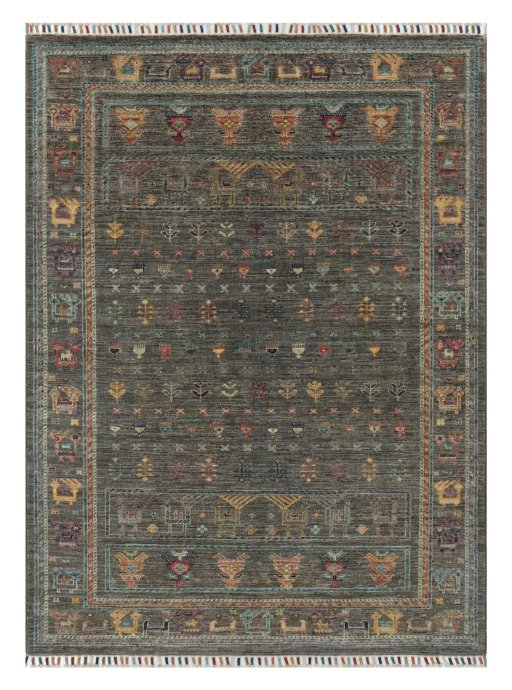
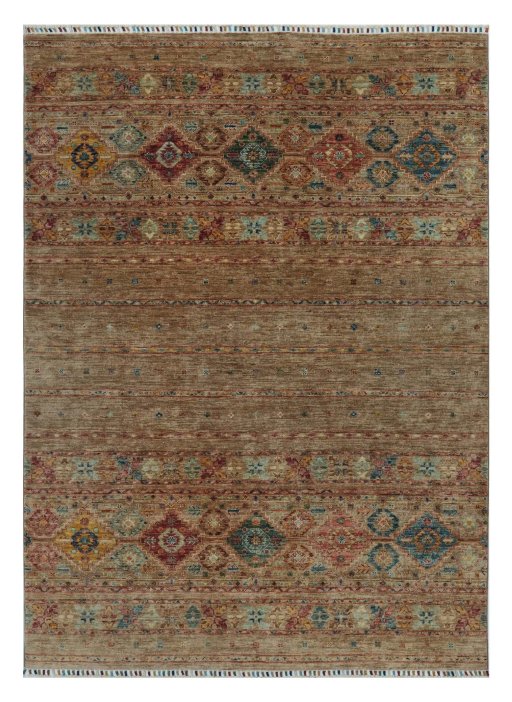
The Styles in Our Afghan and Pakistani Rug Collection
Each style has its own subcategory, so you can compare pieces side by side.
Ariana
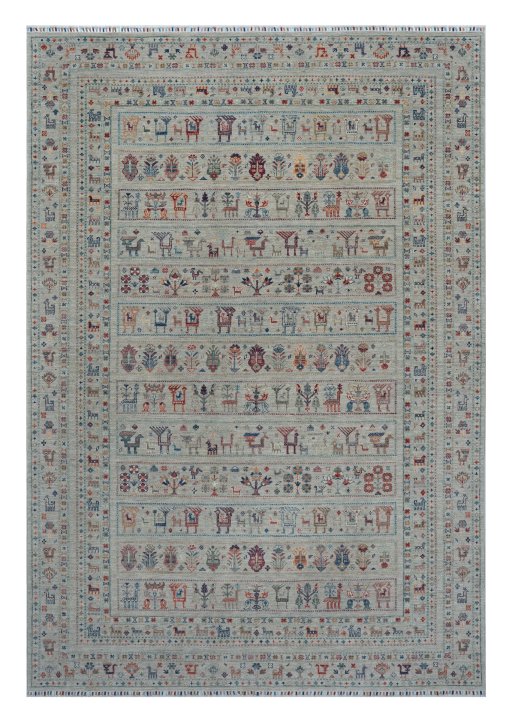
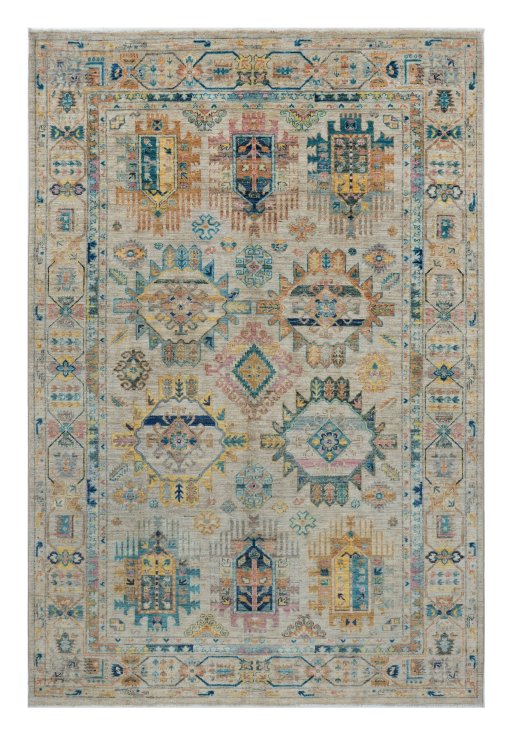
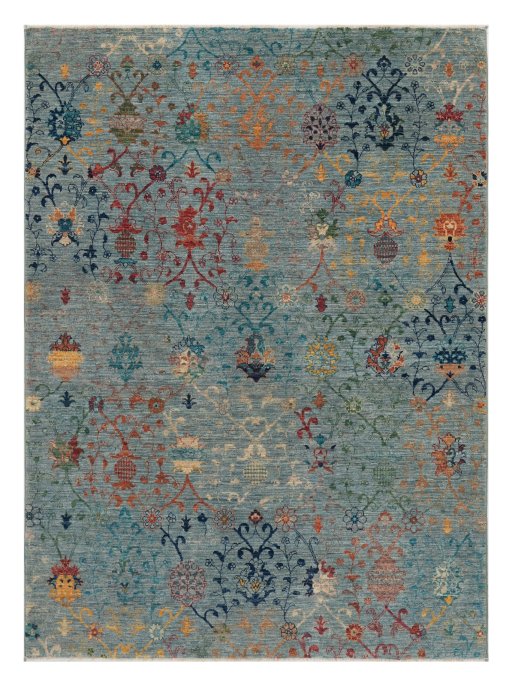
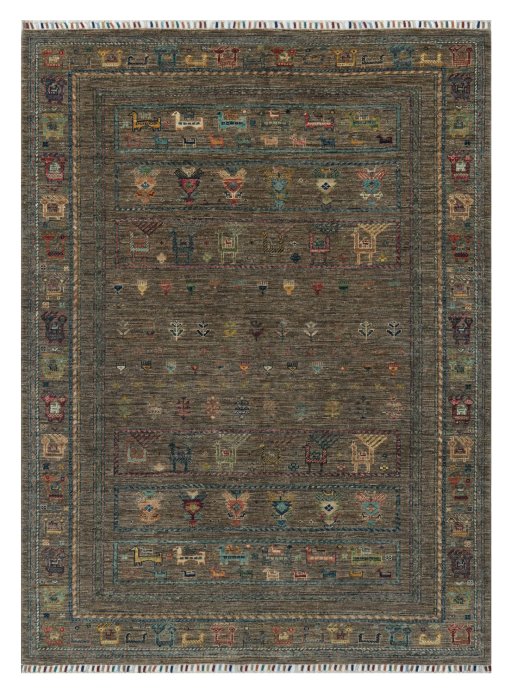
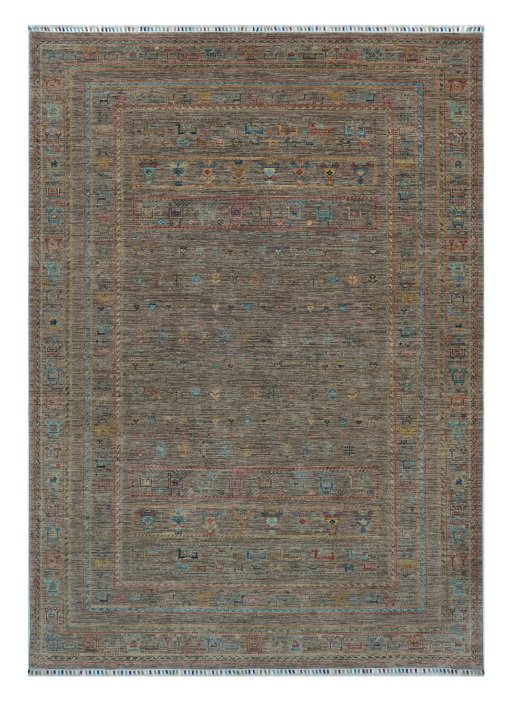
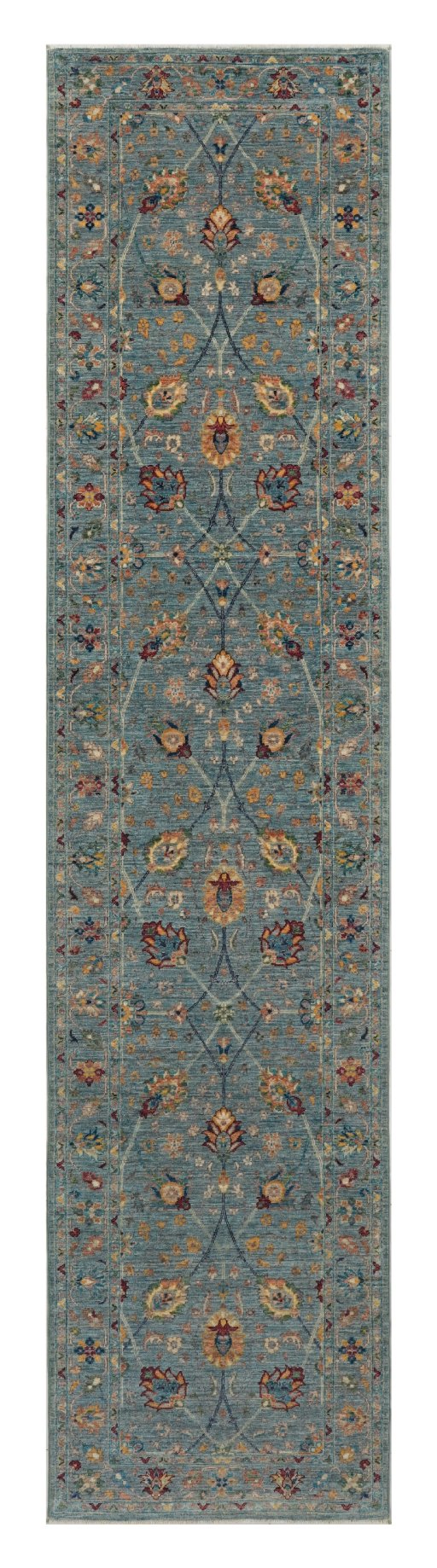
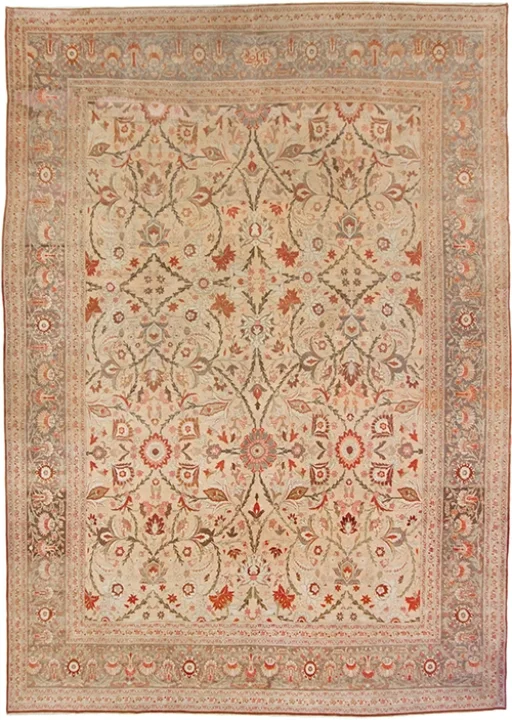
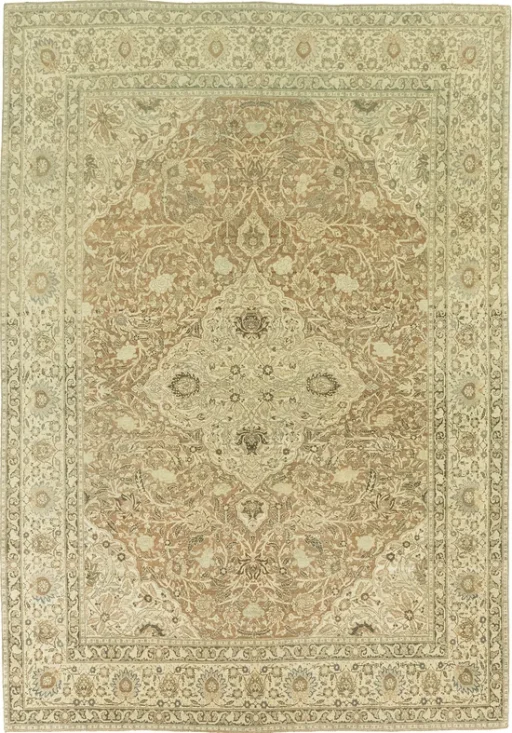
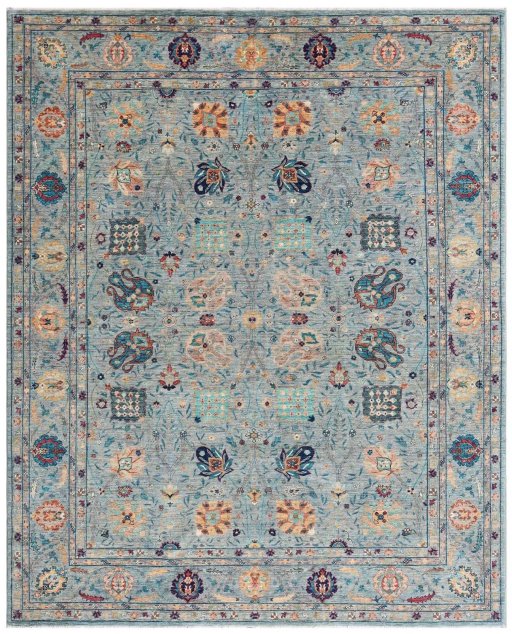
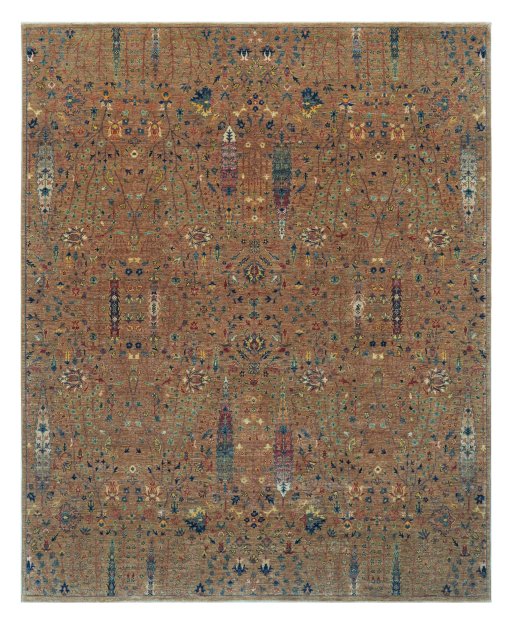
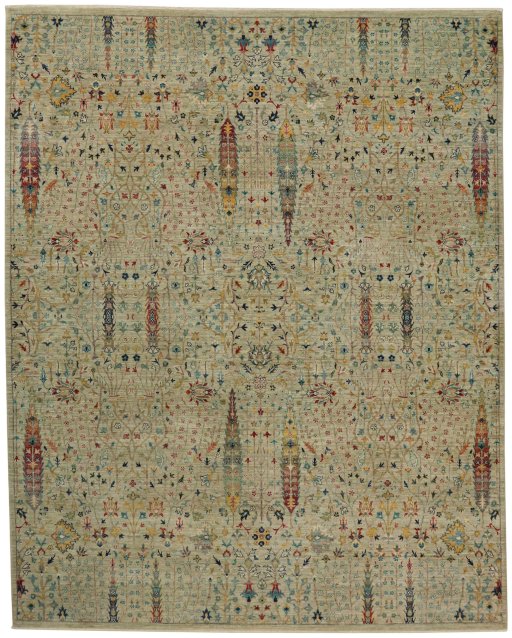
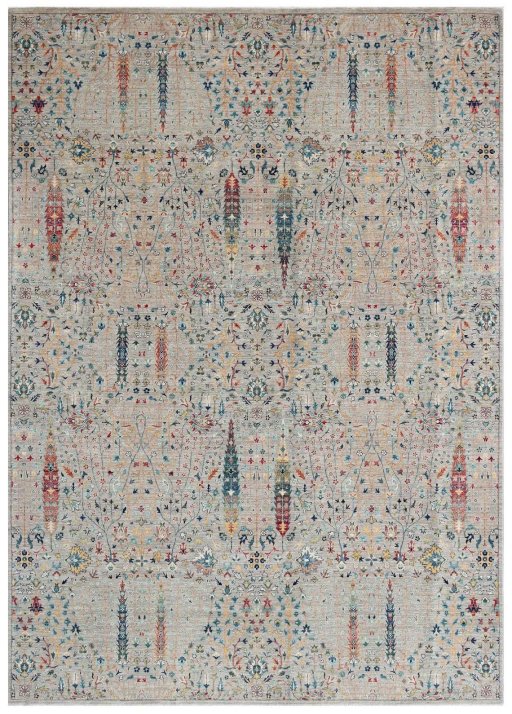
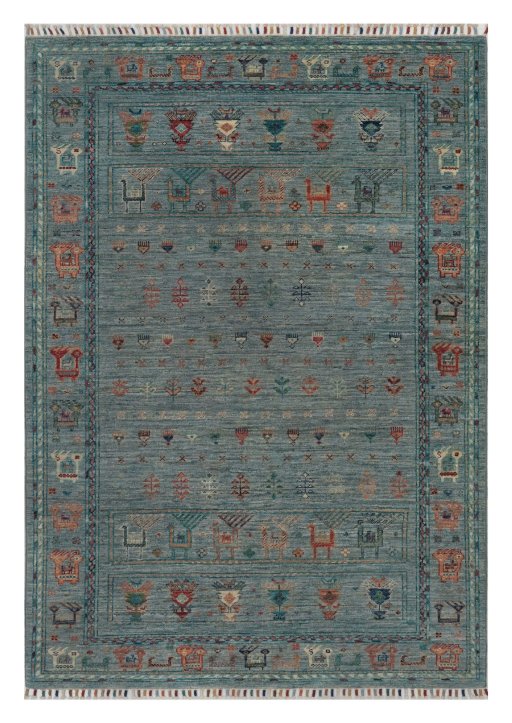
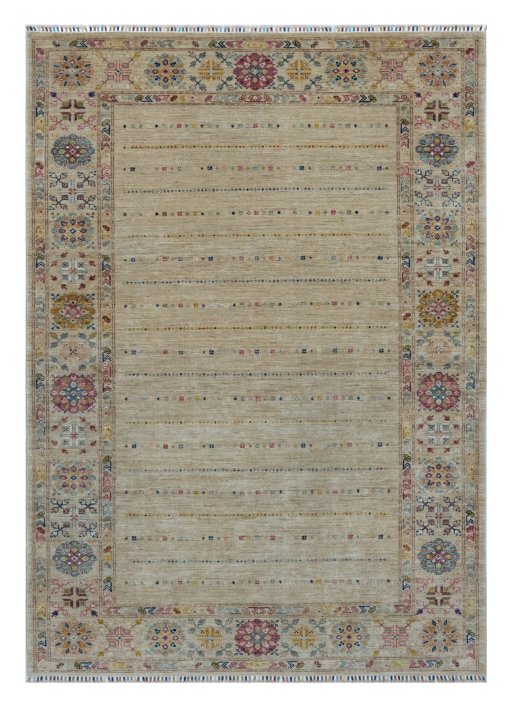
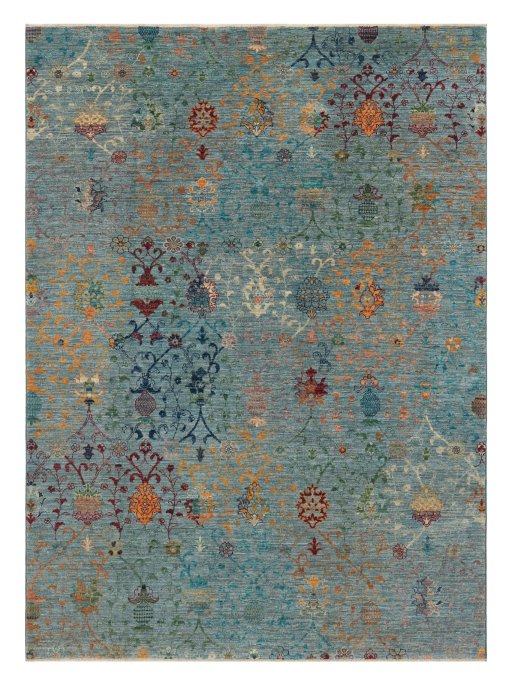
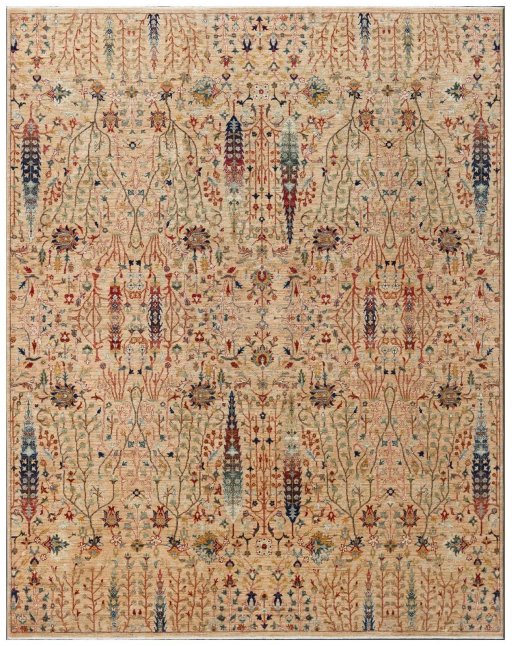
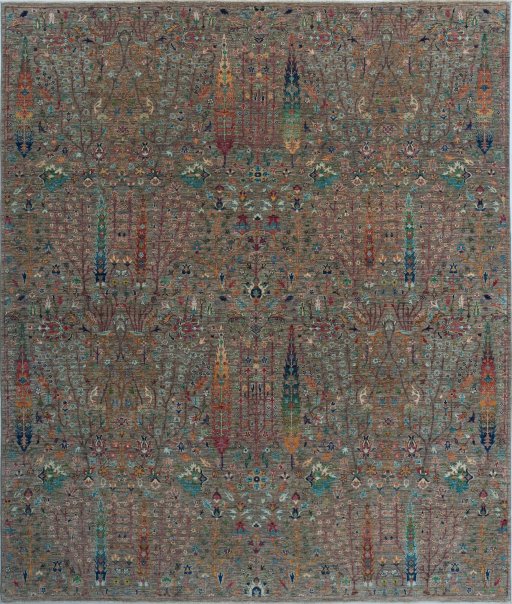
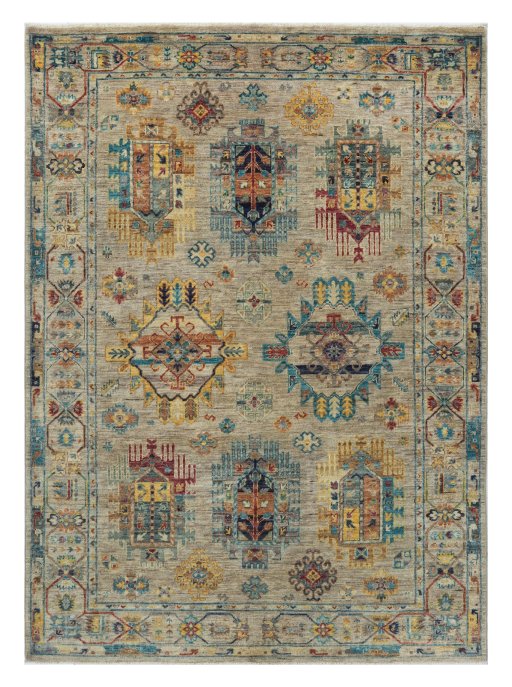
Ariana rugs come from Afghan workshops that revived hand-spun wool and natural dyes. Their designs draw on classical Persian, Caucasian and Anatolian models, translated into calm, often muted colours. With their soft palette they fit well into living rooms and bedrooms with contemporary furniture.
Bakhtiari
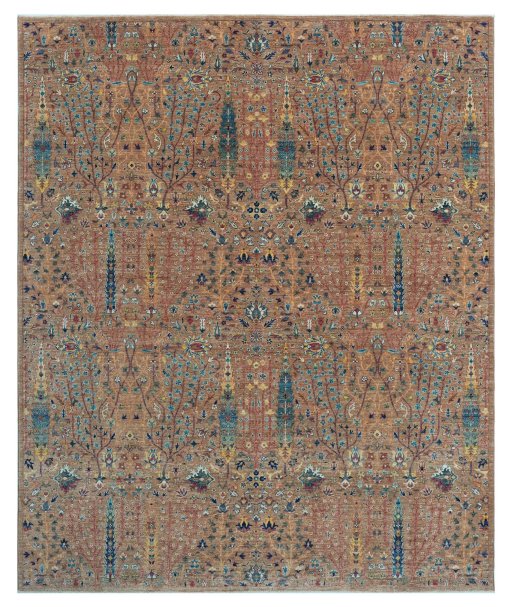
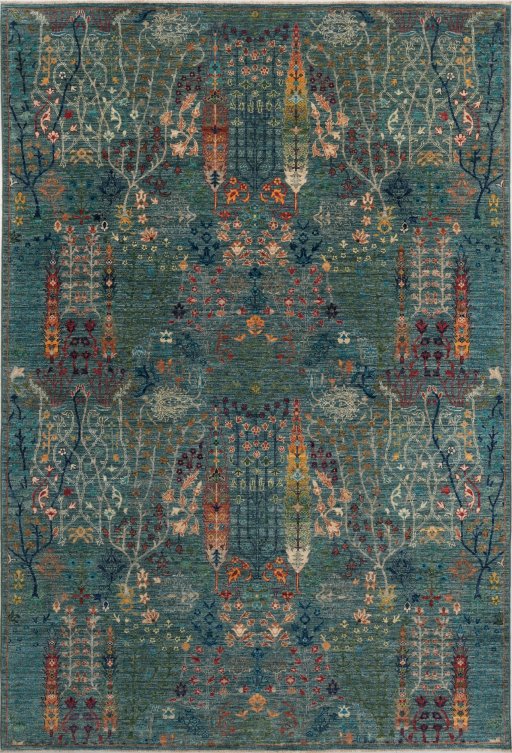
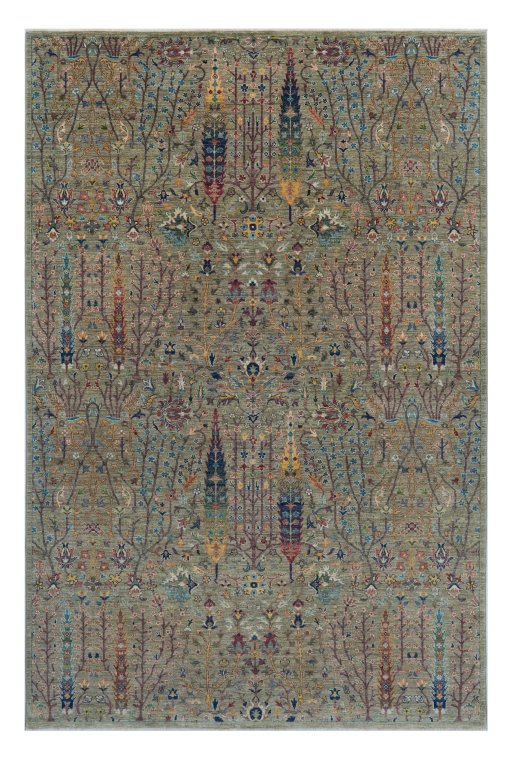
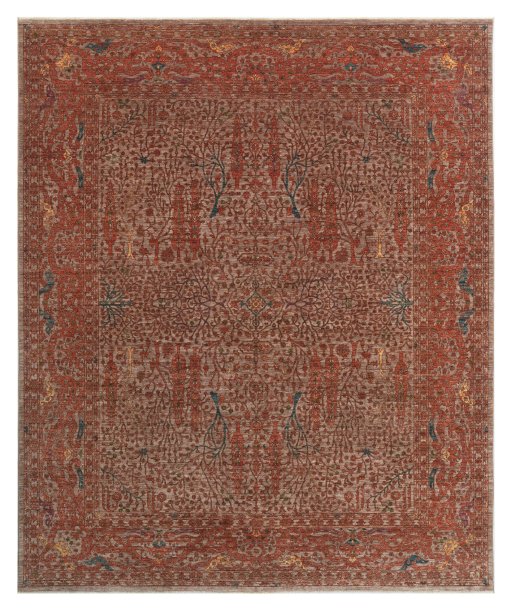
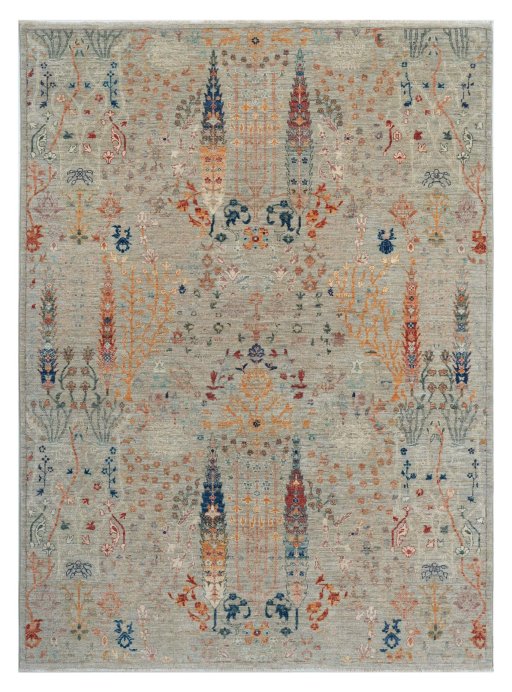
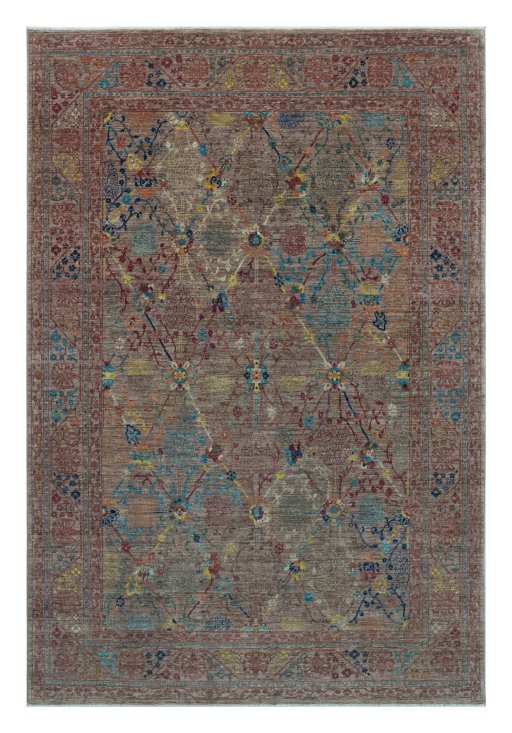
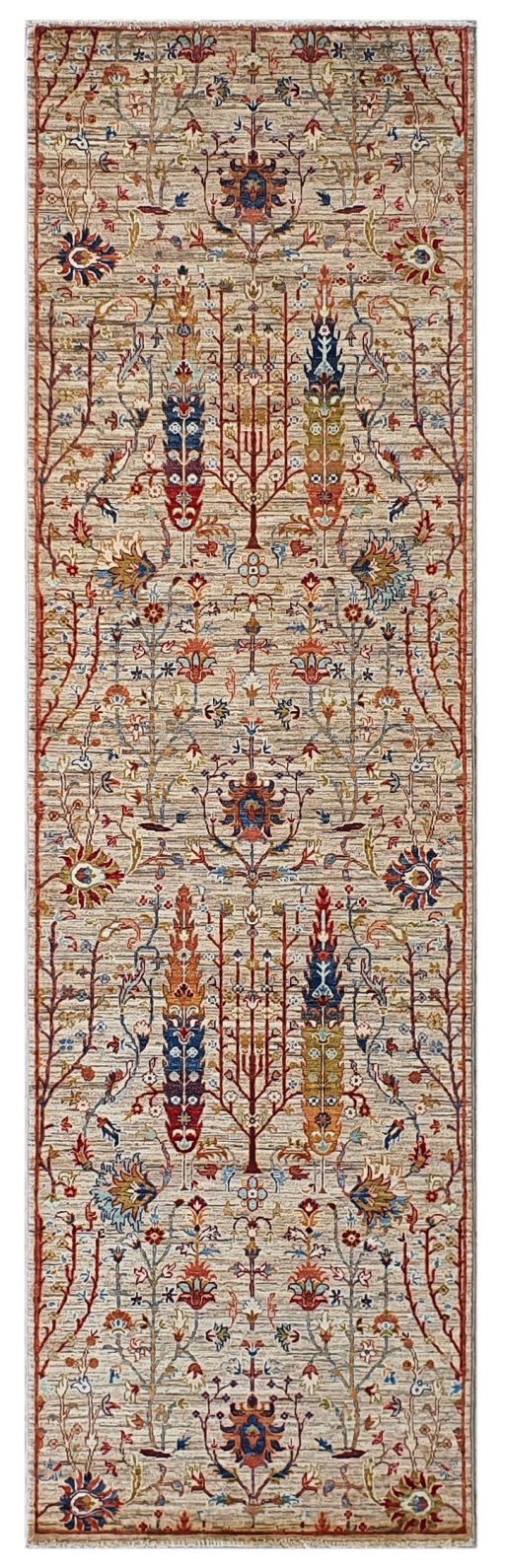
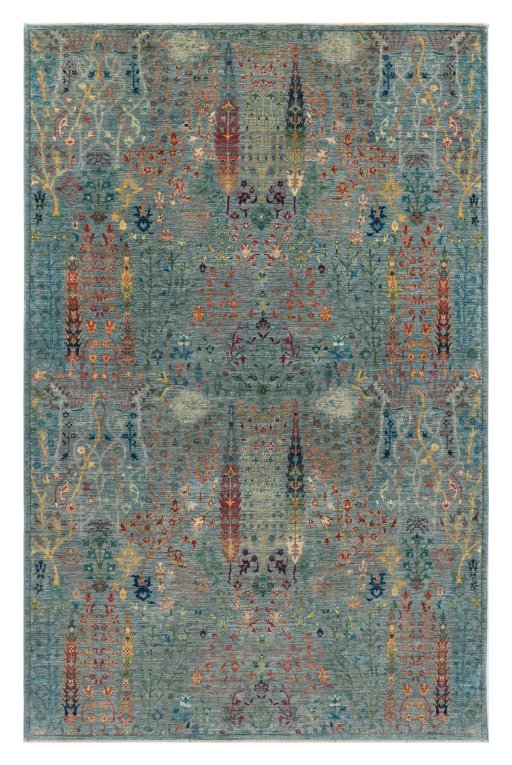
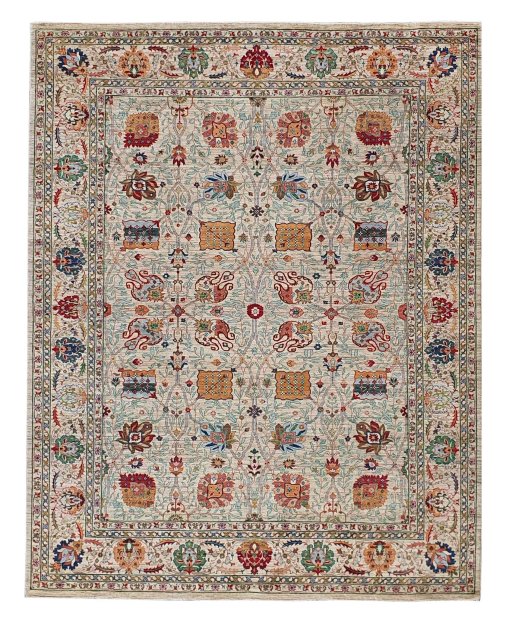
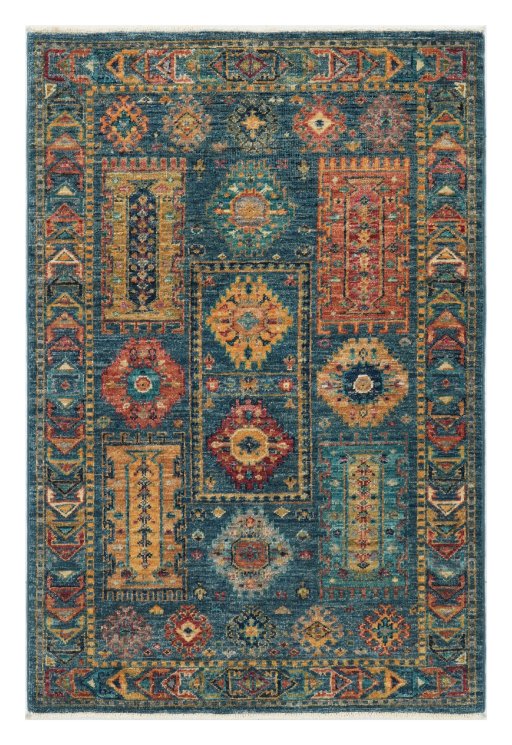
The Bakhtiari design goes back to the Bakhtiari tribe in western Iran and is known for its garden pattern: the field is divided into square or diamond-shaped panels, each filled with flowers, trees or cypresses. Afghan and Pakistani workshops weave it in their own interpretation. The lively, tile-like pattern works well in dining rooms and large living areas.
Haj Jalili
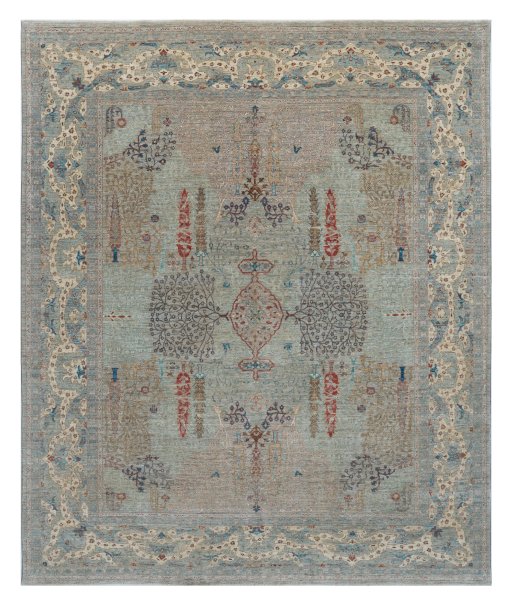
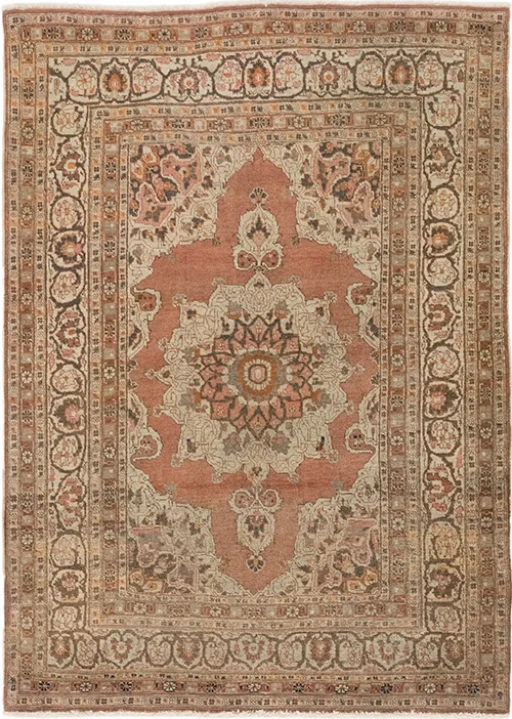
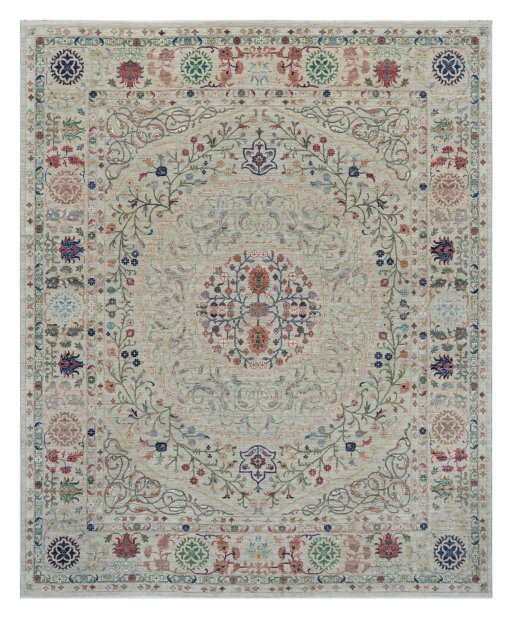
Haj Jalili refers to a renowned 19th-century master weaver from the Tabriz region in north-west Iran. Rugs in this style show a central medallion on an open field, often in terracotta, salmon, ivory and light blue. They look elegant without feeling heavy – a good match for classic living rooms and bright interiors.
Mamluk
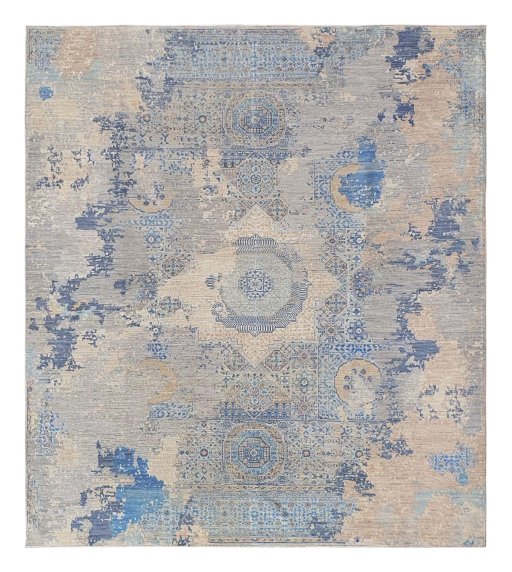
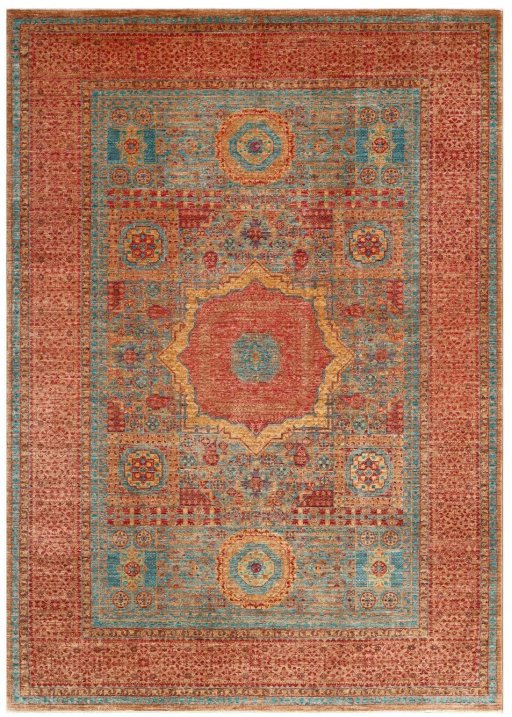
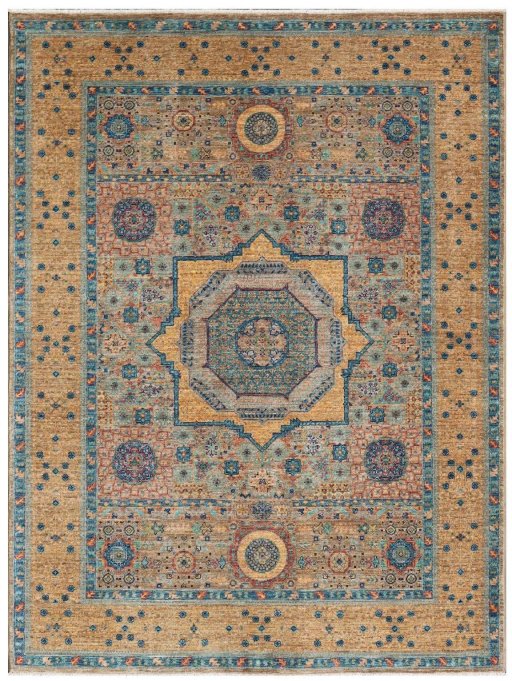
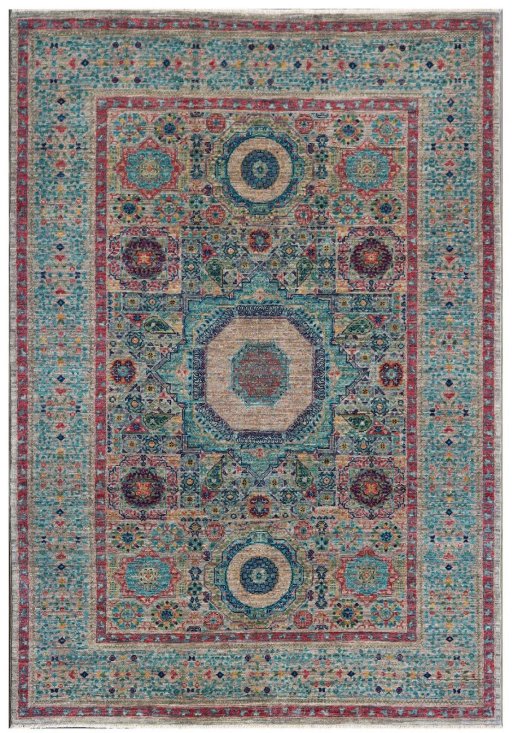
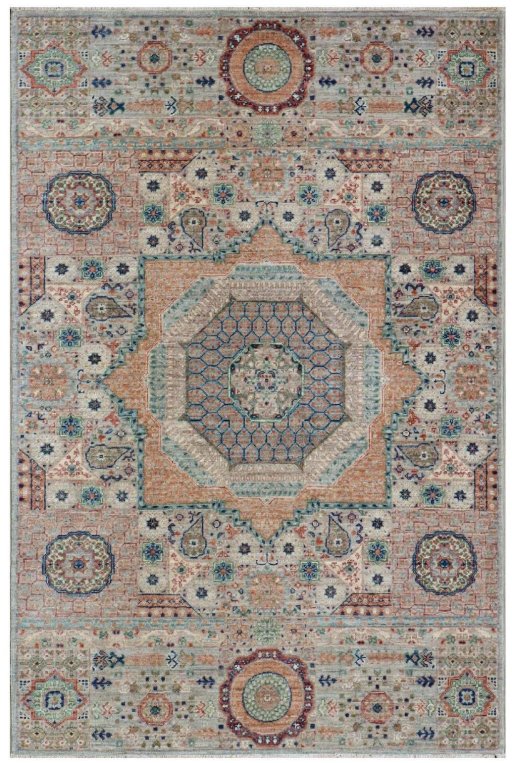
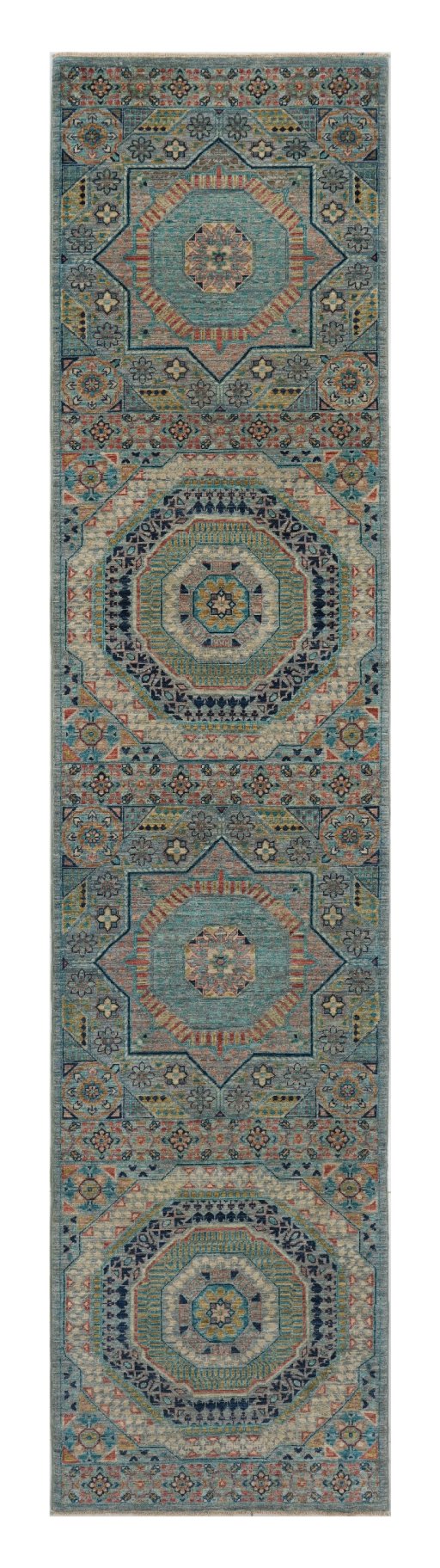
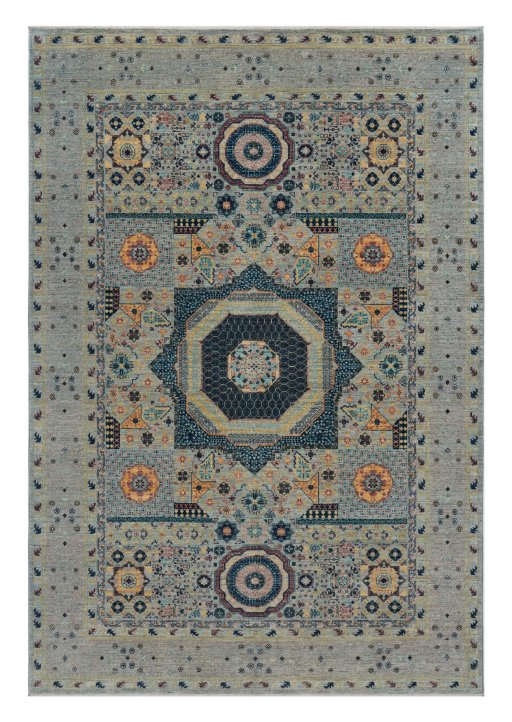
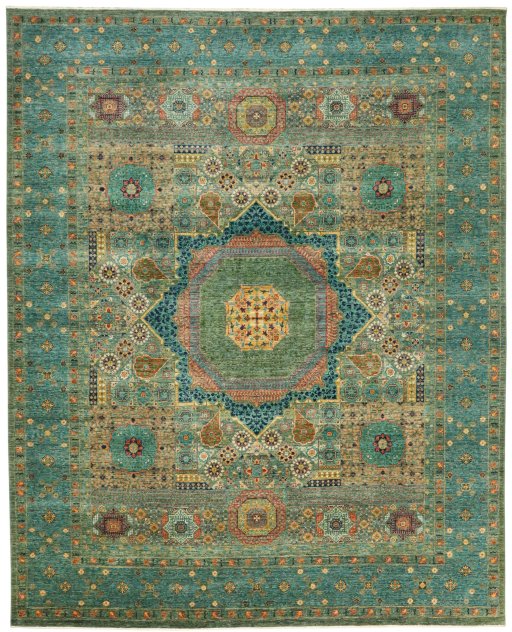
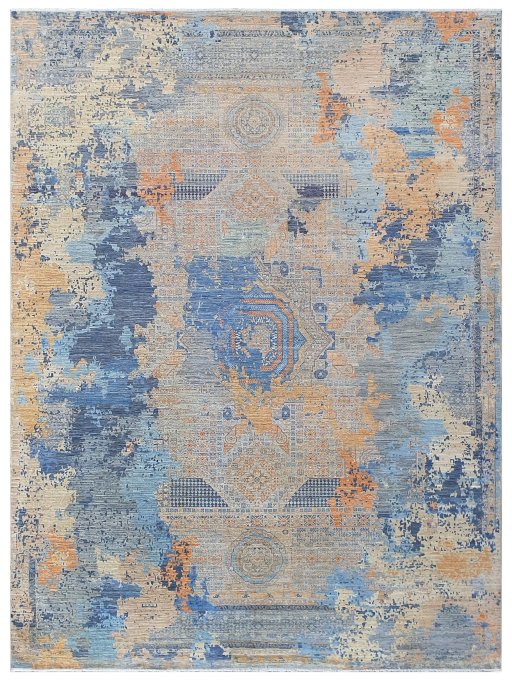
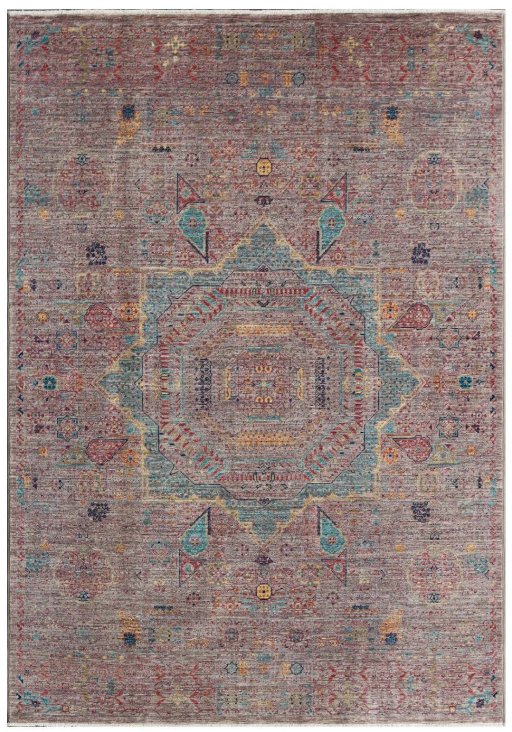
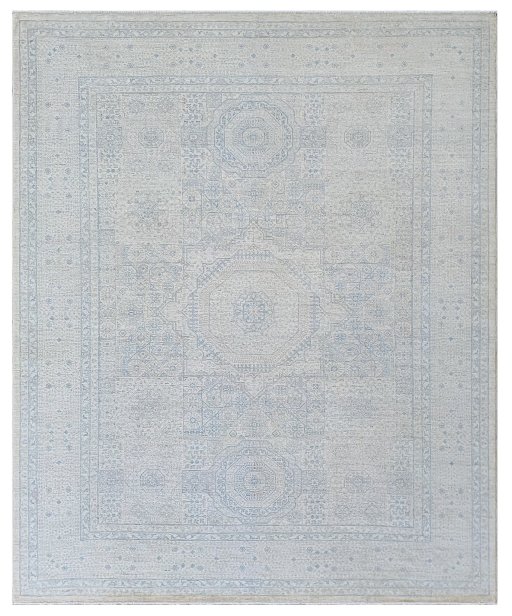
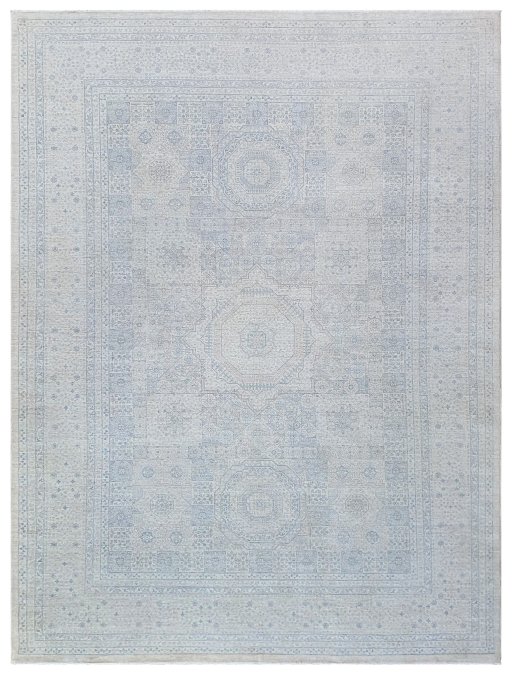
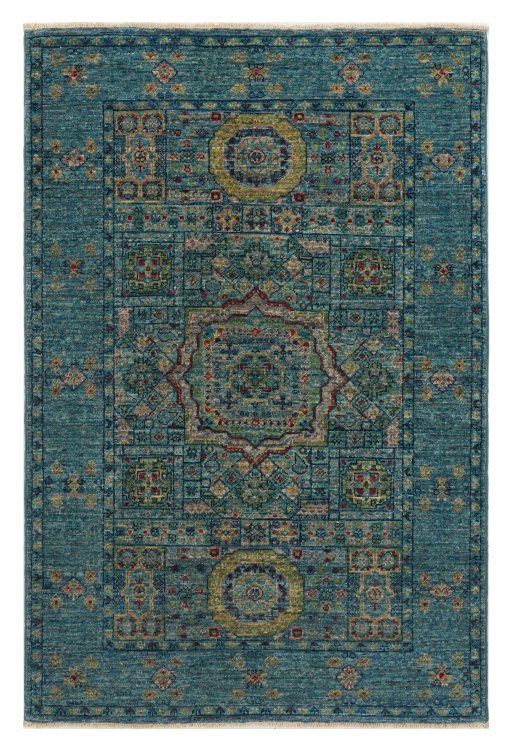
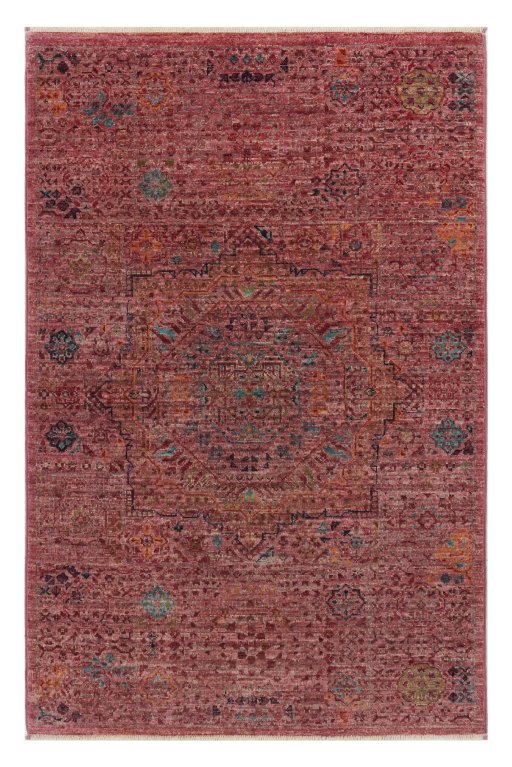
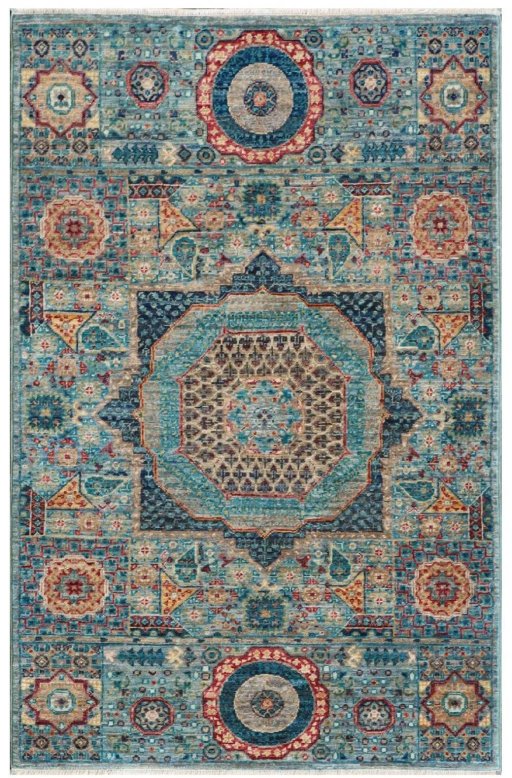
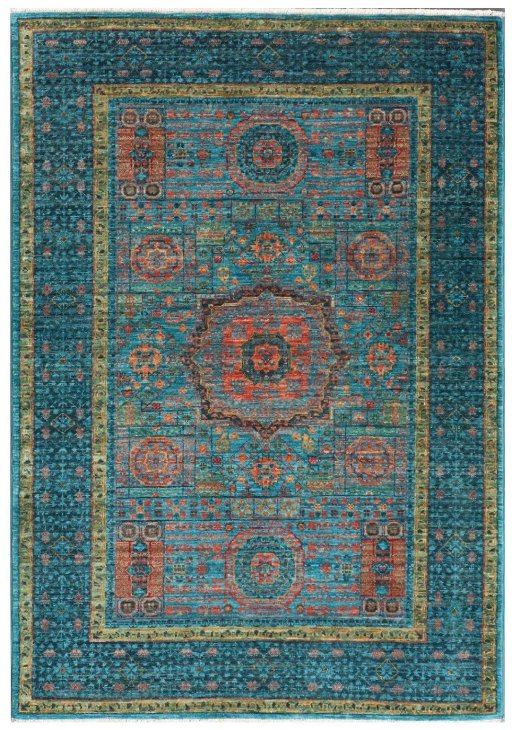
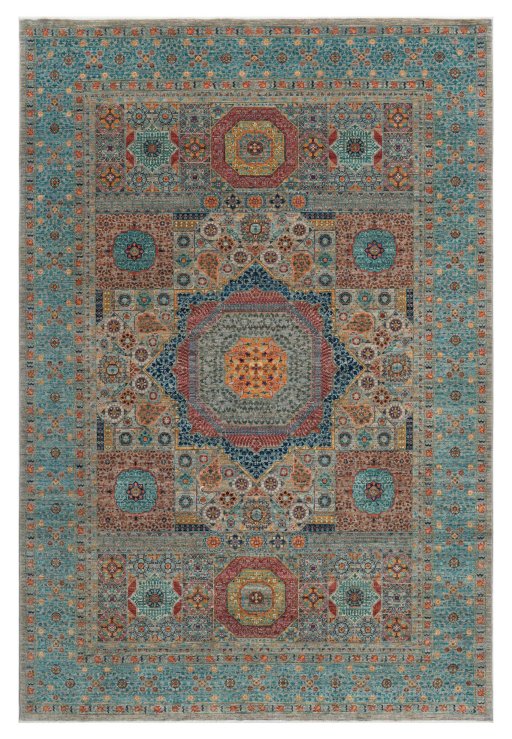
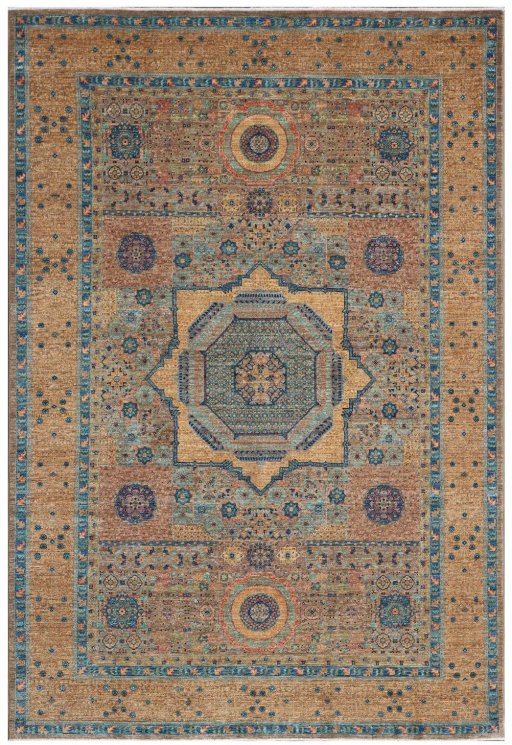
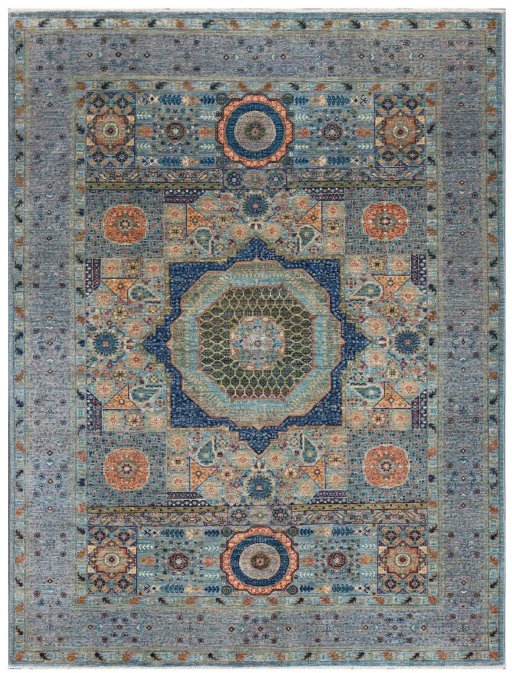
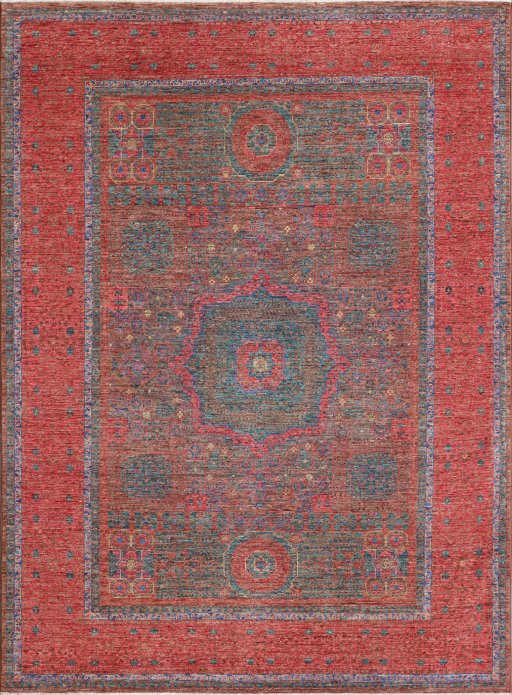
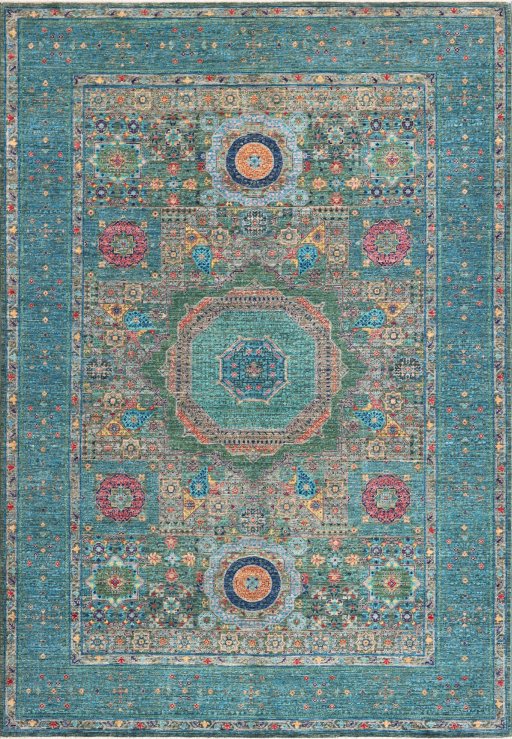
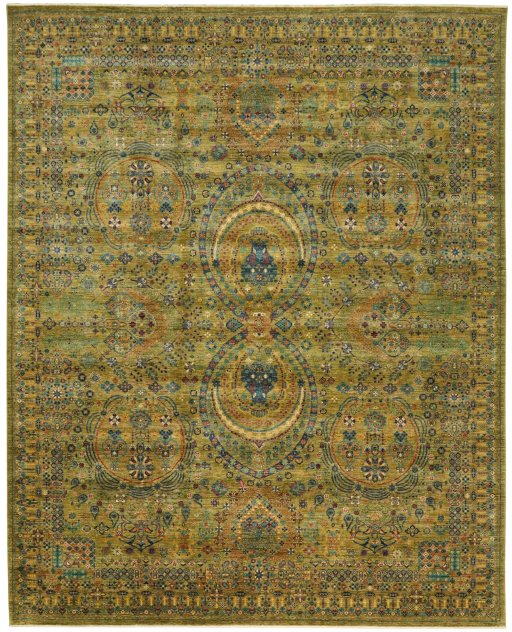
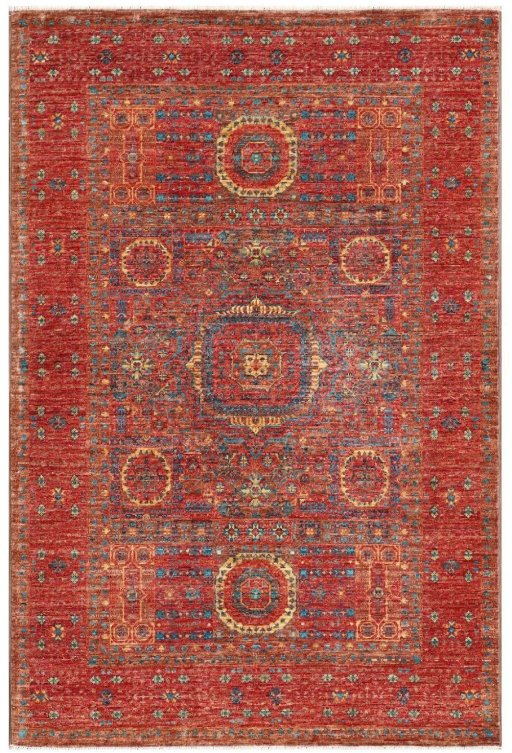
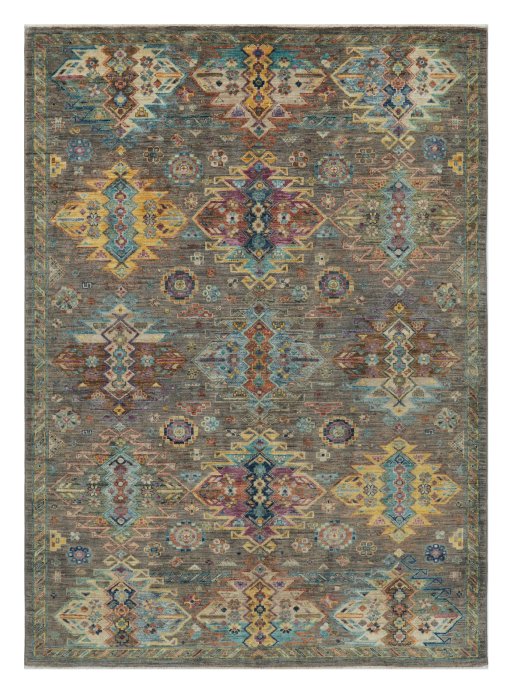
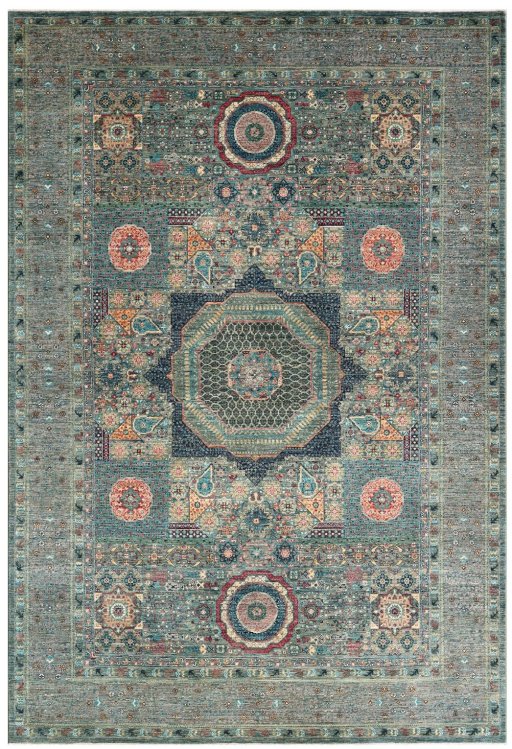
Mamluk designs are inspired by carpets woven in Cairo under the Mamluk sultans in the 15th and early 16th centuries. A large central octagon is surrounded by stars, polygons and small geometric fillers, creating a kaleidoscopic effect. Afghan weavers often knot them in hand-spun wool with natural dyes. Their strong geometry makes a Mamluk rug a confident centrepiece in modern and classic rooms alike.
Samarkand
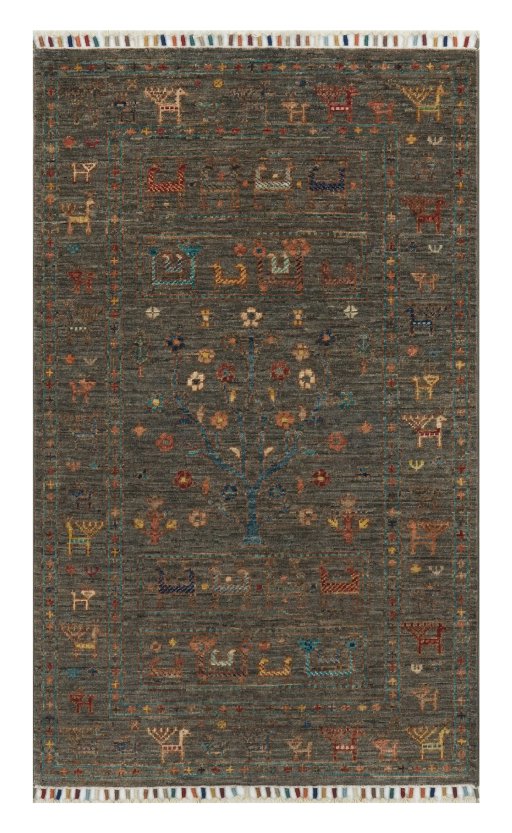
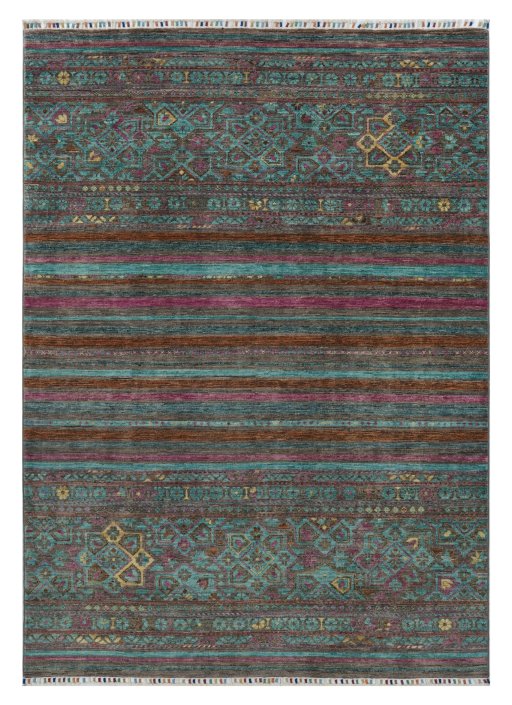
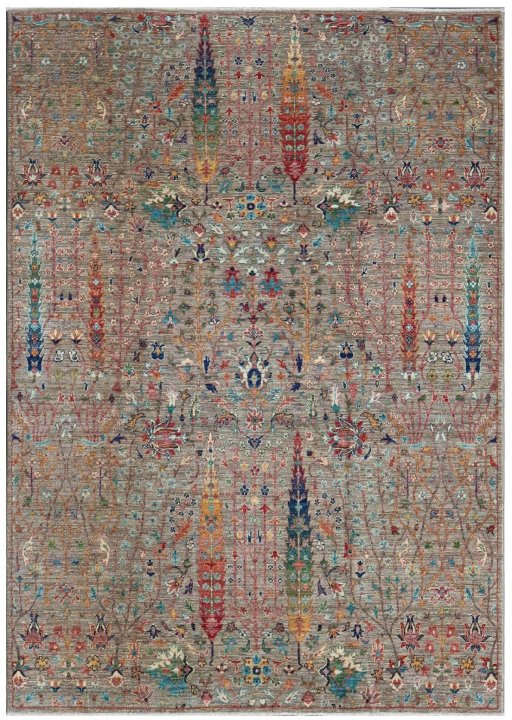
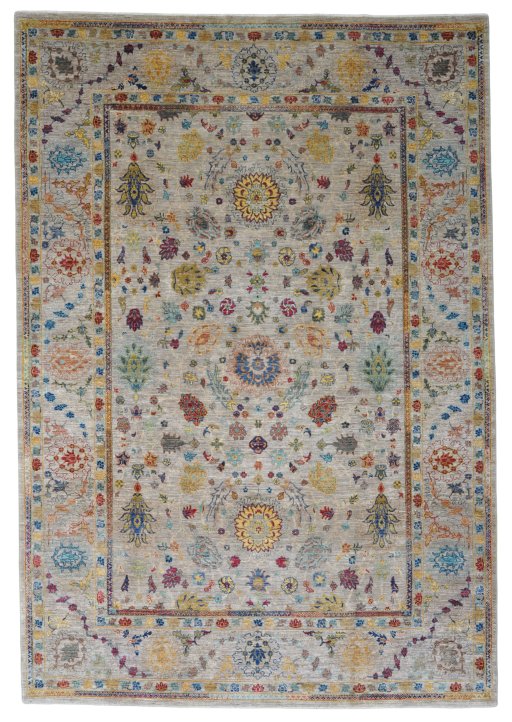
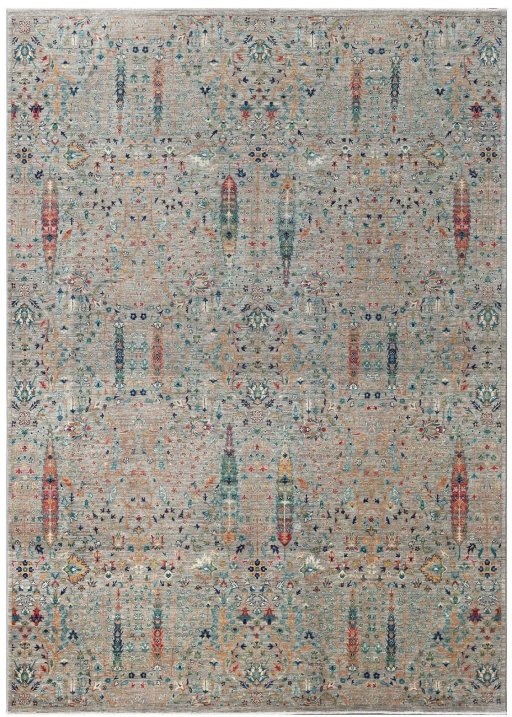
Samarkand rugs are named after the Silk Road city in today's Uzbekistan. In the rug trade, the name also stands for designs from East Turkestan, such as pomegranate trees and round medallions. Afghan workshops recreate these patterns in warm, often slightly faded colours, which bring a relaxed, collected look to living rooms, studies and bedrooms.
04
Wool, Knots and Quality: Are Afghan Rugs Good Quality?
A good Afghan rug is made from robust, lanolin-rich wool, often hand-spun, which gives the pile its natural sheen and resilience. The foundation is usually cotton; some village and tribal pieces have wool warps.
Most pieces are knotted with the asymmetrical (Persian) knot. Knot density ranges from medium to fine: Pakistani workshop rugs are often more finely knotted, while Afghan village pieces are coarser but especially hard-wearing.
When you judge quality, look at the wool rather than the knot count: soft, springy wool with a subtle shine ages well.
05
Afghan vs. Persian Rugs: What Is the Difference?
Both are hand-knotted in wool, but they differ in design and character. Persian rugs from cities such as Isfahan, Tabriz or Nain are often curvilinear, with floral patterns, fine knotting and sometimes silk highlights. Afghan rugs lean towards geometric motifs, bolder colours and a thicker, sturdier pile.
If you love fine floral detail, browse our Classic Persian rugs. If you prefer graphic patterns and a robust rug for daily use, a hand-knotted Afghan rug is the better fit.
06
Afghan Rugs in Your Interior
Deep reds and geometric patterns give a room a clear centre. In the living room, a large rug holds the sofa and armchairs together. In the dining room, choose a size that leaves about 60 cm around the table, so the chairs stay on the rug when pulled out.
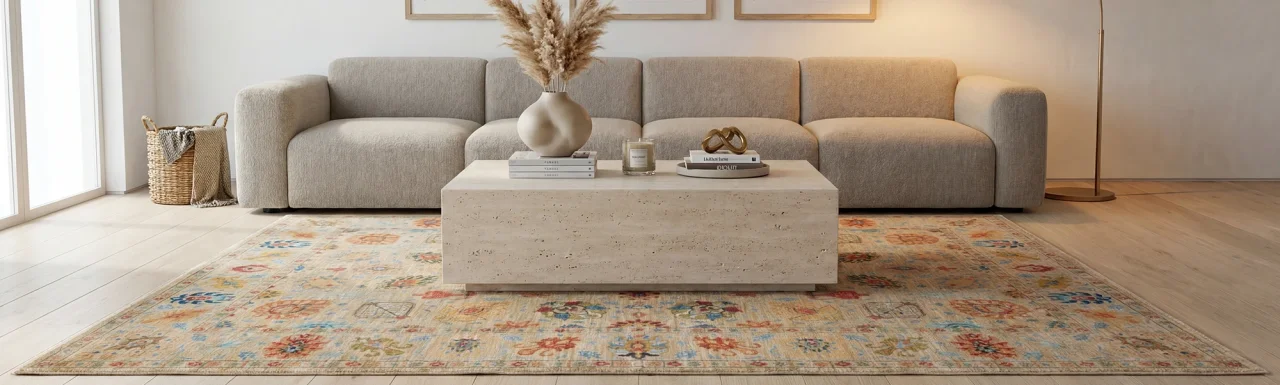
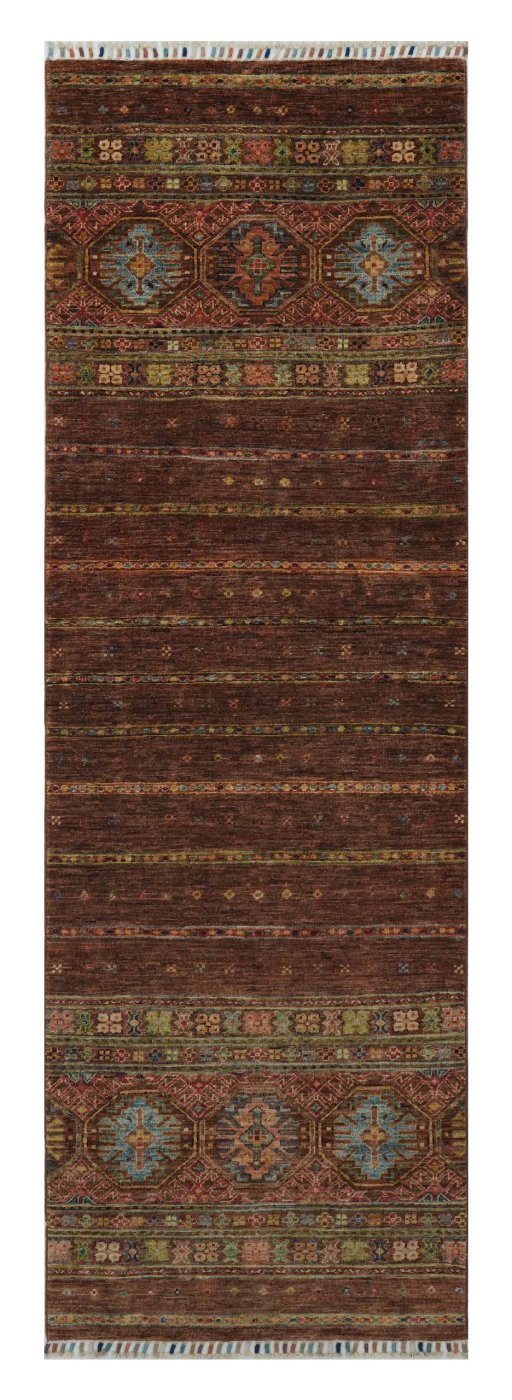
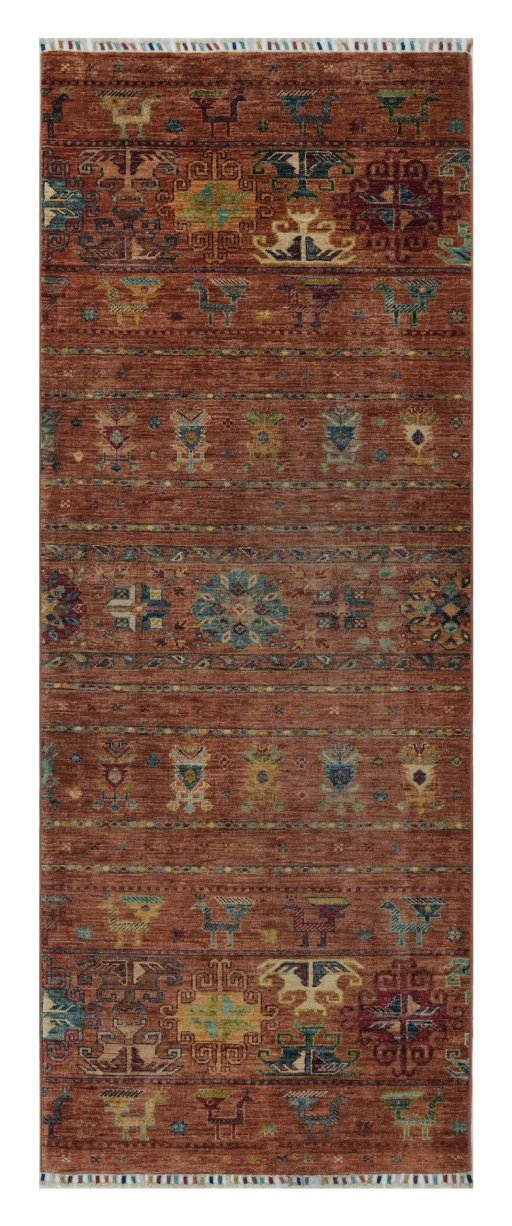
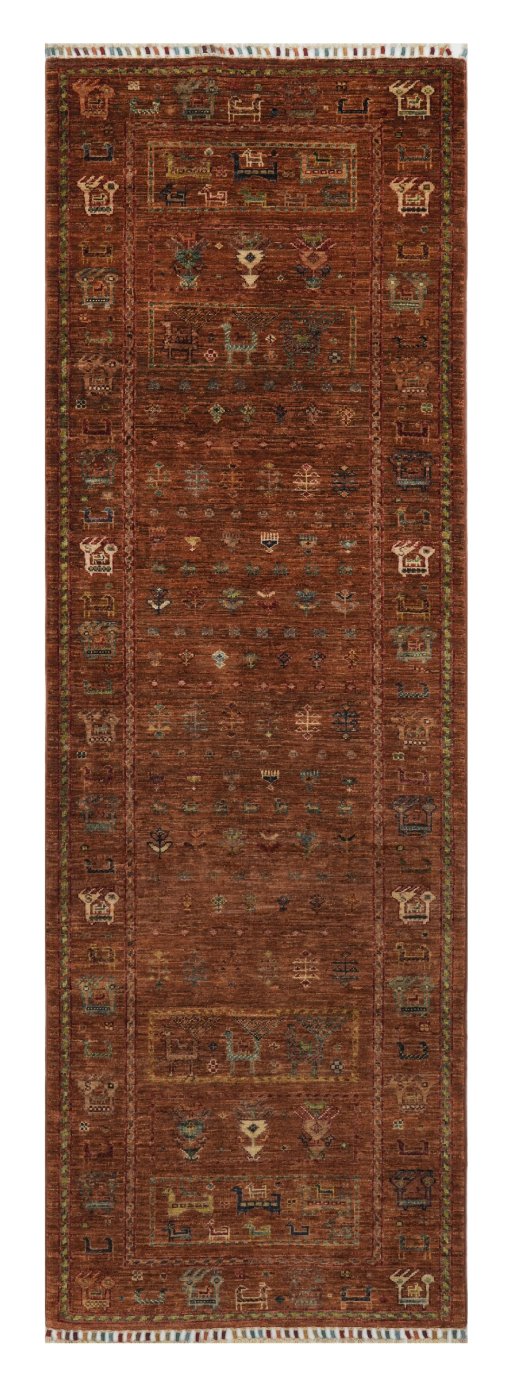
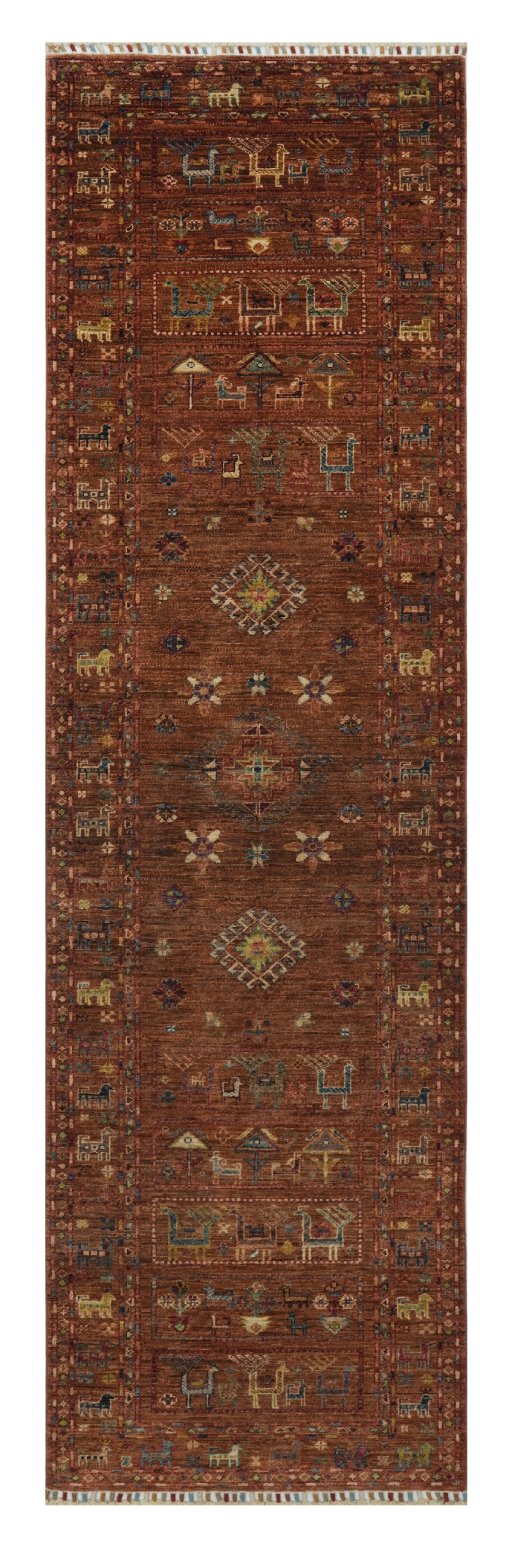
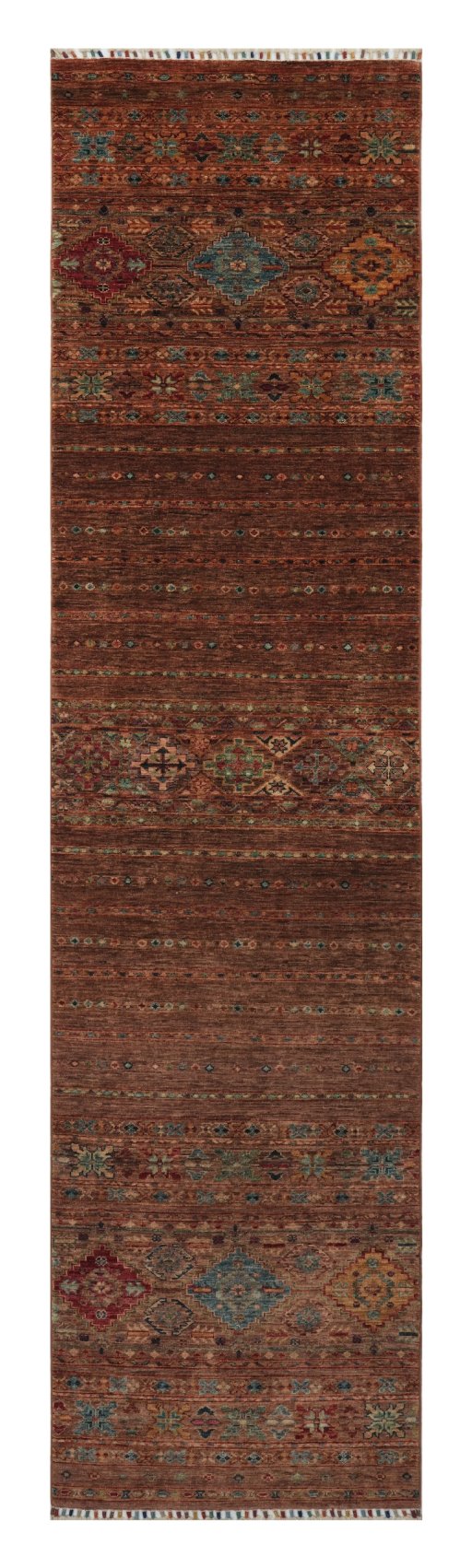
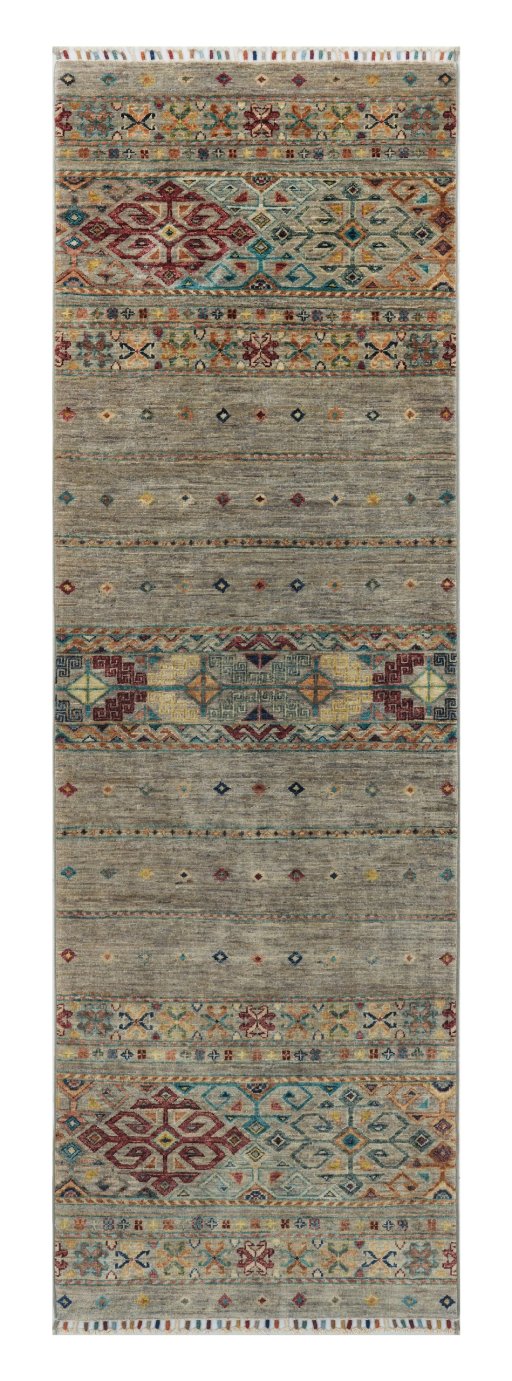
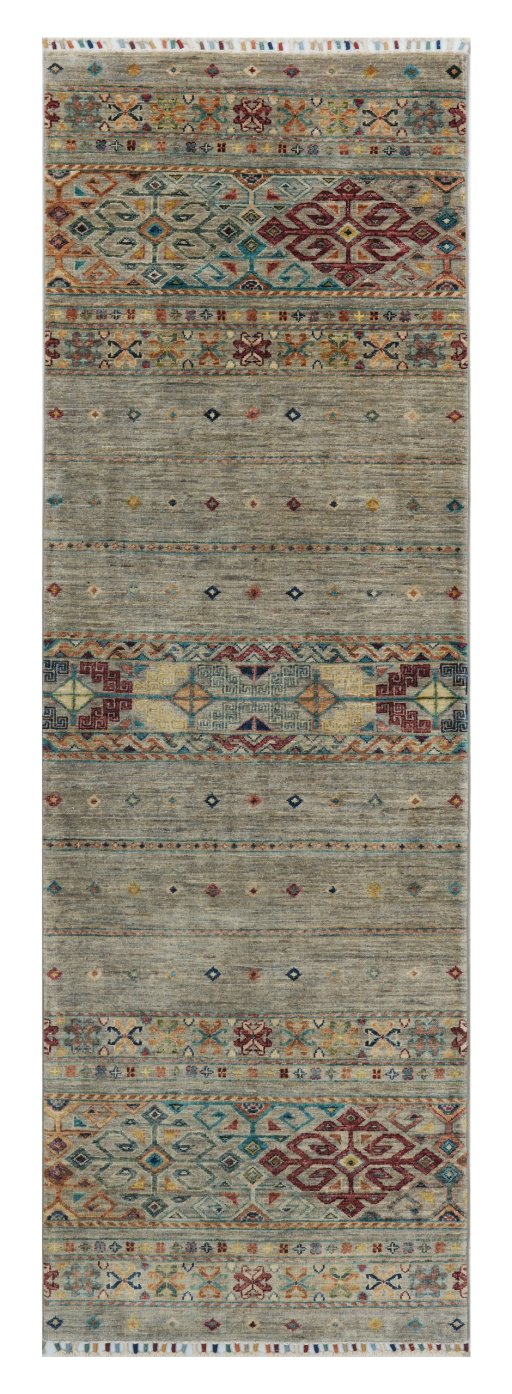
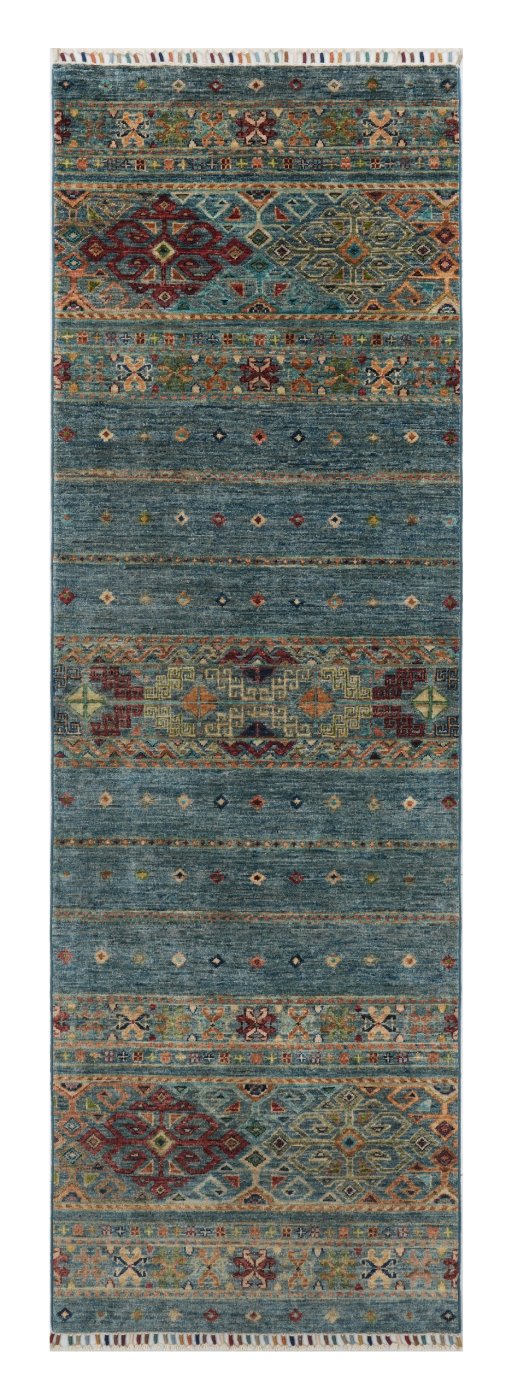
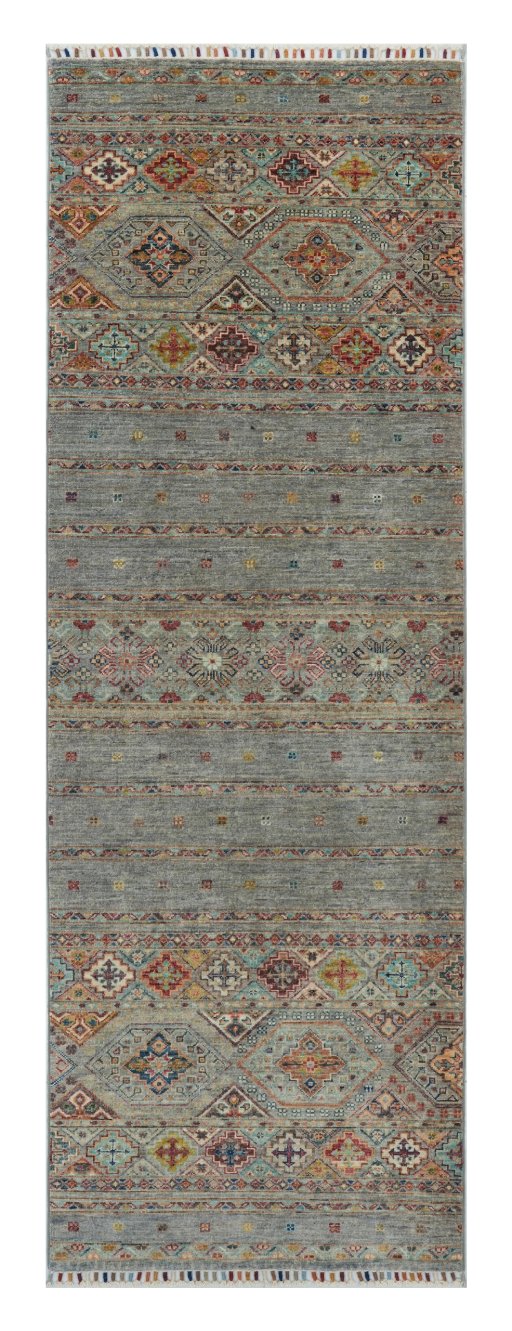
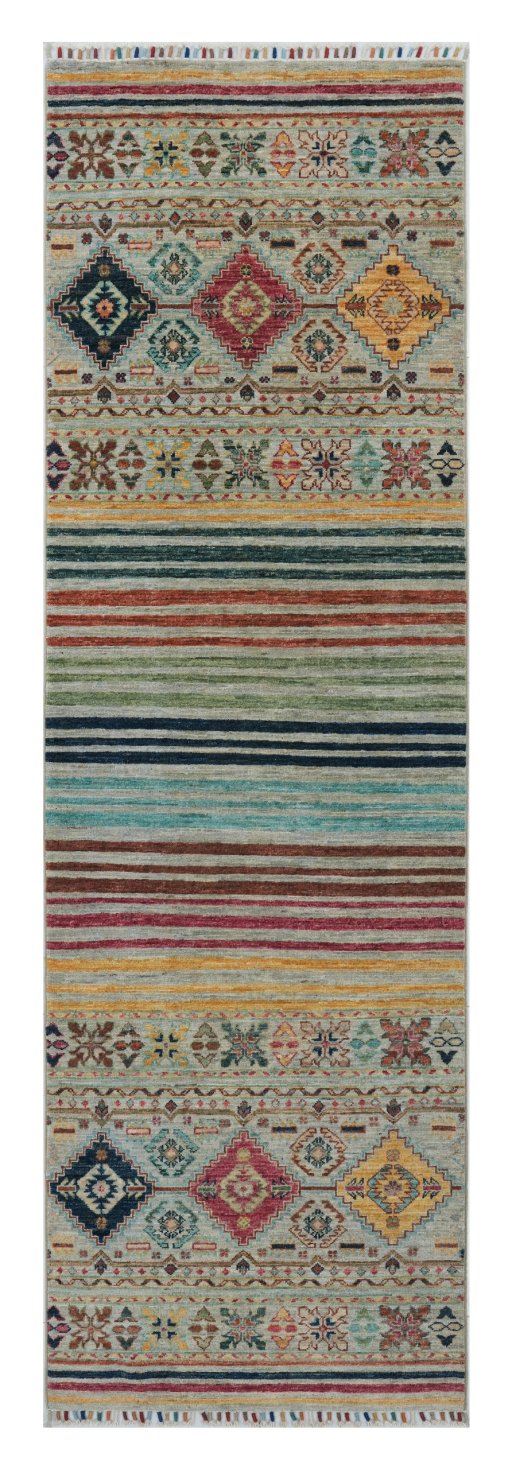
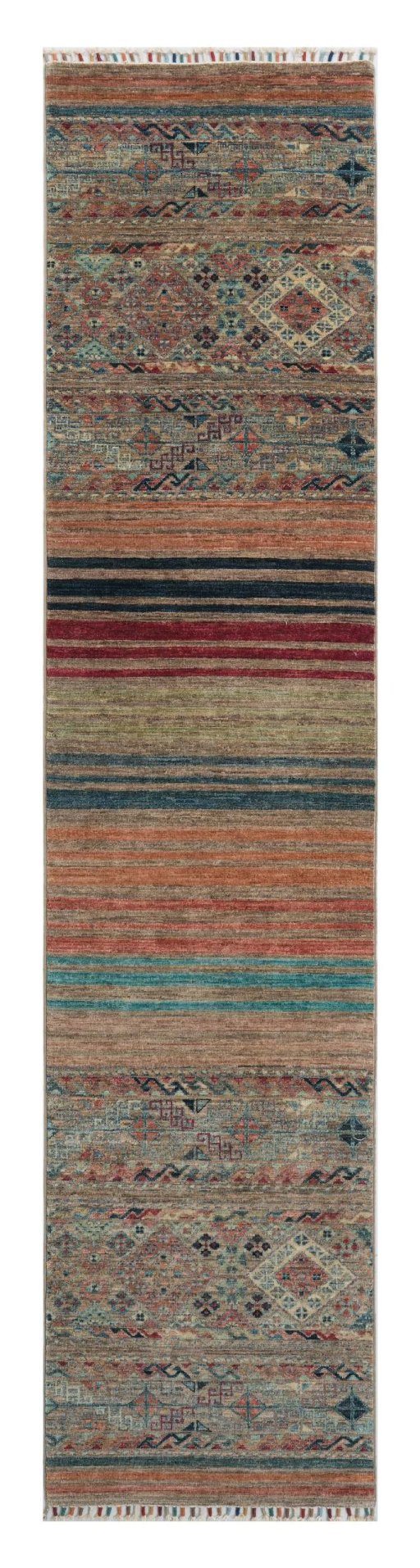
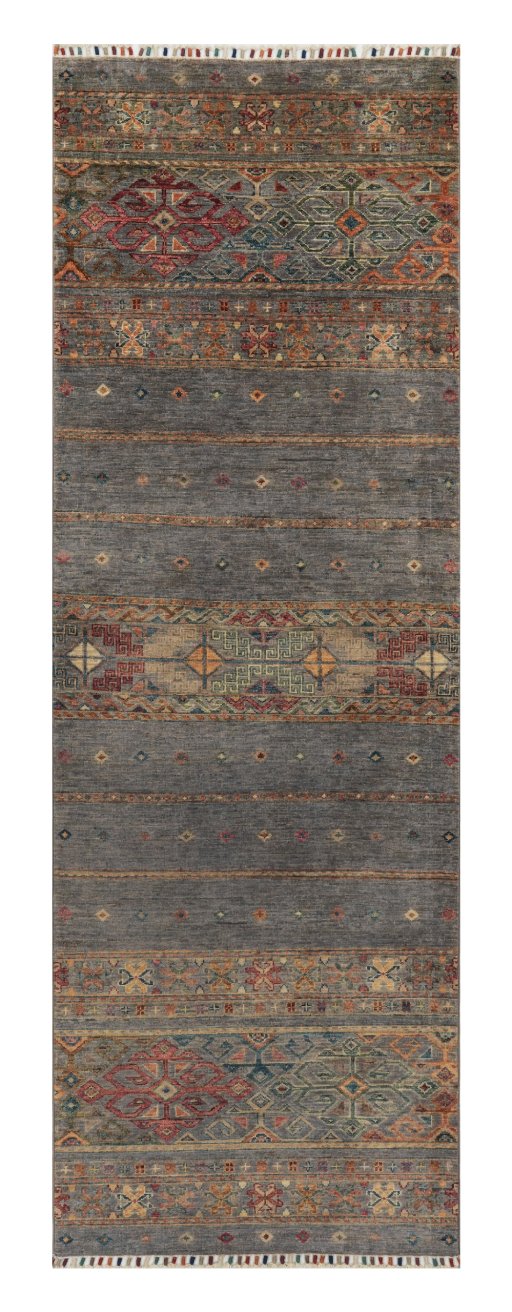
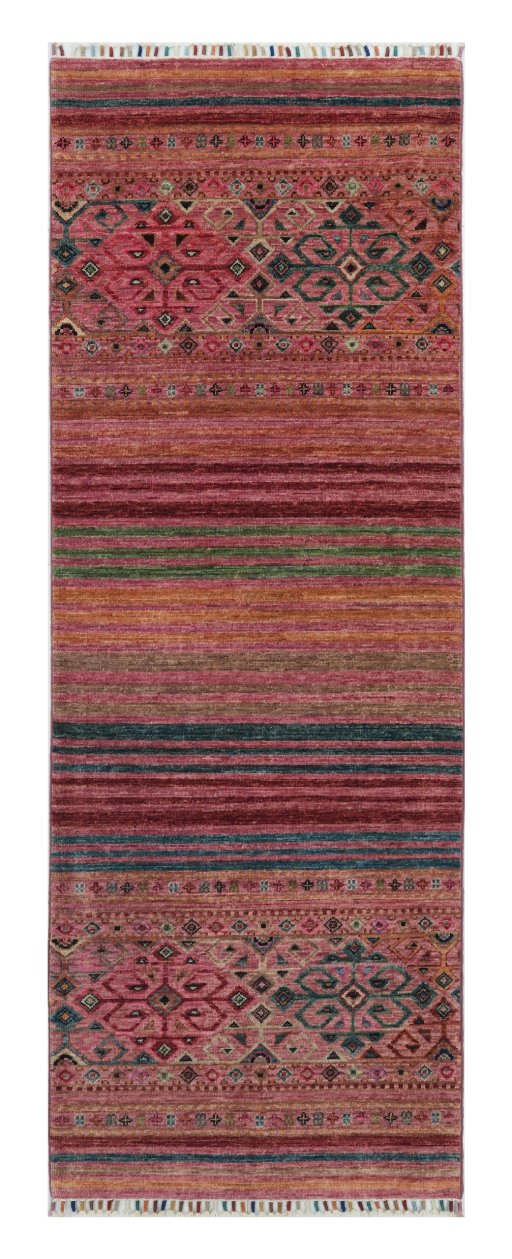
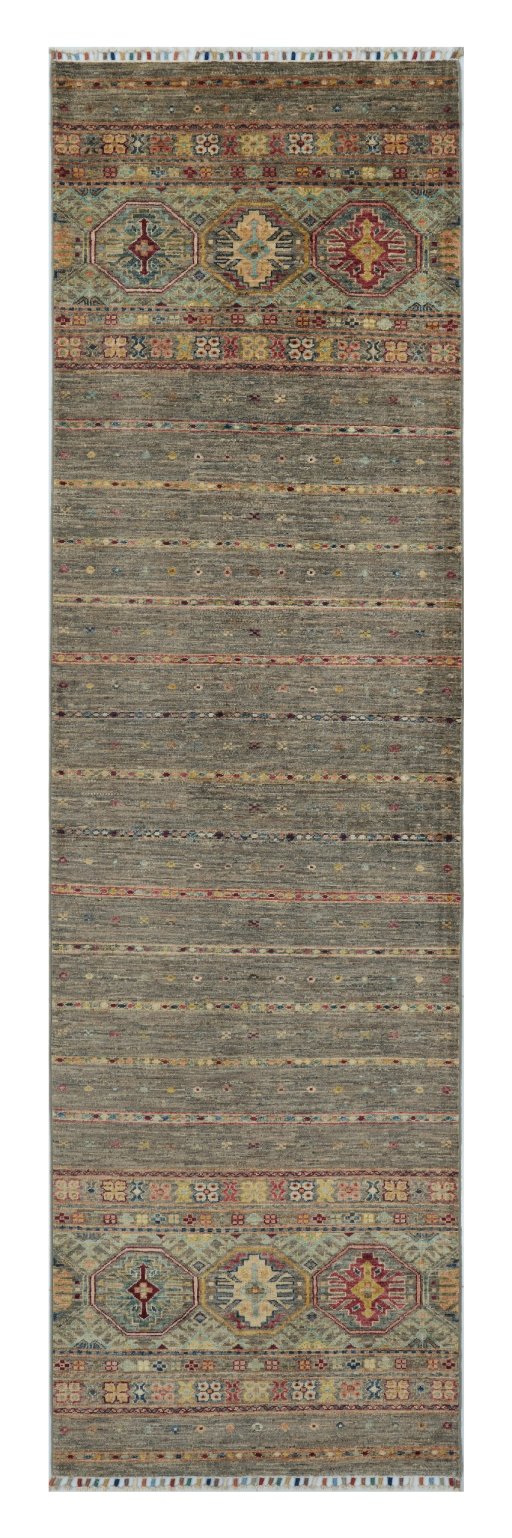
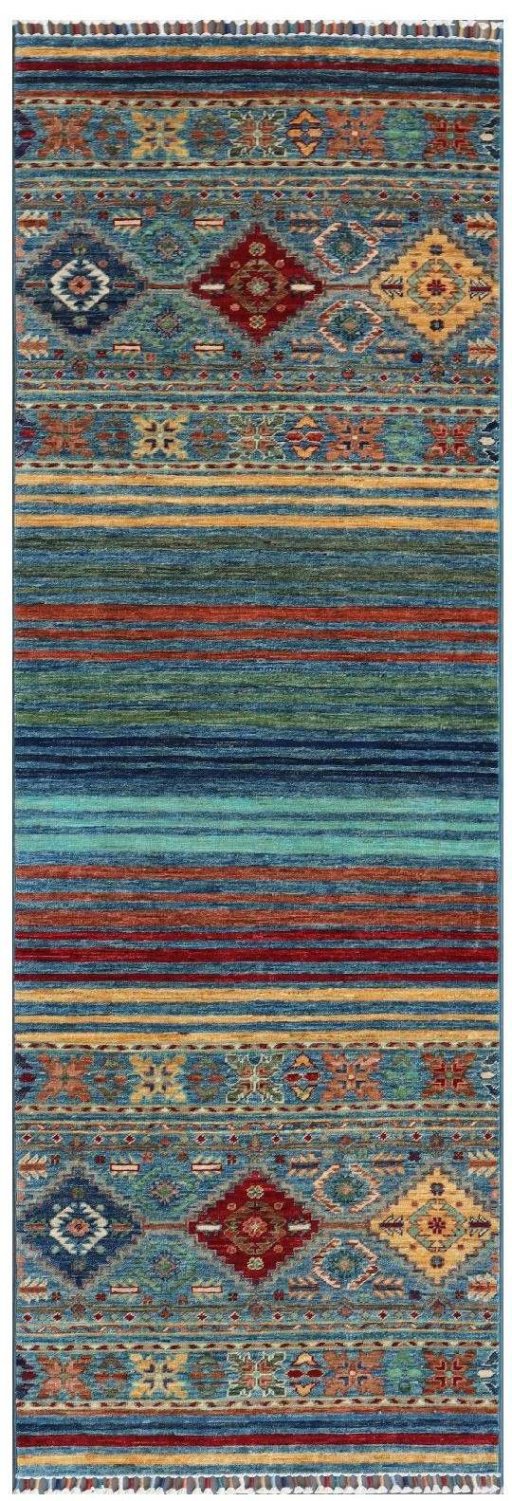
Afghan carpets pair well with wood, leather and linen. In a minimalist interior, a single Mamluk or Samarkand rug adds colour and texture without crowding the space. Runners suit hallways, because the wool copes with heavy foot traffic.
07
What to Look for When You Buy an Afghan Rug Online
Size: measure the room and mark the outline with tape before you decide. Our collection ranges from small mats of around 97 × 66 cm to large rugs of around 350 × 245 cm, plus runners.
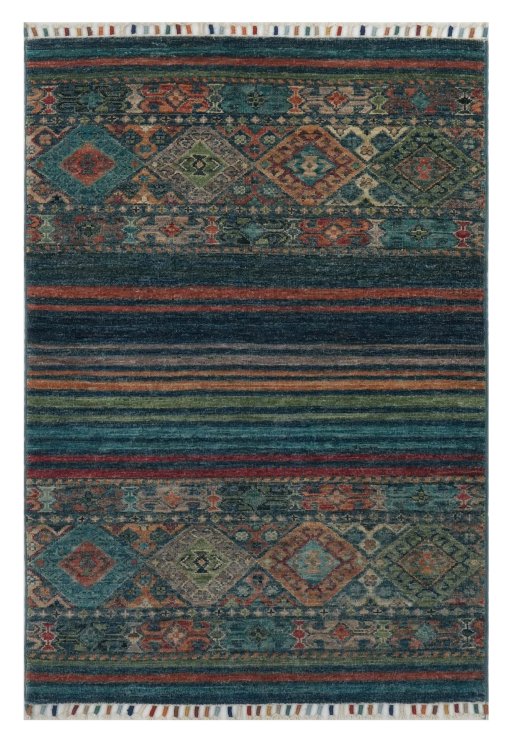
Colour: view the photos at full size. Natural dyes can vary slightly within one rug – this effect, called abrash, is a sign of handwork, not a flaw.
Budget: prices in this category range from about €300 to €5,900. If you prefer to spread the cost, you can pay in instalments.
Rugbloom has been dealing in oriental rugs since 1870 and is run today by the fourth generation, Matin and Eddie. You get free shipping within the EU, free returns and personal advice – by phone or in our Hamburg showroom by appointment.
08
Frequently Asked Questions about Afghan Rugs
Answers to the questions our customers ask most often.
Are Afghan rugs good quality?
Yes. A well-made Afghan rug with good wool lasts for decades. Look for soft, springy wool, even knotting and a clear pattern on the back. Every rug at Rugbloom is checked before it goes online.
What is the difference between Afghan and Persian rugs?
Persian rugs are often floral and finely knotted, while Afghan rugs are mostly geometric, with bold colours and a robust pile. Both are hand-knotted in wool.
Are Pakistani rugs the same as Afghan rugs?
They share many designs, and many Pakistani workshops were shaped by Afghan weavers. Pakistani rugs are usually workshop-made and look more even; Afghan rugs often show more village character.
How do I care for an Afghan rug?
Vacuum regularly without a beater brush, turn the rug every few months so it wears evenly, and have it professionally washed every few years. Our care guide explains the details.
Can I return a rug if it does not suit my room?
Yes. Returns are free, and so is shipping within the EU.