The Rugbloom Guide
Handmade Rugs: Oriental, Modern and Exclusive
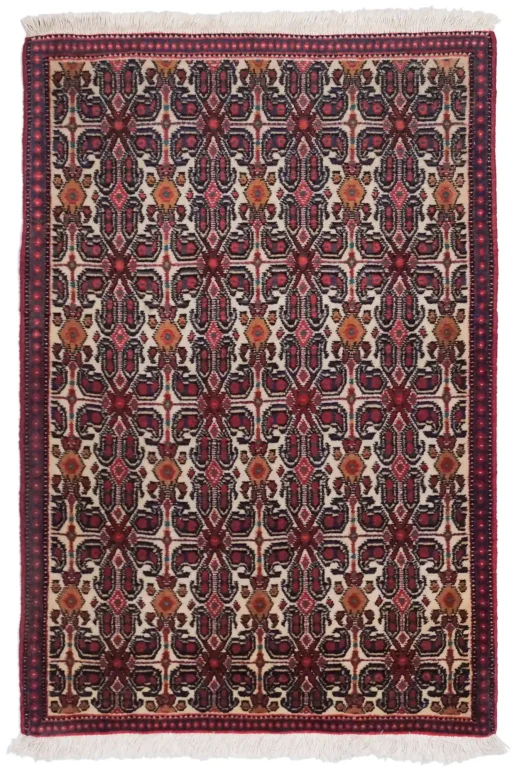
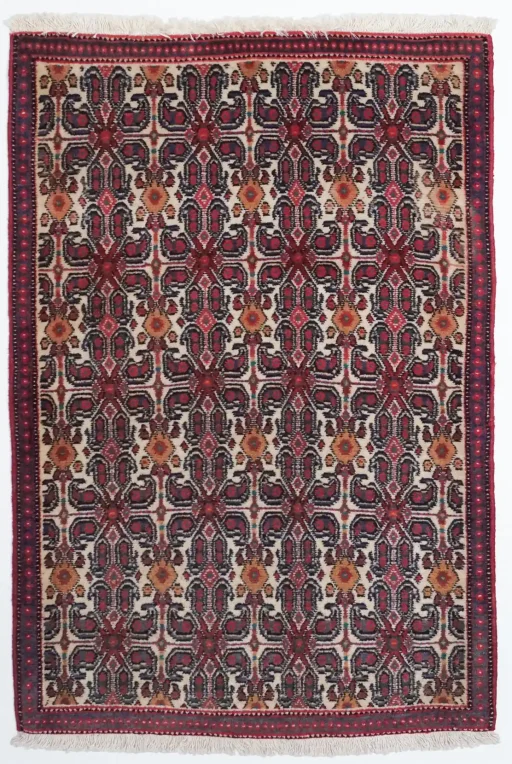
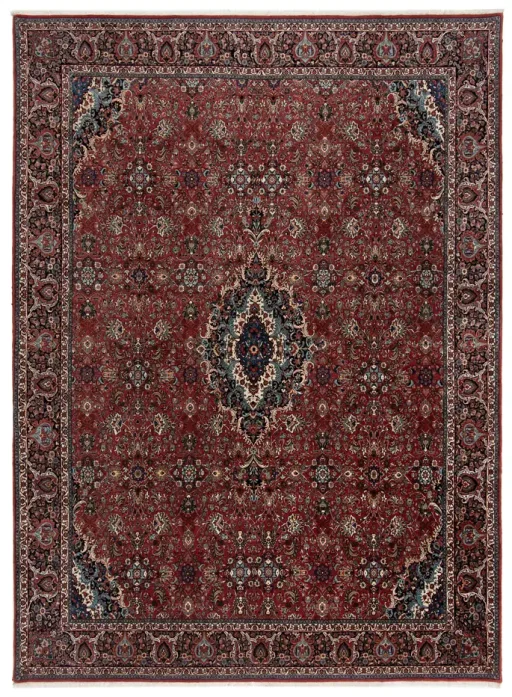
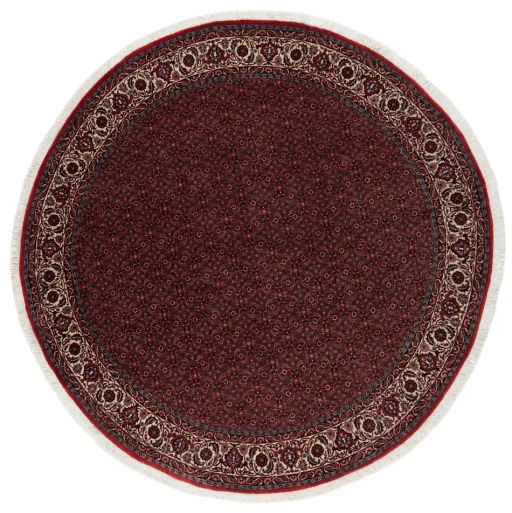
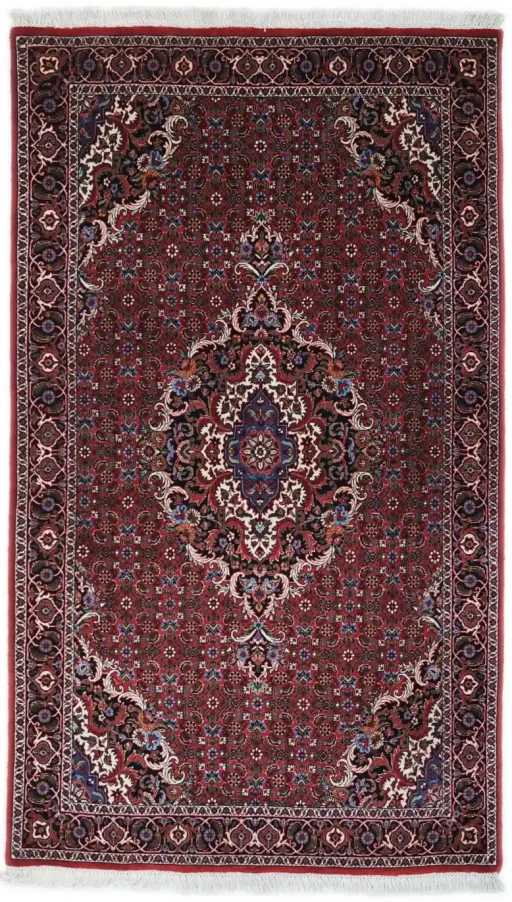
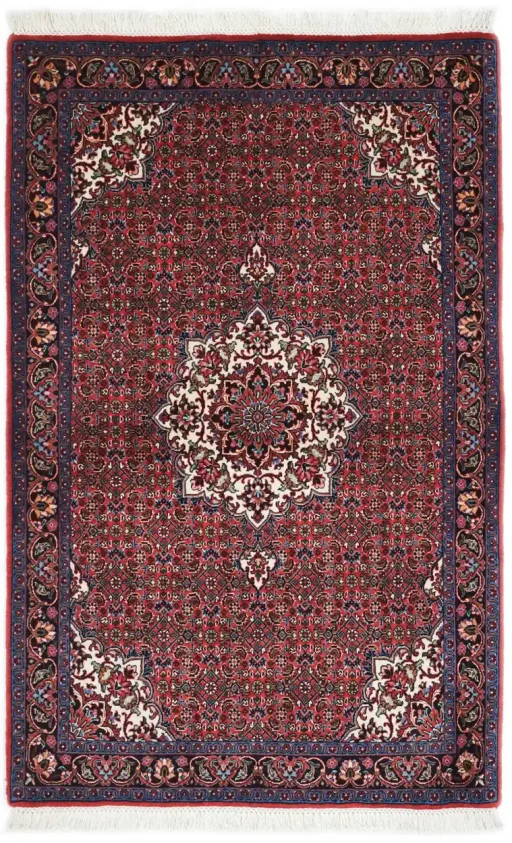
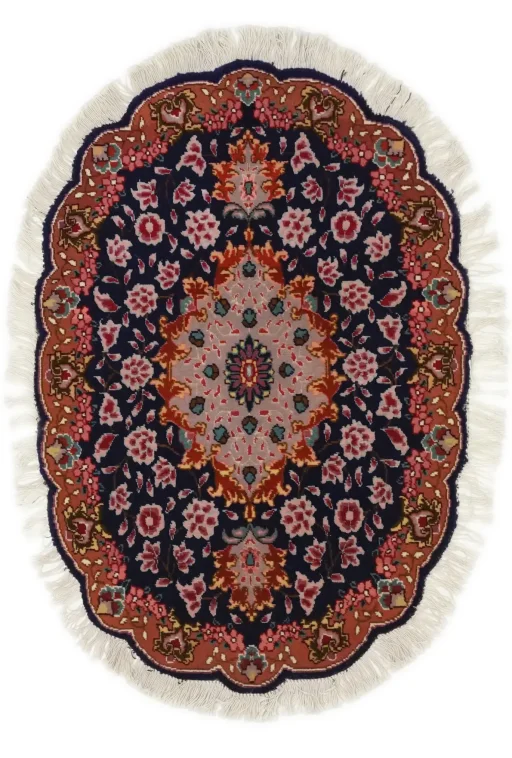
This page shows every rug in our collection in one place: classic oriental rugs from Iran, Turkey, the Caucasus, Afghanistan, China and India, modern designs and kilims, and our exclusive antique and silk pieces. Each rug is one of a kind, and every product page states its origin, material and exact size. Use the filters to narrow the selection by category, price, shape, size and colour, or go straight to one of the collections below.
01
Oriental Rugs from Persia, Turkey, the Caucasus and Asia
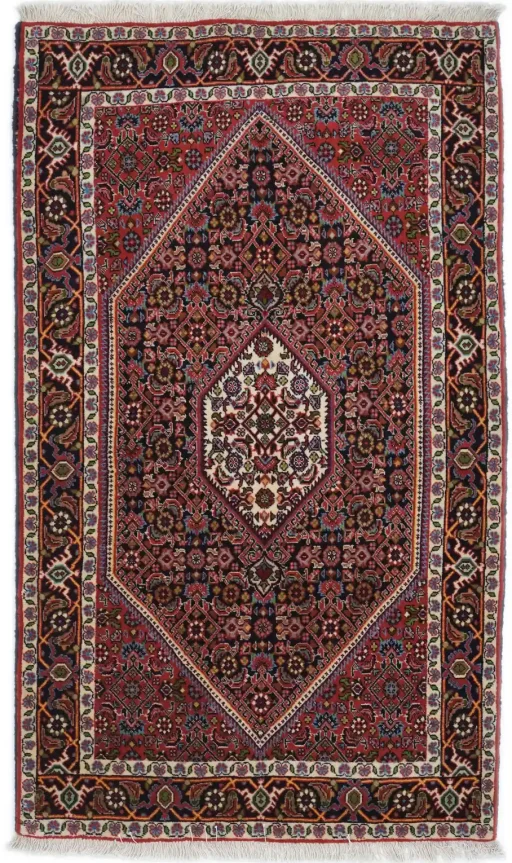
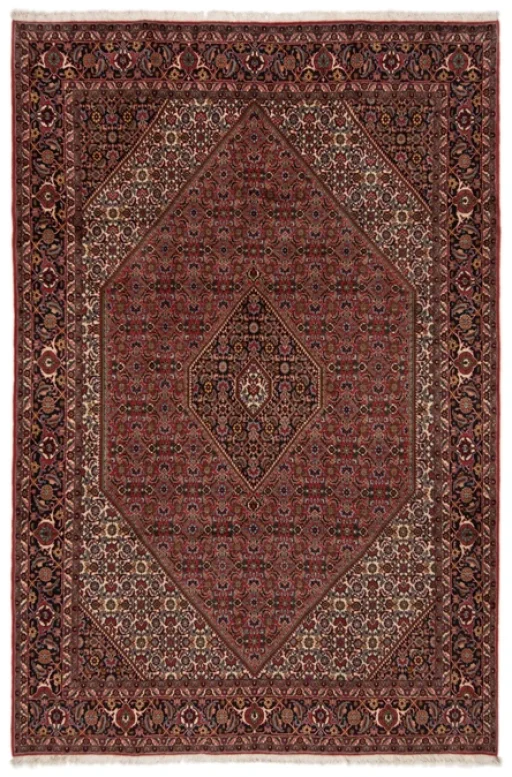
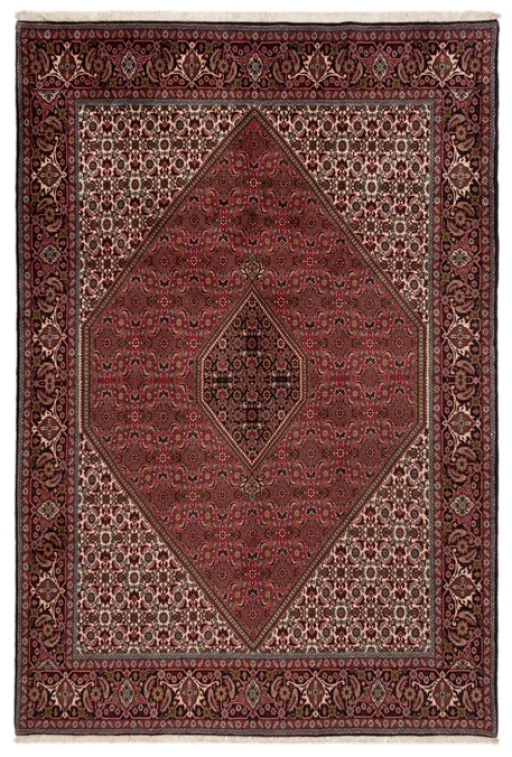
Most of our rugs are hand-knotted oriental rugs from the traditional weaving regions of Iran, Turkey, the Caucasus, Afghanistan, China and India, together with flat-woven classic kilims.
Classic Persian Rugs
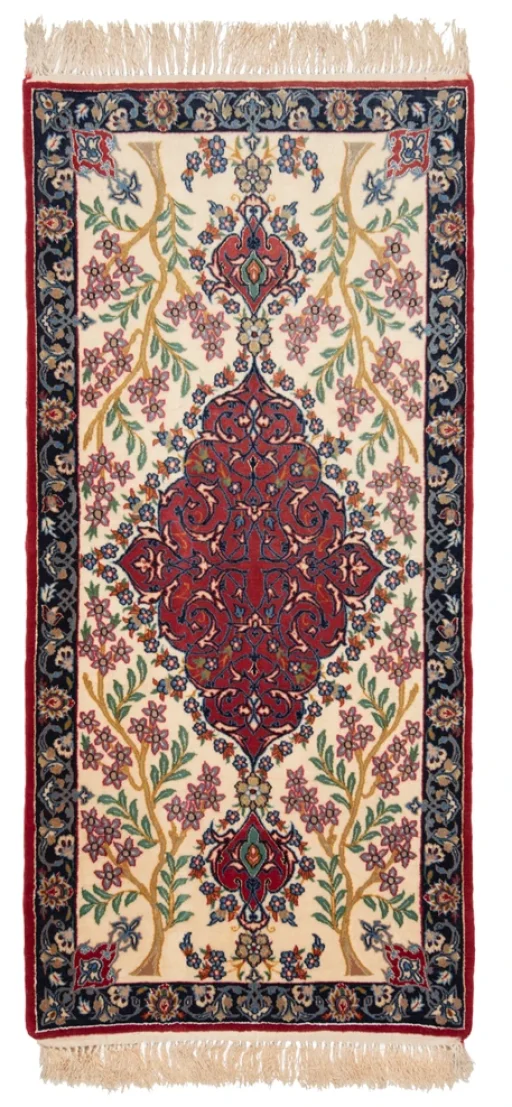
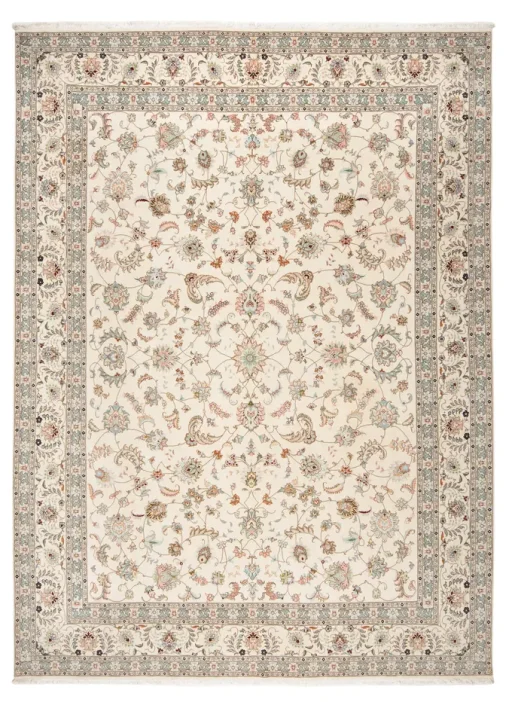
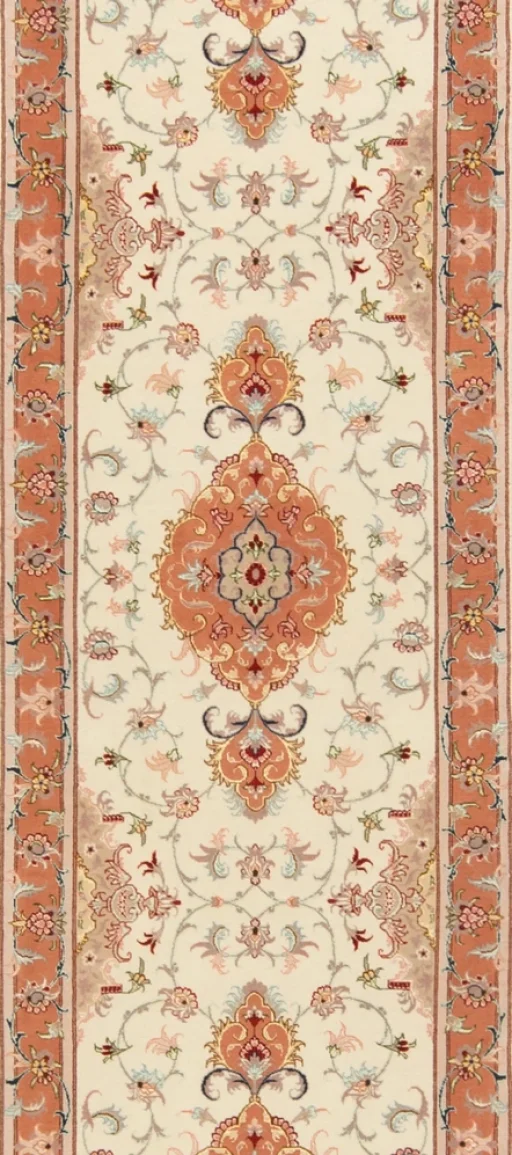
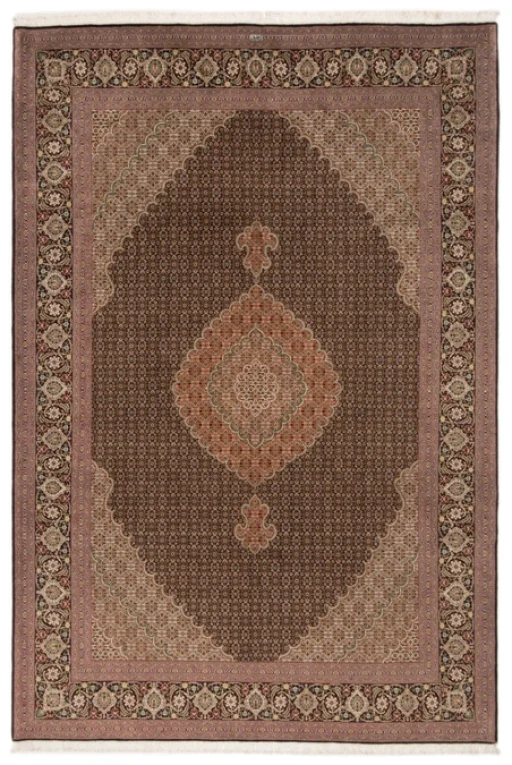
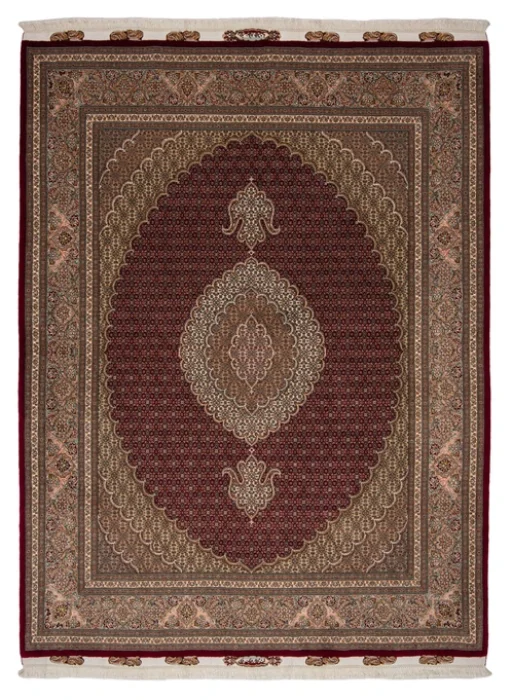
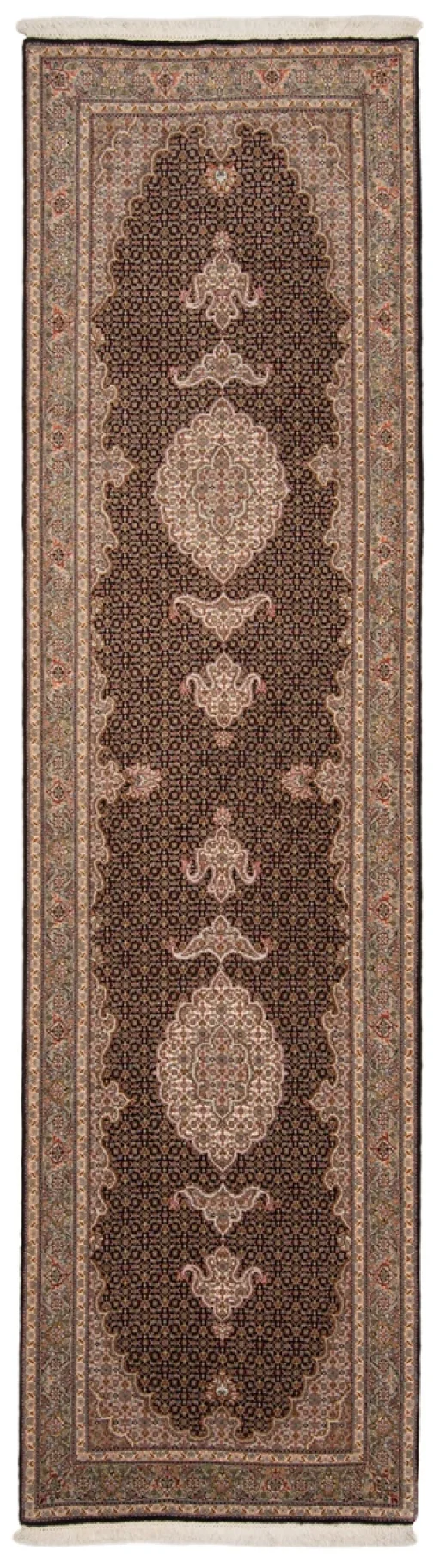
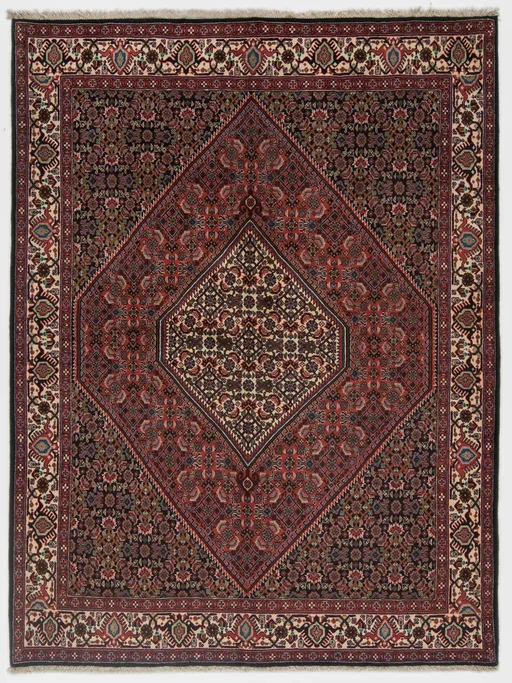
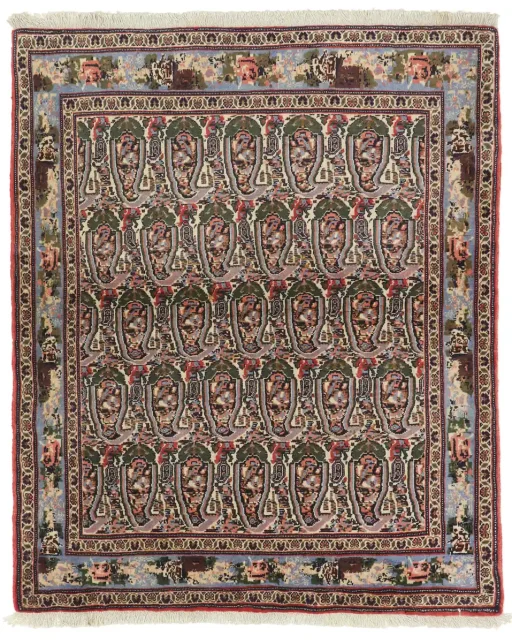
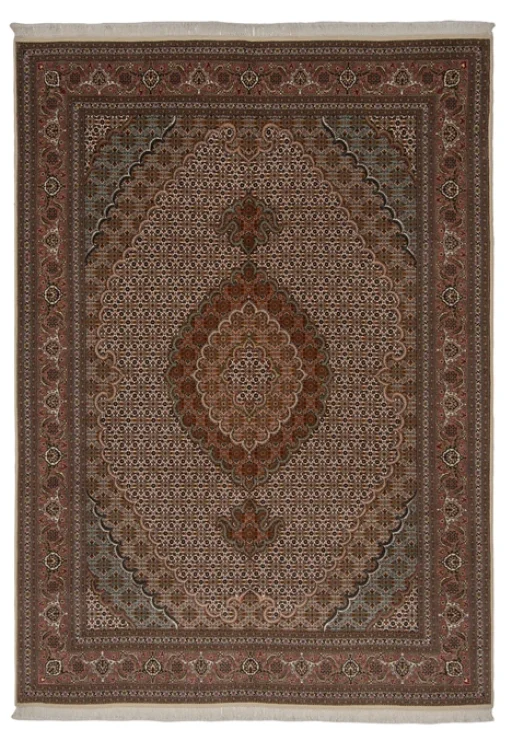
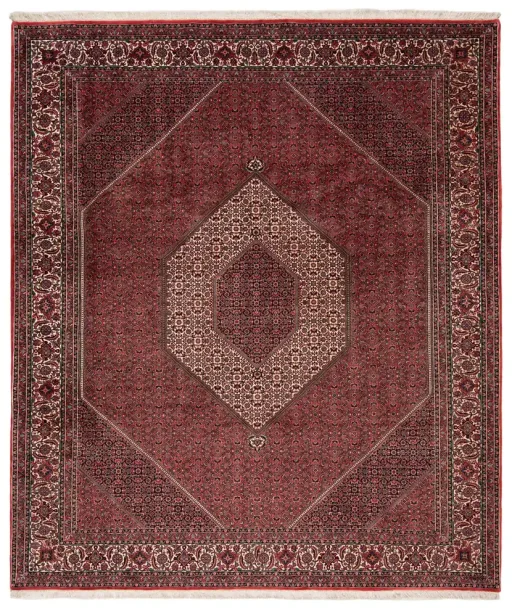
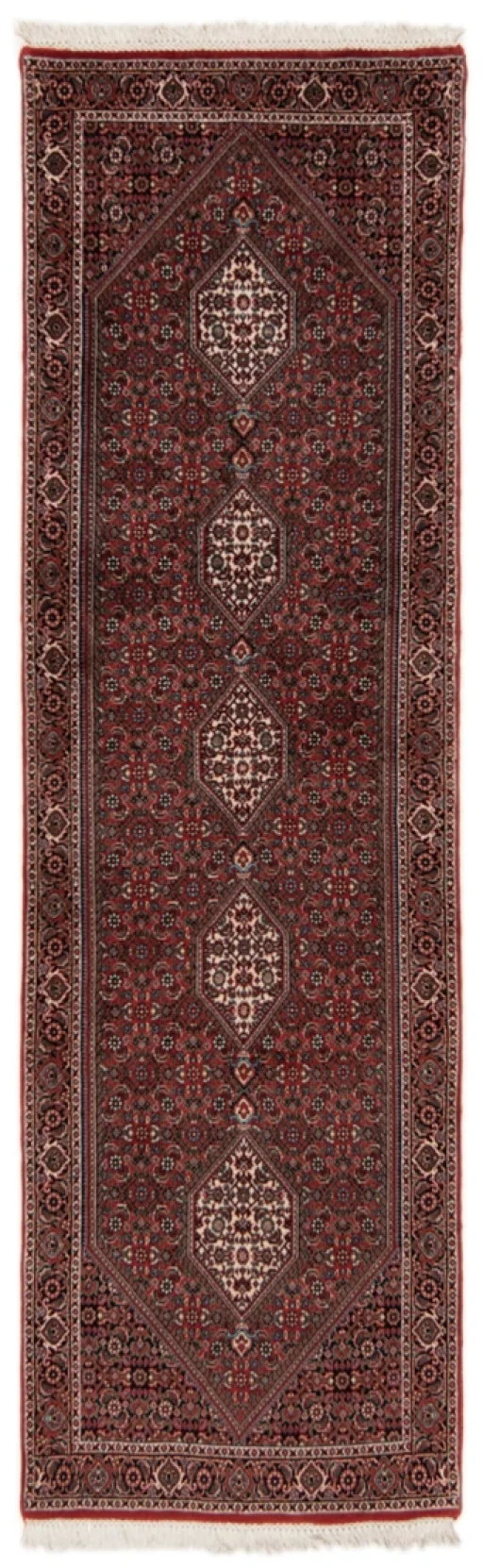
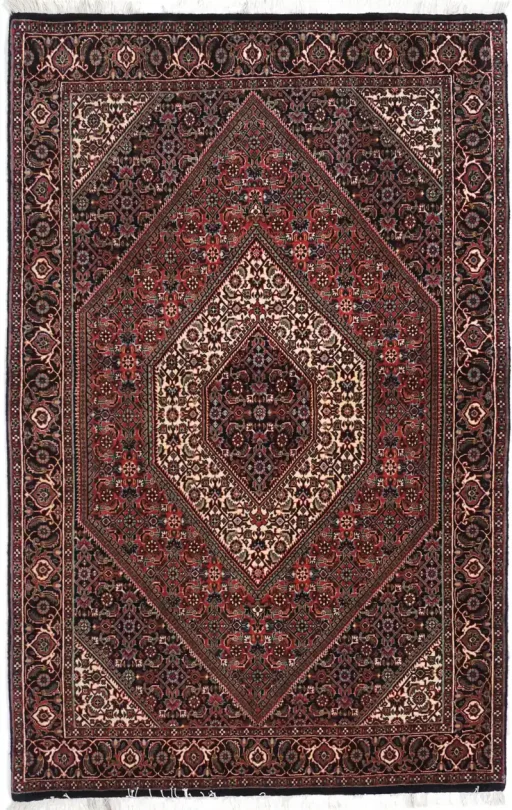
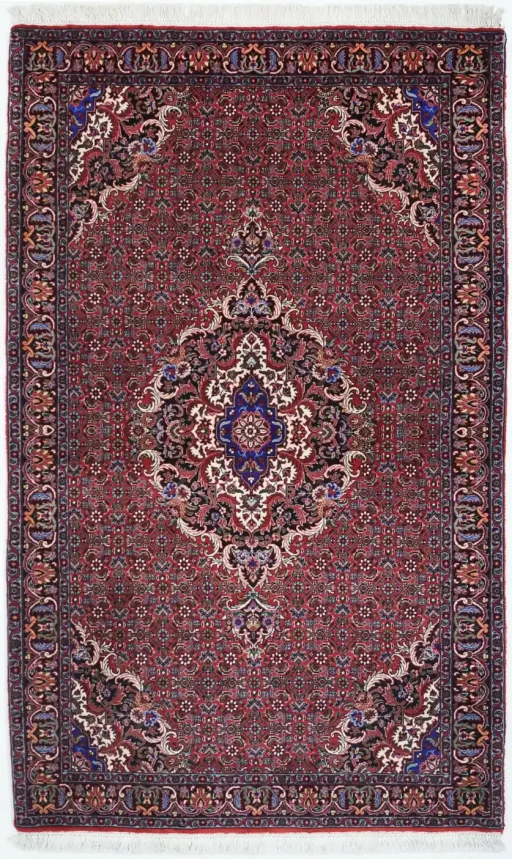
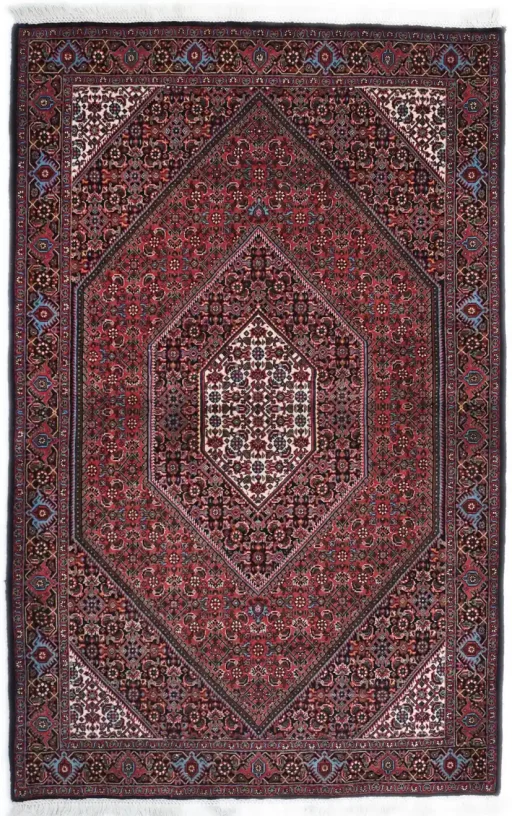
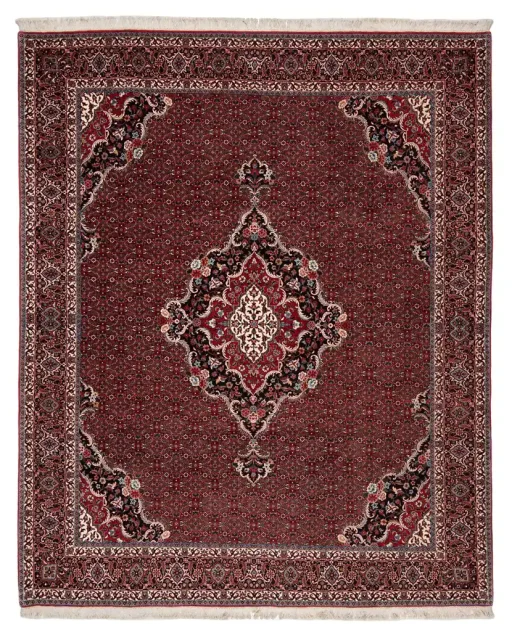
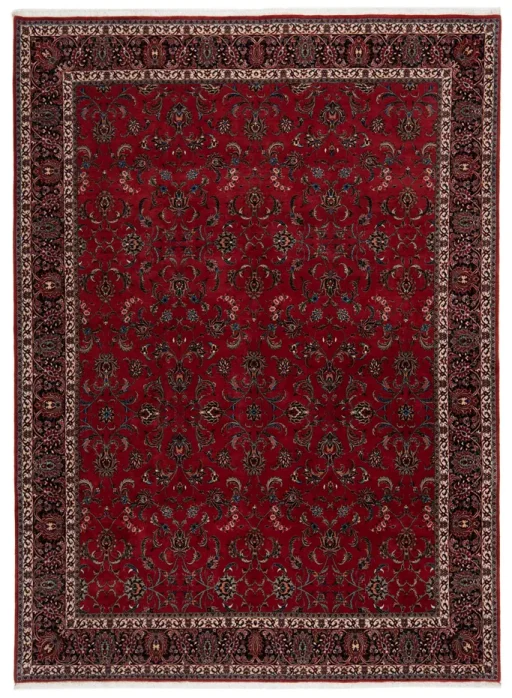
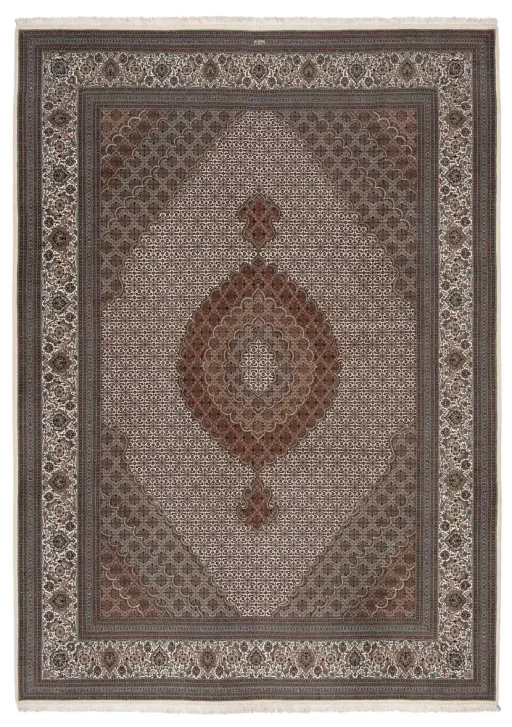
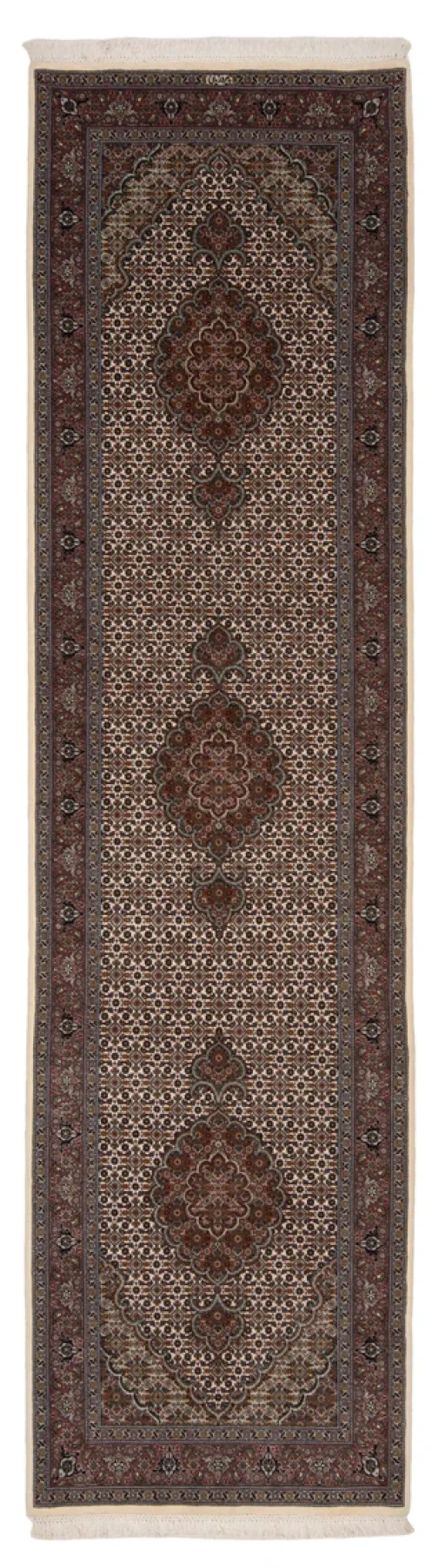
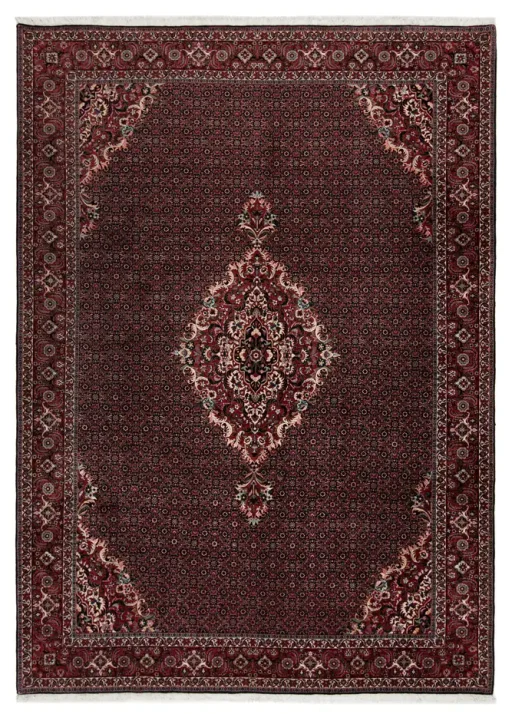
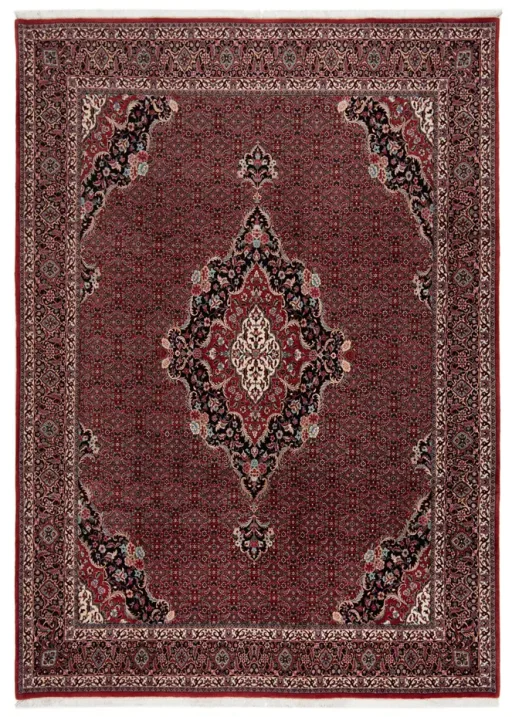
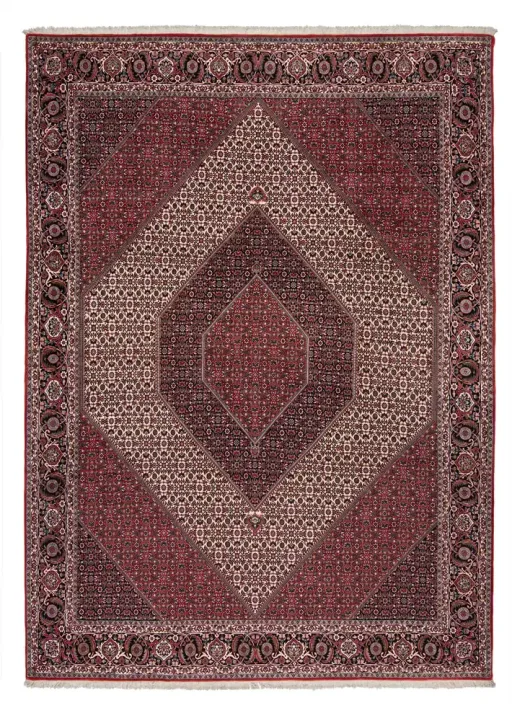
Our classic Persian rugs come from the well-known weaving towns of Iran, including Tabriz, Isfahan, Kashan, Nain, Ghom and Kerman. Each town has its own typical patterns and colours, and every product page names where a rug was made.
Turkish and Caucasian Rugs
Our Turkish and Caucasian rugs include Kazak rugs with bold geometric patterns, as well as Oushak and Shirvan pieces – both antique and new.
Afghan and Pakistani Rugs
The Afghan and Pakistani rugs in our collection are hand-knotted in wool. They include Mamluk, Samarkand and Haj Jalili designs.
Ziegler Rugs
Our Ziegler rugs include Ziegler and Farahan designs in ivory, sand and soft accent colours, with large-scale patterns that are calmer than those of many classic Persian rugs.
Nomadic and Village Rugs
Nomadic and village rugs are made by tribes and village weavers in Persia and Central Asia. Our selection includes Shiraz, Heriz, Baloch and Ghashghai rugs, knotted in wool.
Classic Kilims
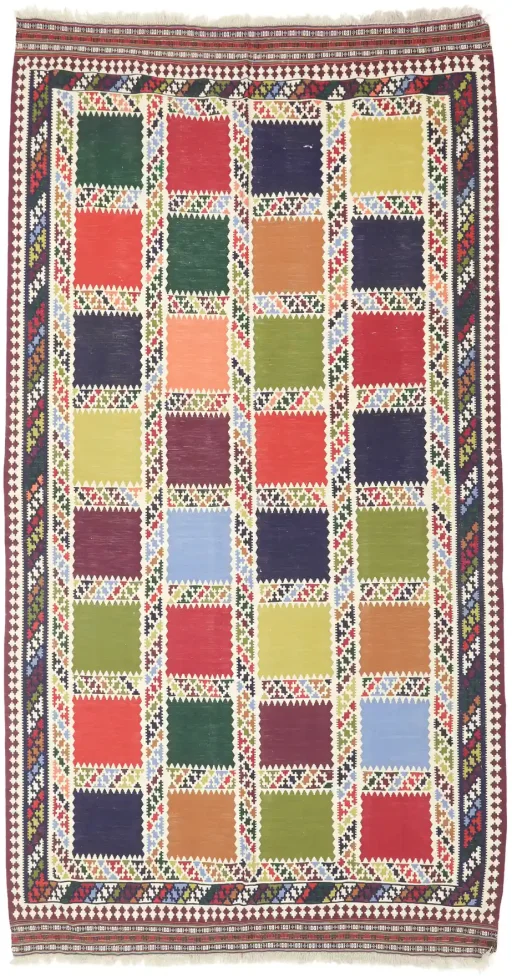
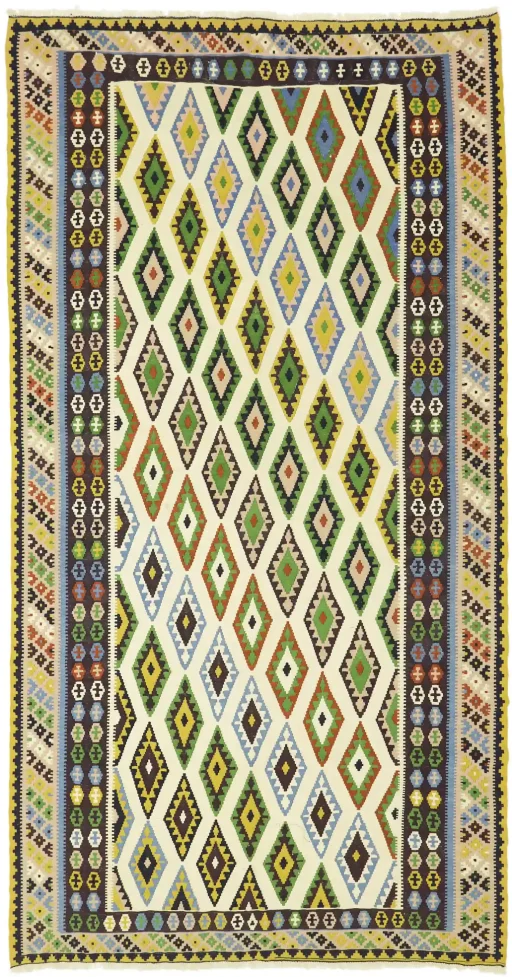
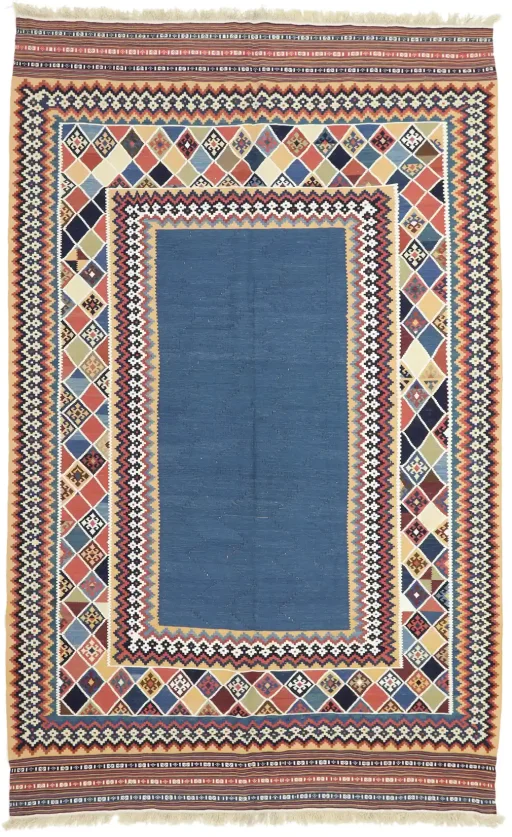
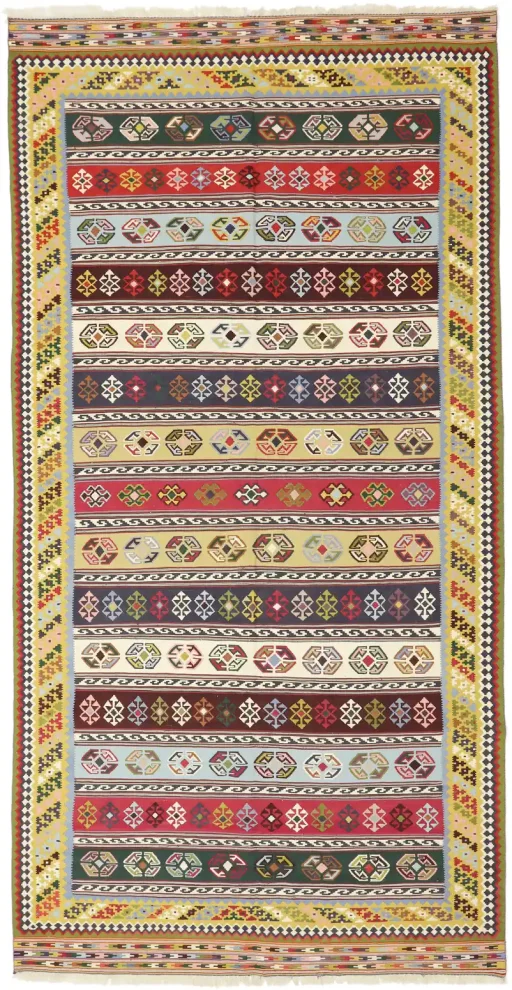
Classic kilims are flat-woven wool rugs with traditional patterns, including kilims woven by the Ghashghai nomads of southern Iran. They have no pile, so they are thin and light.
Chinese and Indian Rugs: Antique Pieces and Large Formats
Our Chinese rugs are mainly antique and semi-antique pieces. Our Indian rugs come from Agra, Jaipur and Amritsar and include antique pieces and large formats.
02
Modern Rugs: Kilims, Gabbeh and Contemporary Designs
Our modern rugs combine traditional handwork with contemporary patterns and colours.
Modern Design Rugs
Our modern design rugs include Mahli, Morocco and Nepal rugs with reduced patterns and calm colours.
Modern Kilims
Modern kilims are flat-woven like classic kilims but use contemporary patterns and colours. They are light, easy to move and suit modern and classic rooms.
Gabbeh Rugs
Gabbeh rugs from Iran have a thick wool pile, simple motifs and large areas of colour.
Patchwork and Vintage Rugs
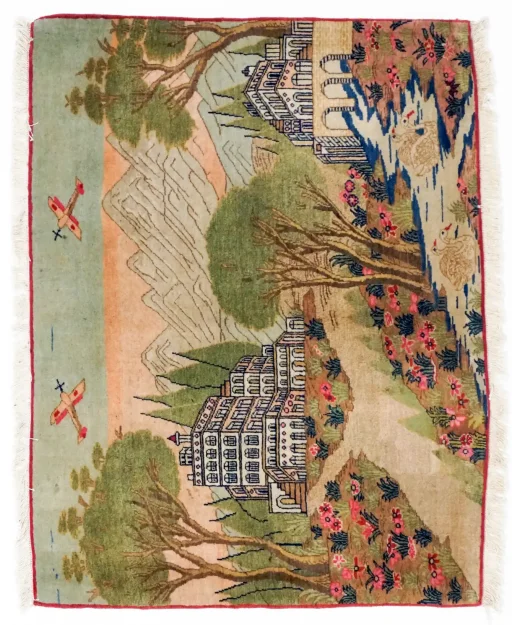
Patchwork and vintage rugs are made from older rugs. Vintage pieces are reworked as a whole, while patchwork rugs are sewn together from fragments of several rugs.
Designer Rugs
Our designer rugs are hand-knotted rugs with contemporary designs and colour schemes.
03
Exclusive Rugs: Antique, Silk and Collector Pieces
Our exclusive rugs stand out for their age, material or quality.
Antique Rugs
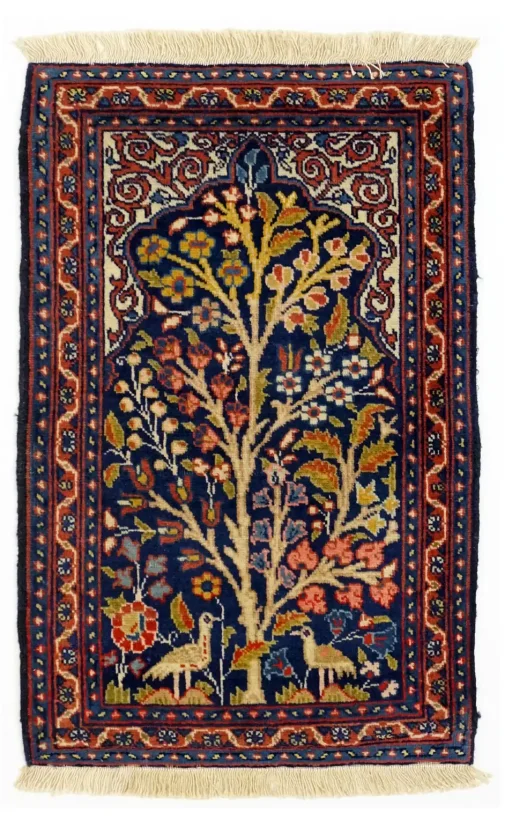
Our antique rugs are oriental carpets from 1840 to 1950. Their colours and signs of wear show decades of use.
Silk Rugs
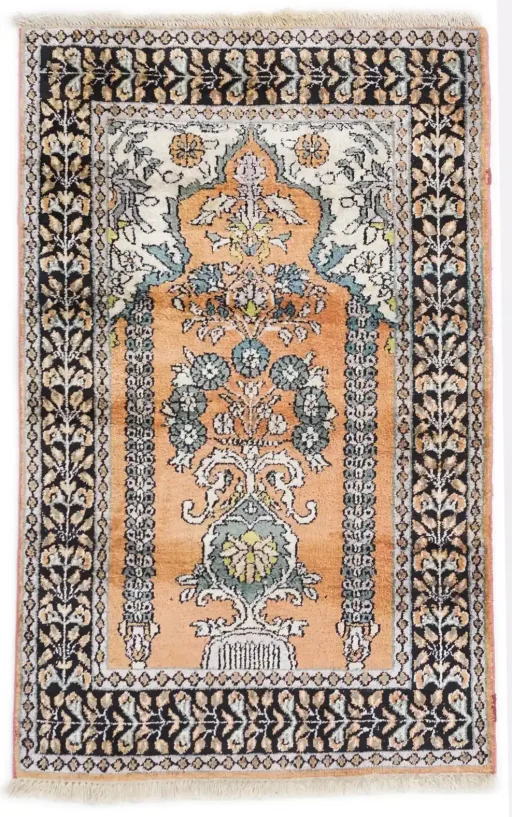
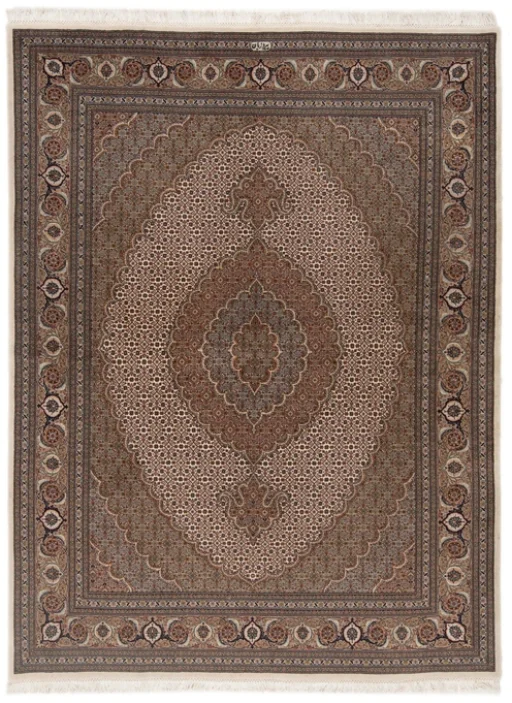
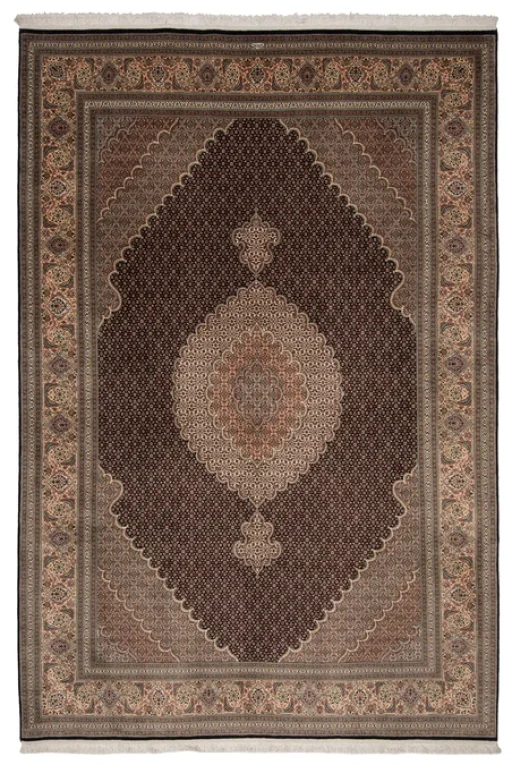
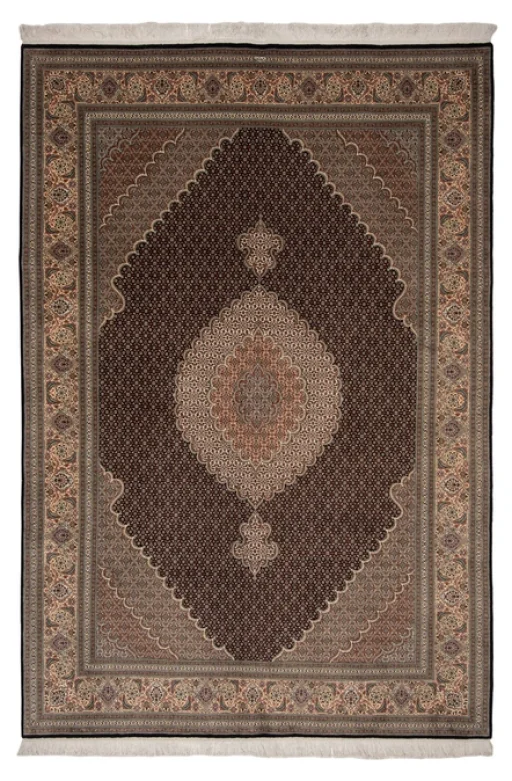
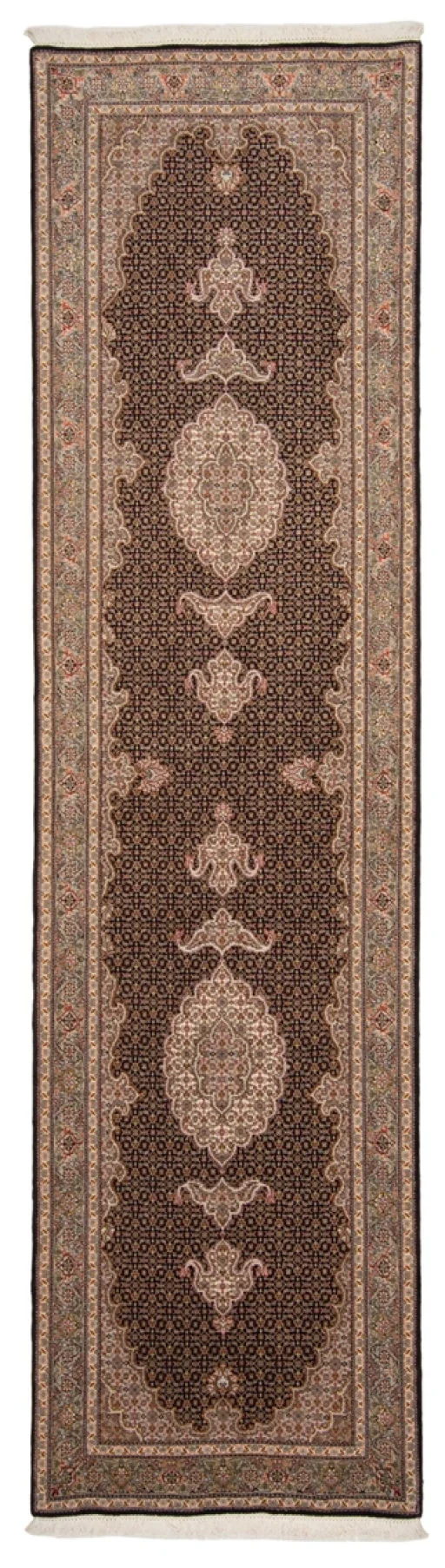
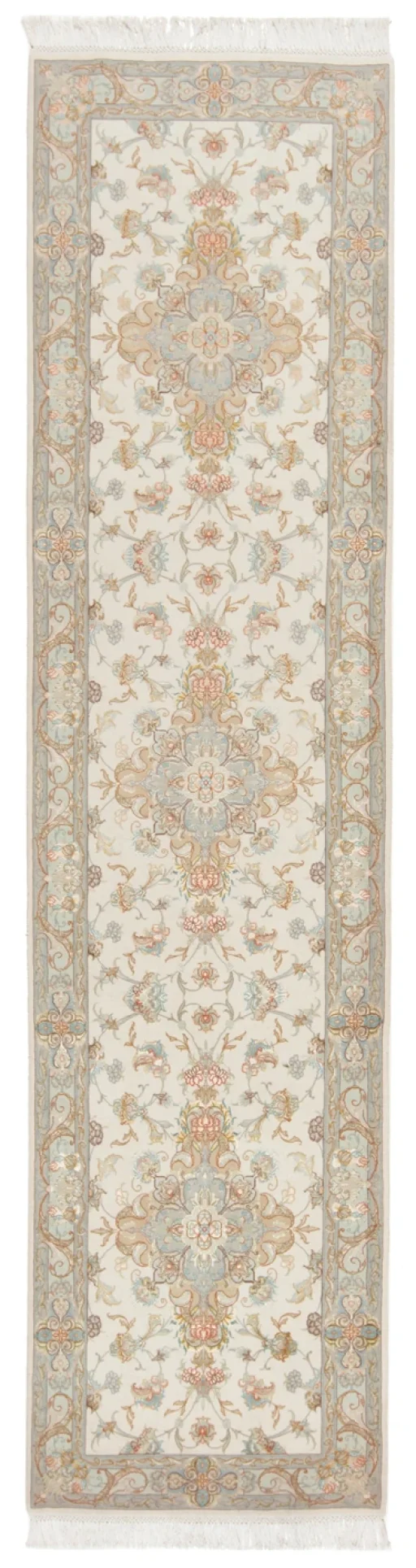
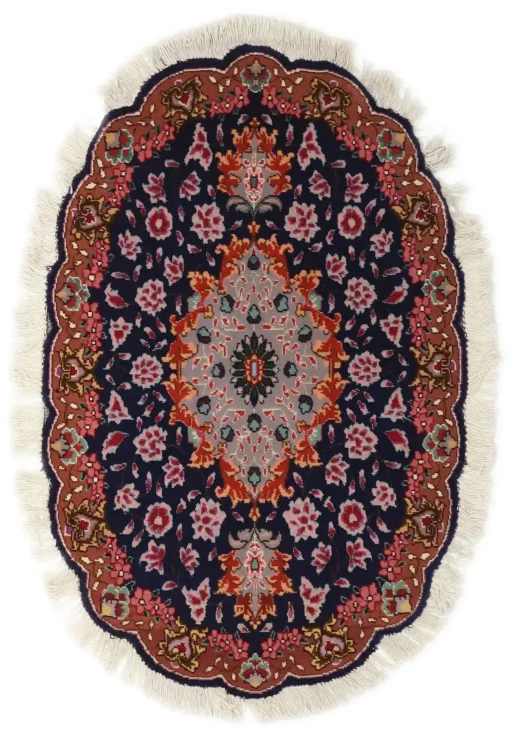
Most of our silk rugs are Tabriz and Nain rugs in which silk highlights the pattern, plus a few rare pure silk carpets from Turkey and China.
Collector Pieces
Our collector pieces are particularly fine rugs, including Tabriz rugs and Nain rugs with silk.
04
How to Choose, Use and Care for a Handmade Rug
Start with size: measure the room and decide whether the rug should lie partly under the furniture or in front of it. Then filter by colour and price. Our guides which rug matches your interior style and rug size, placement and styling help you decide.
In living rooms, the front legs of the sofa and chairs often stand on the rug, which connects the furniture. A rug underlay stops the rug from slipping.
Most of our rugs are knotted in wool, often on a cotton foundation; in silk rugs, silk forms the pile or parts of the pattern. Our guide to materials and knotting techniques explains the differences. Regular vacuuming without a rotating brush and quick action on spills keep a handmade rug in good condition for many years – our care guide for hand-knotted rugs explains the details.
05
Personal Advice and Our Showroom in Hamburg
06
Frequently Asked Questions About Handmade Rugs
Short answers to the questions we hear most often.
What is the difference between hand-knotted and flat-woven rugs?
Hand-knotted rugs have a pile made of individual knots. Flat-woven rugs such as kilims have no pile and are thinner and lighter.
Is every rug one of a kind?
Yes. Every handmade rug is unique, and the product page shows the exact piece you will receive.
How do I find the right size?
Measure the room and the furniture first, then use the size filter. Our guide to rug size and placement gives examples for every room.
Can I see the rugs in person?
Yes, in our Hamburg showroom by appointment. You can also explore our 3D showroom online.
Can I return a rug?
Yes, returns are free. Simply contact us if a rug does not suit your room.